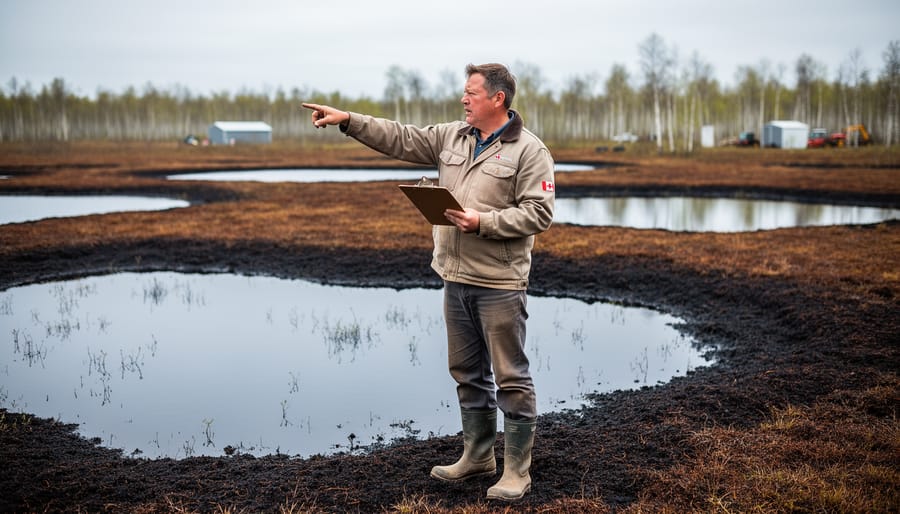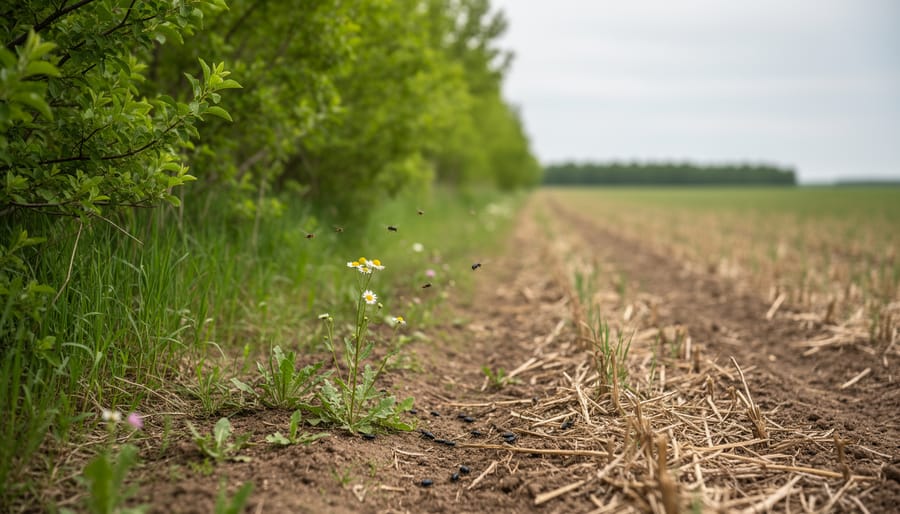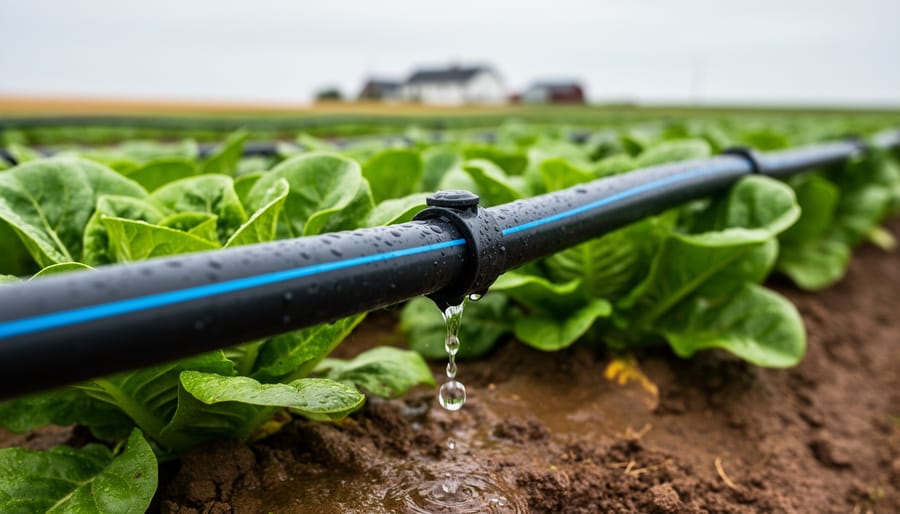

Forest Stewardship Council standards provide a globally recognized framework for responsible forestry that directly protects the water sources your farm depends on. For Canadian farmers and land managers, particularly those in Alberta where forestry and agriculture share watersheds, understanding FSC certification matters because how upstream forests are managed determines the quality and quantity of water flowing to your fields.
The FSC Forest Stewardship Standard for Canada (FSC-STD-CAN-01.1-2026), which came into effect July 1, 2026, sets binding requirements for forest operations across ten core principles that govern everything from ecosystem protection to community rights. These aren’t voluntary guidelines. They’re certification criteria that forest operators must meet to earn and maintain FSC approval, creating enforceable accountability for practices that affect downstream water quality, soil stability, and aquatic habitat.
For producers exploring organic certification or sustainable farming methods, FSC standards align closely with your goals. Certified forests must protect water courses, maintain riparian buffers, prevent erosion, and avoid chemical contamination that could reach agricultural water sources. This matters whether you’re drawing irrigation from rivers fed by forested headwaters or managing woodlots as part of your own operation.
The connection between forest stewardship and farm viability becomes clear when you consider Alberta’s landscape. Forested watersheds filter runoff, regulate stream flow during drought, and recharge aquifers. Poor forestry practices upstream can mean degraded water quality, increased flooding risk, and diminished summer flows exactly when crops need water most.
This guide explains how FSC principles protect water resources, what certification requires from forest managers, and how farmers can support or pursue FSC certification for their own forested land.
Understanding FSC Forest Stewardship Standards in Canada
The New FSC-STD-CAN-01.1-2026 Standard
The FSC-STD-CAN-01.1-2026 standard represents the most current framework for forest certification in Canada, effective July 1, 2026. This approved standard replaces previous versions and establishes the certification requirements that forest operations across the country must meet to earn and maintain FSC certification.
At its core, the standard certifies forest operations by ensuring they comply with the FSC 10 Principles and their associated Criteria. These principles cover everything from workers’ rights and Indigenous peoples’ rights to environmental impacts, monitoring, and management planning. For Canadian forest operations, this means demonstrating compliance across all ten areas through documented practices and regular audits.
The 2026 standard updates forest management requirements to reflect evolving scientific understanding and stakeholder input gathered through years of consultation with Canadian forestry professionals, environmental groups, and Indigenous communities. Operations already certified under previous standards will need to transition to the new requirements, though existing certifications remain valid until this updated standard fully replaces them.
For farmers managing forested land, this standard provides clear benchmarks. Whether you own a woodlot in Ontario or manage mixed agricultural and forest land in Alberta, the same national framework applies. The standard doesn’t promise specific outcomes for every situation but sets consistent expectations for responsible stewardship that certificate holders must meet regardless of forest size or location.
How FSC Certification Works for Forest Operations
FSC certification follows a structured evaluation process to verify that forest operations meet the comprehensive standards set out in FSC-STD-CAN-01.1-2026. Forest managers or landowners seeking certification begin by engaging an accredited certification body, an independent third-party auditor approved by FSC to conduct assessments. The certification body reviews management plans, conducts field audits, and evaluates whether the operation demonstrates compliance with the 10 Principles and associated Criteria that form the foundation of FSC certification.
During the assessment, auditors examine documentation and on-the-ground practices across multiple dimensions: how the operation maintains ecosystem health, protects water resources, manages harvesting intensity, and engages with Indigenous communities and local stakeholders. They verify that riparian zones remain intact, that soil disturbance stays within acceptable limits, and that the operation has systems in place for ongoing monitoring. The process isn’t a one-time snapshot; certified operations undergo regular surveillance audits and must demonstrate continuous adherence to the standard.
Once certified, operations can use the FSC trademark to identify wood products from responsibly managed forests. The standard remains valid and enforceable until FSC approves and implements a replacement version. For Canadian operations, FSC-STD-CAN-01.1-2026 took effect July 1, 2026, establishing the current benchmark for forest stewardship across the country. When a new standard eventually replaces it, certified operations transition according to FSC’s implementation timeline, ensuring certification requirements evolve with advancing science and best practices while maintaining consistency across the forestry sector.
The Link Between Forest Stewardship and Water Protection

Forests and water are inseparable in practice. When you manage forested land responsibly, you protect the water that flows through it, recharges aquifers beneath it, and eventually reaches agricultural operations downstream. FSC standards recognize this relationship and build water protection into their core principles, creating a direct link between how trees are harvested and how clean your irrigation water remains.
Riparian zones, the vegetated buffers along streams, rivers, and wetlands, serve as the front line of water protection in forested areas. These strips of trees and undergrowth filter sediment, trap nutrients, and stabilize stream banks before runoff reaches open water. FSC certification requires forest operations to maintain these protective buffers, preventing the erosion and contamination that can compromise water future for farms relying on the same watershed. When a logging operation leaves intact riparian zones, it keeps soil out of waterways and preserves the cool temperatures fish and aquatic ecosystems need.
Erosion control extends beyond riparian management. Road construction, skid trails, and harvesting activities can all create pathways for sediment to move into streams if not properly planned. FSC standards address these risks by requiring careful road design, prompt rehabilitation of disturbed areas, and seasonal restrictions on soil-disturbing work. These practices keep topsoil where it belongs and prevent the siltation that clogs irrigation systems and degrades aquatic habitat.
Water flow management matters as much as water quality. Forests regulate how precipitation moves through a landscape, slowing surface runoff and promoting infiltration. Clear-cutting large areas without regard for watershed function can lead to flashier stream flows, increased peak flows during storms, and reduced base flows during dry periods, all of which affect farmers drawing water downstream. FSC principles guide harvest patterns to maintain forest cover across the watershed, preserving the natural hydrological rhythm that agricultural operations depend on for consistent water availability.
Integrating FSC Standards with Organic Water Stewardship Policies

For farmers managing both agricultural fields and forested areas, FSC certification and organic water stewardship policies share a common foundation: protecting water quality through responsible land management practices. Both frameworks recognize that healthy watersheds depend on vegetative cover, soil stability, and minimal chemical inputs, creating natural alignment for operations pursuing comprehensive sustainability goals.
The FSC’s 10 Principles and Criteria overlap substantially with organic water stewardship requirements. Both emphasize maintaining riparian buffer zones, preventing erosion that introduces sediment into waterways, and avoiding contamination from synthetic chemicals. When you manage water according to organic standards, you’re already implementing many practices that FSC certification will evaluate in forested areas. The reverse holds true as well: FSC-compliant forest management supports the watershed protection your organic certification demands.
The holistic approach means viewing your entire operation as an interconnected system rather than separate parcels with different rules. Water flows across property boundaries and through varied landscapes, carrying nutrients, sediment, and potential contaminants from upstream areas to downstream zones. A farmer with FSC-certified woodlots upstream from organic vegetable fields creates layered protection: the forest management practices safeguard water quality before it reaches agricultural areas where organic standards take over.
Practical integration starts with mapping water flow across your property. Identify where forested areas feed into agricultural zones, where shared riparian corridors exist, and where management decisions in one area will affect water quality in another. Document practices that serve both certification frameworks, such as maintaining vegetative buffers, monitoring stream health, and restricting chemical use. This unified documentation approach reduces administrative burden while demonstrating comprehensive stewardship to both certifying bodies.
Practical Applications for Alberta Farmers

Alberta producers managing mixed landscapes, cropland, pasture, and forested areas, face unique opportunities to integrate FSC standards into their overall farm plan. Rather than viewing forested land as separate from agricultural operations, treating these areas as part of an interconnected system strengthens both productivity and environmental performance.
Forested sections along water courses protect irrigation sources by filtering runoff, stabilizing banks, and maintaining consistent water flows through dry periods. When managed according to FSC principles, these riparian buffers reduce sediment loads entering dugouts, streams, and reservoirs that supply irrigation systems. For operations relying on surface water, protecting upstream forest cover directly supports water quality and availability during critical growing windows.
Integrated land management under FSC standards also addresses erosion control on sloped terrain common across Alberta’s parkland and foothills regions. Maintaining forest cover on steep slopes prevents soil loss while allowing productive use of flatter areas for crops or grazing. This approach maximizes the working capacity of each landscape feature rather than forcing uniform practices across varied terrain.
Alberta farmers interested in FSC certification can start by assessing which forested portions of their operation meet the standard’s scope requirements. Contact local forestry extension services or conservation districts for initial guidance on whether your forested acreage qualifies and what documentation you’ll need. The process mirrors other agricultural certifications, many producers who get certified for organic practices find FSC requirements complement their existing record-keeping and environmental commitments.
Steps to Pursue FSC Certification on Your Operation
Pursuing FSC certification starts with understanding your current forest management practices and how they align with the 10 Principles and Criteria that form the foundation of the FSC-STD-CAN-01.1-2026 standard. Begin by conducting an honest assessment of your forested acreage: document your harvesting methods, riparian zone management, and existing water protection measures. This initial review helps identify gaps before you involve a certification body.
Next, connect with FSC-accredited certification organizations operating in Canada. These bodies evaluate operations against the standard’s requirements and can provide pre-assessment services to clarify what documentation you’ll need. They won’t certify you immediately, but they’ll outline the process specific to your operation’s scale and complexity.
- Conduct a self-assessment of your forest management practices against FSC principles, focusing on water protection and biodiversity measures already in place.
- Develop a compliance plan that documents your forest management activities, harvest schedules, and environmental monitoring procedures.
- Gather baseline documentation including property maps, species inventories, and records of past management activities.
- Contact an FSC-accredited certification body for a preliminary consultation and formal audit scheduling.
- Prepare for the on-site audit by ensuring your documentation is complete and your team understands the standards.
- Maintain ongoing records and be ready for periodic surveillance audits after initial certification.
Remember that certification isn’t instantaneous. The process involves verification that your practices genuinely protect forest health and water resources, not just paperwork compliance. Budget time for document preparation and potential adjustments to your management approach based on auditor feedback.
Common Questions About FSC Standards and Water Stewardship
Does FSC certification guarantee specific water quality standards on my farm?
FSC certification requires responsible forest management practices that protect water resources, but it doesn’t set specific water quality thresholds. The standards focus on maintaining watershed function through riparian zone protection, erosion control, and preventing chemical contamination rather than measuring parts-per-million of specific contaminants.
What does FSC certification typically cost for a small forested area on a Canadian farm?
Costs vary widely depending on property size, complexity, and the certification body you work with. Expect initial assessment and audit fees, plus annual surveillance costs to maintain certification. Many farmers with smaller forested parcels explore group certification options to share administrative expenses.
Can I pursue FSC certification if I’m already certified organic?
Yes, FSC certification complements organic status rather than conflicting with it. Both frameworks prioritize ecosystem health and sustainable practices, and many certified organic farms with forested areas successfully maintain both certifications without duplicating efforts on shared goals like water protection.
How long does it take to achieve FSC certification on an agricultural operation?
The timeline depends on your current practices and documentation. If you’re already managing your forested land responsibly with good record-keeping, the process moves faster. Expect several months for initial assessment, any necessary practice adjustments, and the formal audit before receiving certification.
What benefits does FSC certification offer beyond environmental compliance?
Certification can open markets for sustainably harvested forest products, strengthen your farm’s sustainability story for consumers and buyers, and provide a structured framework for long-term land management. It also connects you with a broader community of land stewards committed to protecting natural resources.
These questions reflect the practical concerns farmers face when considering FSC certification alongside their existing agricultural operations. The connection to water stewardship becomes clearer when you understand that certification isn’t about meeting rigid thresholds but demonstrating responsible management that protects entire watersheds. For Alberta farmers managing mixed-use land, this means your forestry practices support the same water resources your crops and livestock depend on.
The investment of time and money makes sense when you view forested areas not as separate from your farm but as an integral part of your water protection strategy. Certification formalizes what many sustainable farmers already do while adding credibility and potential market advantages.
Managing Canadian farmland means caring for every element that sustains your operation, and that includes the forests that protect your water sources. FSC forest stewardship standards and organic water stewardship policies aren’t competing frameworks, they’re complementary tools that work together to safeguard the watersheds your farm depends on. When you manage forested areas according to FSC principles, you’re protecting riparian zones, controlling erosion, and maintaining the natural water filtration systems that keep irrigation sources clean and reliable.
The newly approved FSC-STD-CAN-01.1-2026 standard, effective this July, provides Canadian farmers with a clear certification pathway that aligns directly with sustainable agriculture goals. Pursuing FSC certification strengthens your farm’s environmental credibility, opens doors to premium markets, and demonstrates your commitment to integrated land management. It’s an investment that pays dividends through improved water quality, enhanced soil health, and the resilience that comes from working with natural systems rather than against them.
Alberta’s agricultural community has always understood that responsible stewardship creates lasting value. By viewing your forested land as an essential partner in water protection, you’re building a more sustainable operation and contributing to the broader health of your watershed. The path to certification requires commitment, but you’re not walking it alone, certification bodies, fellow farmers, and agricultural organizations are ready to support you every step of the way.