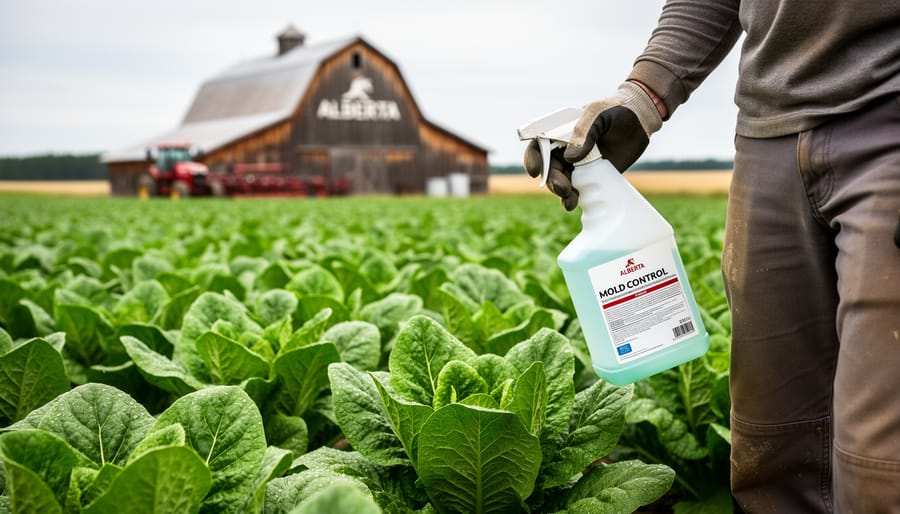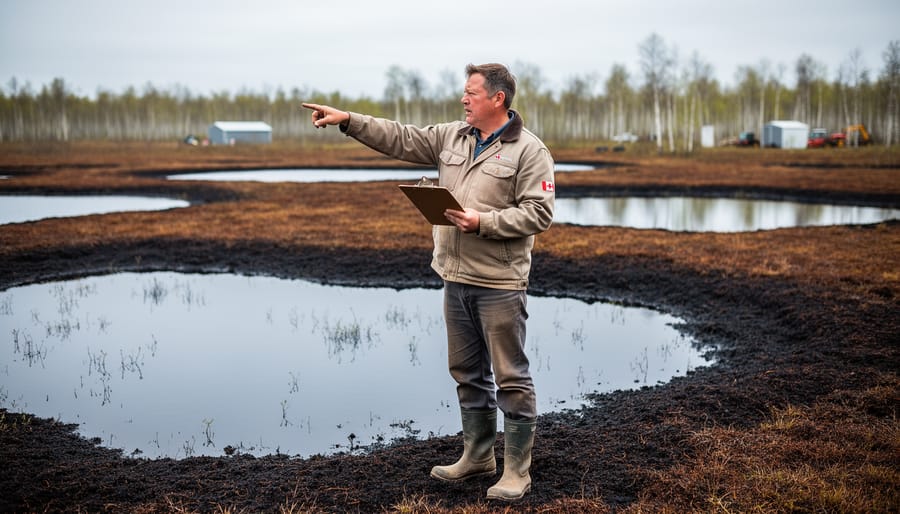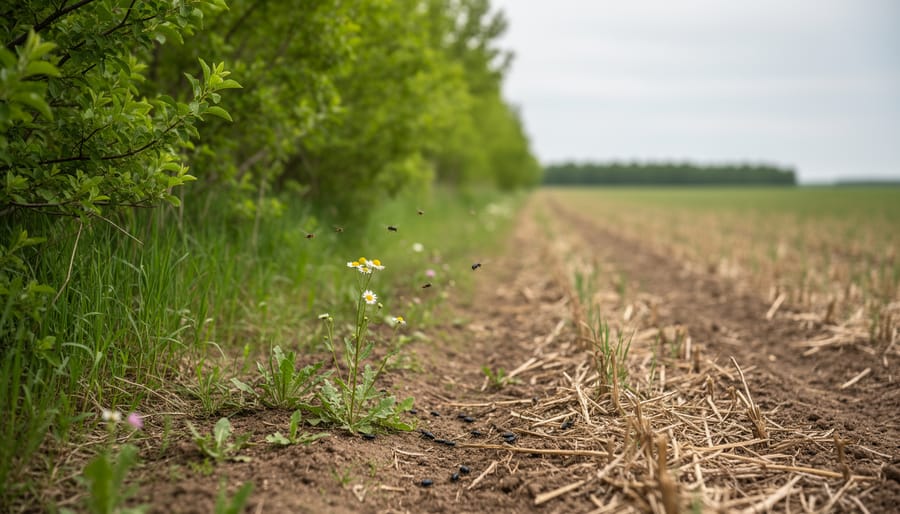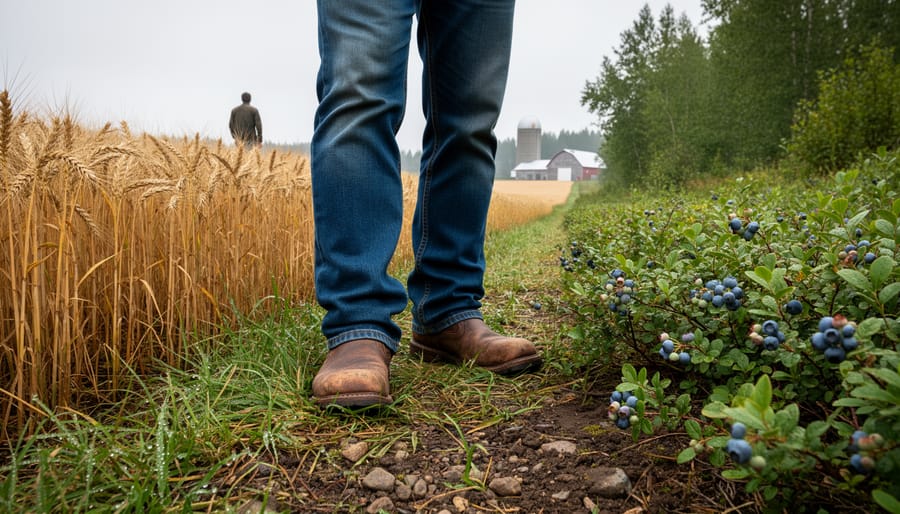
Provisioning ecosystem services are the tangible products that people obtain directly from ecosystems: food, fibre, fuel, fresh water, and raw materials. On working farms across Canada, these services represent the foundation of agricultural production, from the wheat in a southern Alberta field to the wild blueberries growing at woodland edges in Manitoba. While farmers have always relied on these natural outputs, recognizing them explicitly as ecosystem services helps spotlight opportunities to enhance productivity through practices that work with nature rather than against it.
For Canadian agricultural professionals navigating 2026’s economic and environmental pressures, understanding provisioning services offers a practical framework for farm planning. A rancher grazing cattle on native prairie isn’t just producing beef; she’s tapping into the grassland’s capacity to convert solar energy and soil nutrients into protein. An Ontario fruit grower harvesting apples benefits not only from the tree’s genetics but from the provisioning service of water filtered and stored by healthy soil. These aren’t abstract ecological concepts. They’re the daily mechanics of how farms generate income.
The distinction matters because provisioning services don’t function in isolation. They depend on supporting services like nutrient cycling and pollination, which means management decisions that degrade soil health or eliminate hedgerows can quietly erode the very services farmers depend on for revenue. This article breaks down the major categories of provisioning services with farm-specific Canadian examples, explores how agroecological practices protect and amplify these services, and shares insights from producers who’ve integrated this perspective into their operations. Whether you’re evaluating cover crop systems, designing a rotational grazing plan, or considering where woodlots fit in your land base, recognizing what your ecosystem is already provisioning changes how you approach every acre.
What Provisioning Ecosystem Services Mean for Farmers
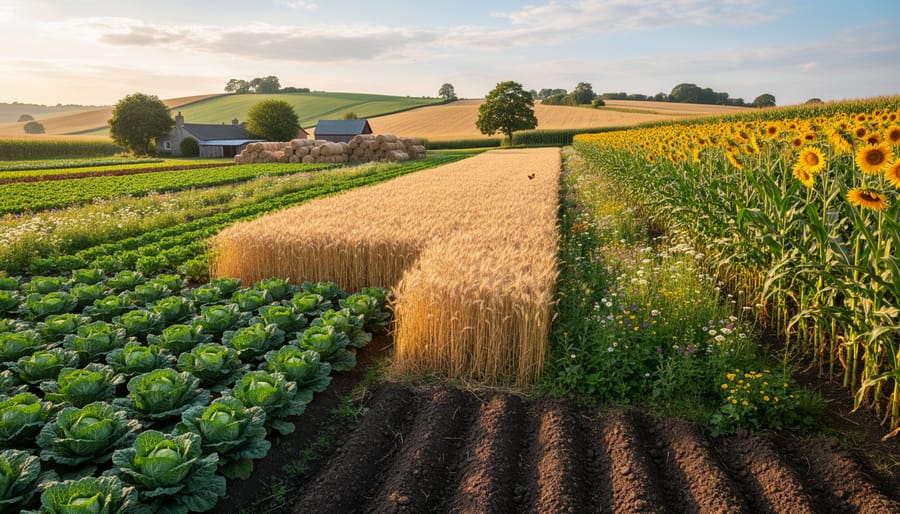
Provisioning services are the most visible gifts your farm receives from nature every day. They’re the actual products you can harvest, sell, or use: wheat from your fields, water for your cattle, timber from shelterbelts, even the genetic diversity in your seed stock. Unlike the invisible work that ecosystems do behind the scenes, provisioning services are tangible outputs that directly generate farm revenue and sustain rural livelihoods across Alberta.
Understanding these services starts with recognizing that your land isn’t just dirt plus inputs. It’s an active system that produces valuable resources when managed well. Ecosystem services fall into four categories, but provisioning stands apart because it directly feeds the balance sheet. Regulating services keep pests in check and filter water, supporting services build soil and cycle nutrients, and cultural services provide recreation or spiritual value. All of these matter, yet provisioning services put food on tables and money in bank accounts.
- Provisioning services
- The tangible products harvested from ecosystems, including food, fibre, fresh water, fuel, and raw materials that generate farm income.
- Ecosystem services
- All the benefits humans obtain from functioning ecosystems, grouped into provisioning, regulating, supporting, and cultural categories.
- Agroecosystem
- A managed agricultural landscape where farmers work with ecological processes to produce food, fibre, and other resources sustainably.
- Natural capital
- The stock of natural resources (soil, water, biodiversity, climate) that generates a flow of ecosystem services over time.
For Canadian farmers, provisioning capacity determines whether you can diversify revenue streams, buffer against market volatility, and keep the operation viable through droughts or price swings. A farm that only produces one crop from depleted soil has fewer provisioning options than a diversified operation managing healthy agroecosystems. The stronger your natural capital, the more products your land can deliver year after year without degradation.
This matters in Alberta’s variable climate. Farms that maintain robust provisioning services can pivot between grains, pulses, forage, and livestock depending on conditions. They harvest rainwater, grow their own seed, and tap into niche markets for medicinal herbs or heritage breeds. That flexibility isn’t just ecological resilience; it’s financial resilience too.
How Provisioning Services Work in Agricultural Systems
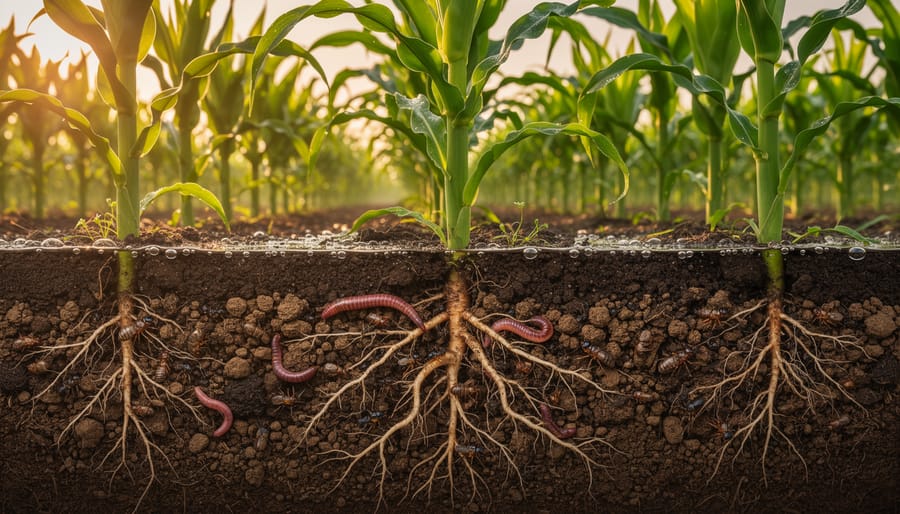
Provisioning services don’t appear by accident. They’re the result of dynamic interactions among soil biology, water cycles, plant communities, and climate, all shaped by how you manage your land. When these elements work together, your farm becomes a productive system capable of delivering food, fibre, and other resources year after year. When any piece breaks down, the whole system’s capacity to provide weakens.
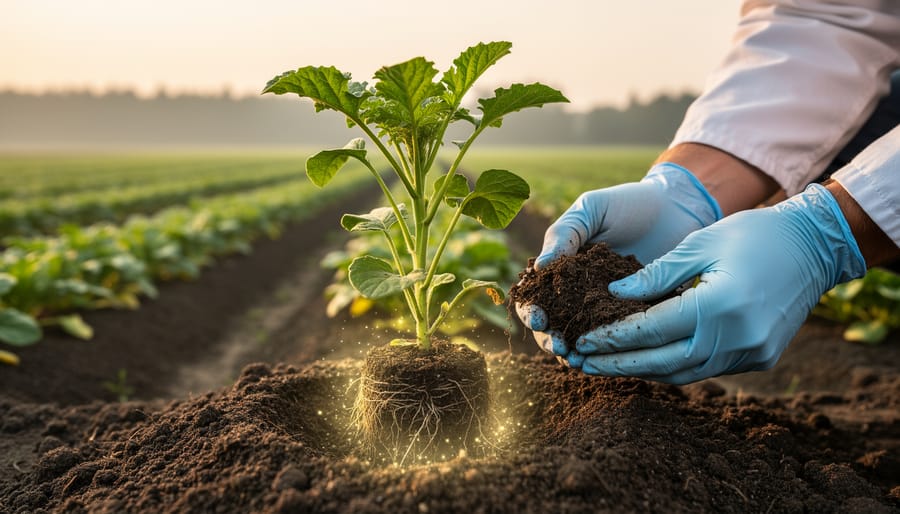
Start with soil. Healthy soil is home to billions of microorganisms that decompose organic matter, fix nitrogen, cycle nutrients, and build structure. These invisible workers convert raw materials into forms plants can use, directly affecting crop yields and forage quality. Research shows how agricultural practices affect soil health by altering microbial communities, organic carbon levels, and water-holding capacity. Tillage frequency, crop rotation choices, and organic inputs all influence whether your soil builds or loses this biological capital over time.
Water ties the system together. Plants need consistent moisture to photosynthesize and grow, but water also moves nutrients through soil profiles and supports the organisms that keep soils alive. Farms with intact wetlands, shelterbelts, and diverse cover recharge groundwater, filter runoff, and maintain reliable irrigation sources. Landscapes stripped of vegetation or compacted by heavy equipment shed water instead of capturing it, reducing the land’s ability to sustain crops during dry stretches.
Biodiversity multiplies options. A farm with varied crop species, perennial plantings, and habitat patches supports pollinators, natural pest controllers, and beneficial microbes. This diversity stabilizes production: if one crop fails or a pest outbreak hits, others can compensate. Monocultures maximize short-term efficiency but narrow genetic resources and make provisioning vulnerable to single shocks like disease or extreme weather.
Climate sets the boundary conditions, temperature ranges, frost dates, precipitation patterns, but farm management determines how well your system responds to those conditions. Cover crops protect soil during dormant seasons, reducing erosion and nutrient loss. Perennial buffers moderate microclimates and slow wind. Integrated grazing recycles nutrients and stimulates plant regrowth. Each decision either reinforces the ecosystem’s ability to deliver what you need or pulls it further from sustainable output. The stronger these ecological foundations, the more your farm can provision without external inputs or escalating costs.
Categories of Provisioning Services on Canadian Farms
Food Production: Crops and Livestock
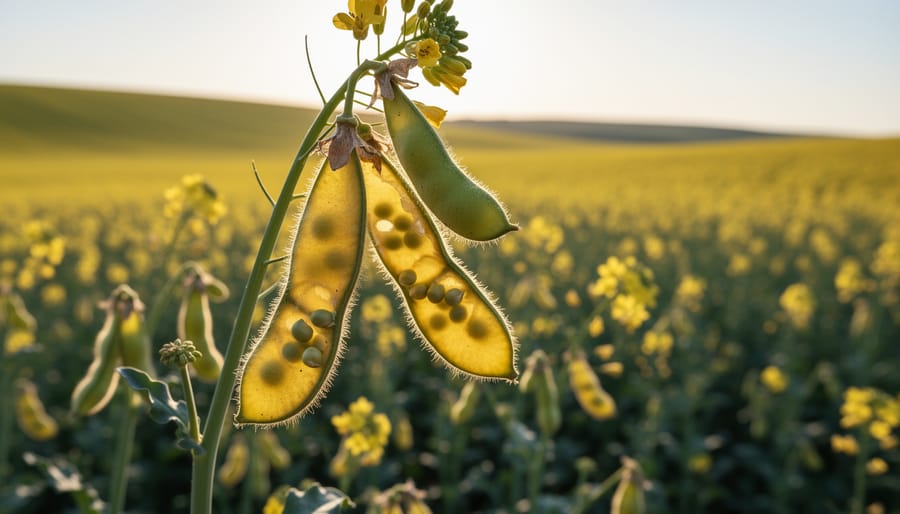
Food crops form the most visible provisioning service on Canadian farms, with Alberta fields producing wheat, canola, barley, oats, and pulses like lentils and chickpeas. These grains and legumes feed both domestic and export markets, generating the bulk of farm revenue across the province. Livestock operations contribute beef, dairy, pork, poultry, eggs, and lamb, while diversified farms add vegetables, berries, and honey to their product mix. Each of these outputs depends on healthy soil, adequate water, and functioning ecological processes to deliver consistent yields year after year.
Alberta farms provide essential food provisioning services that underpin regional and global food security:
- Cereal grains (wheat, barley, oats) supplying flour, malt, and animal feed
- Oilseeds (canola, flax) for cooking oil, biodiesel, and industrial uses
- Pulse crops (lentils, peas, chickpeas) offering high-protein plant foods
- Beef and dairy products from grass-fed and grain-finished systems
- Specialty crops including vegetables, herbs, and apiaries producing honey
Increasing crop diversity and implementing rotations strengthen provisioning capacity by improving soil fertility, breaking pest cycles, and spreading economic risk across multiple products. A wheat-canola-pulse rotation builds nitrogen naturally, reduces disease pressure, and captures different market opportunities compared to a wheat monoculture. Mixed operations that combine grain production with livestock integrate manure as a nutrient source, turning two provisioning streams into a more resilient whole-farm system.
Fibre, Fuel, and Raw Materials
Beyond food, Canadian farms produce a range of materials that support construction, energy, and manufacturing sectors. These non-food provisioning services often represent untapped income streams and demonstrate how farmland can serve multiple purposes simultaneously.
Straw from wheat, barley, and oat crops supplies bedding for livestock, erosion control mats, and mushroom cultivation substrates. Some Alberta operations bale and sell straw to erosion control contractors or greenhouse operators, turning what was once considered waste into profit. Hemp fibre production has expanded in recent years, with farms growing hemp for textiles, paper, insulation panels, and biodegradable plastics. The long fibres command premium prices when processed into construction materials or specialty fabrics.
Flax provides both food-grade seed and fibre for linen production. Farmers growing flax for oilseed can negotiate contracts with processors seeking the stem fibre for biocomposites or textiles. Biofuel feedstocks include canola for biodiesel, grain corn for ethanol, and dedicated energy crops like switchgrass or willow. These crops offer alternative markets when food commodity prices drop.
Shelterbelts and hedgerows yield timber for fencing, firewood, and small-scale lumber. Farmers with mature poplar or spruce windbreaks periodically harvest poles for corral construction or sell logs to local sawmills. This wood production requires no additional land, layering value onto existing conservation structures.
Fresh Water Supply
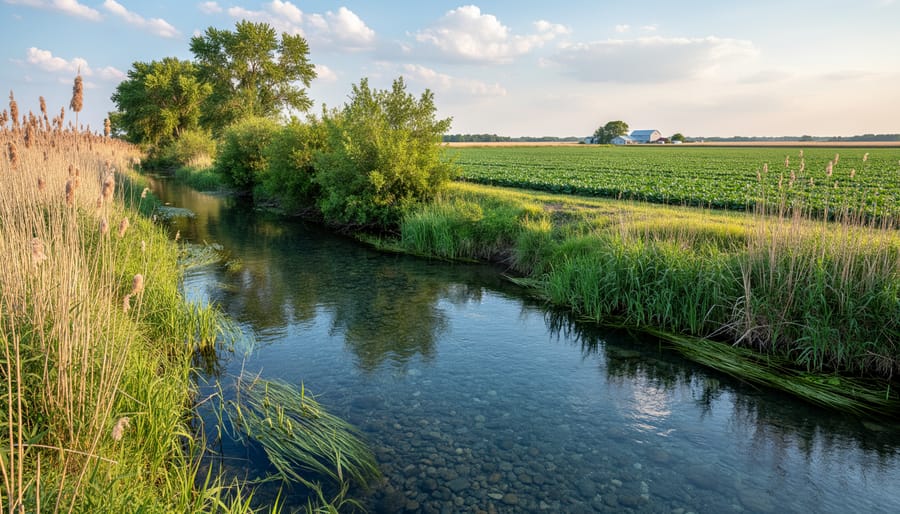
Agricultural landscapes do more than grow crops, they capture, store, and filter the fresh water essential for farming operations. In Alberta, where precipitation is limited and drought cycles are common, understanding how your land manages water directly affects both production capacity and long-term resilience.
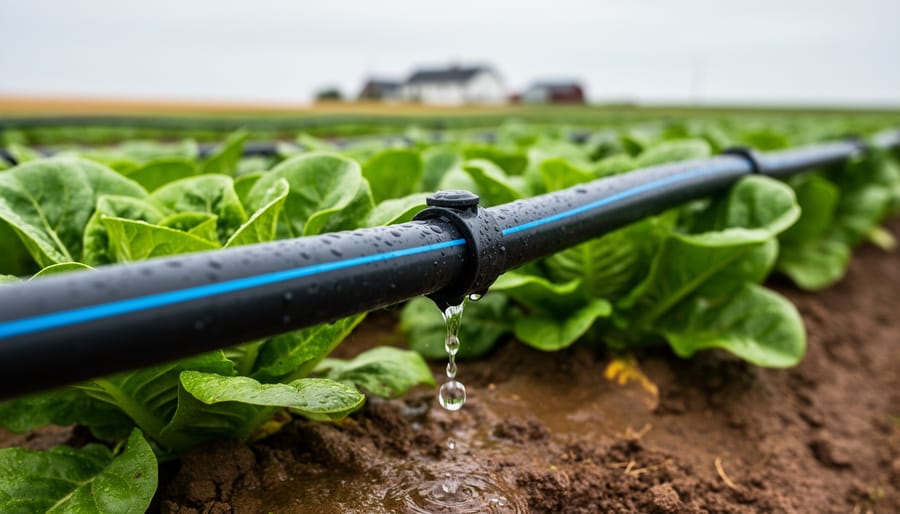
Dugouts and farm ponds act as vital water reservoirs, collecting spring runoff and providing livestock water throughout the season. When properly sited and maintained, these structures recharge local aquifers while reducing reliance on municipal or pumped water sources. Riparian zones and wetlands function as natural filtration systems, trapping sediment and nutrients before they enter waterways and improving the quality of water available downstream for irrigation and household use.
Strategic landscape management enhances groundwater recharge. Conservation tillage, permanent cover, and shelterbelts slow surface runoff, allowing more moisture to infiltrate soil rather than evaporate or erode. This stored water feeds wells, maintains baseflow in creeks, and supports crop growth during dry spells.
Managing water provisioning services requires balancing extraction with replenishment. Overgrazing riparian areas, draining wetlands, or relying solely on deep wells can deplete the system. Implementing farm water efficiency practices, such as rotational grazing near water sources, maintaining vegetated buffers, and monitoring soil moisture, protects this critical service while sustaining your farm’s productivity and adaptability to climate variability.
Genetic Resources and Seed Saving
Genetic diversity on your farm is a provisioning service you can’t buy back once it’s lost. When you save seeds from open-pollinated varieties or maintain heritage livestock breeds, you’re preserving genetic material that future breeding programs will need as climate shifts and pest pressures evolve. Unlike the narrow genetic base of commercial hybrids, landrace crops and regionally adapted livestock carry traits for drought tolerance, disease resistance, and flavour that took generations to develop.
Alberta farmers who participate in seed libraries or networks like Seeds of Diversity contribute living repositories of adapted genetics. Saving seed from your best-performing wheat or bean plants each season creates a population tailored to your soil and microclimate. Heritage cattle breeds such as Canadienne or Devon offer hardiness and feed efficiency that commodity genetics may lack.
This isn’t nostalgia. It’s practical insurance. A diverse genetic portfolio gives you options when conditions change. Regional seed exchanges and breed conservation associations provide technical support and access to varieties you won’t find in catalogues. By stewarding these resources, you strengthen your operation’s resilience while contributing to national food security and breeding capacity for the decades ahead.
Medicinal and Biochemical Products
Beyond the obvious food and fibre, Canadian farms can cultivate plants with medicinal or biochemical value as niche provisioning services. Diversified operations across the prairies grow herbs like echinacea, chamomile, and peppermint for herbal tea markets, while others produce lavender and bergamot for essential oils used in cosmetics and aromatherapy. These crops often command premium prices and fit well into rotations, filling market gaps that commodity agriculture overlooks.
Hemp has emerged as a multi-purpose biochemical crop, yielding CBD oil, hempseed protein, and omega-rich oils alongside its fibre. Some Alberta producers cultivate calendula and arnica for pharmaceutical extraction, and a handful experiment with adaptogenic roots like ginseng in controlled environments. University research stations now trial native plants with antimicrobial properties, exploring their potential as natural preservatives or livestock feed additives.
These products diversify income and buffer against commodity price swings. They require specialized knowledge, harvest timing, drying protocols, certification, but small acreages can generate significant revenue. As consumer demand for plant-based ingredients grows, the medicinal provisioning service becomes a viable avenue for farmers willing to invest in processing relationships and direct marketing channels.
Provisioning Services in Practice: Canadian Case Studies
At Bow Slope Farm near Cochrane, Alberta, the Wildeboer family transformed their operation by integrating livestock with crop rotations and perennial forage systems. Over five years, they added sheep and cattle to their cereal grain operation, moving animals through paddocks on a planned rotation that mimics natural grazing patterns. The results speak clearly: soil organic matter increased from 3.2% to 4.1%, the farm now produces seven distinct revenue streams (wheat, barley, grass-fed beef, lamb, wool, hay, and custom grazing), and net farm income rose 34% despite volatile commodity prices. The diversity buffered them during the 2021 drought when grain yields dropped but livestock sales remained strong. By stacking provisioning services, food, fibre, and improved soil fertility, they built resilience into the land itself.
Prairie Gardens near Red Deer took a different path, converting 12 acres to intensive vegetable production using no-till practices and permanent beds enriched with compost and cover crops. Owner Sarah Chen grows over 40 crop varieties for farmers’ markets and a 200-member CSA program. She reports annual gross sales averaging $8,200 per cultivated acre, far exceeding conventional field crop returns in the region. The farm’s provisioning capacity expanded through deliberate farm biodiversity: hedgerows provide berries and habitat, a small orchard adds fruit sales, and pollinator strips support both wild bees and a side income from honey. Water needs dropped 40% after building soil organic matter to 6.8%, demonstrating how strengthening one provisioning service (soil capacity) directly enhances others (water availability and crop yield).
In Saskatchewan’s Qu’Appelle Valley, Riverbend Ranch runs 250 cow-calf pairs on native prairie and tame pasture, never feeding grain. Manager Tom Brunskill credits adaptive multi-paddock grazing for doubling stocking rates over 15 years without degrading the land. The ranch now harvests three provisioning services where it once took one: grass-fed beef, native grass seed collected from ungrazed areas, and income from a conservation easement that protects 400 acres of wetland and riparian habitat. Calf weaning weights held steady while input costs fell 22%. Brunskill notes that viewing the ranch as a provisioning system, not just a beef factory, opened up markets and revenue they hadn’t imagined.
These operations prove that provisioning services multiply when you manage for ecosystem health, not just single commodities.
How Agroecology Enhances Provisioning Capacity
Agroecological practices work by strengthening the ecological foundations that provisioning services depend on. When you build soil health, support beneficial organisms, and diversify your farm’s structure, you’re essentially investing in the land’s capacity to produce more reliably over the long haul.
Crop rotations and cover cropping are foundational. Rotating cereals with legumes and oilseeds breaks pest cycles, builds nitrogen naturally, and improves soil structure. A four-year rotation of canola-wheat-peas-barley maintains fertility without depleting one nutrient set. Cover crops like fall rye, hairy vetch, or radish protect soil between cash crops, add organic matter, and can provide bonus forage or green manure. These practices directly increase the volume and quality of food and fibre your land produces.
Integrating livestock turns farms into nutrient cycling systems. Cattle or sheep grazing cover crops or crop residues convert plant material into manure, which feeds soil biology. Rotational grazing prevents overgrazing, stimulates root growth, and distributes fertility across pastures. The result is healthier forage, better water infiltration, and often a second income stream from meat or dairy alongside grain production.
Agroforestry and shelterbelts add vertical diversity. Trees provide timber, firewood, windbreaks that protect crops, and habitat for pollinators and pest predators. Silvopasture systems combine livestock with tree rows, creating microclimates that extend grazing seasons and produce multiple products from the same acre. Hedgerows along field edges offer nesting sites for beneficial insects while yielding berries, nuts, or medicinal plants.
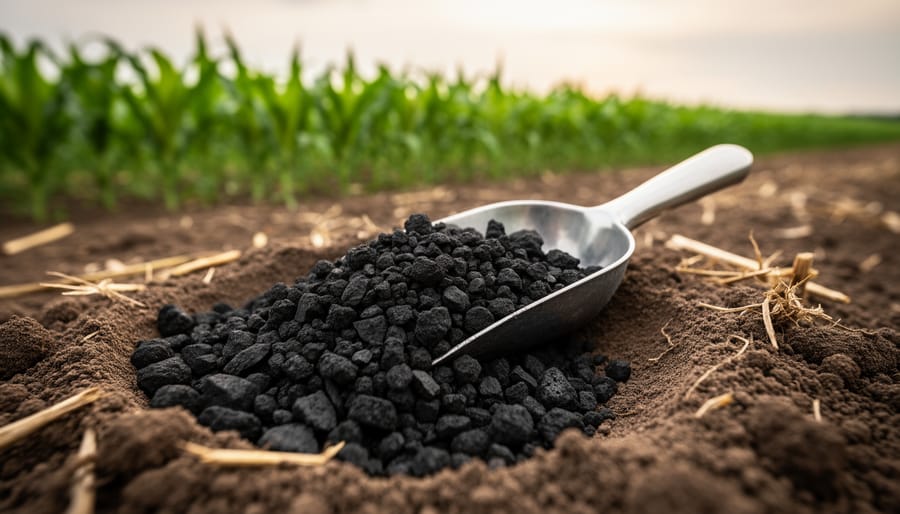
Reduced tillage and organic amendments preserve soil structure and feed microbial communities. No-till or minimum-till systems keep carbon in the ground, improve water-holding capacity, and reduce fuel costs. Adding compost, manure, or biochar boosts organic matter, which directly correlates with nutrient availability and long-term yield stability.
Habitat conservation might seem peripheral, but it’s critical. Leaving wetland buffers, native grassland patches, or flowering strips supports pollinators, natural pest control, and water filtration. These areas enhance provisioning services indirectly by maintaining the ecological processes that sustain crop and livestock productivity. Farms that adopt these approaches often see measurable gains in yield consistency, input efficiency, and resilience to drought or flooding, outcomes documented in agroecology success stories across Canada.
Common Questions About Provisioning Ecosystem Services
Can I actually measure provisioning services on my farm?
Yes, you can track tangible outputs like bushels per acre, livestock weight gain, water volume from dugouts, and cubic metres of timber from shelterbelts. Many farmers already do this through yield records and inventory counts, it’s about recognizing these products as ecosystem services rather than just commodities.
Do provisioning services affect my bottom line?
Absolutely. Every crop, animal product, or resource you harvest and sell is a provisioning service translating into revenue. Strengthening these services through better soil health, water management, and biodiversity typically increases yields, reduces input costs, and opens up new income streams from diversified products.
How do provisioning services relate to carbon programs?
Carbon programs usually focus on regulating services like carbon sequestration, but the practices that enhance those services often boost provisioning capacity too. Cover crops that store carbon also improve soil fertility for your next cash crop. Better grazing management sequesters carbon while increasing forage production and livestock performance.
What’s the difference between provisioning and supporting services?
Provisioning services are the tangible products you harvest: wheat, beef, water, fibre. Supporting services are the ecological processes that make those products possible, like nutrient cycling, pollination, and soil formation. You sell provisioning services; supporting services keep your land productive over time.
Are there grants or incentives available in 2026 for improving these services?
Several federal and provincial programs support practices that strengthen provisioning capacity. Check with Growing Forward programs, the Alberta Agricultural Carbon Program, and regional watershed groups for funding related to diversification, soil health, water conservation, and agroforestry. Your local agricultural fieldman can point you to current opportunities.
Do I need to change my whole operation to benefit?
Not at all. Start small with one practice, such as adding a new crop to your rotation, establishing a shelterbelt for future timber, or improving a dugout for better water supply. Each step strengthens a provisioning service and builds toward a more resilient, productive system.
These questions come up regularly at field days and extension meetings because farmers want practical clarity on how ecosystem thinking fits their day-to-day operations. The good news is that you’re likely already managing provisioning services without calling them by that name. Recognizing food, fibre, water, and genetic resources as services helps you see your farm as an integrated system where investing in ecological health pays dividends across multiple outputs. It also makes it easier to communicate your land stewardship work to buyers, lenders, and programs that value sustainable production.
Understanding provisioning ecosystem services isn’t just an academic exercise. It’s about recognizing the full value your land delivers and managing it to keep those benefits flowing for decades to come. When you see your farm as a living system that produces food, fibre, clean water, and genetic diversity all at once, you open doors to new income streams, stronger resilience against weather extremes, and a more secure future for the next generation.
Start by taking stock of what your land already provides beyond your main cash crop. Are there underutilized corners that could support pollinator habitat, medicinal herbs, or timber? Could better water management create a more reliable irrigation source? Small adjustments often unlock surprising returns.
Diversification strengthens your operation. Farmers who layer multiple provisioning services into their land use report steadier income, healthier soil, and less vulnerability to market swings. These systems also reduce food waste by creating markets for by-products and secondary crops.
You don’t have to reinvent your farm overnight. Connect with Alberta’s agroecology networks, attend field days, and learn from neighbours who’ve integrated livestock, cover crops, or agroforestry. Extension services and research stations offer free resources tailored to our climate and soils.
Your land’s capacity to provide is remarkable. By nurturing those provisioning services today, you’re investing in productivity, profitability, and resilience that will carry your farm well into the future.