# Dam Water Release: What Alberta Farmers Need to Know
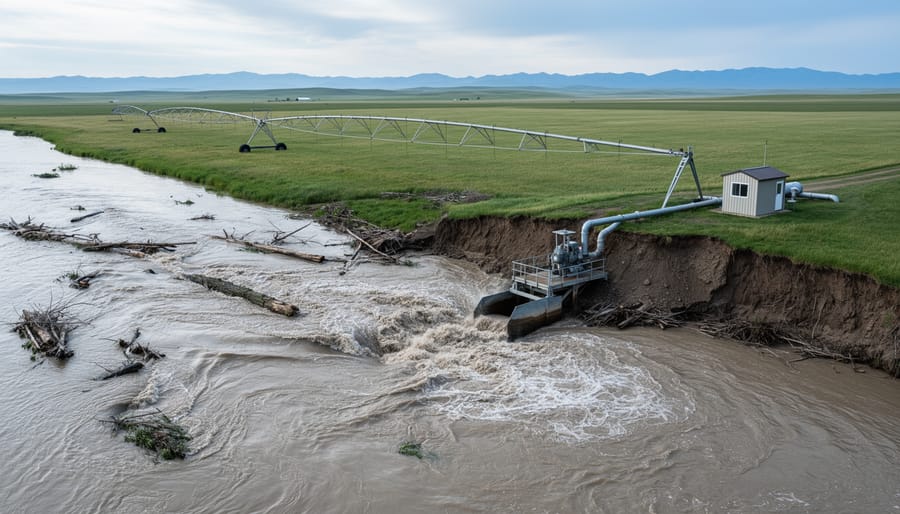
When upstream dams release water suddenly, whether for maintenance, flood control, or removal, your operation faces immediate challenges. Sediment plumes can clog irrigation intakes within hours. Water quality shifts dramatically. Streambank erosion accelerates, threatening riparian grazing areas and infrastructure you’ve invested decades building.
These releases aren’t rare events anymore. Across Canada, aging dam infrastructure and changing environmental policies mean more controlled releases and full dam removals are happening. The Marmot Dam removal on Oregon’s Sandy River mobilized 750,000 cubic meters of sediment downstream in just weeks. Similar projects are underway in British Columbia and Ontario, with Alberta likely to follow as infrastructure ages and restoration priorities shift.
The immediate concern isn’t the water itself, but what comes with it. Sediment loads during releases can spike 50 to 100 times above normal levels. Total suspended solids that usually sit at 20 mg/L can jump to 2,000 mg/L or higher. Your irrigation pumps weren’t designed for that. Neither were your livestock water systems.
Understanding how these events unfold gives you time to protect your operation. Most planned releases follow predictable patterns: initial surges carry the heaviest sediment loads, water quality rebounds within days to weeks, and streambed adjustments continue for months. Effective agricultural water management during these periods means monitoring conditions actively, not just reacting when problems appear.
Alberta’s agricultural community has already weathered major water events, from the 2013 southern Alberta floods to drought-driven reservoir management. Dam releases present similar challenges but with more warning time. That advantage matters if you know what to watch for and how to respond.
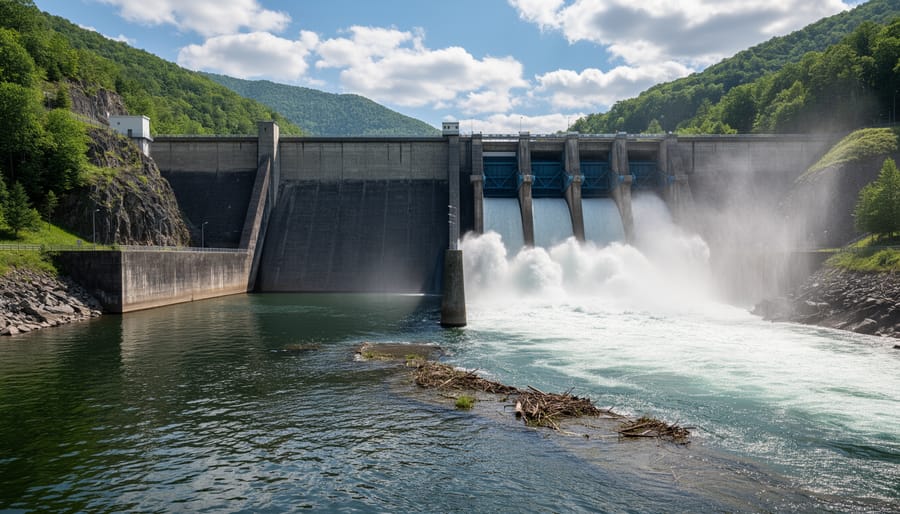
Understanding Dam Water Release Events
Types of Water Releases in Alberta
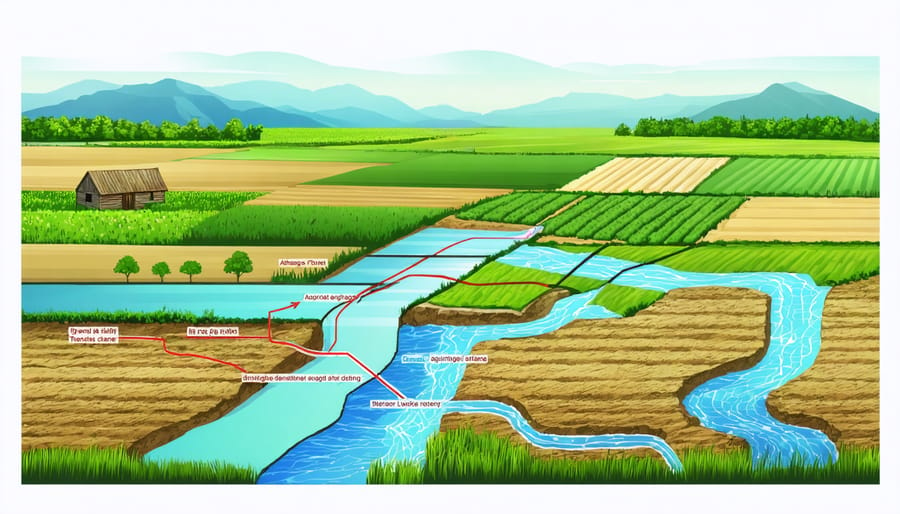
Alberta farmers encounter three distinct types of dam water releases, each with different implications for downstream operations.
**Seasonal irrigation releases** represent the most predictable category. Irrigation districts across southern Alberta conduct controlled releases each spring to fill canals and supply farms throughout the growing season. These planned events follow established schedules, allowing farmers time to prepare pumps and intake systems. The Bow River Irrigation District and St. Mary River Irrigation District typically begin releases in April, gradually increasing flow volumes as crop water demands rise through June.
**Flood management releases** occur when reservoir levels threaten dam safety during heavy precipitation or rapid snowmelt. Provincial authorities may order emergency releases with limited advance notice. The 2013 southern Alberta floods demonstrated this scenario, multiple reservoirs released water simultaneously to prevent structural failure, creating downstream sediment pulses that affected farm water quality for weeks. These unplanned events carry higher sediment loads than routine releases because rapid water movement scours reservoir bottoms.
**Planned dam removal releases** represent a newer category in Alberta’s agricultural landscape. When aging infrastructure requires decommissioning, controlled drawdown releases mobilize decades of accumulated sediment. The Dickson Dam modifications in 2008 provided Alberta farmers with direct experience, operators slowly lowered reservoir levels over months, allowing sediment to settle and water quality to stabilize between release phases. This gradual approach minimizes shock to downstream agricultural users.
Understanding which release type you face determines your response timeline and protective measures.
The Science Behind Sediment Movement
When a dam holds back water for years or decades, sediment that would naturally flow downstream settles behind the barrier instead. Fine silts, clays, and organic matter accumulate in thick layers on the reservoir floor. During a dam water release, whether controlled or uncontrolled, this stored sediment suddenly becomes mobile again.
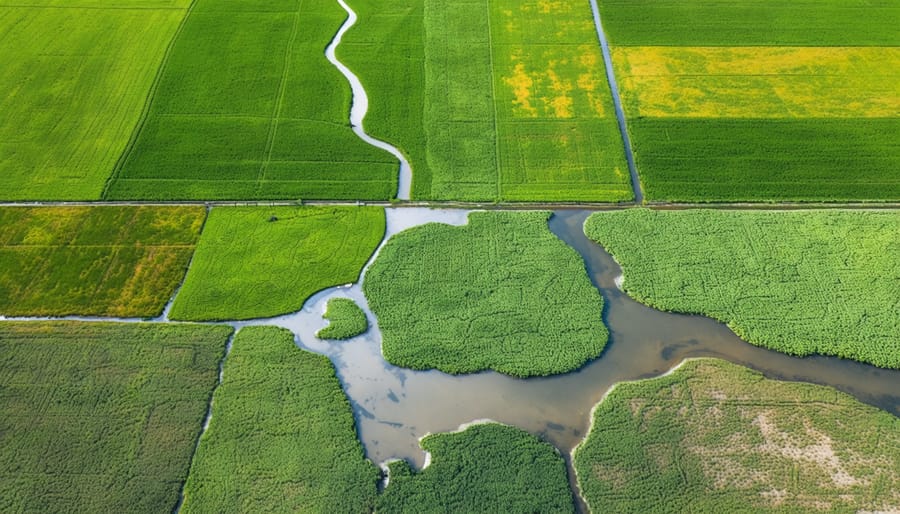
The physics are straightforward: faster-moving water has greater energy to lift and carry particles. When release gates open, the surge of water scours the reservoir bed, suspending sediment that has been stable for years. Prairie river systems like those across Alberta typically carry fine-grained sediments that stay suspended longer than the coarser gravels found in mountain streams. This means a single release event can create turbidity plumes that travel dozens of kilometres downstream.
The amount of sediment mobilized depends on release velocity, duration, and how much material has accumulated. A sudden release from a long-established dam can push years of accumulated sediment downstream in days. Temperature also plays a role, colder water holds more dissolved oxygen, which affects how sediment interacts with nutrients and microorganisms as it moves.
For farmers drawing irrigation water or watering livestock downstream, this translates to murky water that can clog pumps, reduce filtration efficiency, and alter nutrient availability in fields. Understanding river sediment dynamics helps you anticipate when water quality will return to baseline, typically after the initial sediment pulse passes and flow rates stabilize.
Water Quality Impacts on Agricultural Operations
Short-Term Effects on Irrigation Systems
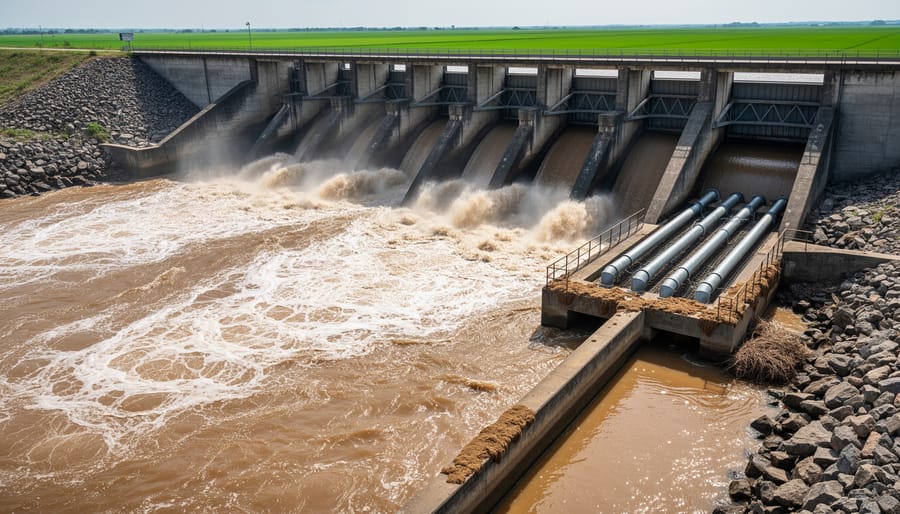
When a dam releases water, Alberta farmers face immediate challenges at their irrigation intakes. The first 24 to 48 hours typically bring the highest sediment loads, creating a cascade of practical problems that can halt irrigation operations if you’re unprepared.
Pump intakes clog quickly when turbidity spikes. Screen filters designed for normal river conditions become overwhelmed by fine sediment particles, reducing flow rates by 50% or more within hours. For vegetable growers relying on drip irrigation, this sediment can completely block emitters. One central Alberta potato farmer reported replacing clogged filters three times in a single day during a 2019 release event, with each changeover costing 90 minutes of downtime during a critical irrigation window.
Centrifugal pumps face accelerated wear from abrasive sediment passing through impellers and seals. The grit acts like sandpaper on metal surfaces, potentially reducing pump lifespan by months with just a few days of operation under high-sediment conditions. Grain farmers using pivot systems see similar wear on sprinkler nozzles, with some experiencing changes in spray patterns that affect application uniformity.
Water temperature changes compound these issues. Released water often runs several degrees cooler than surface temperatures, potentially shocking sensitive crops during hot weather irrigation. Cool water applied during peak heat can stress vegetable transplants and reduce nutrient uptake in the critical root zone.
The timing creates particular stress for specialty crop growers. If a release coincides with flowering in pulse crops or fruit set in vegetables, the inability to irrigate for even two days can reduce yields measurably. Having backup filtration capacity and monitoring turbidity at your intake becomes essential risk management during these events.
Long-Term Water Quality Changes
Dam removal and major water release events can fundamentally reshape the river systems that Alberta farmers depend on for irrigation and livestock watering. Unlike temporary spikes in sediment or turbidity, these large-scale disturbances often trigger lasting changes to water chemistry that persist for years after the initial event.
One of the most significant shifts involves nutrient redistribution. When decades of accumulated sediment move downstream during dam water release operations, they carry phosphorus and nitrogen that had been locked away in reservoir beds. This nutrient pulse can alter the baseline chemistry of your water source, sometimes increasing algae growth in slower sections of rivers and irrigation canals. For farmers drawing water downstream, this may mean adjusting fertilizer applications to account for higher background nutrient levels, or dealing with more frequent algae blooms in holding ponds.
Temperature patterns also shift after major releases. Dams typically release cooler water from lower reservoir depths, but once removed, rivers return to natural thermal cycles with greater seasonal variation. This affects everything from fish populations that control aquatic insects to the efficiency of center-pivot irrigation during hot summer months. Some Alberta producers have reported needing to adjust irrigation timing as their water sources warmed by several degrees following upstream dam removals.
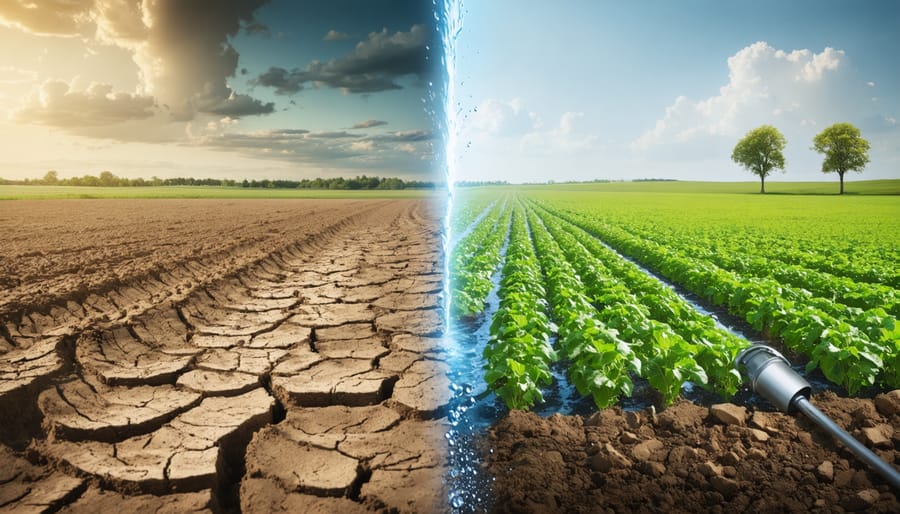
Seasonal flow patterns represent perhaps the most challenging adaptation. Reservoirs smooth out natural peaks and valleys in river flow. After dam water release events associated with removal, farmers often face higher spring runoff and lower late-summer baseflows. This makes irrigation scheduling less predictable and may require investment in additional water storage capacity on your property. Understanding these long-term patterns helps you plan infrastructure upgrades and cropping decisions with realistic expectations about future water availability.
Carbon Dynamics and Sediment Release
Reservoir Sediment as a Carbon Source
When a dam holds back water for years or decades, the reservoir behind it becomes a storage vault for carbon. Organic material, fallen leaves, algae, aquatic plants, and soil washed in from upstream, settles to the bottom and gets buried in layers of sediment. Without much oxygen down there, this organic matter doesn’t fully decompose. Instead, it sits trapped in the mud, building up a concentrated carbon bank that can rival the carbon stored in the surrounding landscape.
The problem starts when a dam water release disturbs these sediments. Whether it’s a controlled drawdown or a sudden release during removal, the sediment that’s been quietly resting for years gets stirred up and pushed downstream. This mobilization does two things that matter for carbon. First, it exposes previously buried organic matter to oxygen and microbes, which can accelerate decomposition and release carbon dioxide into the water and atmosphere. Second, it can trigger methane production in the disturbed sediments, methane is a greenhouse gas roughly 25 times more potent than CO2 over a century.
Research on reservoir carbon storage and emissions shows these pulses can be significant, though the exact amounts depend on reservoir age, sediment depth, and how quickly the release happens. For Alberta farmers managing riparian areas or participating in carbon offset programs, understanding this dynamic matters because a major release upstream can temporarily shift the carbon balance in your watershed, affecting both water quality and the effectiveness of your on-farm sequestration efforts.
Impact on Farm-Level Carbon Management
When sediment and carbon move downstream after a dam water release, they do not just pass through your operation, they interact with the carbon you are actively managing in your fields and riparian areas. The influx of organic carbon and fine sediments can temporarily alter soil chemistry in irrigated fields, potentially affecting microbial communities that drive nutrient cycling and carbon storage. For farmers practicing no-till or cover cropping to build soil organic matter, a sudden pulse of reservoir sediment through irrigation water may introduce different carbon forms that decompose at varying rates compared to the stable carbon you have worked to sequester.
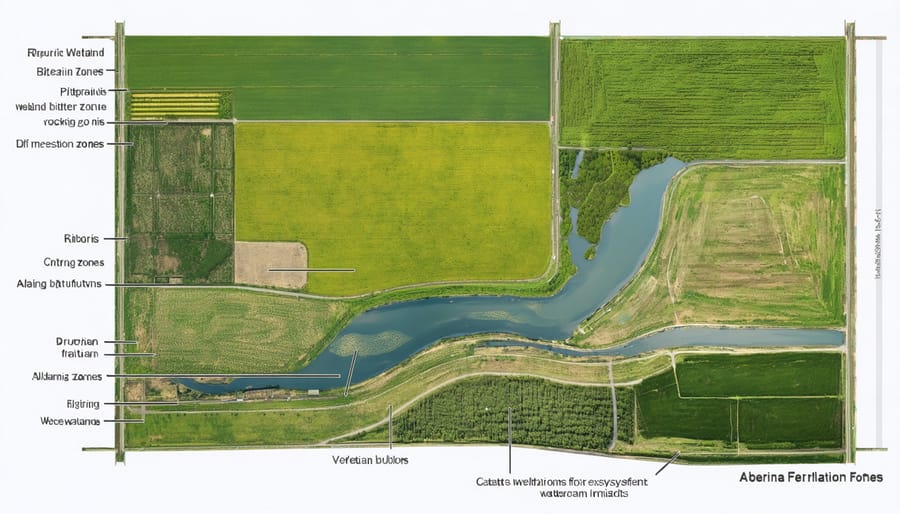
Riparian buffer zones along waterways face perhaps the most direct impact. These vegetated strips are critical for trapping sediment and sequestering carbon, but high sediment loads can smother vegetation or alter soil structure, reducing their effectiveness. If you have invested in riparian plantings as part of your soil and water conservation strategy, monitoring buffer health after major release events helps you identify areas needing restoration. The good news is that sediment deposition, once stabilized, can sometimes enhance long-term carbon storage in these zones if properly managed with appropriate vegetation.
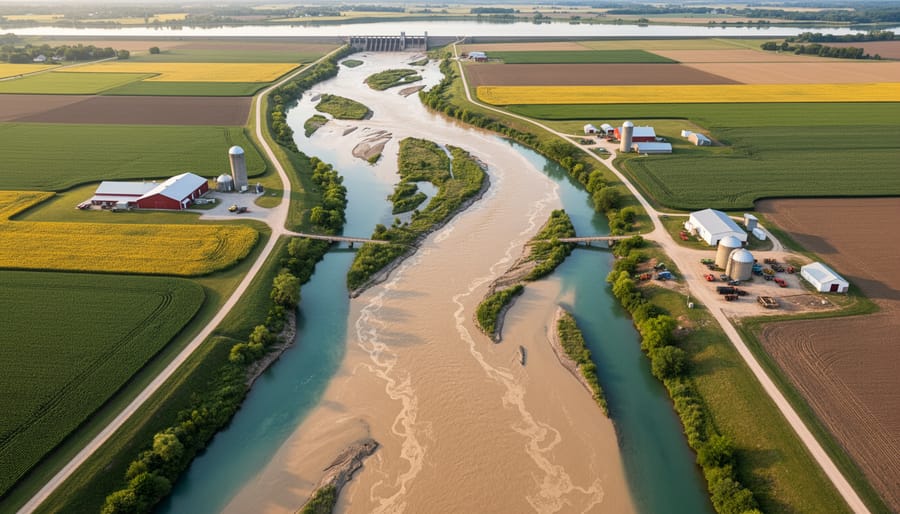
Alberta Case Study: Lessons from Canadian Dam Removal Projects
Interview with Agricultural Water Experts
We spoke with Derek Morrison, Operations Manager at the St. Mary River Irrigation District, who has navigated multiple controlled dam water releases over his 18-year career managing irrigation infrastructure across southern Alberta. His district serves over 140,000 irrigated acres, and he’s witnessed firsthand how these events affect downstream farming operations.
“The biggest mistake I see is farmers assuming they’ll get advance notice,” Morrison explains. “Even with planned releases, weather can force schedule changes. I always tell producers to have their monitoring protocol in place before irrigation season starts, not after they hear about a release.”
Morrison emphasizes that communication channels matter more than sophisticated equipment. “Join your watershed group’s email list. Get the provincial water advisory app on your phone. We send alerts 48 hours before scheduled releases, but emergency releases during June floods might give you six hours at most.”
He recommends farmers establish relationships with their irrigation district before problems arise. “We can provide historical turbidity data for your specific canal section. That baseline tells you what’s normal versus what indicates a major sediment pulse from upstream dam activity.”
When asked about the most practical step farmers can take today, Morrison is direct: “Know your backup water source. Whether that’s a dugout, a different intake point, or reducing your irrigated acres temporarily, have that plan written down. The farmers who weather these events best aren’t necessarily the ones with the fanciest equipment. They’re the ones who planned for disruption.”
His final advice reflects years of practical experience: “These releases are temporary. Protect your infrastructure, keep your livestock safe, and remember that water quality typically stabilizes within 72 to 96 hours after the initial sediment wave passes through.”
Recovery Timeline and Water Quality Restoration
Water quality typically stabilizes within two to six weeks following a controlled dam water release, though recovery timelines vary based on reservoir size, sediment load, and downstream flow conditions. In prairie systems like those across Alberta, turbidity levels often drop to near-baseline within 10 to 14 days as heavier sediment particles settle. Fine clay particles and dissolved nutrients take longer, usually three to four weeks, to return to pre-release concentrations.
Temperature fluctuations normalize fastest, often within 72 hours of release completion. Dissolved oxygen levels recover as turbulence decreases and algae reestablish, typically reaching stable ranges within two weeks. Nutrient spikes from disturbed sediment can persist for a month or longer, potentially affecting irrigation water chemistry.
For irrigation planning, most farmers can safely resume normal operations three weeks post-release, provided turbidity readings stay below 50 NTU. Livestock watering sources usually become suitable again after two weeks, though testing for nitrates and phosphates is prudent before full use. During active releases, weekly water quality monitoring helps track recovery progress and identify when conditions meet your operation’s specific requirements.
Understanding these timelines allows you to schedule irrigation cycles around release events and arrange alternative water sources during peak sediment periods, minimizing crop stress and equipment wear.
Practical Strategies for Farmers During Water Release Events
Monitoring Water Quality on Your Farm
When a dam water release affects your region, knowing what’s actually flowing through your irrigation lines becomes critical. You don’t need a laboratory to track the basics, affordable tools and simple tests can tell you whether your water is safe for crops and livestock.
Start with turbidity, the cloudiness caused by suspended sediment. A Secchi disk (essentially a weighted disk on a string) costs under $30 and provides immediate visual readings. Lower the disk into your irrigation canal or holding pond, if you can’t see it beyond 30 centimeters, sediment levels are likely too high for most irrigation systems. For more precise measurements, handheld turbidity meters start around $150 and give you numerical readings you can track over time.
Temperature matters more than most farmers realize during release events. Cold water released from dam bottoms can shock irrigation systems designed for warmer flows. A simple aquarium thermometer works, but invest in a digital probe thermometer ($50-80) for consistent monitoring at your pump intake.
Basic water quality monitoring should also include pH testing strips (available at farm supply stores for $15-20) and dissolved oxygen test kits ($40-60). Sudden pH swings or oxygen drops signal that released water is carrying different chemistry than your usual supply, which affects nutrient availability and can stress livestock.
Keep a simple log: date, time, turbidity reading, temperature, and any visual observations like color or odor. This record helps you identify patterns, communicate clearly with watershed authorities, and make informed decisions about when to pause irrigation or switch to alternative water sources.
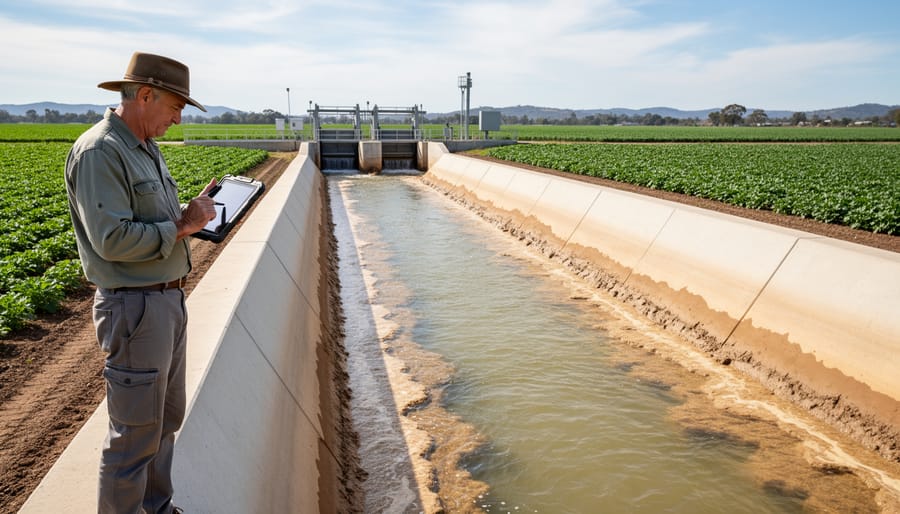
Protecting Livestock and Irrigation Infrastructure
When dam water releases send sediment-laden flows downstream, your first priority is protecting livestock from poor-quality water. Move cattle, sheep, and other animals to alternative water sources, stock tanks filled before the release, dugouts unaffected by the river system, or trucked-in water if necessary. Turbid water isn’t just unpalatable; high sediment loads can cause digestive issues and deter animals from drinking adequately, leading to dehydration during critical periods.
For irrigation infrastructure, shut down pump systems at the first sign of elevated turbidity. Sediment acts like sandpaper on impellers, seals, and valves, causing expensive damage within hours of operation. Install or check screen filters at intake points, and consider raising pump intakes if water levels allow, since sediment concentrations are typically highest near the riverbed. If you must irrigate during a release event, increase filter cleaning frequency and monitor pressure gauges for signs of clogging.
Document any infrastructure damage with photos and notes on timing relative to the water release. This information supports insurance claims and helps watershed authorities understand downstream impacts. Keep communication open with your irrigation district, they can often provide advance warning of sediment pulses and estimated duration, allowing you to plan alternative watering strategies rather than risking equipment failure.
Working with Your Local Watershed Authority
Building strong relationships with your local watershed authority is your best defence when dam water releases affect your operation. In Alberta, irrigation districts and watershed stewardship groups typically receive advance notice of planned releases and can relay this information to their members, but only if you’re connected to their communication networks.
Start by joining your local irrigation district’s mailing list and attending annual general meetings, where release schedules and infrastructure projects are discussed openly. These gatherings offer direct access to water managers who understand the agricultural implications of upstream dam operations. Many districts now use text alert systems for emergency releases, giving you critical hours to adjust intake levels or switch to alternative water sources.
Don’t hesitate to voice your concerns about sediment impacts and irrigation disruptions at watershed planning sessions. Your practical observations, like increased filter clogging or changes in water colour, provide valuable field data that technical staff may not observe from their monitoring stations. Provincial authorities under Alberta Environment and Protected Areas also welcome farmer input on water licence reviews and dam management plans, particularly when agricultural water security is at stake.
Consider forming or joining a local water users’ association if your district lacks one. Collective advocacy carries more weight than individual complaints, especially when negotiating release timing to minimize impacts during critical irrigation periods or livestock watering seasons.
Dam water releases present both challenges and opportunities for Alberta’s agricultural community. While these events can temporarily disrupt irrigation systems and water quality, understanding their role in river ecosystem management helps farmers protect their operations and contribute to long-term water security.
The key to navigating dam releases successfully lies in proactive preparation. Regular water quality monitoring, strong relationships with your irrigation district, and practical contingency plans for livestock and crops will minimize disruption to your farm. These aren’t just reactive measures, they’re investments in operational resilience that pay dividends regardless of upstream water management decisions.
Community collaboration amplifies your capacity to respond effectively. When farmers share information about water conditions, coordinate with watershed authorities, and participate in regional water planning, everyone benefits. Your irrigation district wants to support your needs, but they need your input to make informed decisions during release events.
Consider dam water releases within the bigger picture of watershed health. Healthy river systems with natural sediment transport cycles ultimately support more reliable water supplies for agriculture. The temporary turbidity and sediment movement during releases can actually restore downstream habitat and improve long-term water quality, processes that benefit the entire agricultural landscape.
Alberta farmers have successfully adapted to environmental changes for generations. Dam water releases are one more variable to understand and plan for, not a threat to be feared. By staying informed, monitoring your water sources, and working collaboratively with water managers, you can protect your farm while contributing to sustainable watershed management that secures water resources for future agricultural generations.