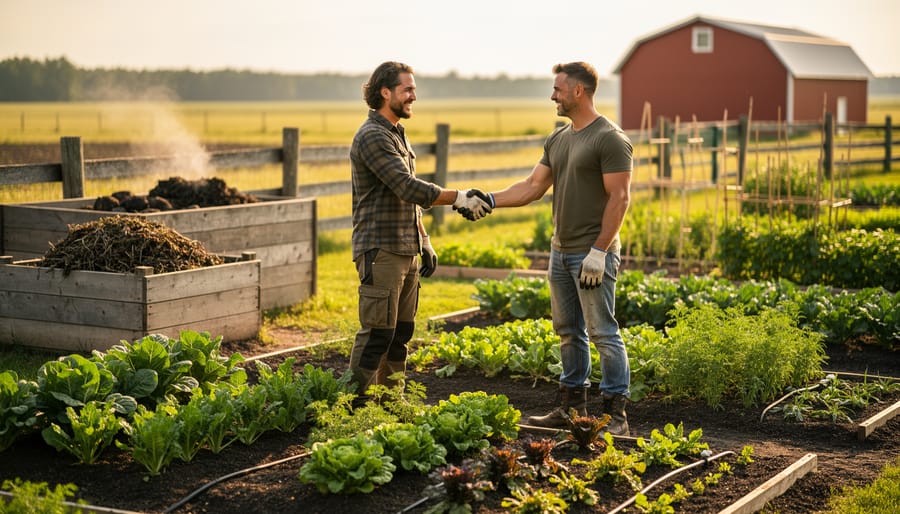
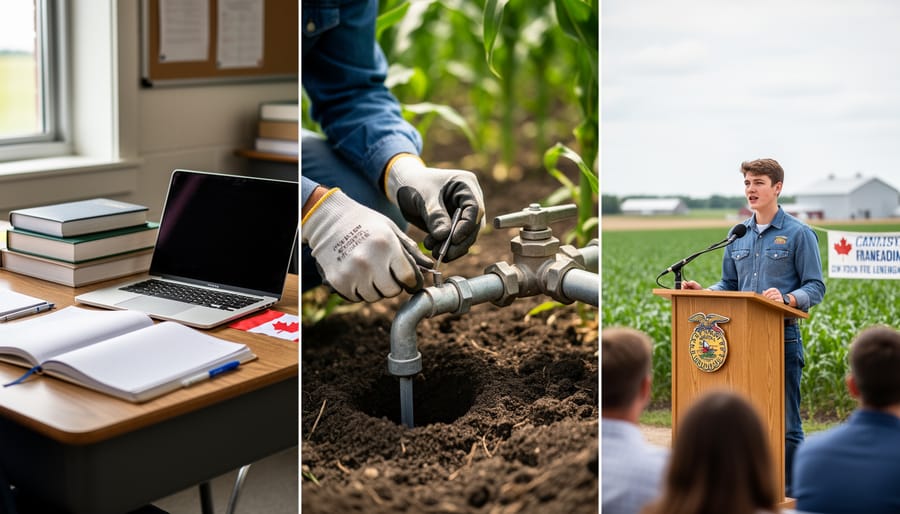
Agricultural education programs in Canada prepare students for careers in farming and food systems through three interconnected components: classroom instruction, Supervised Agricultural Experience (SAE), and FFA leadership development. These components work together to build technical knowledge, hands-on skills, and the advocacy capabilities needed to shape agricultural policy at local, provincial, and national levels.
For Alberta farmers and agricultural professionals looking to strengthen their voice in policy discussions around sustainable agriculture, understanding this three-component model matters now more than ever. As Canadian agriculture faces evolving challenges in 2026, from climate adaptation to market access negotiations, the next generation needs more than textbook knowledge. They need practical experience managing real agricultural projects, the confidence to present ideas to policymakers, and the critical thinking skills to evaluate proposed regulations.
The three-component model differs from traditional academic programs because it treats farm-based learning as equal to classroom study. Students apply scientific principles to their own production projects, whether raising livestock, growing specialty crops, or testing soil conservation techniques. Through FFA participation, they develop public speaking abilities and learn parliamentary procedure, skills that translate directly to presenting at municipal council meetings or agricultural committee hearings.
This integration prepares students to do more than implement best practices on their own operations. It builds the analytical skills to read policy proposals, the communication abilities to explain farming realities to urban legislators, and the leadership experience to mobilize communities around shared agricultural priorities.
The following sections explain what qualifies as each component, how students and adult learners can access these programs, the commitments involved, and where to find support in Alberta’s agricultural education landscape.
What Agricultural Education Programs Are and Why They Matter for Policy Reform
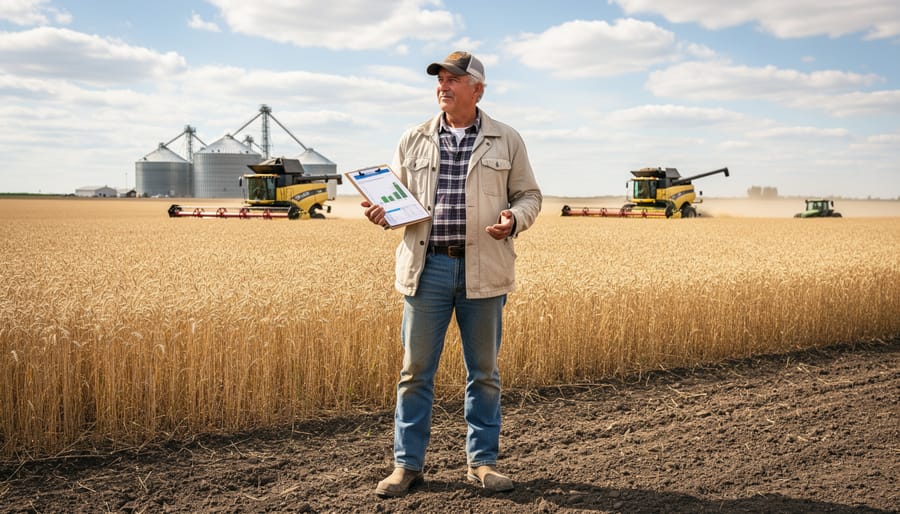
The Three Components Explained
Agricultural education in Canada follows the proven three-component model of instruction that’s been shaping capable advocates and informed decision-makers for decades. Each component builds distinct skills that translate directly into policy engagement capabilities.
The classroom instruction component delivers foundational knowledge in agricultural science, environmental stewardship, business management, and regulatory frameworks. This is where you learn the science behind carbon sequestration, understand soil health metrics, and grasp the economic implications of policy changes. For Alberta farmers engaging with provincial sustainability initiatives, this knowledge base becomes the credibility foundation for advocacy work.
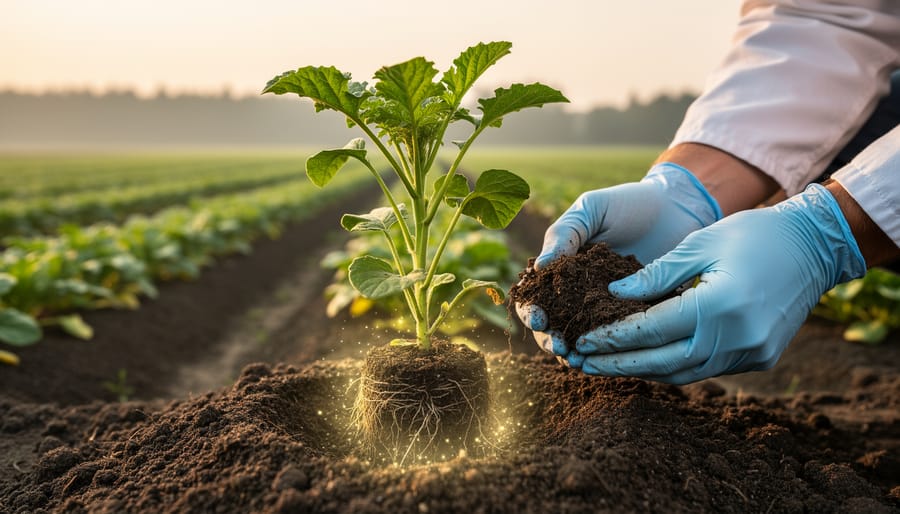
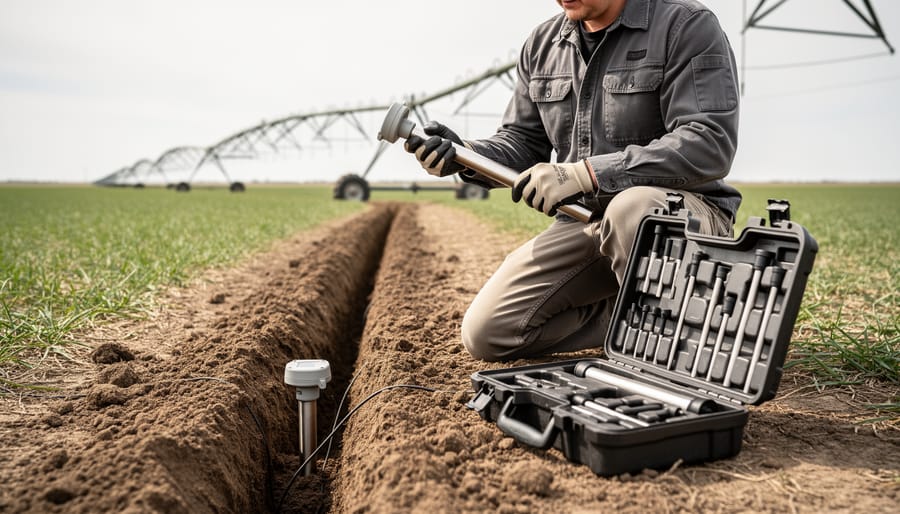
Supervised Agricultural Experience, commonly called SAE, puts theory into practice through hands-on projects. You might test cover cropping methods, implement rotational grazing systems, or document water conservation outcomes on your own operation. These real-world results become powerful evidence when you’re presenting to agricultural boards or responding to proposed regulations. Your data carries weight because it comes from actual farming conditions, not theoretical models.
The leadership component develops your voice and influence. Through agricultural organizations, public speaking opportunities, and community engagement, you build the confidence to address policy makers, represent farmer perspectives at hearings, and mobilize others around shared concerns. This is where technical knowledge transforms into advocacy impact, you learn to communicate complex agricultural realities to audiences who make decisions affecting your livelihood and land.
The Link to Policy Advocacy and Reform
Agricultural education doesn’t just teach farming techniques, it builds the foundation for meaningful farm policy advocacy. When farmers understand the science behind soil carbon sequestration or can articulate the economic impact of regenerative practices, they become credible voices in policy discussions. The three-component model ensures this happens systematically. Classroom instruction provides the technical vocabulary and research literacy needed to read environmental assessments and challenge weak regulations. SAE projects generate real-world data that policy makers can’t ignore, Alberta farmers testing cover crop systems produce evidence that shapes provincial carbon credit programs. Leadership development teaches farmers how to present findings at municipal hearings, draft position papers for industry associations, and build coalitions with environmental groups. This combination transforms individual farmers into informed stakeholders who can negotiate with the Canadian Food Inspection Agency, contribute to Agricultural Policy Framework consultations, and influence how carbon pricing applies to agriculture. Education creates advocates who speak from experience, not ideology.
Who Qualifies for Agricultural Education Programs in Canada
Agricultural education programs in Canada are designed to be accessible across a wide spectrum of participants, from secondary students exploring career paths to established farmers seeking to deepen their policy advocacy capabilities. Understanding who qualifies helps you identify the right entry point for your educational journey.
Secondary and Youth Programs
Traditional agricultural education programs through high schools typically accept students aged 14-18 who are enrolled in secondary education. These foundational programs introduce the three-component model and require no prior farming background, though students with family farm connections often find immediate application for their learning. In Alberta, rural schools with agricultural focuses welcome students from both farming and non-farming families, recognizing that tomorrow’s agricultural advocates come from diverse starting points.
Post-Secondary and Degree Programs
Universities and technical colleges offering agricultural degrees, diplomas, and certificates generally require high school completion and specific prerequisite courses in sciences. Programs at institutions like Olds College or the University of Alberta’s Faculty of Agricultural, Life & Environmental Sciences accept applicants based on academic standing rather than farming experience. These programs suit individuals aged 18 and up who want structured pathways into agricultural careers and policy work.
Professional Development for Practicing Farmers
Continuing education represents the fastest-growing segment of agricultural education in Canada. These programs specifically target working farmers and agricultural professionals who want to enhance their advocacy skills and sustainable practice knowledge without leaving their operations. Eligibility criteria vary by program type:
- Secondary programs: ages 14-18, enrolled in high school, no farming background required
- Post-secondary programs: high school completion, prerequisite courses, open to all backgrounds
- Professional development workshops: current farming operation or agricultural employment, typically no age restrictions
- Community-based learning: Alberta residency often preferred, basic agricultural interest, flexible entry requirements
Alberta’s sustainable agriculture initiatives particularly welcome mid-career farmers looking to integrate carbon-reduction practices and soil health strategies into their operations. Provincial programs through Alberta Agriculture and Irrigation often have geographic requirements favouring Alberta residents, though some accept participants from neighbouring provinces. Time commitment rather than background typically determines eligibility, you need capacity to complete classroom hours, implement an SAE project, and participate in leadership activities.
Age limits rarely apply to adult learners in professional development contexts. Whether you’re a 25-year-old new farm operator or a 60-year-old fourth-generation farmer pivoting toward regenerative practices, Canadian agricultural education programs provide appropriate entry points matched to your experience level and advocacy goals.
How to Apply and Complete an Agricultural Education Program
Finding the Right Program for Your Advocacy Goals
Start by clarifying what you want to accomplish through agricultural education. Are you focused on carbon policy reform, water management regulations, or organic certification standards? Your specific advocacy interests should guide your program selection.
In Alberta, look for programs that integrate sustainable agriculture modules directly into their curriculum. The Olds College Centre for Innovation and Agriculture Excellence, for instance, offers specialized training in environmental stewardship alongside traditional agricultural education. Programs affiliated with the Alberta Institute of Agrologists often include policy literacy components that prepare participants to engage with provincial regulatory bodies.
Evaluate whether programs offer experiential learning aligned with your farm’s operations. A grain farmer advocating for soil carbon credit policies needs different project opportunities than a livestock producer focused on methane reduction strategies.
Check if the program connects students with active advocacy networks. The most effective programs facilitate mentorship from farmers who’ve successfully influenced policy. Contact program coordinators and ask specific questions: Do graduates participate in agricultural policy consultations? Are there partnerships with Alberta Agriculture and Irrigation or environmental advocacy groups?
Consider timing and format. Some programs offer weekend intensives or online modules that accommodate working farmers, while others require full-time commitment during off-season months.
Meeting the Three Component Requirements
Once you’ve selected a program, you’ll need to systematically address each component to complete your agricultural education. Here’s how to tackle each requirement in a way that builds your policy advocacy capabilities.
For classroom instruction, most Canadian programs require 120-240 contact hours spread across one to two years. You’ll attend lectures, workshops, and seminars covering agricultural science, environmental policy, and farm economics. Track your attendance carefully, programs typically require 85% minimum participation. Many Alberta institutions now offer hybrid formats, letting you complete theoretical modules online while reserving in-person sessions for hands-on policy simulation exercises and guest lectures from government advisors.
Your SAE project demands both planning and documentation. Start by identifying a sustainability challenge on your operation, perhaps reducing fertilizer runoff or testing regenerative grazing methods. Write a detailed proposal outlining objectives, methods, timeline, and expected outcomes. Most programs require 300-400 hours of documented work on your project over 12-18 months. Keep a detailed logbook recording activities, observations, data collected, and lessons learned. This documentation becomes invaluable evidence when you’re later advocating for policy changes based on real-world results.
Leadership activities require consistent engagement rather than one-time participation. Join your local agricultural society or commodity group and volunteer for committee work. Present your SAE findings at farmer meetings or regional conferences. Programs typically expect 40-60 hours of documented leadership activities annually. Focus on opportunities that build public speaking skills and policy analysis capabilities, these directly translate to effective advocacy. Attend municipal council meetings addressing agricultural issues, or participate in provincial consultation sessions on environmental regulations.
Component 1: Classroom and Formal Instruction for Policy Understanding

Classroom instruction forms the intellectual foundation of agricultural education, equipping participants with the knowledge to navigate complex policy discussions and environmental regulations. Unlike general agricultural training, policy-focused coursework directly addresses the frameworks, science, and economic principles that shape Canadian agricultural law and sustainable farming initiatives.
The curriculum typically covers four core areas that translate directly to advocacy work. Environmental science courses examine soil health, carbon sequestration, and ecosystem management, knowledge that informs positions on climate policy and conservation programs. Agricultural economics modules analyze market forces, subsidy structures, and the financial impact of regulatory changes, giving farmers the data literacy to challenge or support proposed policies. Regulatory frameworks courses break down existing legislation, from federal environmental standards to provincial land-use regulations, so participants understand what they’re working to change. Climate science instruction provides the scientific grounding needed to engage credibly with government bodies on carbon reduction targets and adaptation strategies.
| Subject Area | Policy Relevance | Advocacy Application |
|---|---|---|
| Environmental Science | Carbon policy, conservation programs | Presenting soil carbon practices to regional boards |
| Agricultural Economics | Subsidy reform, market regulation | Cost-benefit analysis of proposed legislation |
| Regulatory Frameworks | Compliance standards, land use | Identifying gaps in existing environmental laws |
| Climate Science | Emission targets, adaptation funding | Supporting drought resilience and smart water management policies |
Canadian institutions deliver this content through various formats. Olds College in Alberta offers specialized sustainable agriculture courses that combine policy analysis with hands-on farming techniques. The University of Alberta’s Faculty of Agricultural, Life and Environmental Sciences runs certificate programs in agricultural leadership that include regulatory modules. These programs often bring in guest lecturers from Agriculture and Agri-Food Canada and provincial departments, giving students direct exposure to the policy-making process and the people who shape it.
Component 2: Supervised Agricultural Experience (SAE) and Real-World Application
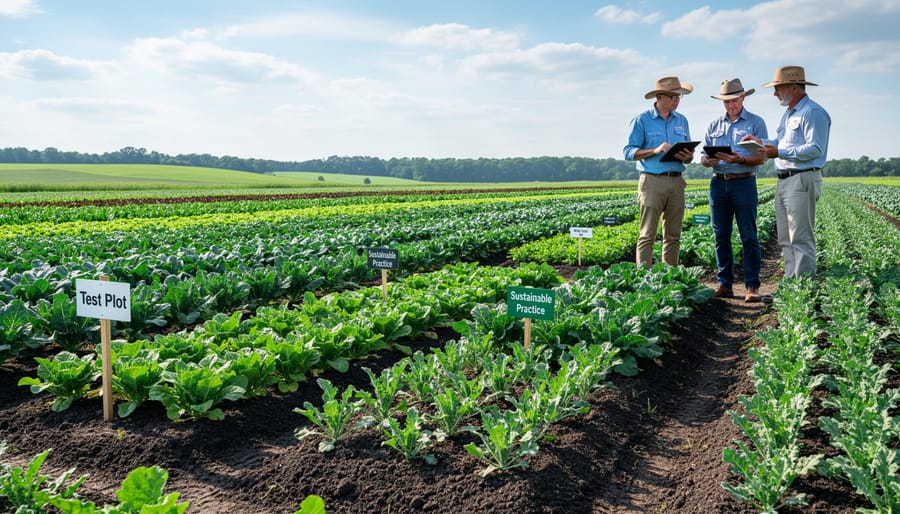
Alberta Case Study: Carbon-Reducing SAE Projects
In 2024, a group of young farmers from the Lacombe region collaborated through Olds College’s agricultural program to implement carbon-sequestration trials on family operations. Their SAE projects focused on testing cover crop systems and reduced-tillage practices across diverse soil types common to central Alberta’s parkland zone.
Each participant established control plots and experimental zones, meticulously tracking soil carbon levels, fuel consumption, and crop yields over two growing seasons. The farmers documented their methodology, challenges with equipment adaptation, and financial implications of transitioning practices. They shared raw data through monthly peer reviews, refining their approaches based on collective observations.
In early 2025, the group presented consolidated findings to the Red Deer County Agricultural Service Board, demonstrating measurable carbon reduction without yield penalties. Their evidence directly influenced the board’s recommendations for provincial carbon offset program eligibility criteria. The presentation included cost-benefit analyses that addressed concerns from conventional farmers hesitant about practice changes.
This real-world application exemplifies how SAE projects generate credible, locally-relevant data that carries weight with decision-makers. The farmers gained advocacy credibility while contributing practical evidence to regional policy discussions around agricultural carbon management.
Component 3: Leadership Development and Advocacy Training

Leadership development forms the third pillar of agricultural education, transforming technical knowledge into actionable advocacy. This component trains participants to represent farming communities in policy discussions, present evidence-based proposals to government bodies, and mobilize support for sustainable agriculture initiatives.
Agricultural organizations provide the primary training ground. Programs like the Alberta Young Farmers and Ranchers Association offer structured leadership tracks where participants learn committee work, run meetings, and develop policy positions. Members practice drafting position papers on issues like carbon credit systems and presenting them to municipal councils or provincial agricultural departments. This hands-on experience builds the confidence needed to address decision-makers effectively.
Public speaking skills receive dedicated attention through workshops and real-world practice. Participants learn to distill complex agricultural science into clear messages for diverse audiences, from fellow farmers to urban policymakers who may lack farming backgrounds. Many programs include media training, teaching participants to handle interviews about controversial topics like pesticide regulations or water allocation without becoming defensive or overly technical.
Community engagement activities extend leadership development beyond formal settings. Organizing local field days, hosting soil health demonstrations, or coordinating farm tours for legislators all build organizational skills while strengthening rural networks. These activities create the social capital essential for grassroots advocacy campaigns.
Dr. Maria Chen, agricultural education specialist at the University of Alberta, emphasizes deliberate practice: “Effective advocates aren’t born; they’re trained through repeated exposure to increasingly challenging scenarios. We simulate contentious town halls, hostile questioning, and coalition-building exercises because these reflect real advocacy environments.”
Formal advocacy training modules cover stakeholder analysis, coalition building, and strategic communication. Participants learn to identify allies across the agricultural spectrum, from organic producers to conventional grain farmers, and find common ground on policy priorities. Understanding legislative processes, from how bills move through provincial parliaments to federal consultation periods, ensures advocates engage at the right moments with the right messages.
Your Rights and Obligations as a Program Participant
When you enrol in an agricultural education program in Canada, you enter into a structured learning partnership with clear expectations on both sides. Understanding what you’re entitled to and what’s required of you helps ensure you get maximum value from the experience while contributing meaningfully to your cohort and the broader agricultural education community.
What You’re Entitled to Receive
Quality instruction forms the foundation of your rights as a participant. Programs must provide qualified instructors with current knowledge of sustainable agriculture practices, access to up-to-date curriculum materials, and safe learning environments whether in classrooms, labs, or field settings. You’re also entitled to reasonable accommodations for documented disabilities and clear communication about program requirements, schedule changes, and assessment criteria.
Mentorship represents another core right. Most programs assign experienced agricultural professionals or educators to guide your SAE project development, provide career advice, and help you connect classroom learning to real-world farming challenges. In Alberta programs specifically, mentors often have expertise in sustainable practices relevant to prairie agriculture.
- Right to quality instruction and safe learning environments; obligation to attend scheduled sessions and complete coursework on time
- Right to qualified mentorship and project guidance; obligation to communicate regularly with mentors and implement their feedback
- Right to certification upon successful completion; obligation to meet all three component requirements and maintain ethical standards
- Right to retain intellectual property from your SAE research; obligation to acknowledge institutional support and follow ethical research protocols
Your Responsibilities as a Participant
Time commitment varies by program but typically ranges from 120 to 180 hours annually for the classroom component alone. SAE projects demand additional time throughout the growing season. You’re expected to manage these commitments alongside your farming operations without compromising either.
Project completion requires documenting your SAE work through journals, financial records, and outcome reports. These records aren’t just academic exercises, they become valuable evidence when you’re advocating for policy changes based on your findings.
Ethical conduct matters especially when your research might inform advocacy positions. This means accurate data recording, honest reporting of both successes and failures, and transparency about funding sources or potential conflicts of interest. If your SAE project tests a new carbon reduction technique, for instance, your findings carry more weight in policy discussions when backed by rigorous, ethical documentation.
Intellectual property rights generally favour participants. You own the data and findings from your SAE projects, meaning you can present them to agricultural boards, publish results, or use them in advocacy work. However, you must acknowledge any institutional support, co-investigators, or funding sources when sharing your research publicly.
Where to Get Help and Resources
Navigating agricultural education programs is easier when you know where to find support. Several established organizations provide guidance, funding, and mentorship for Canadian farmers pursuing education in sustainable agriculture and policy advocacy.
Key Organizations and Resources
- Agriculture and Agri-Food Canada (AAFC), Federal programs, research funding, and policy resources for agricultural education initiatives
- Alberta Agriculture and Irrigation, Provincial extension services, funding programs, and connections to local agricultural education opportunities
- Olds College Centre for Innovation, Agricultural training programs with emphasis on sustainable practices and leadership development
- Canadian Agricultural Human Resource Council, Grants, scholarships, and workforce development programs for agricultural education
- Alberta Federation of Agriculture, Advocacy training, policy workshops, and mentorship networks for farmers engaging in reform discussions
- Farm Credit Canada (FCC), Educational scholarships and leadership development programs for young and established farmers
- Growing Forward and Sustainable Canadian Agricultural Partnership programs, Federal-provincial funding for skills training and innovation projects
These resources connect you with instructors, fellow farmers, and policy experts who understand the intersection of education and advocacy. Many offer free consultations to help you identify programs aligned with your goals, whether you’re new to farming or seeking advanced training in environmental policy. Provincial agricultural fieldmen can also direct you to regional opportunities specific to your area’s needs. Don’t hesitate to reach out, these organizations exist precisely to support farmers investing in education and sustainable agriculture leadership.
Frequently Asked Questions About Agricultural Education Programs and Policy Advocacy
How long does it take to complete an agricultural education program?
Most comprehensive programs require one to four years depending on the level, with part-time options allowing working farmers to study around their operational schedules. Certificate programs may take as little as six months, while diploma and degree programs extend to two to four years.
What do agricultural education programs typically cost in Alberta?
Costs vary widely from subsidized short courses at a few hundred dollars to full degree programs ranging from $4,000 to $8,000 annually at provincial institutions. Many Alberta farmers access funding through agricultural training grants, youth programs, or industry scholarships that reduce out-of-pocket expenses significantly.
Can I balance program participation with running my farm operation?
Yes, most programs offer flexible scheduling with evening classes, online modules, and condensed field schools during slower agricultural periods. The SAE component actually integrates with your existing operation, letting you apply coursework directly to your land and practices.
Does completing an agricultural education program actually give me influence in policy discussions?
Education credentials strengthen your credibility when presenting to government committees, industry boards, and environmental agencies. You gain the technical vocabulary, data interpretation skills, and documented field experience that policy makers respect, plus connections to advocacy networks that amplify your voice.
Are these programs recognized by provincial and federal agricultural departments?
Programs accredited through provincial education systems and affiliated with agricultural colleges carry official recognition. Graduates often serve on advisory committees, participate in consultation processes, and contribute to policy development frameworks at both levels of government.
Will the program address sustainable agriculture and environmental policy specifically?
Most current curricula include substantial content on carbon management, soil health, water stewardship, and regulatory compliance tied to climate initiatives. Alberta-based programs increasingly focus on these topics given provincial priorities around emissions reduction and regenerative practices.
What if I don’t have formal education beyond high school?
Entry requirements vary, but many programs welcome mature students with farm experience regardless of prior education. Bridging courses can fill any gaps, and your practical knowledge often counts toward admission or advanced standing in applied programs.
The answers to these practical questions reveal a consistent theme: agricultural education has adapted to meet working farmers where they are. Programs recognize that your on-farm expertise is valuable, your time is limited, and your interest lies in tangible outcomes rather than academic credentials for their own sake. This pragmatic approach means participation becomes an extension of your farming practice, not a departure from it. The advocacy skills you develop emerge naturally from solving real problems on your own land, then sharing those solutions with peers and policy makers who face identical challenges across Alberta’s diverse agricultural regions.
Agricultural education isn’t just about learning, it’s about transforming knowledge into action that shapes the future of Canadian farming. The three-component model creates a foundation where classroom understanding meets hands-on experimentation and leadership development. When you combine theoretical knowledge of soil carbon cycles with field trials testing cover crop methods, then present those findings to your regional agricultural board, you’re doing more than farming. You’re building the evidence base that informs environmental policy.
Alberta’s agricultural landscape needs advocates who speak from experience, not theory. Completing an agricultural education program gives you that credibility. Policy makers listen when you can explain both the science behind regenerative practices and the economic realities of implementing them on working farms. Your SAE projects become case studies. Your leadership experience translates to confident testimony at public consultations. Your classroom learning provides the vocabulary to engage with researchers and regulators on equal footing.
The investment pays dividends beyond your own operation. Every farmer who completes these programs strengthens our collective voice on climate adaptation funding, water management regulations, and market access for sustainable products. Your education ripples outward, through your community, into policy discussions, and ultimately into provincial and federal agricultural frameworks that recognize practical innovation alongside environmental stewardship.
Start where you are. Identify one program that aligns with your advocacy goals, and take the first step toward shaping agricultural policy rather than simply responding to it.