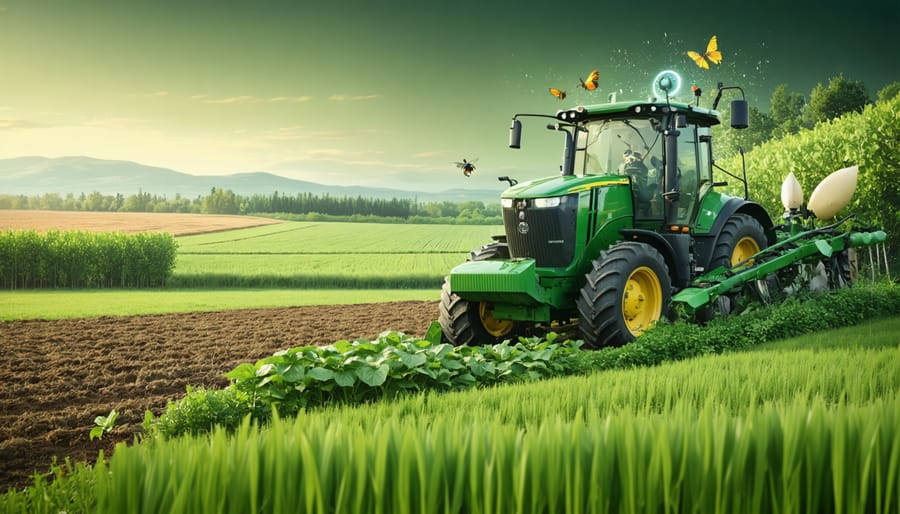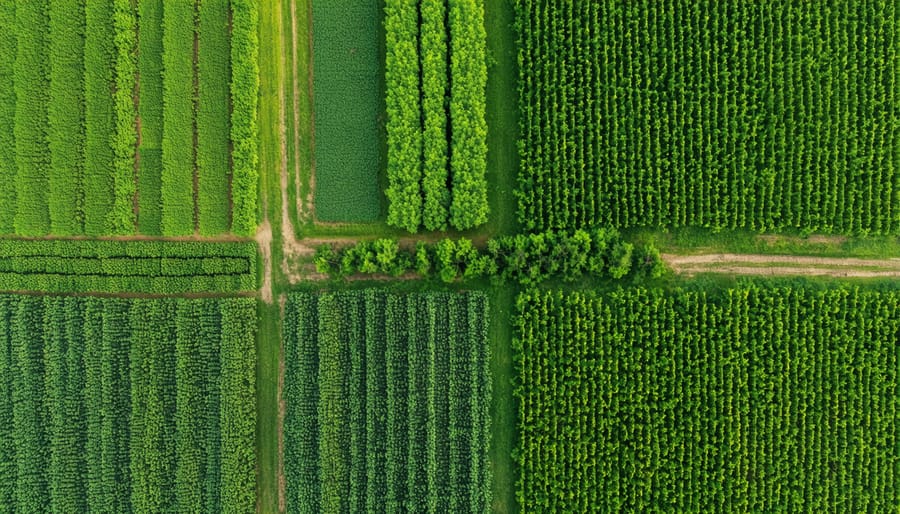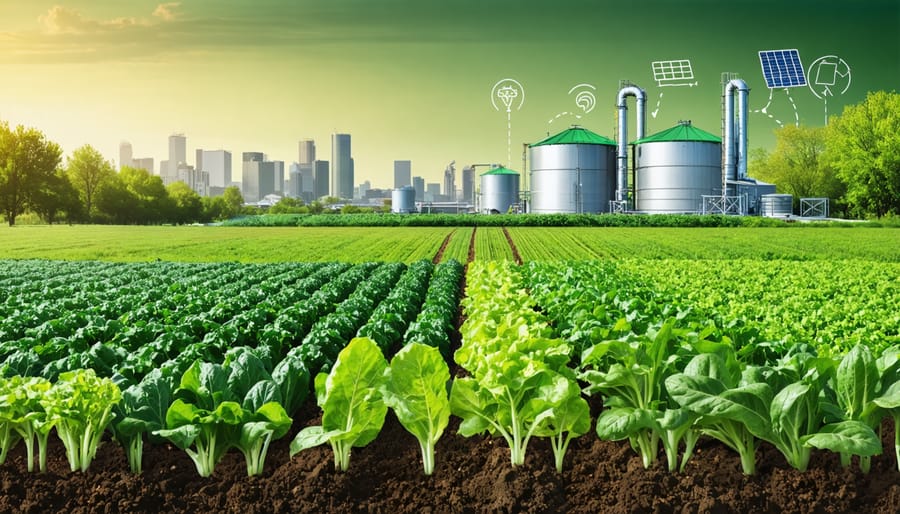
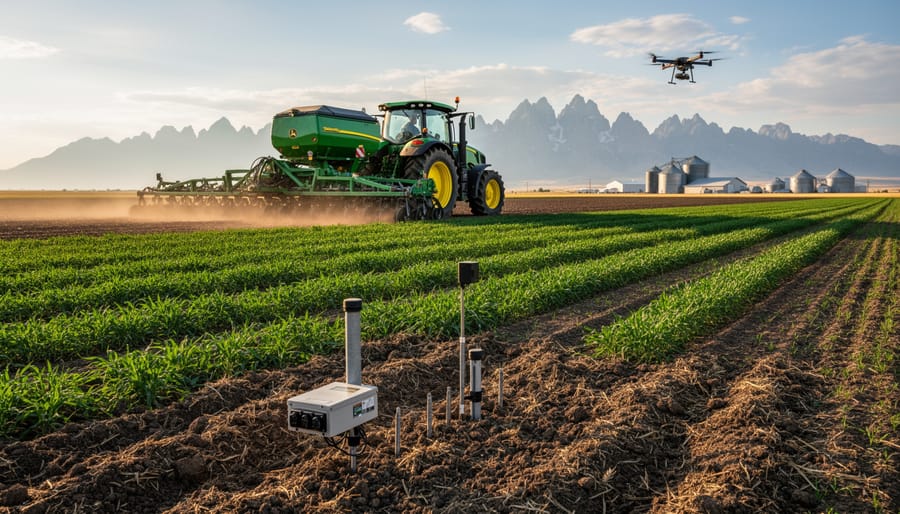
Canadian farms face mounting pressure to produce more food with fewer resources while protecting soil health for future generations. The innovations transforming Canadian agriculture offer practical solutions that boost yields, cut costs, and reduce environmental impact—without requiring massive capital investments or complete operational overhauls.
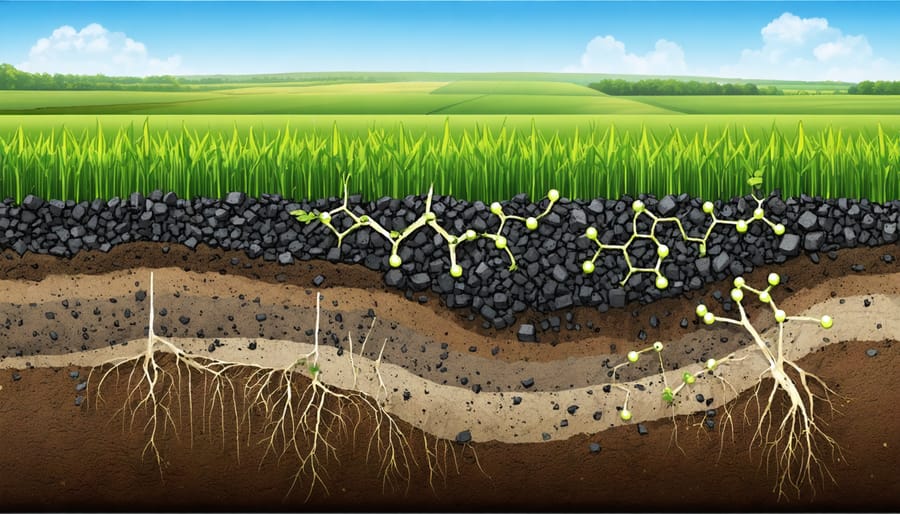
Precision agriculture tools now allow Alberta producers to apply fertilizer only where crops need it, reducing input costs by 15-30% while maintaining or improving yields. Variable rate technology maps field conditions down to square-metre accuracy, delivering nutrients based on real soil data rather than field averages. Meanwhile, regenerative practices like cover cropping and reduced tillage rebuild organic matter while slashing fuel expenses by up to 50%.
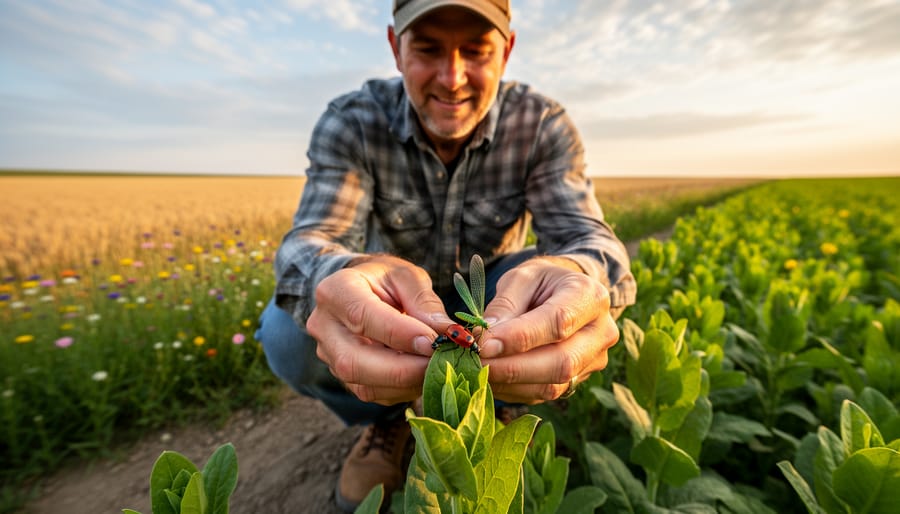
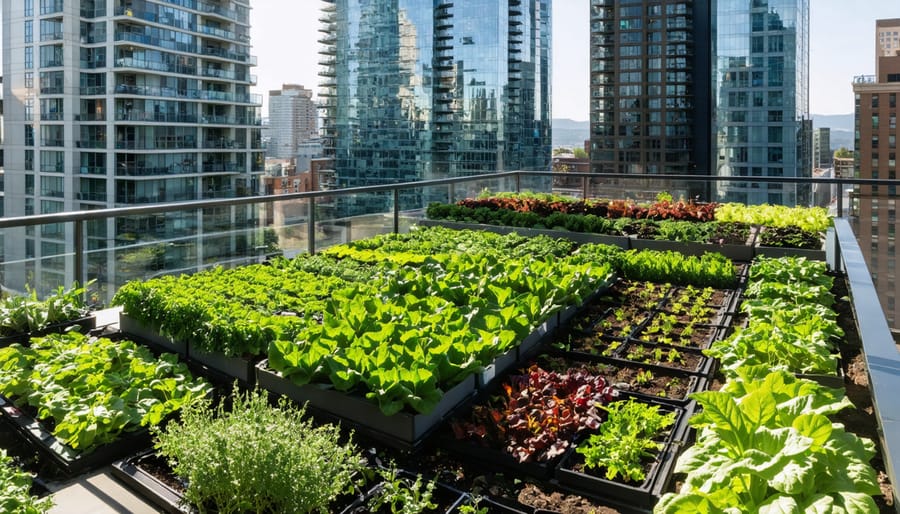
Vertical farming systems and controlled environment agriculture extend growing seasons in our short Prairie climate, creating year-round production opportunities previously impossible in Zone 3 conditions. Biological pest management reduces chemical dependency while protecting beneficial insects that support long-term farm resilience.
These technologies work together, not in isolation. A mid-sized grain operation near Lethbridge recently combined GPS guidance with soil sensors and variable rate seeding, recovering implementation costs within two seasons through reduced overlap and optimized seed placement. The path forward requires neither abandoning traditional wisdom nor adopting every new technology—just strategic integration of proven innovations matched to your operation’s specific needs and goals.
Why Innovation Matters for Alberta’s Agricultural Future
The Climate Reality Alberta Farmers Face
Alberta’s agricultural landscape is experiencing measurable shifts that directly impact your day-to-day operations. Over the past three decades, the province has seen average temperatures rise by approximately 1.5°C, with the most significant increases occurring during winter and spring months. This warming trend has extended the frost-free period by roughly 10-15 days in many regions, fundamentally altering traditional planting and harvesting schedules.
Precipitation patterns have become increasingly unpredictable across the prairies. While annual totals haven’t changed dramatically, the distribution has shifted, with more intense rainfall events followed by longer dry spells. Southern Alberta experienced severe drought conditions in 2021 and 2023, while other years brought excessive spring moisture that delayed seeding operations by weeks.
These changes create both challenges and opportunities. The longer growing season allows for exploration of crop varieties that previously wouldn’t mature in our climate. However, increased temperature variability during critical growth stages can stress traditional crops like canola and wheat. Local farmers are also reporting earlier pest emergence and new insect species migrating northward, requiring adjusted management strategies. Understanding these realities is the first step toward implementing innovations that build resilience into your operation while maintaining productivity and profitability.
Economic Pressures Driving Change
Canadian farmers today face unprecedented financial pressures that make innovation more than just an option—it’s becoming essential for survival. Fertilizer costs have surged by over 30% in recent years, while fuel prices remain volatile, directly impacting operational budgets across Alberta and beyond. These rising input costs squeeze profit margins tighter each season, particularly for grain and canola producers who rely heavily on these inputs.
Market competition adds another layer of complexity. Global agricultural markets demand higher quality products at competitive prices, while consumer preferences shift toward sustainably produced food. Farmers competing internationally need every efficiency advantage available.
The economics are straightforward: precision agriculture technologies that reduce fertilizer application by even 15% can save a mid-sized operation $15,000-$30,000 annually. When Derek Johnson, a fourth-generation farmer near Red Deer, implemented variable rate technology on his 800-hectare operation, he reduced input costs by 18% in the first year alone while maintaining yields.
Labour shortages compound these challenges, with fewer workers available during critical planting and harvest windows. Technologies that automate tasks or improve efficiency per worker-hour directly address this gap. The financial case for innovation isn’t about chasing trends—it’s about maintaining profitability in an increasingly challenging economic environment.
Precision Agriculture: Farming with Data and Purpose
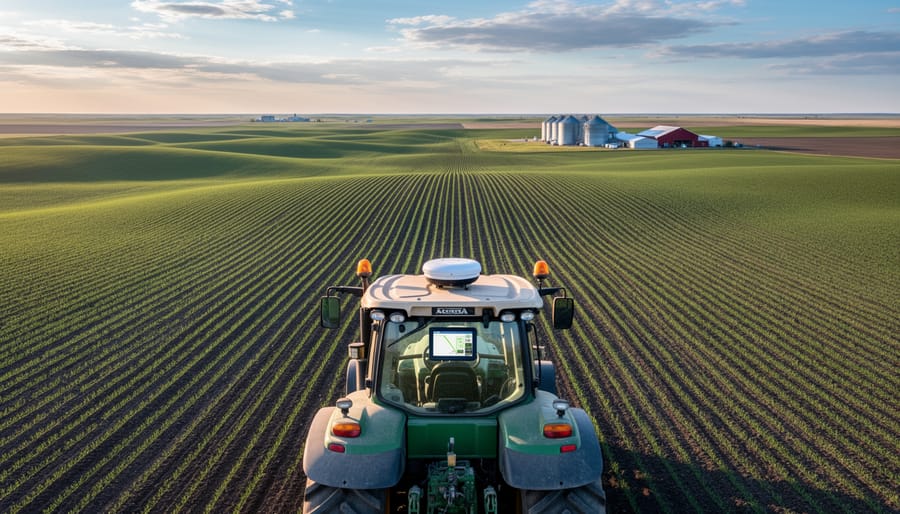
GPS-Guided Equipment That Pays for Itself
GPS-guided equipment transforms how Canadian farmers manage their fields, delivering measurable returns through precision that manual operation simply can’t match. By eliminating overlap during seeding, spraying, and fertilizing, GPS systems typically reduce input costs by 5-15% while cutting fuel consumption by similar margins.
Consider Alberta farmer Mike Thompson’s experience with his 1,200-hectare grain operation near Lethbridge. After installing GPS guidance on his sprayer and air seeder, he documented annual savings of $18,000 in reduced seed and chemical overlap, plus $4,500 in fuel costs. His initial investment of $35,000 paid for itself in under two years, and he now operates more efficiently during those critical tight planting windows when every hour counts.
The technology works by maintaining centimetre-level accuracy across your entire field, automatically steering equipment along predetermined paths. This precision means you’re applying inputs exactly where needed, nothing more. For mid-sized operations between 400-2,000 hectares, the math usually works favourably, especially when factoring in reduced operator fatigue and the ability to work effectively in low-visibility conditions.
Starting with GPS doesn’t require outfitting your entire fleet immediately. Many Alberta farmers begin by installing an autosteer system on their highest-use implement, typically the sprayer or primary tillage equipment. This staged approach spreads the investment while you learn the system and quantify your specific savings. Most equipment dealers offer demo periods, letting you test accuracy and compatibility before committing. Look for systems compatible with multiple implements to maximize flexibility as your precision agriculture journey evolves.
Soil Sensors and Variable Rate Technology
Modern soil sensors and variable rate technology represent a significant shift from traditional blanket application methods, allowing you to apply inputs precisely where they’re needed. These systems use real-time data to optimize both resource use and crop performance across your fields.
Soil moisture sensors work by measuring water content at various depths, transmitting data wirelessly to your phone or computer. This information helps you irrigate only when necessary, reducing water waste by up to 30% while maintaining optimal growing conditions. Variable rate application systems take this further by adjusting fertilizer, seed, and chemical applications based on soil test results and yield maps from previous seasons.
Mark Peterson, who farms 800 hectares near Red Deer, Alberta, installed soil sensors throughout his wheat and canola fields in 2021. “The first season, I reduced my water costs by 25% and saw more uniform crop emergence,” he explains. “By year two, the system had paid for itself through saved inputs and a 12% yield increase in my canola.”
Implementation typically follows three steps. First, conduct detailed soil sampling to establish baseline conditions across management zones. Second, install sensors strategically in representative areas of each zone. Third, integrate the data with your existing equipment or upgrade to variable rate controllers.
Initial investment ranges from $15,000 to $40,000 depending on field size and system complexity. Most Alberta producers report achieving positive ROI within 18 to 36 months through reduced input costs and improved yields. Government programs like the Canadian Agricultural Partnership often provide cost-share funding for precision agriculture adoption, making the technology more accessible for operations of all sizes.
Canadian Case Study: Precision Agriculture in Southern Alberta
When Mark Petersen’s family farm near Lethbridge faced declining canola yields and rising input costs in 2019, he knew something had to change. After attending a regional ag-tech workshop, Mark invested in variable rate technology and soil mapping across his 800-hectare operation. The initial challenge was significant—implementing GPS-guided equipment and learning new software required both capital investment ($45,000) and a steep learning curve. Mark partnered with a local agronomist to interpret soil data and create prescription maps for fertilizer application.
By the second season, results became measurable. Canola yields increased by 12 percent in previously underperforming zones, while nitrogen fertilizer use dropped 18 percent overall. After three seasons, Mark reports savings of approximately $28,000 annually in input costs alone. Beyond the numbers, he values the reduced environmental footprint and ability to make data-informed decisions. His advice to fellow producers: start small with one field, connect with other farmers using similar technology, and don’t hesitate to ask questions. The technology pays for itself, but community support makes adoption manageable.
Regenerative Practices Building Resilient Soil
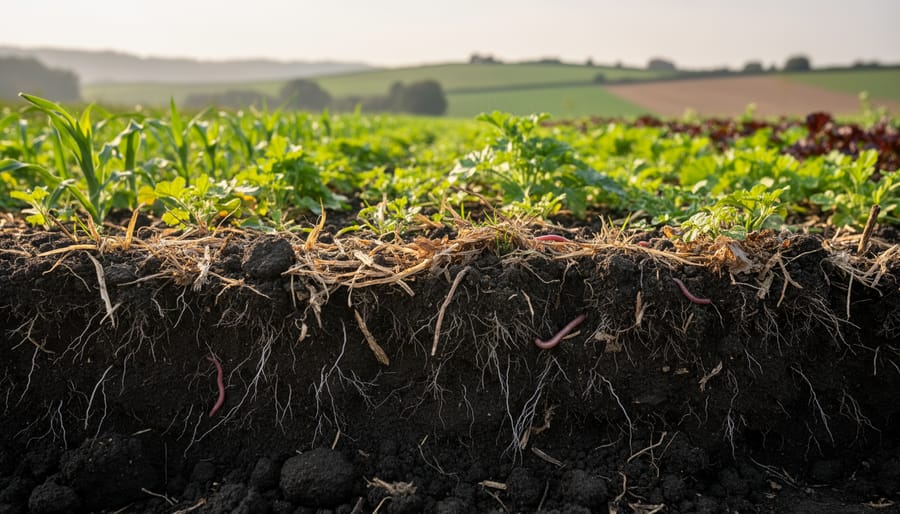
Cover Cropping for Canadian Growing Seasons
Cover cropping offers Alberta farmers a practical way to improve soil health during the off-season, but success depends on choosing the right species and timing for our shorter growing season. In central Alberta, producers typically have a 90-120 day window between harvest and freeze-up, making species selection critical.
For spring seeding before cash crops, consider fast-establishing options like oats or field peas, which can be terminated mechanically or with herbicides 2-3 weeks before planting. After harvest in late summer, your best choices include winter-hardy cereals like fall rye or winter wheat, which establish quickly and survive Alberta winters to provide early spring growth.
Red Deer farmer James Mitchell shares his experience: “We started with simple oat cover crops after barley harvest. Even with just 45 days of growth before snow, we noticed improved soil structure the following spring.” His farm now uses a mix of oats, radishes, and hairy vetch, which he terminates in May using a roller-crimper before direct seeding canola.
Timing termination correctly is essential. Spring termination should occur when cover crops reach the boot stage for cereals or early flowering for legumes, typically 10-14 days before seeding your cash crop. This allows sufficient decomposition time while maximizing biomass production. Monitor soil moisture carefully, as cover crops can reduce available water if terminated too late.
No-Till and Reduced Tillage Systems
Transitioning to no-till systems requires careful planning, but the long-term benefits for soil health and carbon sequestration make it worthwhile for many Alberta operations. Start by reducing tillage gradually rather than making an abrupt switch. Many farmers find success beginning with 25-50% of their acreage, learning as they go.
Equipment considerations are crucial. You’ll need a quality no-till drill or air seeder capable of cutting through residue and placing seed at consistent depths. Row cleaners and closing wheels become essential tools. While the initial investment ranges from $50,000 to $200,000 depending on scale, reduced fuel and labour costs offset these expenses over time.
The first three seasons present the steepest learning curve. Expect some yield variability as soil biology adjusts and you fine-tune residue management. Successful early adopters recommend increasing seeding rates by 10-15% initially and paying close attention to seed-to-soil contact. Herbicide strategies will shift since you’re no longer using tillage for weed control.
Connect with other farmers through regional conservation groups or Alberta’s Farming Smarter organization. Their experiences managing specific challenges like heavy clay soils or managing crop residue in short growing seasons prove invaluable. Document your observations each season to refine your approach and build confidence in the system.
Expert Insight: Soil Health Assessment
Dr. Sarah Chen, a soil scientist with Agriculture and Agri-Food Canada based in Lethbridge, emphasizes patience when measuring soil health improvements. “Many farmers want to see results within a single season, but meaningful changes in soil organic matter typically take three to five years to measure accurately,” she explains. Dr. Chen recommends establishing baseline measurements before implementing new practices. “Start with simple indicators like soil structure tests and earthworm counts alongside lab analysis for organic carbon. Track these metrics annually, but don’t expect dramatic shifts immediately.” She notes that Alberta producers often see the most reliable early indicators through improved water infiltration rates and reduced erosion after two growing seasons. “Set incremental goals. A 0.1% increase in organic matter per year is realistic and valuable for long-term soil health.”
Water Management Innovations for Drought and Excess
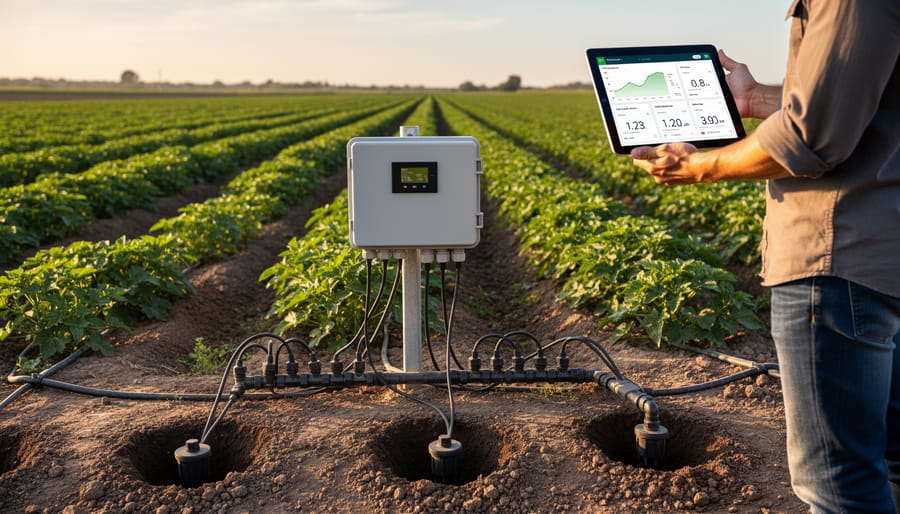
Smart Irrigation Systems That Respond to Conditions
Smart irrigation systems are transforming water management across Canadian farms by automatically adjusting watering schedules based on real-time conditions. These technologies combine soil moisture sensors, weather station data, and programmable controllers to deliver precise amounts of water exactly when crops need it.
The core components include moisture sensors buried at root depth that continuously monitor soil conditions, sending data to central controllers. These systems can reduce water usage by 30-50% compared to traditional methods while often improving crop yields through more consistent moisture levels.
Many Alberta producers are pairing these systems with variable rate irrigation (VRI) technology, which adjusts water application across different field zones. A central Alberta grain farmer recently shared how his smart irrigation system cut water costs by 40% in the first season while maintaining canola yields above regional averages.
Modern scheduling platforms now integrate weather forecasts, evapotranspiration rates, and crop growth stages. Some systems connect to your smartphone, sending alerts about irrigation events and allowing remote adjustments from anywhere.
Implementation doesn’t require complete system overhauls. Retrofitting existing pivot or drip systems with smart controllers and sensors typically costs between $3,000-$8,000 per quarter section, with payback periods of 2-4 years depending on water costs and crop types. Provincial programs sometimes offer cost-share funding for water conservation technologies.
Water Conservation and Storage Strategies
Capturing and storing water during wet periods creates a reliable buffer against drought conditions that increasingly challenge Alberta producers. On-farm water storage has evolved from simple dugouts to sophisticated systems that maximize efficiency while minimizing evaporation losses.
Modern dugout improvements focus on strategic placement and design. Compacted clay liners or synthetic membranes reduce seepage by up to 90%, while gentle side slopes improve water infiltration and access for livestock. Consider installing floating covers or shade structures to cut evaporation losses by 30-50% during hot summer months.
On-farm reservoirs offer flexibility for irrigation timing and reduce dependence on municipal water supplies. Saskatchewan producer Mark Henderson installed a 15-million-litre reservoir that captures spring runoff, providing irrigation for 65 hectares of vegetables throughout the growing season. His system includes a simple filtration setup and gravity-fed distribution, minimizing operating costs.
Rainwater harvesting from barn roofs and greenhouse structures supplements larger storage systems. A standard 1,000-square-metre barn roof can collect approximately 800,000 litres annually in central Alberta, enough for significant livestock watering needs.
Start small with pilot projects to test water quality and storage capacity before major investments. Local agricultural fieldmen and provincial extension services offer site assessments and design assistance tailored to your operation’s specific needs and soil conditions.
Integrating Livestock and Crops for System Efficiency
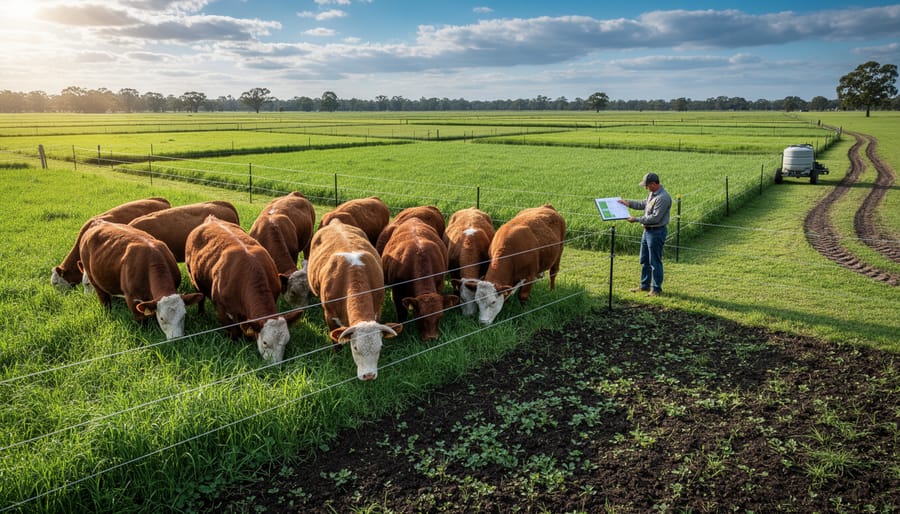
Adaptive Multi-Paddock Grazing
Adaptive multi-paddock grazing represents a shift from traditional continuous grazing methods, dividing pastures into smaller sections where livestock rotate regularly based on forage growth and recovery needs. This approach mimics natural herd movements, allowing plants adequate time to regrow while maintaining healthy root systems.
The practice delivers measurable benefits for Alberta operations. By moving cattle every one to three days, producers prevent overgrazing in any single area, which strengthens plant diversity and deepens root penetration. Deeper roots mean better water infiltration during drought periods and improved soil structure. Research from Alberta ranches implementing adaptive grazing shows soil organic matter increases of 0.5 to 1 percent over five years, directly translating to enhanced carbon sequestration.
Forage production typically increases by 25 to 50 percent compared to continuous grazing systems, allowing producers to either increase stocking rates or reduce hay feeding costs. The frequent moves also distribute manure more evenly, creating natural fertilization without additional inputs.
Starting adaptive grazing doesn’t require extensive infrastructure. Many Alberta ranchers begin with temporary electric fencing and portable water systems, gradually expanding their paddock numbers as they observe results. Local grazing clubs and agricultural extension services offer practical mentorship for those transitioning to this regenerative approach.
Closing Nutrient Loops on Your Farm
Strategic sustainable livestock management transforms animal waste into a valuable resource, creating closed nutrient loops that dramatically reduce fertilizer costs. When properly managed, livestock manure provides essential nitrogen, phosphorus, and potassium while improving soil organic matter and microbial activity.
Alberta farmer James Richardson reduced his synthetic fertilizer purchases by 65% after integrating a small cattle operation with his grain farm. His approach involves strategic timing: applying composted manure in fall allows nutrients to stabilize over winter, minimizing runoff while maximizing spring availability for crops.
Effective nutrient cycling requires planning crop rotations around manure application. Pair nitrogen-hungry crops like canola or wheat with fresh manure applications, while using well-composted material for more sensitive crops. Soil testing every two years ensures nutrient levels stay balanced, preventing both deficiencies and excesses.
Consider these practical steps: start with composting infrastructure to manage pathogens and reduce odours, calculate application rates based on crop needs (typically 20-40 tonnes per hectare), and maintain buffer zones near water sources. This integrated approach strengthens farm resilience while building long-term soil fertility naturally.
Emerging Technologies You Can Start Using Today
Drone Applications for Crop Monitoring
Drones are transforming how Alberta farmers monitor their fields, offering a bird’s-eye view that reveals issues invisible from ground level. These unmanned aerial vehicles equipped with multispectral cameras can scout hundreds of acres in a single flight, identifying crop stress, nutrient deficiencies, and pest infestations before they become widespread problems.
For practical scouting, drones excel at spotting irregular growth patterns, waterlogged areas, and equipment damage tracks. Manitoba farmer James Hendricks discovered a drainage issue affecting 15 acres of canola within minutes of his first drone flight, something that would have taken hours to identify on foot. The thermal imaging capabilities help detect irrigation problems and disease hotspots days before symptoms appear to the naked eye.
Cost considerations vary significantly. Entry-level agricultural drones start around $1,500, while professional-grade systems with advanced sensors run $5,000 to $15,000. Many Alberta farmers begin by hiring drone service providers at $3 to $8 per acre before investing in their own equipment.
The learning curve is manageable for most operators. Transport Canada requires basic pilot certification for commercial use, typically completed in two to three days. Flight planning software simplifies route mapping, and modern drones handle much of the navigation automatically. Start with small fields to build confidence before tackling larger operations.
Farm Management Apps and Digital Tools
Modern farm management apps are transforming how Canadian producers track operations and make decisions. These digital tools simplify record-keeping, from tracking input costs and crop rotations to monitoring livestock health and field activities. Popular platforms like AgExpert and Farmlogic offer intuitive interfaces designed specifically for Canadian farmers, handling everything from financial management to production records in one centralized system.
Decision support tools take data analysis further by providing actionable insights. Apps now integrate weather forecasts, soil moisture readings, and market prices to help you time planting, irrigation, and selling decisions more effectively. Many offer customized recommendations based on your specific crops, soil types, and local conditions across Alberta’s diverse growing regions.
Remote agronomic support has become invaluable, especially for producers in rural areas. Video consultation features connect you directly with crop specialists and veterinarians without traveling long distances. Some platforms include image recognition technology—simply photograph a pest or disease symptom and receive expert identification and treatment recommendations within hours. Several assistance programs for farmers now provide subsidies or training for adopting these technologies, making them accessible to operations of all sizes.
Making Innovation Work on Your Farm
Start Small: A Phased Approach to Innovation
You don’t need to overhaul your entire operation overnight. The most successful adopters of agricultural innovation start with pilot projects that allow them to test new technologies without putting their whole farm at risk.
Begin by identifying one challenge you’d like to address, whether it’s soil health in a specific field or water efficiency in a particular crop. Choose a small test area, ideally 10 to 20 acres, where you can implement the innovation while maintaining your traditional practices elsewhere. This controlled approach lets you compare results directly and make data-driven decisions.
Consider what Red Deer-area grain farmer Mark Stevens did with precision agriculture. He started with variable rate fertilizer application on just one quarter section in 2019. After documenting a 12 percent reduction in input costs while maintaining yields, he gradually expanded the technology across his entire 800-acre operation over three growing seasons.
Document everything during your pilot phase: costs, time investment, learning curve challenges, and measurable outcomes. Share your experiences with neighbouring farmers and agricultural extension services. Many Alberta producers find that starting small builds both confidence and practical knowledge, making full-scale implementation much smoother. Remember, even a modest 50-acre trial can provide valuable insights that shape your farm’s future.
Funding and Support Programs for Canadian Farmers
Canadian farmers exploring agricultural innovations have access to substantial financial support through federal and provincial programs designed to reduce adoption barriers. Understanding these funding opportunities can transform innovation from an aspiration into reality for your operation.
The Canadian Agricultural Partnership (CAP) offers cost-share funding for eligible projects, covering up to 50-75% of approved costs for equipment, technology adoption, and environmental improvements. Through Agriculture and Agri-Food Canada, farmers can access programs like the AgriInnovate Program, which supports research and commercialization of new technologies.
Alberta-specific programs provide targeted support for local producers. The Alberta Farm Water Supply Program helps offset costs for water infrastructure improvements, while Results Driven Agriculture Research grants support on-farm trials of innovative practices. The Environmental Stewardship and Climate Change Program offers funding for precision agriculture equipment, cover crop implementation, and beneficial management practices.
Many programs operate on a first-come, first-served basis with specific application windows, making early planning essential. Agricultural fieldmen, regional offices of Alberta Agriculture and Irrigation, and industry associations can guide you through application processes and identify programs matching your innovation goals.
Consider combining multiple funding sources for comprehensive project support. Some farmers successfully layer federal cost-share programs with provincial grants and equipment financing to minimize out-of-pocket expenses. Local agricultural societies and commodity groups often maintain updated funding databases and can connect you with experienced applicants who’ve navigated these programs successfully. Don’t let funding concerns prevent exploring innovations that could strengthen your operation’s sustainability and profitability.
Agricultural innovation isn’t reserved for large-scale operations or those with unlimited budgets. The technologies and practices we’ve explored are increasingly accessible, scalable, and designed with real-world farming challenges in mind. Whether you’re managing 50 hectares in central Alberta or stewarding a multi-generational operation, there’s an innovation that fits your context and goals.
Starting your innovation journey doesn’t require transforming your entire operation overnight. Begin with one practice that addresses your most pressing challenge, whether that’s soil health, water management, or labour efficiency. Connect with your local agricultural extension office, attend farmer-led workshops, or reach out to neighbours who’ve already implemented new practices. The Canadian agricultural community thrives on knowledge-sharing and mutual support.
Remember, you’re not just adopting technology for its own sake. Every innovation you embrace strengthens your operation’s resilience, improves environmental stewardship, and contributes to a more sustainable food system for future generations. Your decisions today shape not only your farm’s future but also the broader agricultural landscape across Canada. You have the agency, the community support, and now the information to move forward with confidence. The next step is yours to take.