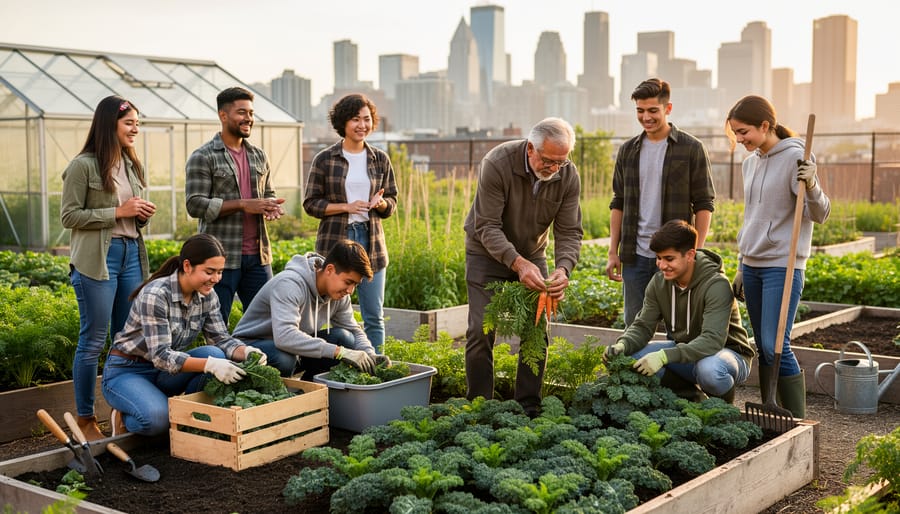
Youth farming programs connect young Canadians aged 12-25 with experienced agricultural mentors who provide hands-on training in sustainable food production, business management, and community engagement. These structured initiatives operate across Canada, transforming vacant urban plots and established rural farms into vibrant learning environments where participants gain marketable skills while addressing food security challenges in their communities.
Launch a youth farming program by partnering with local schools, community organizations, or agricultural extension services to recruit participants, then secure access to land through municipal agreements, donated plots, or established farm partnerships. Design a curriculum spanning 8-16 weeks that combines practical fieldwork—planting, harvesting, soil management—with workshops on crop planning, financial literacy, and marketing strategies tailored to community-supported agriculture models.
Structure your program around measurable outcomes that benefit both participants and the broader community. Youth develop technical agricultural knowledge, leadership capabilities, and environmental stewardship while generating fresh produce for local food banks, farmers markets, or CSA programs. Successful Alberta-based initiatives report participants harvesting 500-2,000 kilograms of produce annually while building professional networks and exploring agricultural career pathways.
Compensation models vary from paid internships to volunteer-based learning exchanges, with many programs offering stipends of 15-20 dollars per hour for participants who commit to full growing seasons. This investment yields dividends beyond immediate production: youth farming alumni frequently pursue post-secondary agricultural education, launch their own farming enterprises, or return as program mentors, creating sustainable pipelines of skilled farmers equipped to innovate within Canada’s evolving food systems.
Consider environmental factors unique to your region when designing program timelines and crop selections, ensuring young farmers experience both successes and learning opportunities throughout their journey.
The Urban Farming Movement Taking Root in Canadian Cities
What Makes Urban Youth Farming Different
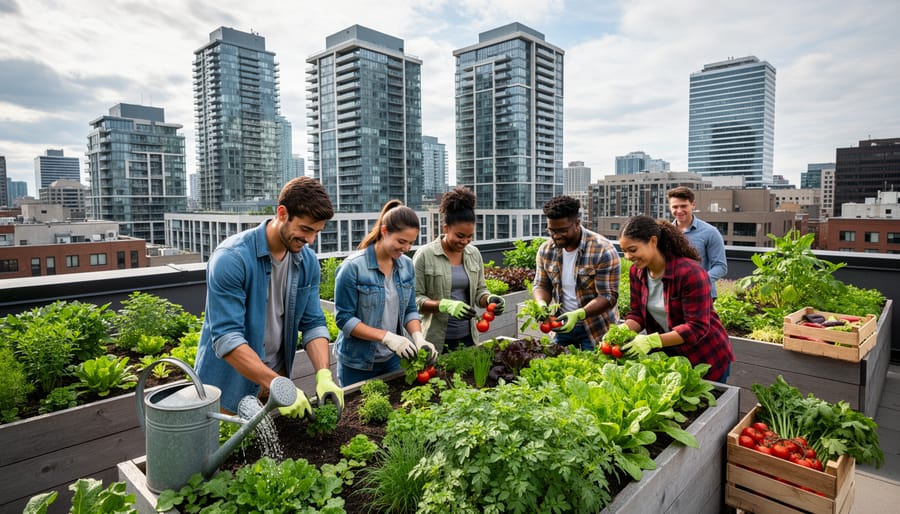
Youth-led urban farming initiatives operate differently from traditional rural farming operations in several key ways that make them particularly accessible and innovative for young people.
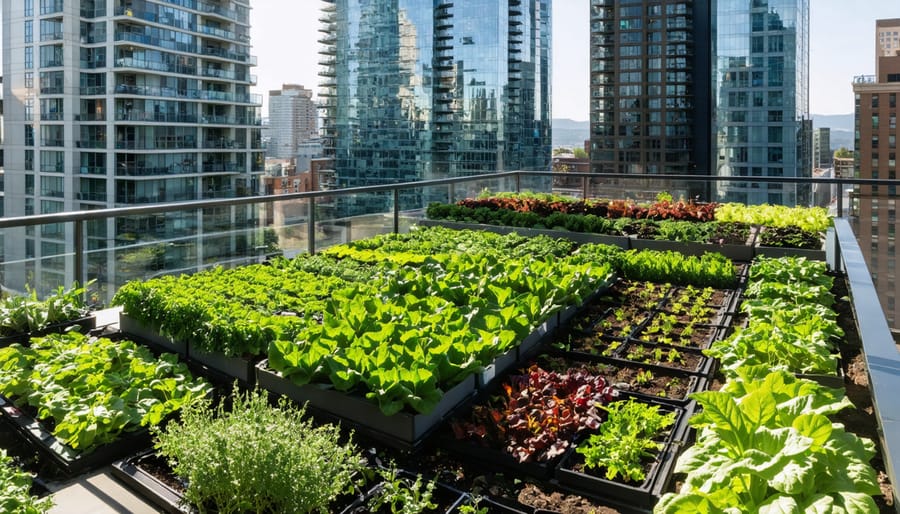
Scale represents the most obvious distinction. Urban youth farms typically range from 0.1 to 2 hectares, with many operating in backyards, community gardens, or converted parking lots. This smaller footprint allows participants to manage operations with fewer resources while still producing meaningful yields. Edmonton’s Youth Roots program, for example, operates on just 0.4 hectares yet produces over 900 kilograms of fresh vegetables annually.
Growing techniques tend toward intensive, space-efficient methods. Vertical gardens, container systems, and raised beds maximize production in limited areas. Many programs incorporate hydroponics or aquaponics, giving youth exposure to technology-driven agriculture. These innovative approaches often generate higher yields per square metre compared to conventional field farming, teaching participants about resource efficiency from the start.
Community integration forms the foundation of most urban youth farming programs. Unlike isolated rural operations, these farms exist within neighbourhoods, creating immediate connections between growers and consumers. Young farmers regularly interact with community members at farm stands, through CSA distributions, or during volunteer days. This direct relationship builds communication skills and helps participants understand food systems from production through to consumption.
The hands-on nature of these programs, combined with mentorship from experienced growers, creates learning environments where youth can experiment, make mistakes, and develop confidence in their abilities while contributing directly to local food security.
Why Cities Need Young Farmers Now More Than Ever
Urban and peri-urban communities across Canada face mounting pressure to strengthen local food systems, and young farmers are emerging as essential partners in this transformation. With the average age of Canadian farmers now exceeding 55 years, communities urgently need to cultivate the next generation of agricultural leaders who understand both traditional growing methods and innovative urban approaches.
Cities benefit enormously when youth farming programs create pathways for new growers. These initiatives address critical food security gaps by expanding local production capacity, reducing reliance on long-distance food transportation, and building resilience against supply chain disruptions. For young people transitioning from urban farming experiences to larger operations, the knowledge gained in compact city environments proves invaluable for efficient land use and intensive production methods.
Climate resilience represents another compelling reason for investment in youth farming. Young farmers bring fresh perspectives on sustainable practices, water conservation, and soil health that help communities adapt to changing weather patterns. In Alberta, where drought and extreme weather events increasingly challenge food production, having knowledgeable young growers who can implement climate-smart techniques strengthens community food security.
Local food access improves dramatically when youth programs increase the number of active farmers serving metropolitan areas. Community Supported Agriculture operations, farmers markets, and institutional partnerships all depend on reliable grower networks. By supporting young farmers now, cities invest in stable, accessible local food sources that benefit residents for decades to come while revitalizing the agricultural sector with energy and innovation.
Real Programs Making Real Impact: Canadian Case Studies
Calgary’s Urban Farm Training Collective
Located in the heart of Alberta’s largest city, Calgary’s Urban Farm Training Collective has been connecting young people with sustainable agriculture since 2018. Operating on 2.4 hectares of reclaimed urban land, the program demonstrates how city-based farming initiatives can create meaningful opportunities for youth while strengthening local food systems.
The program runs from May through October, welcoming participants aged 16 to 25 regardless of prior farming experience. Young people commit to working 15 hours weekly, learning everything from soil preparation and seed starting to crop rotation and harvest techniques. What sets this program apart is its dual focus: participants gain hands-on farming skills while developing workplace competencies like time management, teamwork, and problem-solving.
Program coordinator Elena Martinez explains that the curriculum intentionally balances traditional farming knowledge with urban agriculture innovations. “We teach our youth how to maximize production in limited spaces using techniques like vertical growing, intensive planting, and season extension,” she says. Participants also learn about integrated pest management, composting systems, and water conservation methods particularly relevant to Alberta’s climate.
The outcomes speak for themselves. Over five growing seasons, 87 young people have completed the program, with 62 percent pursuing further education or careers in agriculture, food security, or environmental fields. Several graduates have launched their own market garden operations or joined established farms across the Calgary region.
Community benefits extend beyond participant development. The collective produces approximately 4,500 kilograms of fresh vegetables annually, distributed through a sliding-scale farm stand and donations to local food banks. This model demonstrates how youth farming programs can simultaneously address food access, skills training, and agricultural workforce development within urban settings.
Edmonton’s Next-Gen Growers Initiative
Located in Alberta’s capital, Edmonton’s Next-Gen Growers Initiative demonstrates how urban youth farming programs can successfully bridge the gap between agricultural education and viable career pathways. Launched in 2019 through a partnership between the Edmonton Food Council and local CSA networks, the program has trained over 75 young farmers aged 16-29 in practical growing skills while connecting them directly with consumer markets.
The program operates on a hybrid model that combines hands-on production training with business mentorship. Participants work on allocated plots at participating CSA farms throughout the growing season, typically from May through October. During this period, young growers receive guidance from experienced farm operators while managing their own crop selections and cultivation schedules. The model allows participants to learn real-world farming while contributing to the CSA’s weekly harvest shares.
What sets this initiative apart is its comprehensive business development component. Beyond learning to grow quality produce, participants attend monthly workshops covering financial planning, pricing strategies, food safety regulations, and customer relationship management. Local agricultural professionals volunteer their expertise, offering insights into supply chain logistics and direct marketing approaches that work in Alberta’s climate and market conditions.
The program also provides micro-grants up to $2,000 for participants who complete the full season, which many use to purchase equipment or secure land access for their own farming ventures. According to program coordinator Maria Chen, approximately 40 percent of graduates have gone on to establish their own small-scale farming operations or joined existing CSA networks as key production partners. This retention rate speaks to the program’s effectiveness in creating sustainable pathways into agriculture for Edmonton’s next generation of growers, addressing both the knowledge gap and financial barriers that typically discourage young people from pursuing farming careers.
What These Programs Actually Teach
Hands-On Growing Skills and Sustainable Practices
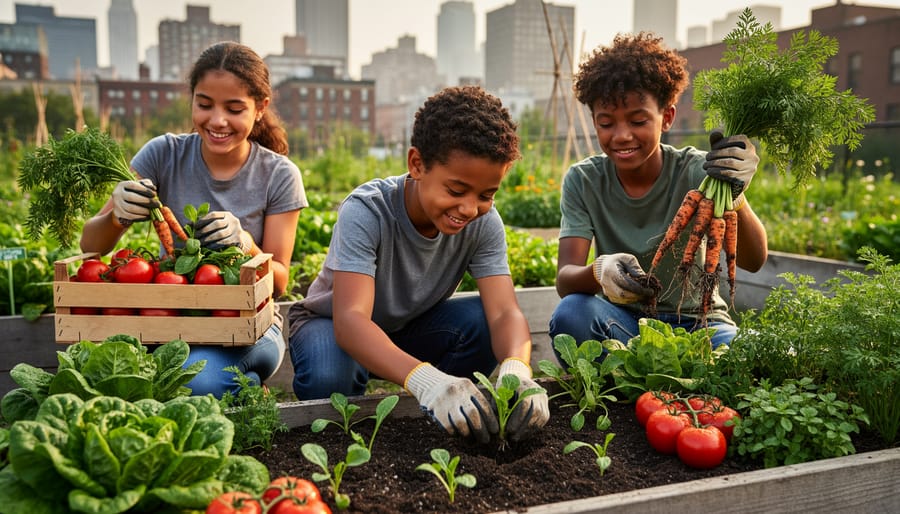
Youth farming programs deliver hands-on training in essential agricultural skills adapted specifically for urban environments. Participants learn composting techniques that transform kitchen scraps and yard waste into nutrient-rich soil amendments, typically producing finished compost in 90 to 120 days using simple three-bin systems or tumbler methods suited to smaller spaces.
Season extension practices form another core component, teaching young farmers to maximize growing periods in Alberta’s short season. Programs introduce cold frames, row covers, and hoop houses that can extend harvests by 4 to 6 weeks on either end of the season. At Calgary’s Grow Calgary, youth participants constructed a 6-metre hoop house that allowed them to grow greens well into November.
Soil management training covers testing procedures, amendment applications, and building healthy soil ecosystems. Young farmers learn to interpret soil test results and calculate appropriate additions of compost, typically 5 to 10 centimetres annually for urban gardens. They practice crop rotation strategies and cover cropping techniques that prevent nutrient depletion while suppressing weeds.
Programs also emphasize organic pest control methods suitable for urban settings. Youth learn integrated pest management approaches including companion planting, beneficial insect identification, and making simple solutions like garlic spray or soap-based treatments. These practical skills prepare participants to manage small-scale operations while maintaining ecological balance and food safety standards that align with organic certification requirements many CSA programs pursue.
Business and Community Engagement
Youth farming programs that incorporate business skills prepare young people for real-world agricultural careers beyond production knowledge. Successful programs in Alberta increasingly include entrepreneurship training where participants develop business plans, calculate production costs, and project revenue streams based on their growing operations. At FarmStart-inspired initiatives across Canada, youth learn Community Supported Agriculture management by coordinating harvest schedules, managing member communications, and handling subscription logistics.
Marketing skills form another essential component, with participants creating social media content, designing promotional materials, and engaging directly with customers at farmers’ markets. This hands-on experience builds confidence and communication abilities that translate across agricultural sectors. Programs often partner with local businesses and restaurants, teaching youth how to pitch their products, negotiate prices, and maintain professional relationships with buyers.
Financial literacy workshops cover topics like bookkeeping, tax obligations, and investment planning specific to farming operations. Young farmers learn to track expenses, manage cash flow during seasonal fluctuations, and understand profit margins on different crops. Many programs facilitate mentorship connections with established farmers who share insights about navigating agricultural lending and accessing start-up grants. This comprehensive approach ensures youth understand that successful farming requires both growing expertise and solid business acumen, creating well-rounded agricultural entrepreneurs ready to contribute meaningfully to their communities.
Environmental Stewardship and Climate Action
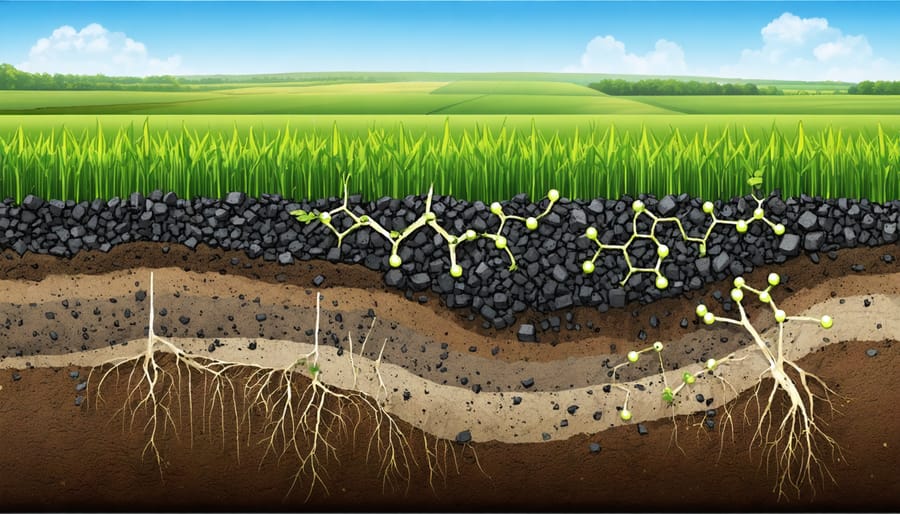
Youth farming programs in Alberta increasingly prioritize environmental stewardship as a core training component. Participants learn practical climate resilience strategies including soil carbon sequestration through cover cropping and reduced tillage practices. Water conservation techniques like drip irrigation and rainwater harvesting are demonstrated using metric measurements relevant to local conditions. Programs integrate biodiversity conservation by teaching pollinator habitat creation, crop rotation planning, and native species integration. Young farmers gain hands-on experience with composting systems that reduce greenhouse gas emissions while building soil health. Many initiatives partner with agricultural researchers to monitor carbon footprint reductions, providing participants with real data showing how their practices contribute to climate action. This training equips the next generation with knowledge to build resilient farming operations that protect Alberta’s agricultural landscape while meeting production goals.
Starting a Youth Farming Program in Your Community
Finding Space and Resources in Urban Settings
Urban environments present unique challenges for youth farming programs, but creative solutions can unlock surprising opportunities. In Alberta’s cities, successful programs have emerged through strategic partnerships and resourceful planning.
Start by exploring municipal land-sharing initiatives. Many Canadian cities maintain community garden waitlists, but youth programs often receive priority access. Edmonton’s YouthGrow program secured 0.4 hectares through their parks department, demonstrating how municipalities value educational agriculture. Contact your local planning department to inquire about underutilized parkland, schoolyards, or vacant lots designated for community use.
Equipment acquisition doesn’t require substantial upfront investment. Partner with established farms or garden centers willing to loan or donate basic tools. Calgary’s Fresh Routes program sources equipment through relationships with local agricultural suppliers who view youth mentorship as community investment. Consider shared equipment cooperatives where multiple programs pool resources.
Securing funding sources requires targeting grants specifically supporting youth development and urban agriculture. The Alberta Real Estate Foundation funds land-based learning projects, while Canada Summer Jobs provides wage subsidies for student positions. Corporate sponsors in the agricultural sector often support programs demonstrating community impact.
Building partnerships strengthens program sustainability. Approach organizations like food banks, schools, and environmental groups as potential collaborators. These partnerships can provide access to land, volunteers, and distribution networks for produce. The Growing Chefs program in Calgary thrives through partnerships with seven schools, sharing garden spaces and educational resources. Document your program’s social and environmental benefits to attract diverse supporters invested in youth development and local food systems.
Building Your Program Framework
Creating a successful youth farming program starts with thoughtful planning. Begin by determining your program’s duration—summer programs typically run 8-12 weeks, while year-round initiatives might include weekly sessions of 3-4 hours. Consider your farm’s capacity and seasonal rhythms when setting your schedule.
Curriculum development should balance hands-on learning with foundational knowledge. Map out core topics like soil health, crop planning, pest management, and harvest techniques. The University of Alberta’s 4-H programs offer excellent frameworks you can adapt. Include practical business skills such as record-keeping and basic farm economics, which prepare youth for real agricultural careers. Build flexibility into your curriculum to respond to weather conditions and unexpected learning opportunities that arise naturally on a working farm.
Mentor recruitment requires finding individuals who possess both farming expertise and teaching ability. Reach out through local agricultural societies, farming networks, and retired farmers who have time to share their knowledge. Plan for a ratio of approximately one mentor per five participants to ensure adequate supervision and personalized instruction.
Safety protocols are non-negotiable. Develop comprehensive procedures covering equipment use, livestock handling, chemical application, and emergency response. All participants should complete basic farm safety orientation before beginning hands-on work. Ensure proper insurance coverage and have parents or guardians sign detailed liability waivers. Provide appropriate safety equipment including gloves, boots, and sun protection. Document all safety training and maintain first aid supplies readily accessible throughout your operation.
Connecting Youth Farms to CSA Networks
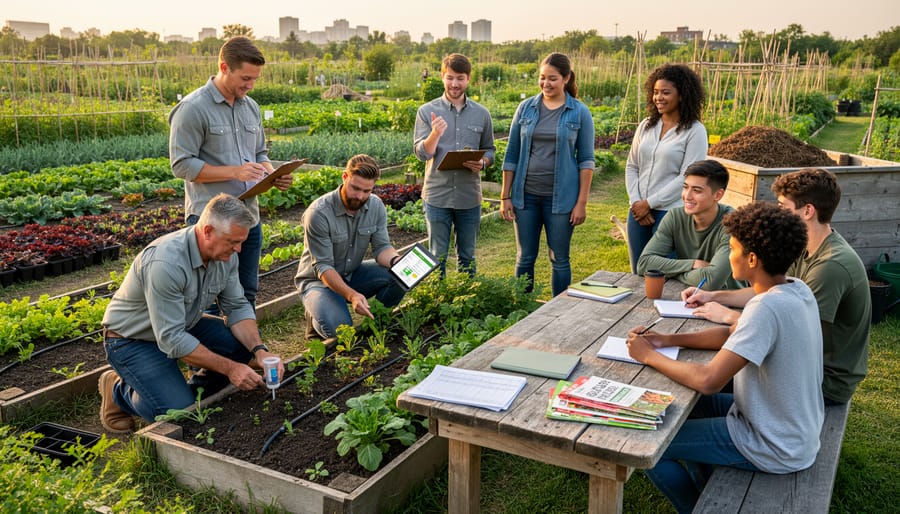
Integrating youth-grown produce into Community Supported Agriculture models creates sustainable market pathways while building business skills. Several Alberta farms have successfully incorporated youth farm plots into their existing CSA boxes, typically dedicating 10-15% of weekly shares to student-grown vegetables during peak season. This arrangement provides young farmers with guaranteed customers and immediate feedback on product quality.
Start by connecting with established CSA operations in your area to explore partnership opportunities. Youth can manage dedicated garden plots—often 100-200 square metres—focusing on high-value crops like salad greens, herbs, and specialty tomatoes that complement rather than compete with the main farm’s offerings. Clear agreements outlining harvest standards, delivery schedules, and revenue sharing (typically 60-40 in favour of youth participants) establish professional expectations.
FarmWorks Alberta reports that farms mentoring youth through CSA integration see improved member retention, as subscribers appreciate supporting the next generation of growers. Consider hosting member meet-and-greets where young farmers share their growing experiences, strengthening community connections while building confidence and communication skills essential for agricultural careers.
Expert Voices: What Industry Leaders Say
Leading voices in Canadian agriculture share a unified message: youth farming programs represent an essential investment in food security and rural vitality.
Dr. Sarah Chen, agricultural education coordinator at Olds College in Alberta, observes significant shifts in program participation. “We’re seeing urban-raised youth who want meaningful work connected to sustainability. These programs bridge the knowledge gap between passion and practical skills. Our graduates leave with confidence to manage real farming operations, whether they’re launching market gardens or joining established farms.”
Mark Thiessen, who coordinates youth initiatives for the Alberta Farm Fresh Producers Association, emphasizes the economic impact. “Young farmers bring innovation and energy that revitalizes our sector. We’ve tracked graduates from our mentorship programs—about 65 percent are actively farming five years later, which is remarkable considering the barriers to entry. These programs create pathways that wouldn’t otherwise exist.”
The perspective from young farmers themselves reinforces this optimism. Twenty-four-year-old Jessica Moreau, who completed a youth farming program in Lacombe three years ago, now manages a successful CSA operation. “The program gave me technical skills, but more importantly, it connected me with mentors who believed in my vision. I learned crop planning, soil management, and customer relations in a supportive environment where mistakes became learning opportunities rather than financial disasters.”
Veteran farmer Tom Bradshaw, who has mentored twelve young farmers over eight years near Red Deer, sees mutual benefits. “These partnerships keep established farmers engaged and learning. Young people challenge us to reconsider methods we’ve used for decades. They bring fresh perspectives on marketing, technology, and environmental stewardship that strengthen our entire agricultural community.”
Looking forward, these leaders agree that expanding youth farming programs requires collaboration between educational institutions, experienced farmers, and community organizations. The consensus is clear: investing in the next generation isn’t just good practice—it’s essential for building resilient, innovative agricultural systems that serve all Canadians.
Overcoming Common Challenges
Addressing Land Access and Affordability
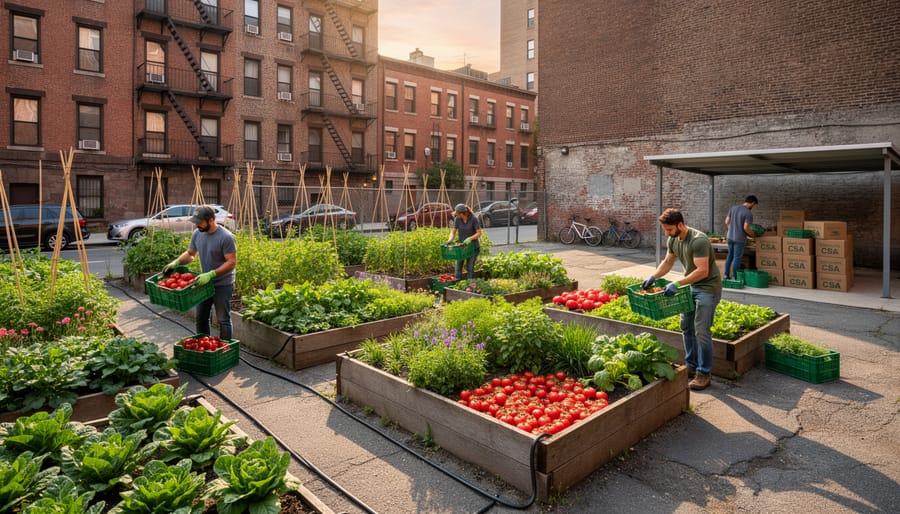
Land access remains the most significant barrier for young farmers entering urban agriculture. Without affordable growing space, even the most passionate program graduates struggle to launch viable operations. Successful youth farming initiatives address this challenge through innovative partnerships with municipalities, private landowners, and educational institutions.
In Alberta, several programs have secured land through long-term leases with cities willing to convert underutilized public spaces into productive gardens. Edmonton’s community garden network, for example, allocates dedicated plots to youth farming graduates at subsidized rates, typically charging $50-75 per 100 square metres annually compared to market rates of $200-300.
Creative financing models also help. Some programs establish incubator farms where graduates farm collectively for 2-3 years, building capital and experience before transitioning to independent operations. Others facilitate relationships between retiring farmers and young growers, creating mentorship-based land succession arrangements.
Policy advocacy matters too. Youth farming organizations across Canada are successfully lobbying municipal governments to preserve agricultural land within city boundaries and create zoning exemptions for small-scale commercial growing operations. These systemic changes ensure sustainable pathways for the next generation of urban farmers.
Keeping Young Farmers Engaged Long-Term
Sustaining youth engagement requires more than initial training—it demands clear career pathways and economic viability. Successful programs develop mentorship structures that evolve with participants’ skills, transitioning from basic task completion to farm management responsibilities. Creating graduated payment systems recognizes growing expertise while providing financial sustainability.
Alberta’s Young Agrarians network demonstrates effective retention through peer communities and land-matching services that connect emerging farmers with retiring landowners. These relationships often lead to lease-to-own arrangements, addressing the significant barrier of land access. Programs should establish clear progression milestones, whether toward farm ownership, management roles, or specialized production niches.
Economic opportunities extend beyond traditional farming. Youth programs increasingly incorporate value-added production—such as artisan cheese-making or preserving—and direct marketing skills through CSA operations and farmers’ markets. Regular check-ins with program alumni help identify ongoing support needs while building networks that sustain rural agricultural communities. Including participants in strategic planning ensures programs remain relevant to their evolving aspirations and market realities. This collaborative approach transforms short-term training into lifelong agricultural careers.
Youth farming programs represent far more than skill-building opportunities—they’re powerful catalysts for transforming our food systems, strengthening climate resilience, and weaving tighter community connections across Alberta and beyond. When a young person learns to nurture soil, harvest vegetables, or manage a CSA operation, they gain confidence and practical knowledge that ripples outward, influencing their families, peers, and future career choices. These programs create a new generation of agriculturalists who understand both traditional wisdom and innovative sustainable practices, ensuring our farming communities remain vibrant and productive.
The evidence from Canadian programs demonstrates that investing in youth farming initiatives yields measurable returns: increased local food security, reduced agricultural carbon footprints, and renewed rural economies. Whether you’re an established farmer considering mentorship, a community organization exploring programming options, or simply someone passionate about agriculture’s future, now is the time to act. Start small—invite a young person to spend a season on your operation, connect with local agricultural societies, or advocate for youth farming support at municipal meetings. Every seed planted in youth education grows into lasting change for our collective food future.