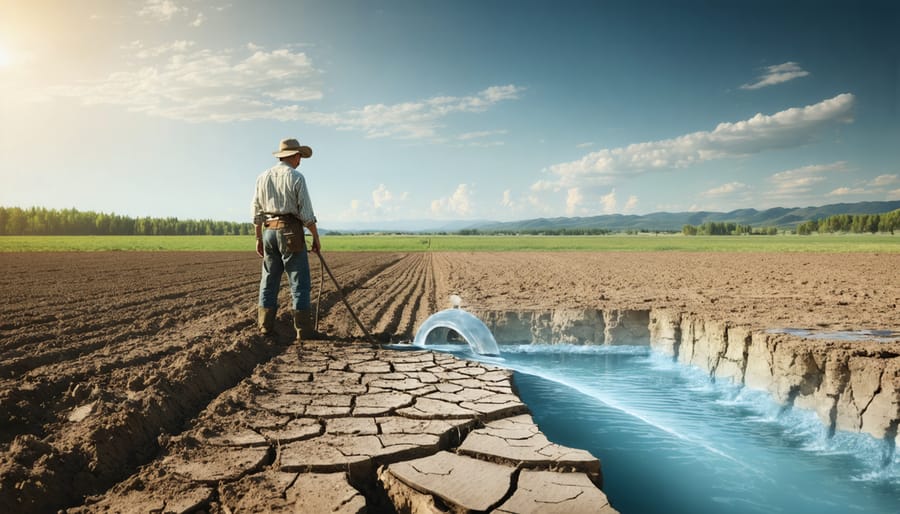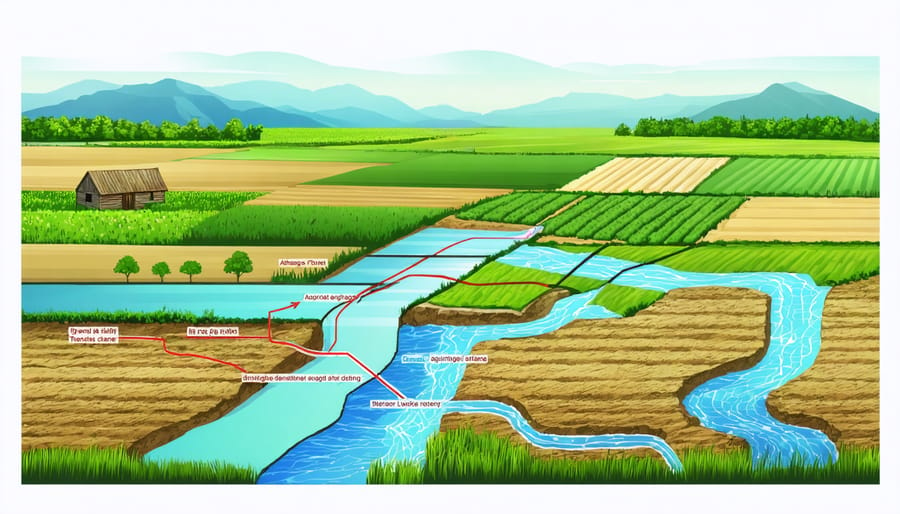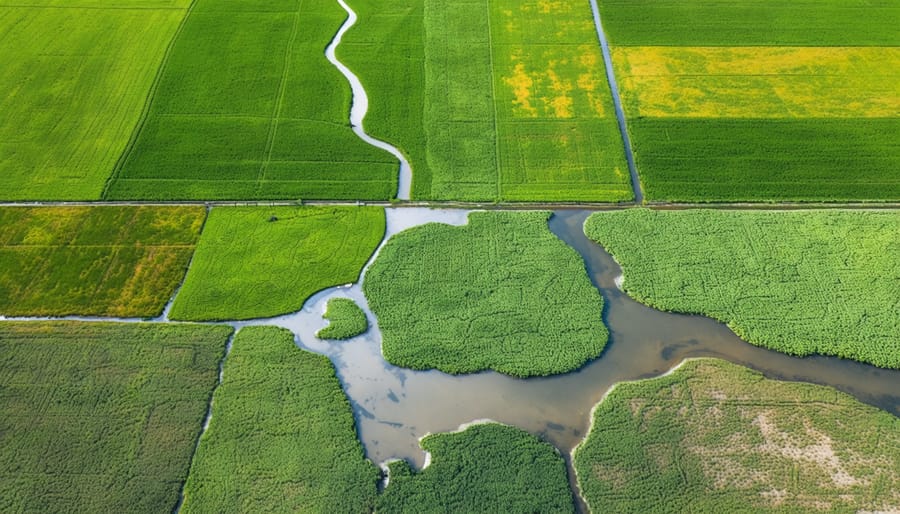
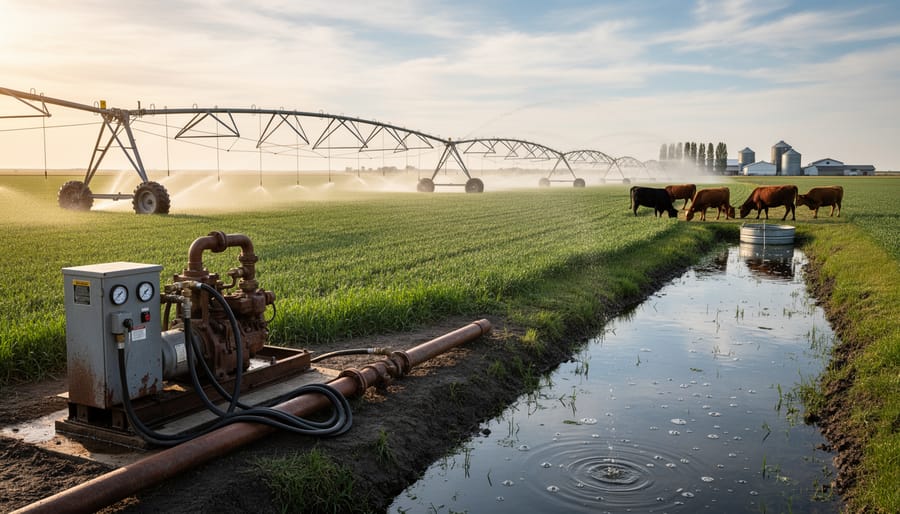
Your irrigation systems, livestock watering operations, and drainage infrastructure are releasing three powerful greenhouse gases into the atmosphere right now—and understanding which ones matters for both your bottom line and environmental stewardship. Carbon dioxide, methane, and nitrous oxide make up the primary emissions from farm water systems, each originating from different sources and packing vastly different climate impacts.
Across Alberta, farmers are discovering that their water carbon footprint extends far beyond the energy used to pump irrigation water. Methane bubbles up from flooded fields and manure-contaminated dugouts. Nitrous oxide escapes from over-fertilized soil when excess irrigation creates anaerobic conditions. Carbon dioxide releases whenever you power pumps, heat livestock water, or maintain drainage systems.
These three gases behave differently in our atmosphere. Methane traps 28 times more heat than carbon dioxide over a century, while nitrous oxide delivers a staggering 265 times the warming potential. Yet each responds to specific management practices within your control.
The good news? Farmers from Lethbridge to Grande Prairie are already implementing practical solutions that reduce these emissions while cutting operational costs. By identifying which gases your specific water infrastructure produces and why, you can target the most effective reduction strategies for your operation. This knowledge transforms abstract climate concerns into concrete management decisions that protect both your land and your livelihood.
The Three Greenhouse Gases Hiding in Your Water Systems
Carbon Dioxide: The Byproduct of Energy-Intensive Operations
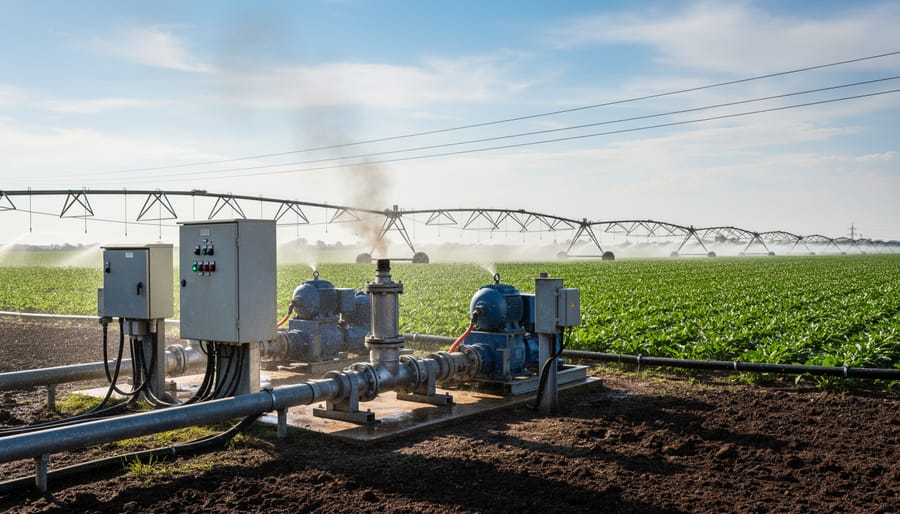
Carbon dioxide represents the most significant greenhouse gas emission from farm water operations, accounting for the majority of your water infrastructure’s carbon footprint. Every time you run an irrigation pump, heat water for livestock, or operate treatment systems, you’re burning energy that releases CO2 into the atmosphere.
Let’s look at the numbers from Alberta operations. A typical 100-horsepower irrigation pump running on diesel fuel emits approximately 2.6 kilograms of CO2 per hour of operation. During a standard irrigation season, that single pump can release between 15 and 20 tonnes of CO2, depending on your field size and watering schedule. Electric pumps fare better but still contribute emissions through grid electricity, which in Alberta produces roughly 0.6 kilograms of CO2 per kilowatt-hour.
Water heating systems present another substantial source. Dairy operations heating water for sanitization and cleaning can emit 8 to 12 tonnes of CO2 annually from natural gas combustion. Even smaller-scale livestock operations using propane heaters typically generate 3 to 5 tonnes per year.
The treatment and distribution infrastructure adds to these totals. Water filtration systems, UV treatment units, and pressure maintenance equipment all require continuous energy input. A mid-sized farm’s complete water system infrastructure commonly produces between 25 and 40 tonnes of CO2 annually.
Understanding these emissions matters because they represent both an environmental impact and an operational cost. According to irrigation specialists working with producers near Lethbridge, many farmers don’t realize how much energy their water systems consume until they measure it. The good news is that these operations offer clear opportunities for efficiency improvements. Upgrading to variable-frequency drive pumps, optimizing irrigation scheduling, and improving system maintenance can reduce CO2 emissions by 15 to 30 percent while cutting your energy bills. These aren’t just environmental wins—they’re practical steps that strengthen your operation’s bottom line.
Methane: The Silent Threat in Stagnant Water and Treatment Systems
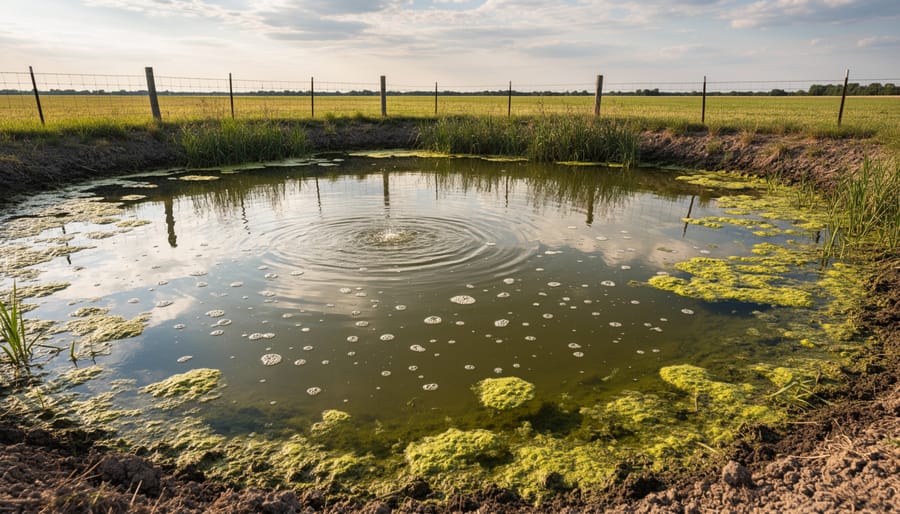
When water sits still without oxygen circulation, it creates the perfect conditions for methane-producing microorganisms to thrive. This is happening right now in dugouts, holding ponds, wastewater lagoons, and poorly maintained irrigation infrastructure across Alberta farms. Understanding methane emissions from these systems is crucial because methane packs a powerful climate punch—25 times the warming potential of carbon dioxide over a 100-year period.
In anaerobic conditions—environments without oxygen—specialized bacteria called methanogens break down organic matter and produce methane as a byproduct. Think of your wastewater lagoon after a busy calving season, or a dugout filled with decaying vegetation and manure runoff. When these systems lack proper aeration or become overly laden with organic material, they essentially become methane factories.
A 2019 study conducted at livestock operations in southern Alberta found that poorly maintained wastewater lagoons released up to 40% more methane than facilities with regular maintenance schedules. The research team, working with Red Deer County producers, discovered that simple interventions made measurable differences.
The organic load matters significantly. When irrigation return flows carry crop residue and nutrients into holding ponds, or when livestock access water sources directly, the organic content increases dramatically. This feeds the methane-producing bacteria, amplifying emissions. Similarly, irrigation infrastructure that allows water to pool and stagnate—like poorly drained tail-water pits or deteriorating irrigation canals—creates isolated pockets of methane generation.
Temperature also plays a role in methane production. During Alberta’s warmer months, bacterial activity increases, leading to higher emission rates from these water systems. However, even under ice cover in winter, anaerobic decomposition continues, with methane sometimes releasing in concentrated bursts during spring thaw.
The good news? Addressing methane emissions from water infrastructure often aligns with improved operational efficiency. Better aeration, regular maintenance, and strategic vegetation management can significantly reduce emissions while enhancing water quality for agricultural use.
Nitrous Oxide: When Nutrients Meet Water Infrastructure
Nitrous oxide emissions from farm water systems often catch producers off guard. This greenhouse gas forms when nitrogen from agricultural sources enters water treatment systems, storage lagoons, and even drainage systems. With a global warming potential 298 times greater than carbon dioxide over a 100-year period, N2O deserves serious attention in your emission reduction planning.
The process begins when nitrogen-rich materials like livestock manure, commercial fertilizers, and crop residues make their way into water systems. Whether through runoff during spring melt, washdown from barns and milking parlours, or leaching from fertilized fields, these nitrogen compounds create conditions for N2O production. The problem intensifies in water treatment facilities and manure storage lagoons where specific bacterial processes convert nitrogen compounds into nitrous oxide gas.
At a central Alberta dairy operation managing 400 head, routine testing revealed that their anaerobic lagoon system was producing significant N2O emissions during seasonal temperature fluctuations. The owner explained that she had focused exclusively on methane capture while overlooking nitrous oxide. After working with agricultural engineers, they discovered that nitrogen loading from their washwater system was the primary culprit.
Understanding when N2O forms helps you address the issue effectively. This gas typically releases during incomplete denitrification, a process that occurs when oxygen levels fluctuate in water systems. Storage facilities with inadequate mixing, treatment systems with variable nitrogen loads, and ditches receiving fertilizer runoff all create ideal conditions for N2O generation.
Canadian research from Agriculture and Agri-Food Canada indicates that properly managing nitrogen inputs can reduce N2O emissions from water infrastructure by 40-60 percent. Simple monitoring practices help you identify problem areas. Testing nitrogen concentrations in your storage systems, evaluating drainage patterns after fertilizer application, and assessing treatment system performance provides baseline data for improvement efforts.
The connection between nutrient management and greenhouse gas reduction becomes clear when examining N2O emissions. Precision application techniques, appropriate storage capacity, and controlled treatment processes all contribute to lower emissions while maintaining productive farming operations.
Where These Emissions Actually Come From on Your Farm
Irrigation Systems and Pumping Operations
Pumping water for irrigation systems creates greenhouse gas emissions that vary significantly based on your power source and operational patterns. In Alberta’s irrigation districts, diesel-powered pumps are major contributors to carbon dioxide emissions, while electric pumps produce indirect emissions through grid electricity generation—much of which still relies on natural gas and coal in our province.
The Southern Alberta irrigation districts provide a practical example. During peak irrigation season from June to August, pumping operations can account for 60-70% of a farm’s total energy consumption. A typical diesel pump running 12 hours daily throughout the irrigation season can emit approximately 15-20 tonnes of CO2 annually. Electric pumps, while cleaner at the point of use, still contribute roughly 8-12 tonnes of CO2 equivalent through grid electricity in Alberta.
Seasonal variation plays a crucial role in these emissions. Spring startup and fall shutdown periods require different pumping schedules than mid-summer peak demand, affecting both total emissions and cost-effectiveness of mitigation strategies. Consider timing major pumping operations during off-peak hours when the electrical grid relies more on renewable sources, and maintain equipment regularly to ensure maximum fuel efficiency throughout the season.
Livestock Water Management and Wastewater
Livestock water systems present unique challenges for Alberta’s dairy, beef, and mixed farming operations when it comes to greenhouse gas emissions. When cattle access dugouts, ponds, or open water sources, they often contaminate these areas with manure, creating ideal conditions for methane production as organic matter decomposes in low-oxygen environments. A typical 100-cow dairy operation can generate significant emissions from manure-laden watering areas, especially during warmer months when bacterial activity increases.
Runoff storage systems, while essential for managing farm water, can become hotspots for nitrous oxide emissions when nitrogen-rich manure mixes with stored water. This is particularly common in feedlot operations where concentrated animal populations create high-nutrient runoff. Alberta beef producers managing large herds need to consider how their water collection systems might be contributing to emissions.
The good news is that strategic management makes a difference. Installing nose pumps or remote watering systems keeps livestock away from natural water sources, reducing contamination. Properly designed and maintained manure storage facilities with covers can capture methane for energy use while helping prevent water pollution. Regular monitoring of water quality in storage systems allows you to identify problem areas before emissions escalate, protecting both your operation’s environmental footprint and your bottom line.
On-Farm Water Treatment and Storage
Your on-farm water storage systems generate greenhouse gases, though often in smaller quantities than larger infrastructure. Dugouts and farm ponds emit methane and carbon dioxide as organic matter like manure runoff, crop residue, and algae decompose in standing water. Shallow, nutrient-rich dugouts in warmer months can become significant methane sources, particularly if livestock have direct access.
Settling ponds and small lagoons managing livestock wastewater produce all three gases. According to Alberta Agriculture research, even modest-sized treatment lagoons emit methane during anaerobic breakdown of manure solids. Nitrous oxide releases occur when nitrogen-rich water experiences partial oxygen exposure at pond edges or during seasonal turnover.
Water holding tanks and covered storage systems typically produce fewer emissions since limited surface area reduces atmospheric exchange. However, stored irrigation water containing fertilizer residues can still generate nitrous oxide if conditions allow bacterial activity.
Simple management adjustments make a difference. Red Deer area producer James Chen reduced his dugout emissions by fencing livestock away from water edges and installing a solar-powered aerator, improving water quality while cutting methane production. Regular sediment removal, maintaining deeper water levels, and managing nutrient inputs from surrounding fields all help minimize gas production from your farm water systems without compromising their essential function.
Canadian Case Study: Reducing Emissions from Water Infrastructure in Southern Alberta
When the Bow River Irrigation Cooperative approached water management consultant Dr. Sarah Chen in 2021, their 47 member farms were operating irrigation systems without any clear picture of their greenhouse gas footprint. Located southeast of Calgary, this cooperative serves approximately 18,500 hectares of cropland and knew their aging infrastructure needed attention, but quantifying emissions seemed like an overwhelming task.
Dr. Chen’s team started with a comprehensive six-month assessment, measuring emissions across three key areas: pump stations, irrigation canals, and on-farm water storage. The results were eye-opening. The cooperative’s 12 diesel-powered pump stations were releasing approximately 890 tonnes of CO2 annually. Meanwhile, stagnant water in poorly maintained irrigation canals produced an estimated 34 tonnes of methane each growing season. Perhaps most surprising was the discovery that fertilizer runoff into their reservoir system contributed roughly 12 tonnes of nitrous oxide emissions yearly.
“We had always focused on crop production efficiency, but we’d never considered our water delivery system as an emissions source,” explains James McAllister, the cooperative’s operations manager. “Dr. Chen helped us see the complete picture.”
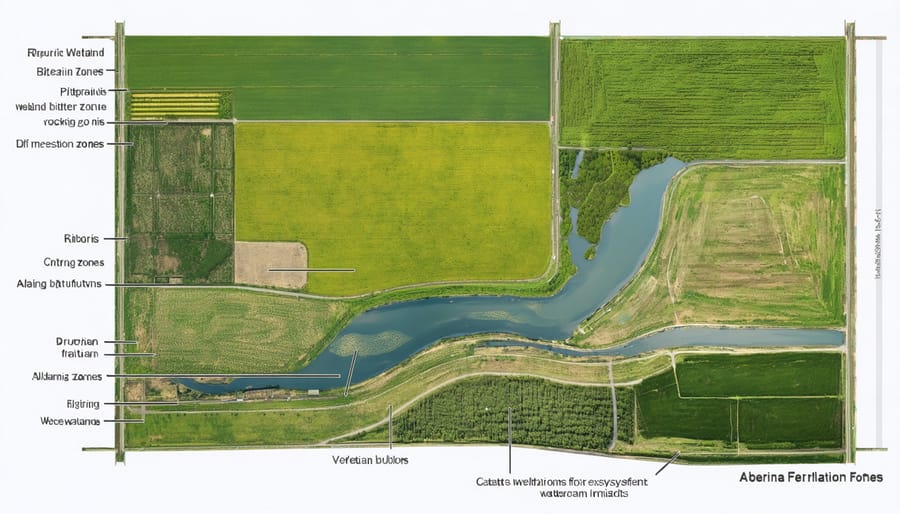
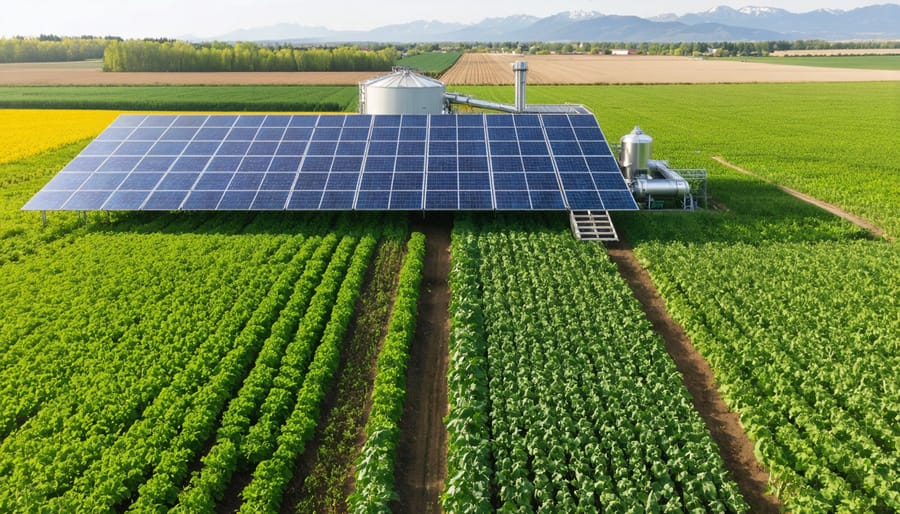
The cooperative implemented a phased approach starting in spring 2022. They replaced four diesel pumps with solar-electric systems at a cost of $340,000, with 25 percent covered by federal agricultural emissions reduction grants. They introduced aeration systems in three problem canal sections for $28,000, dramatically reducing methane production. Most importantly, they established vegetated buffer zones along 8 kilometres of canal edges, costing $15,000 in native grass seed and labour, which captured fertilizer runoff before it reached water systems.
By fall 2023, emission measurements showed remarkable progress. CO2 emissions dropped by 285 tonnes annually from the converted pump stations. Methane releases decreased by approximately 60 percent in treated canal sections. Nitrous oxide emissions fell by an estimated 40 percent thanks to the buffer zones.
The financial picture improved too. Reduced diesel consumption saved the cooperative $67,000 annually, creating a payback period of roughly eight years on their solar investment. More efficient water delivery reduced electricity costs by an additional $12,000 yearly. “This wasn’t just about being environmental stewards,” McAllister notes. “It made solid business sense for our member farms.”
Practical Steps to Lower Your Water Infrastructure Emissions
Immediate Actions That Cost Little or Nothing
You can start reducing greenhouse gas emissions from your water infrastructure today without significant investment. Begin by checking all irrigation equipment for leaks – even small drips waste energy and increase pumping frequency, which generates unnecessary CO2 emissions. Simply tightening connections and replacing worn gaskets can make an immediate difference.
Adjust your irrigation timing to reduce energy consumption. Run pumps during cooler morning or evening hours when evaporation is lower, reducing the total water and energy needed. This scheduling change costs nothing but can cut your electricity use by 15-20% according to Alberta Agriculture studies.
Monitor your dugouts and water storage areas weekly for visible methane bubbling or unusual odours. Take note of when and where you observe these signs, as this information helps identify problem areas before they worsen. Many farmers find that simply tracking these observations reveals patterns they can address through better water conservation practices.
Keep accurate records of your water usage, energy consumption, and any maintenance performed. This baseline data proves invaluable when you’re ready to invest in upgrades, helping you measure actual improvements and make informed decisions about where to focus your efforts.
Medium-Term Improvements Worth Planning For
Once you’ve tackled the quick wins, consider these medium-term improvements that typically require modest investment but deliver solid returns in emission reduction and operational efficiency.
Upgrading to variable frequency drive pumps can cut energy use by 20-40%, directly reducing the carbon footprint of your water distribution system. An irrigation operation near Lethbridge reported annual savings of $3,200 after installing VFD technology, with the system paying for itself within three years.
Redesigning your water infrastructure layout can eliminate unnecessary pumping. Map your current system to identify opportunities to use gravity flow where elevation allows. One mixed farm in central Alberta reduced methane-related energy emissions by relocating their livestock waterers to lower terrain, removing the need for constant uphill pumping.
Consider installing solar-powered aeration systems for dugouts and water storage. These systems prevent stratification and methane buildup while running on renewable energy. Provincial agricultural programs often provide cost-share funding for renewable energy upgrades, making this investment more accessible.
Upgrading aging pipes and connections prevents water loss that forces pumps to work harder. Even a 10% reduction in leakage translates to measurable energy savings and lower greenhouse gas emissions over time.
Long-Term Infrastructure Changes for Maximum Impact
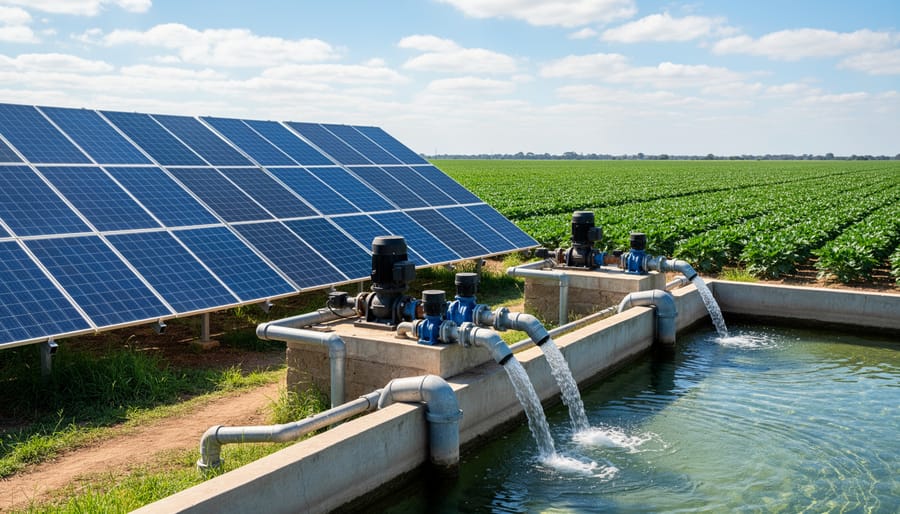
Major infrastructure investments deliver the greatest long-term impact in reducing emissions from farm water systems. Transitioning to renewable energy sources like solar-powered pumps and aerators eliminates CO2 from electricity generation while cutting operational costs. Advanced anaerobic digesters capture methane from livestock wastewater, converting it into usable biogas for heating or electricity. Upgrading to modern treatment systems with precise control mechanisms reduces nitrous oxide formation while improving water quality.
Canadian farmers can access substantial financial support through programs like the Canadian Agricultural Partnership’s Environmental Sustainability and Climate Change stream, offering up to 50 percent cost-sharing for eligible projects. Agriculture and Agri-Food Canada’s Agricultural Clean Technology Program provides repayable contributions for renewable energy installations. Alberta’s On-Farm Climate Action Fund specifically supports emissions reduction technologies. Many utilities also offer rebates for energy-efficient equipment upgrades.
Consider phased implementation to manage costs effectively. Start with energy audits to identify priority areas, then tackle high-impact changes first. These investments typically achieve payback within five to seven years while positioning your operation for future environmental regulations and market demands.
Expert Perspective: What Water and Climate Specialists Say
Dr. Sarah Chen, an agricultural engineer with Alberta Agriculture and Forestry, emphasizes a practical approach when addressing greenhouse gas emissions from farm water systems. “Start with what you can measure and manage,” she advises. “Most Alberta farmers will see the biggest impact by focusing on methane from manure storage and anaerobic lagoons. These emit 25 times more warming potential than CO2 over a 100-year period, so even small reductions matter significantly.”
Water management specialist James MacDonald, who works with irrigation districts across southern Alberta, suggests farmers prioritize based on their specific operations. “If you’re running electric pumps for irrigation, look at your energy source first. Switching to solar or wind can dramatically cut CO2 emissions. For livestock operations with water-intensive cleaning systems, proper aeration of lagoons prevents methane buildup without major infrastructure changes.”
Climate scientist Dr. Patricia Wong from the University of Alberta points to nitrogen management as an often-overlooked opportunity. “Nitrous oxide from fertilizer runoff into dugouts and drainage systems has 298 times the warming impact of CO2. Better timing of fertilizer application and maintaining vegetated buffer zones around water bodies can reduce these emissions by 30 to 40 percent.” She notes that these strategies also improve water quality and reduce input costs, creating multiple benefits for farm profitability and environmental stewardship.
Understanding the greenhouse gas emissions from your water infrastructure isn’t just about environmental responsibility—it’s an opportunity to make your operation more efficient and cost-effective. The three gases we’ve covered—carbon dioxide, methane, and nitrous oxide—all represent energy waste, water quality issues, or inefficient nutrient management. By addressing them, you’re tackling problems that likely affect your bottom line.
The encouraging news is that you don’t need to overhaul your entire system overnight. As we’ve seen from Alberta producers who’ve made these changes, small improvements compound over time. Repairing a pond aerator might seem minor, but preventing methane emissions while improving water quality delivers multiple benefits. Adjusting irrigation timing to reduce waterlogging doesn’t just cut nitrous oxide—it often improves crop yields too.
Start with assessment. Walk your water systems with fresh eyes. Where do you see stagnant water? Are your pumps running efficiently? Could your irrigation scheduling be tightened? Many agricultural service providers across Alberta now offer energy audits and water management assessments specifically designed for farms.
Remember, you’re not alone in this journey. Farmers across the prairies are already making these changes, often discovering that what’s good for reducing emissions is also good for their operations. The knowledge you’ve gained about carbon dioxide, methane, and nitrous oxide from water infrastructure gives you a practical framework to identify opportunities on your own land. Every improvement, no matter how small, moves your operation toward greater sustainability and efficiency.