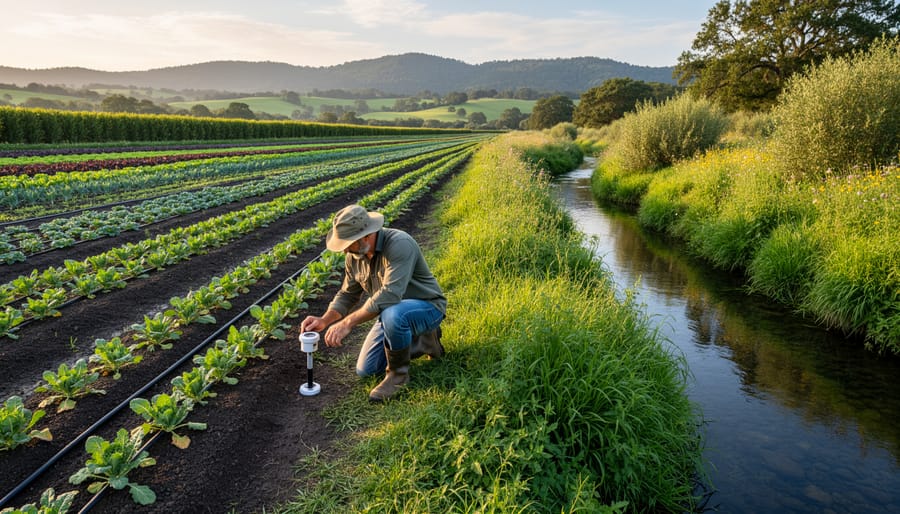
Water is the lifeblood of every farming operation, yet it remains one of agriculture’s most vulnerable resources. For organic producers across Canada, effective water stewardship isn’t just an environmental responsibility—it’s a certification requirement and a practical necessity for long-term farm viability.
Under organic standards, water stewardship encompasses three core principles: protecting water quality from contamination, using water efficiently to preserve local supplies, and maintaining healthy watersheds that support ecosystem function. These requirements reflect a growing recognition that sustainable agriculture depends on water systems that remain clean, abundant, and resilient through changing climate conditions.
Canadian organic farmers face distinct water challenges depending on their region. Prairie producers in Alberta and Saskatchewan navigate limited precipitation and increasing drought frequency, making every drop count during critical growing periods. Meanwhile, farmers in Ontario and Quebec manage abundant water supplies while preventing nutrient runoff into sensitive waterways. British Columbia operators balance irrigation needs with maintaining stream flows for salmon habitat.
Meeting organic water stewardship standards requires practical strategies adapted to your specific climate and soil conditions. This means implementing conservation techniques that reduce irrigation demands, establishing buffer zones that filter runoff before it reaches water bodies, and monitoring water quality to verify your practices are working. It also involves understanding your watershed—where your water comes from, where it goes, and how your management decisions affect water availability for your neighbours and downstream communities.
The following guidance draws from successful Canadian farms that have integrated water stewardship into their organic operations, demonstrating that protecting water resources and maintaining productive, profitable farms go hand in hand.
What Organic Water Stewardship Actually Means for Your Operation
The Three Pillars of Water Stewardship in Organic Standards
Water stewardship under organic standards rests on three interconnected pillars that protect this vital resource while supporting productive farming. Understanding these components helps you align your operation with certification requirements and build resilience into your land management approach.
The first pillar, water conservation, focuses on using water efficiently and minimizing waste. On Alberta farms, this might include installing soil moisture sensors to optimize irrigation timing, transitioning to drip systems that deliver water directly to plant roots, or implementing cover cropping to improve soil water retention. These sustainable practices reduce your water demand while maintaining crop productivity.
Water quality protection, the second pillar, addresses how farming activities impact water purity. Organic standards prohibit synthetic pesticides and fertilizers that can leach into groundwater or run off into surface water. Practical strategies include establishing vegetative buffer strips along waterways, properly managing compost to prevent nutrient runoff, and timing field applications to avoid frozen or saturated soil conditions common during Alberta’s spring thaw.
The third pillar, ecosystem health, recognizes that water supports entire living systems beyond your crops. Maintaining wetlands on your property, protecting riparian areas where land meets water, and preserving natural water flow patterns all contribute to biodiversity. Healthy aquatic ecosystems also benefit your operation by supporting beneficial insects, birds that control pests, and soil organisms essential for nutrient cycling.
Together, these three pillars create a comprehensive framework that keeps water resources abundant and clean for current operations and future generations.
How These Standards Protect Your Bottom Line
Implementing water stewardship standards isn’t just good environmental practice—it directly strengthens your farm’s financial health. Alberta producers who’ve adopted efficient irrigation systems report water cost reductions of 20-35% annually, with some operations saving over $15,000 per season. These savings compound over time, improving your operation’s resilience against rising input costs.
During drought conditions, farms with robust water management systems maintain productivity while neighbors struggle. Building healthy soil through organic practices increases water retention by up to 30%, meaning your crops access moisture longer between rainfall events. This natural insurance policy reduces crop loss risk and stabilizes yields across variable weather patterns.
The market rewards these practices too. Organic certification that includes documented water stewardship opens doors to premium buyers actively seeking environmentally responsible suppliers. Canadian organic products command price premiums of 20-40% over conventional alternatives, with water-conscious operations increasingly favored by major retailers and export markets. One southern Alberta grain producer noted that their water stewardship documentation became a key selling point with international buyers, securing contracts that boosted farm revenue by 18% in just two years.
Water Conservation Practices That Work in Canadian Conditions
Soil Health as Your Best Water Storage System
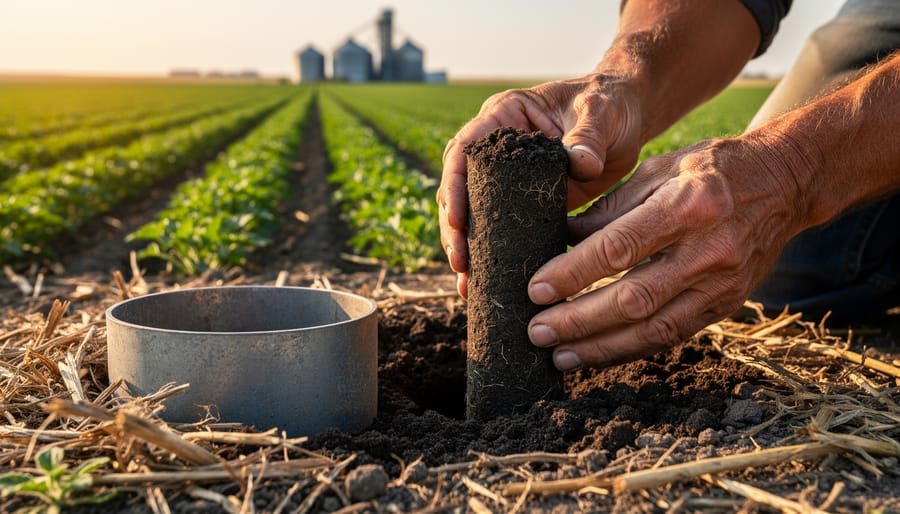
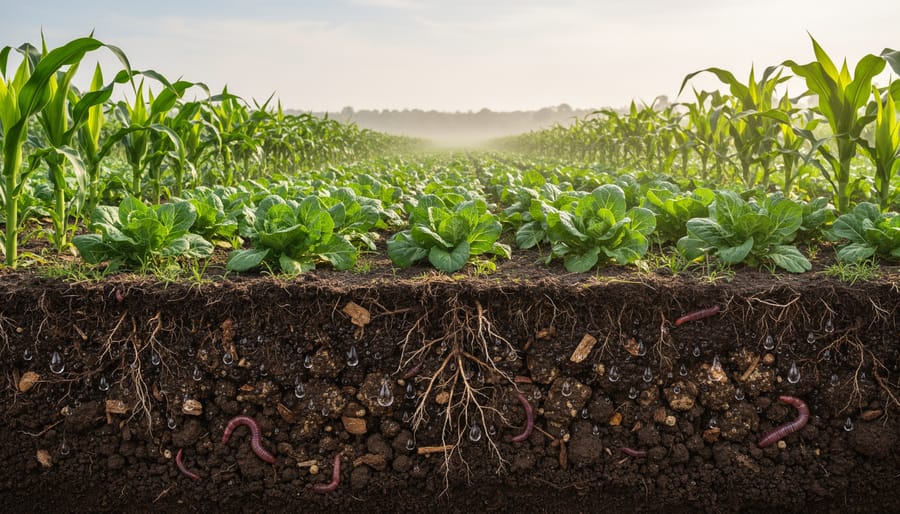
Your soil is working as a water storage system right now—the question is, how well? Healthy soil rich in organic matter acts like a sponge, holding moisture during dry periods and reducing runoff during heavy rains. This natural water retention is one of the most cost-effective tools available to Canadian farmers.
The numbers tell a compelling story. Each 1% increase in soil organic matter helps soil hold approximately 190,000 litres more water per hectare. For Alberta producers facing increasingly variable precipitation patterns, this can mean the difference between a stressed crop and a thriving one.
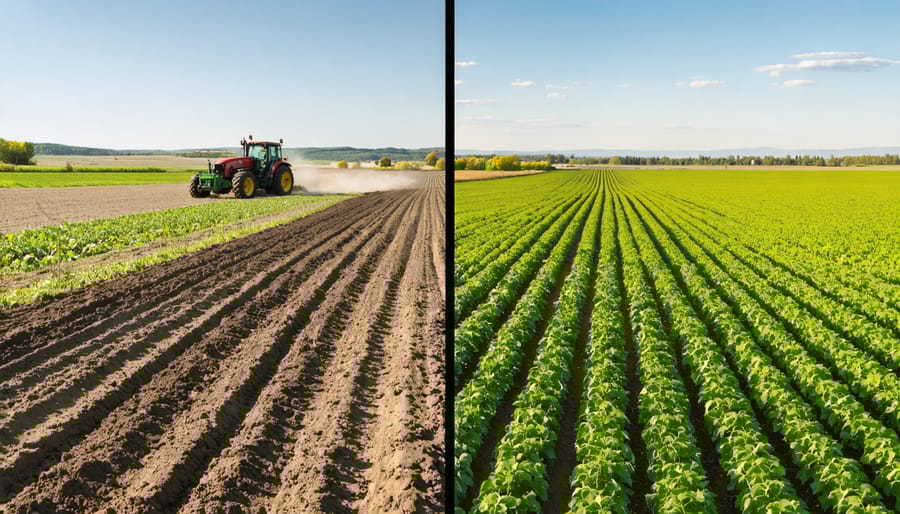
Building this capacity starts with proven organic practices. Cover cropping adds organic matter while protecting soil structure between cash crops. Composting returns nutrients and carbon to your fields, feeding the microbial communities that create soil aggregates—those small clusters that hold both air and water. Reduced tillage preserves these aggregates and maintains the pore spaces that allow water infiltration.
Saskatchewan farmer James Warick shared his experience implementing these practices: “After three years of cover cropping and reducing tillage, we noticed our fields staying workable longer after rain events. Water wasn’t pooling like it used to—it was actually infiltrating.”
Meeting soil health standards through organic certification naturally supports these water-holding improvements. The practices required for certification—like maintaining organic matter and avoiding synthetic inputs—align directly with building your soil’s water storage capacity. Think of improved water retention as a valuable side benefit of stewarding your soil’s long-term health.
Efficient Irrigation Under Organic Guidelines
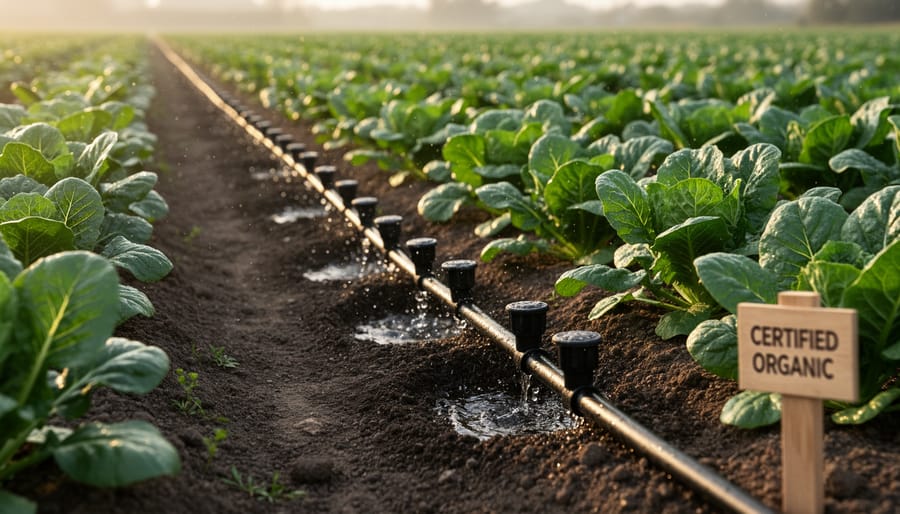
Drip irrigation systems deliver water directly to plant root zones, reducing evaporation losses by up to 60% compared to overhead sprinklers—a significant advantage during Alberta’s short, intense growing season. These systems align perfectly with organic certification requirements by minimizing water waste and reducing disease pressure from wet foliage.
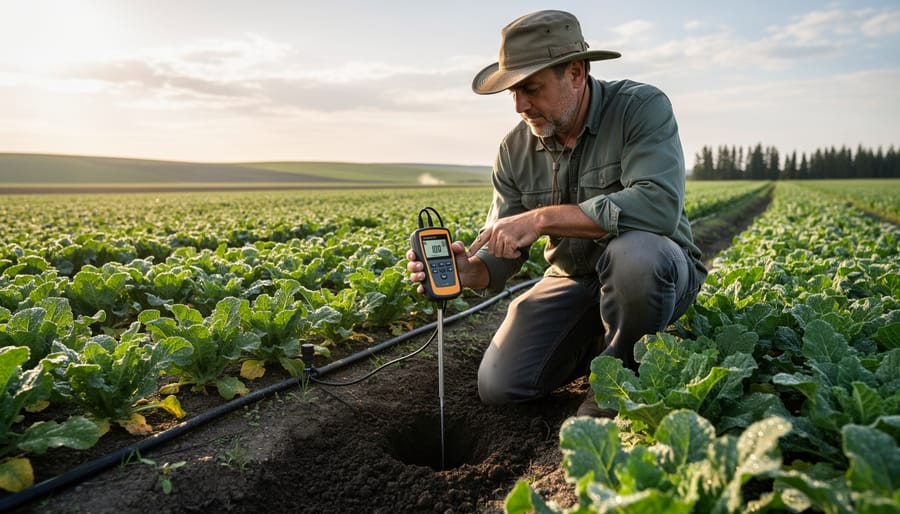
For Alberta’s variable climate, scheduling becomes critical. Monitor soil moisture using affordable tensiometers or digital probes placed at root depth, typically 15-30 cm for vegetables and 30-60 cm for perennials. During our compressed May-to-September growing window, check readings every 2-3 days, adjusting irrigation frequency as plants mature and weather patterns shift.
“We’ve cut our water use by 40% since switching to drip lines with moisture sensors,” explains Maria Thompson, who farms organically near Lethbridge. “The investment paid for itself in two seasons through water savings and healthier crops.”
Consider Alberta’s precipitation patterns when planning. Our region averages 400-450 mm annually, with unpredictable summer storms. Install rain shutoff devices on automated systems to prevent over-watering after natural rainfall events. Time applications for early morning to maximize absorption before afternoon winds increase evaporation.
Mulching around drip lines with organic materials like straw or compost further conserves moisture while meeting organic input standards. This combination approach helps you stretch limited water resources while maintaining certification compliance.
Capturing and Storing Water the Organic Way
Securing water supply through organic-compliant infrastructure strengthens your farm’s resilience during Alberta’s unpredictable weather patterns. Rainwater harvesting systems, from simple eave trough collection to large cisterns, capture precipitation for livestock watering and crop irrigation without introducing synthetic chemicals or prohibited substances into your water management system.
Dugouts require thoughtful management to maintain certification standards. Position them strategically to minimize contamination from feedlots or chemical storage areas, and establish vegetation buffers of at least 10 metres around edges. These buffer zones filter runoff naturally while providing wildlife habitat, addressing both water quality and biodiversity goals under organic standards.
Constructed wetlands offer dual benefits as natural water filtration systems and ecological assets. Dave Christensen, an organic grain producer near Lacombe, installed a two-hectare wetland that processes runoff from his fields while supporting waterfowl populations. His system demonstrates how water infrastructure can align with organic principles by working with natural processes rather than against them, providing both water security and environmental enhancement for your operation.
Protecting Water Quality: Your Responsibility and Your Advantage
Buffer Zones and Riparian Area Management
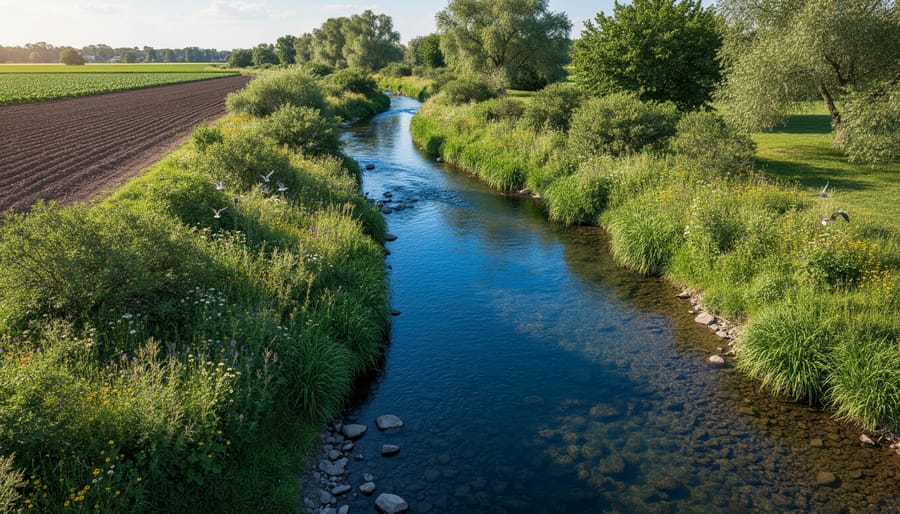
Protecting waterways on your operation is a fundamental requirement of organic certification and a practical way to safeguard water quality for your community. Canadian organic standards require buffer zones between production areas and water bodies to prevent contamination from field runoff and maintain healthy riparian ecosystems.
Minimum buffer distances typically range from 10 to 30 meters, depending on your certifying body, terrain slope, and the sensitivity of nearby water sources. Steeper slopes require wider buffers to effectively filter runoff before it reaches streams, rivers, or wetlands. Check with your certification agency for specific requirements, as some may accept reduced distances if you implement enhanced vegetative barriers.
Vegetation management within these zones focuses on establishing and maintaining perennial plants, native grasses, shrubs, and trees that stabilize soil and filter nutrients. Alberta producers have found success with native species like willow, red-osier dogwood, and rough fescue, which thrive in riparian conditions and require minimal maintenance once established.
Livestock access control is equally important. Install fencing to prevent animals from entering riparian areas, which protects stream banks from erosion and prevents manure from directly entering waterways. Provide alternative watering systems like nose pumps or off-stream troughs positioned outside buffer zones.
Prairie farmer James Kowalski reduced erosion by 60 percent after fencing his creek and planting native shrubs along a 20-meter buffer. “The wildlife returned within two seasons, and our water quality improved dramatically,” he notes, demonstrating how buffer zones benefit both certification compliance and farm ecology.
Managing Nutrients Without Synthetic Inputs
Protecting water quality while nourishing your crops starts with building healthy soil through organic-approved nutrient sources. Composting farm waste creates nutrient-rich amendments while reducing runoff risks—properly managed compost piles should reach 55-65°C to eliminate pathogens and weed seeds before field application.
Green manures and cover crops like hairy vetch or fall rye fix nitrogen naturally while preventing nutrient leaching during fallow periods. Alberta farmer James Kowalski reduced his synthetic nitrogen needs by 40% after incorporating winter cover crops into his rotation. “The timing made all the difference,” he explains. “Planting in late August gave roots time to establish before freeze-up.”
Timing nutrient applications to match crop uptake minimizes water contamination. Apply compost or manure in spring when plants actively grow rather than fall when nutrients can migrate into groundwater. Keep applications at least 30 metres from water bodies and avoid frozen or saturated soils.
Organic certification requires detailed nutrient management records documenting application rates, timing, and sources. Track soil test results annually to demonstrate you’re building fertility without over-applying. University of Alberta extension specialist Dr. Sarah Chen recommends soil testing every field annually during transition: “You’re learning how organic amendments behave differently than synthetics—consistent monitoring prevents both deficiencies and excesses that threaten water quality.”
Livestock Integration and Water Protection
Protecting water quality while integrating livestock requires strategic planning that meets organic standards. Start with proper manure management by establishing composting systems at least 30 metres from water sources, following organic certification requirements for pathogen reduction. Rotational grazing proves particularly effective in Alberta conditions—move cattle every 3-5 days to prevent overgrazing and soil compaction that leads to runoff. Design paddocks with buffer zones along riparian areas, keeping livestock at least 10 metres from streams and dugouts.
Install dedicated livestock watering systems using nose pumps or solar-powered trough systems positioned away from natural water bodies. This prevents direct contamination while reducing parasite transmission. Red Deer producer Sarah Mitchell reduced her water contamination by 75% after implementing off-stream watering and fencing waterways. Regular soil testing helps monitor nutrient levels, ensuring manure application rates don’t exceed crop needs. Winter feeding areas need particular attention—locate them on higher ground with vegetative buffers to capture spring melt runoff before it reaches water sources.
Real Alberta Farms Making Water Stewardship Work
Case Study: Reducing Irrigation by 30% While Improving Yields
When Jamie and Marcus Tanaka took over their family’s 240-hectare grain and pulse operation near Lethbridge in 2018, water costs were eating into their margins and soil health was declining. Today, their operation uses 30% less irrigation water while producing 15% higher yields—a transformation that earned them organic certification in 2022.
The Tanakas started by implementing cover cropping between cash crops, planting a mix of rye, vetch, and radishes that improved soil structure and water retention. “We were skeptical at first,” Jamie admits, “but after one season, we could see the difference. The soil held moisture longer, and we didn’t need to irrigate as frequently.”
They upgraded to variable rate irrigation technology, allowing them to apply water precisely where needed based on soil moisture sensors placed throughout their fields. This targeted approach eliminated overwatering in some areas while ensuring adequate moisture in others. Combined with reduced tillage practices that preserved soil aggregates, their fields now absorb and retain water more effectively.
The couple tracks soil organic matter annually, which has increased from 2.1% to 3.8% over five years. “Higher organic matter acts like a sponge,” Marcus explains. “We measured a 40% improvement in water infiltration rates.”
Their organic certification opened premium market opportunities, with buyers specifically interested in their water conservation story. The Tanakas estimate their combined water savings and premium prices have increased net income by approximately $85 per hectare annually.
Case Study: Protecting Watershed Health on a Livestock Operation
The Johnson family’s 240-hectare mixed cattle and grain operation near Lacombe, Alberta demonstrates how thoughtful water stewardship can support both livestock productivity and environmental health under organic certification. After transitioning to organic production in 2018, they’ve implemented several key practices that protect their watershed while maintaining a viable ranching operation.
“We realized early on that water quality wasn’t just about certification—it was about the long-term viability of our land,” explains Sarah Johnson, who manages the operation with her husband Tom. Their property includes 3 kilometres of riparian area along Blindman River, which they’ve systematically fenced off while creating designated livestock watering points.
The Johnsons use a rotational grazing system that moves their 80-head cow-calf herd through 15 paddocks on a 21-day cycle. This approach prevents overgrazing near water sources and allows vegetation recovery, reducing erosion and nutrient runoff. They’ve installed solar-powered watering systems that draw from the river but distribute water away from sensitive riparian zones.
Their manure management strategy includes composting bedding material for 90 days before field application, following organic standards that prevent pathogen contamination of groundwater. They apply composted manure during appropriate weather windows and avoid application on frozen ground or before heavy rainfall.
“The riparian buffer zones have become biodiversity hotspots on our farm,” Sarah notes. “We’re seeing more beneficial insects, improved water clarity, and healthier pastures overall.”
Since implementing these practices, the Johnsons have passed three organic inspections with no water-related concerns and have noticed improved forage quality in their grazing areas. Their experience shows that livestock operations can thrive while protecting watershed health through intentional management decisions.
Navigating Organic Water Stewardship Standards and Certification
What Canadian Organic Standards Require
The Canadian Organic Standards establish clear expectations for water stewardship that go beyond basic compliance. At their core, these standards require you to actively protect water quality and prevent contamination through thoughtful management practices.
You must maintain buffer zones between water sources and areas where approved substances are applied. This means keeping fertilizers, pest control products, and other inputs away from streams, ponds, and groundwater recharge zones. The standards prohibit any synthetic substances that could leach into groundwater or run off into surface water, making your input choices directly connected to water protection.
Documentation is a key component. You’ll need to record your water management practices, including irrigation schedules, water source monitoring, and any measures taken to prevent soil erosion and runoff. This creates a clear record of your stewardship efforts during certification audits.
The standards also encourage you to implement conservation practices like efficient irrigation systems and soil management techniques that improve water retention. While some requirements are mandatory, the standards recognize that each farm faces unique challenges. Working with your certification body, you can develop site-specific approaches that meet both regulatory expectations and your farm’s practical needs, ensuring water resources remain protected for future generations.
Creating Your Water Stewardship Plan
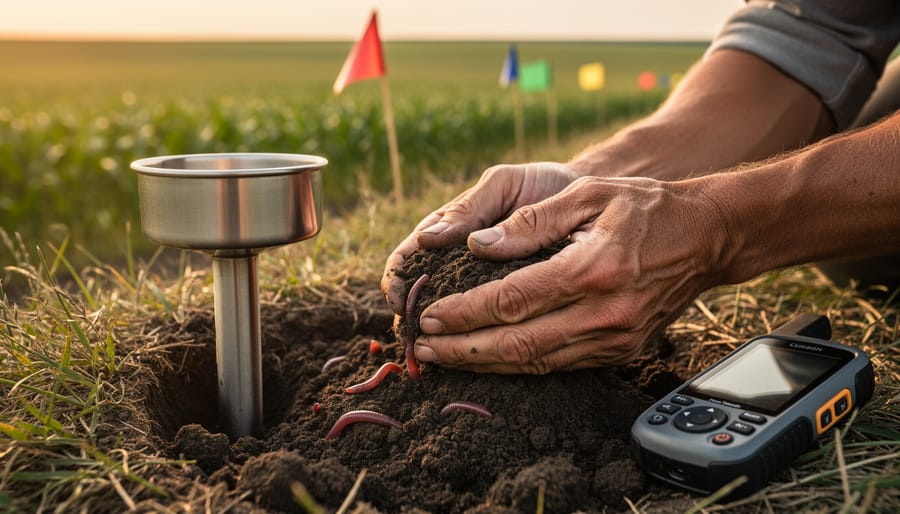
Developing a comprehensive water stewardship plan doesn’t have to be overwhelming. Start by conducting a thorough water assessment of your farm. Walk your property and map all water sources—wells, dugouts, streams, and irrigation systems. Document current usage patterns, seasonal variations, and any existing water quality concerns. Measure flow rates and storage capacity using metrics like litres per minute and cubic metres.
Next, set realistic goals based on your assessment findings. Perhaps you aim to reduce irrigation water use by 15% within two years or eliminate pesticide runoff into nearby waterways. Your goals should align with organic certification standards while reflecting your farm’s unique circumstances.
Select practices that match your goals and resources. This might include installing soil moisture sensors, establishing riparian buffers, or upgrading to drip irrigation. Consider what’s feasible for your operation and climate conditions.
Build these elements into your organic compliance plan with clear timelines and responsibilities. Establish a monitoring system to track progress—whether that’s monthly water meter readings or quarterly soil tests.
Alberta farmer Sarah Chen shares her experience: “Breaking the plan into manageable steps made it achievable. We started with one irrigation block and expanded from there.” Remember, your plan is a living document that evolves with your farm’s needs.
Expert Insights: The Future of Water on Canadian Farms
We spoke with Dr. Sarah Chen, an agronomist specializing in water management at the University of Alberta, and Marcus Brennan, an organic certification specialist with over 15 years of experience working with Prairie farmers, to understand what lies ahead for water stewardship on Canadian farms.
“Climate unpredictability is the new normal,” Dr. Chen explains. “We’re seeing more intense rainfall events followed by extended dry periods. Farmers need to shift from reactive to proactive water management—building soil organic matter, creating water storage capacity in fields, and diversifying water sources before crisis hits.”
Both experts emphasize that innovation doesn’t always mean expensive technology. “Some of the most effective water stewardship practices are low-cost or no-cost,” Brennan notes. “Cover cropping, strategic tillage reduction, and improving pasture management can dramatically change how your land handles water. We’re seeing Alberta farmers increase their soil’s water-holding capacity by 25 to 40 percent within three to five years using these approaches.”
Looking ahead, Dr. Chen highlights emerging opportunities in precision water management. “Affordable soil moisture sensors and weather forecasting tools are becoming game-changers. Farmers can make informed irrigation decisions based on real-time data rather than guesswork, reducing water use while maintaining or improving yields.”
When asked about advice for farmers feeling overwhelmed by climate uncertainty, Brennan is pragmatic. “Start with one field or one practice. Maybe it’s adding a cover crop mix after harvest or installing a simple rainwater catchment system. Document what you’re already doing well—most farmers are practicing water stewardship without realizing it. Build from there.”
Both experts agree that community knowledge-sharing will be critical. “Water doesn’t respect property lines,” Dr. Chen reminds us. “Watershed-level thinking and farmer-to-farmer learning networks will become increasingly valuable as we navigate these challenges together. The solutions exist, and Canadian farmers are already leading the way.”
Getting Started: Your Next Steps Toward Better Water Stewardship
Whether you’re exploring organic certification, already certified and looking to strengthen your water stewardship, or farming conventionally but interested in adopting organic water practices, there’s a clear path forward for your operation.
For farmers considering organic transition:
Start by conducting a simple water audit of your property. Map out water sources, drainage patterns, and areas where erosion occurs. This baseline assessment costs nothing but provides invaluable information. Connect with your local organic association to learn about certification requirements specific to water management. In Alberta, many available resources exist through provincial programs and organic support networks. Quick wins this season include establishing basic buffer strips along waterways (minimum 3 metres) and creating designated livestock watering areas away from streams.
For certified organic operations wanting to improve:
Review your current water management plan and identify one area for enhancement. Consider implementing rainwater harvesting systems, upgrading irrigation efficiency, or expanding riparian buffers beyond minimum requirements. Document your improvements for certification renewal and share successes with your organic community. Schedule a consultation with a water management specialist to explore funding opportunities for infrastructure upgrades.
For conventional farmers interested in organic practices:
You don’t need certification to adopt better water stewardship. Start with cover cropping to improve soil water retention, test soil health to reduce unnecessary inputs near water sources, and establish vegetative buffers. These practices improve water quality regardless of certification status and position you well should you choose organic transition later.
Connect with other farmers in your region who’ve successfully implemented these practices. Their experience navigating Alberta’s climate and water challenges will prove invaluable as you take your next steps forward.
Water stewardship extends far beyond simply meeting regulatory requirements—it’s a fundamental investment in your farm’s future. By thoughtfully managing this essential resource, you’re building resilience against drought, protecting the quality of community water supplies, and strengthening your operation’s long-term economic sustainability. The organic standards framework offers more than certification guidelines; it provides a proven roadmap for farms of all sizes to improve their water management practices while enhancing overall soil health and productivity.
The good news is that meaningful progress doesn’t require a complete overhaul of your operations overnight. Whether you’re already certified organic, transitioning, or simply exploring better water management practices, practical steps are available right now. Start by assessing your current water use patterns—where does water enter your farm, how is it used, and where does it go? Many Alberta producers have discovered that simple changes like adjusting irrigation timing, improving riparian buffers, or modifying tillage practices can yield significant benefits without major capital investment.
You don’t need to navigate this journey alone. Connect with your provincial organic association, reach out to neighbouring farms successfully implementing water conservation measures, or consult with agrologists familiar with your region’s specific conditions. The knowledge and support systems exist to help you succeed. Water stewardship isn’t just about preserving a resource—it’s about ensuring your farm thrives for generations to come. Take that first step today, and discover how protecting water can strengthen every aspect of your agricultural operation.