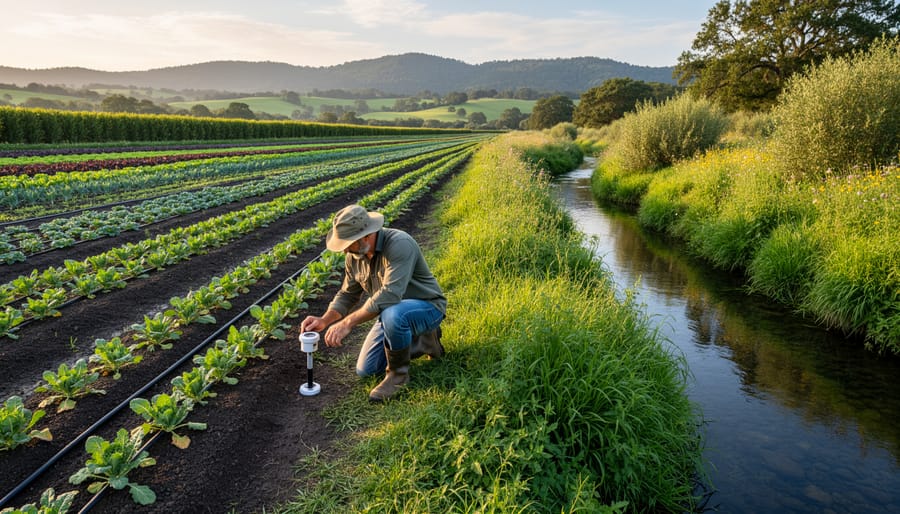
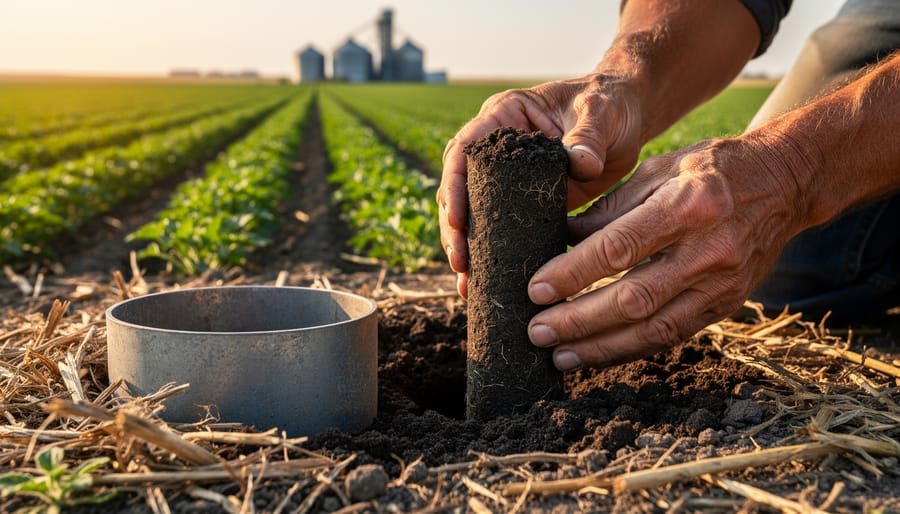
Outcome-based soil health standards are reshaping how farmers measure success—shifting from what you do to what you achieve in your fields. The Virginia Soil Health Coalition pioneered this approach by focusing on measurable soil improvements like water infiltration rates, organic matter percentages, and carbon sequestration rather than simply following prescribed practices. For Canadian farmers, this distinction matters because it offers flexibility to adapt methods to your specific climate, soil type, and operation size while still meeting certification requirements.
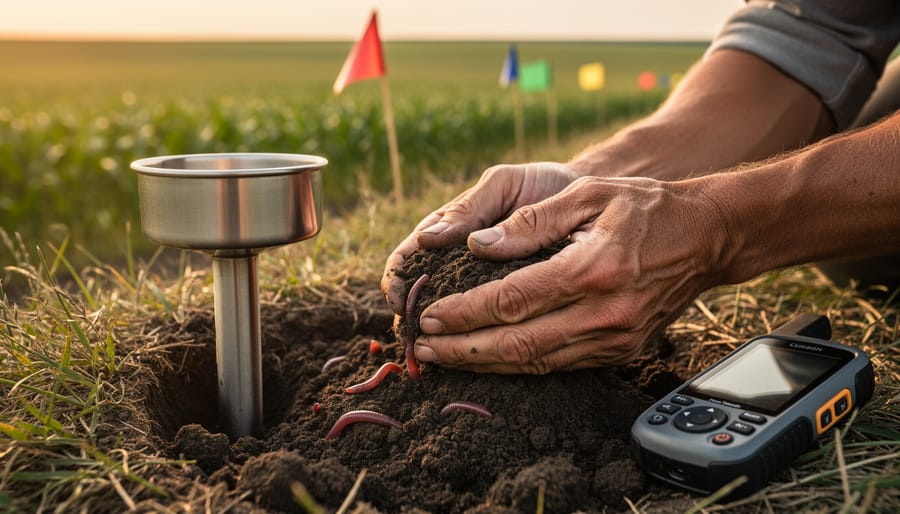
Track three key metrics on your farm starting this season: measure soil organic matter annually using laboratory testing, monitor water infiltration using a simple ring test after spring thaw, and document crop residue cover percentages throughout the growing season. These baseline measurements position you ahead of potential policy shifts as Canadian agricultural programs increasingly consider outcome-based frameworks similar to Virginia’s model.
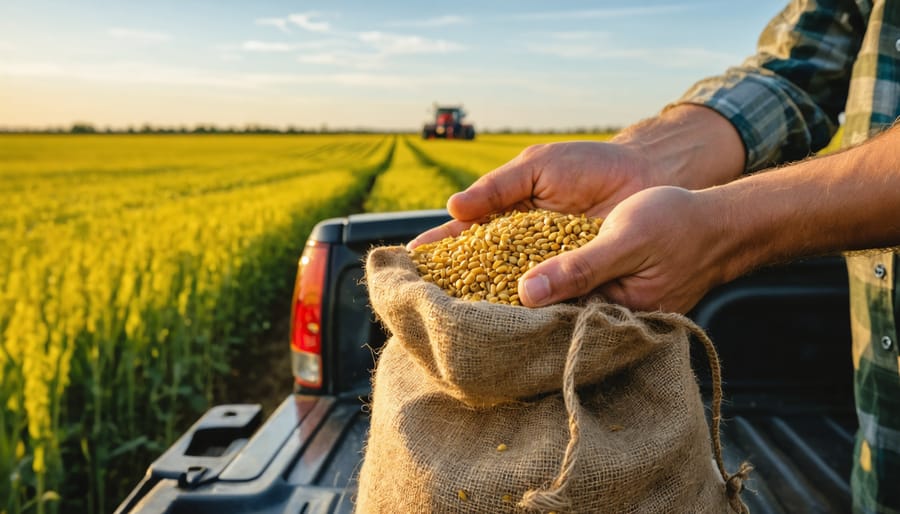
The economic advantages are tangible. Alberta producers adopting outcome-focused soil practices report reduced input costs averaging 15-20 percent within three years while maintaining yields, according to recent regional studies. This framework also opens doors to emerging carbon credit markets and premium pricing opportunities for regeneratively grown products—revenue streams that reward results rather than paperwork compliance.
Understanding the Virginia Soil Health Coalition’s Approach
Why Outcome Standards Matter More Than Practice Lists
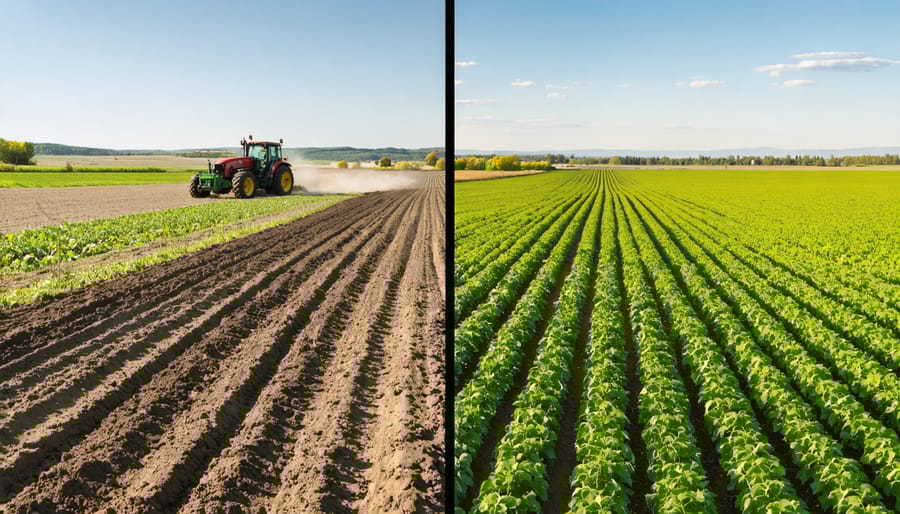
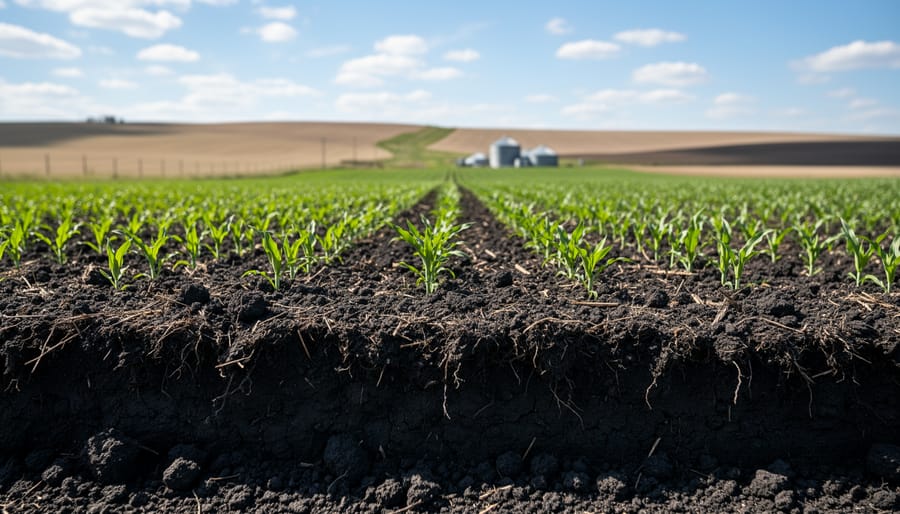
Traditional agriculture often focuses on what you do rather than what you achieve. Practice-based standards tell farmers to follow specific methods—apply this amendment, till at that depth, plant these cover crops. While well-intentioned, this approach doesn’t account for your unique farm conditions or guarantee results.
Outcome-based standards flip this model. Instead of mandating how you farm, they define what healthy soil should look like and measure whether you’re achieving it. The Virginia Soil Health Coalition pioneered this shift by developing soil health data standards that focus on measurable results like organic matter content, water infiltration rates, and biological activity.
For Alberta farmers, this distinction matters significantly. Imagine two producers both using cover crops. Under practice-based standards, both receive equal recognition simply for planting them. With outcome standards, the farmer whose soil actually improves—showing increased water-holding capacity or better aggregate stability—earns verification, while the other receives guidance to adjust their approach.
This outcomes focus offers real freedom. You choose methods that work for your specific soil type, climate, and operation. A producer in southern Alberta might achieve excellent soil health through different practices than someone farming in the Peace Region. The standards measure success, not conformity.
For Canadian farmers watching policy developments, this framework represents potential future certification pathways that reward results over rigid prescriptions, making sustainable practices more accessible and economically viable across diverse farming operations.
The Core Soil Health Outcomes Being Measured
How These Metrics Translate to Alberta’s Climate
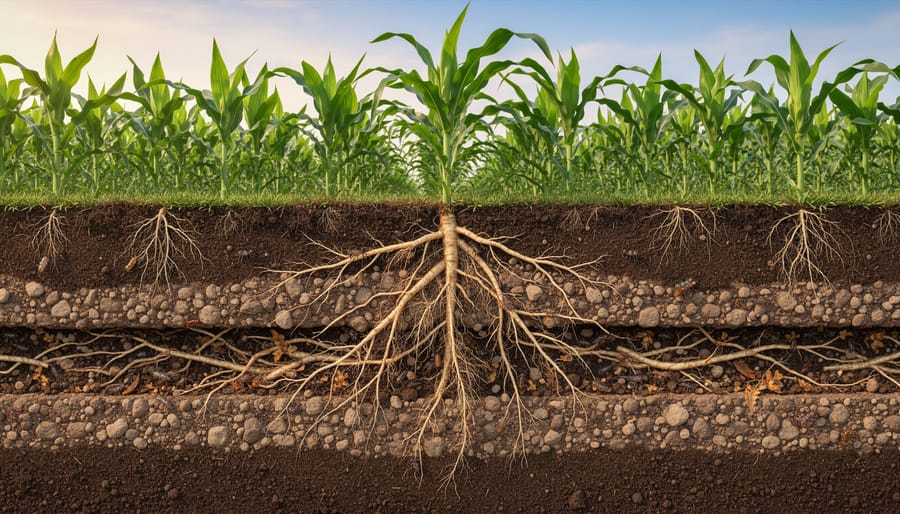
Virginia and Alberta face dramatically different growing conditions, which means soil health metrics require thoughtful adaptation for Prairie agriculture. While Virginia experiences humid subtropical conditions with 1,000-1,200 mm of annual rainfall, Alberta’s semi-arid climate receives just 400-450 mm in most farming regions. This fundamental difference affects how we interpret and apply outcome-based standards.
The Virginia Coalition prioritizes aggregate stability and infiltration rates—metrics designed for managing excess moisture. In Alberta, where water conservation is critical, these same measurements take on different target ranges. Alberta farmers need aggregate stability to capture and retain scarce precipitation rather than shed surplus water. Similarly, organic matter benchmarks differ significantly. Virginia’s naturally higher organic matter levels mean their baseline targets may not reflect success in Prairie soils, where 2-3% organic matter can represent excellent management under our conditions.
Temperature variations also matter. Alberta’s shorter growing season and freeze-thaw cycles create unique challenges for biological activity measurements. Soil respiration tests, a key indicator in Virginia’s framework, need seasonal adjustment here. What counts as strong microbial activity in May differs considerably from September readings.
The metrics most directly transferable to Alberta include soil compaction measurements, nutrient cycling efficiency, and erosion indicators. Wind erosion, barely relevant in humid Virginia, becomes a critical outcome standard on the Prairies. Dr. Angela Bedard-Haughn from the University of Saskatchewan notes that Canadian soil health assessment must account for “our distinct climate limitations while maintaining the outcome-focused philosophy.”
Alberta farmers should view Virginia’s framework as a proven methodology rather than a prescription. The approach—measuring results instead of dictating practices—translates perfectly. The specific benchmarks, however, need regional calibration based on our soil types, precipitation patterns, and growing degree days.
Canadian Organic Policy: Where We Stand Today
Canada’s approach to organic certification has traditionally emphasized input-based standards—focusing on what farmers can and cannot use rather than measuring environmental outcomes. The Canadian Organic Standards (COS), maintained by the Canadian General Standards Board and updated every five years, provide the regulatory framework for organic production across the country. While these standards include requirements for soil conservation and building soil fertility, they don’t specifically mandate measurable soil health outcomes.
Currently, COS addresses soil health through practices like crop rotation requirements, restrictions on synthetic inputs, and mandates for maintaining or improving soil organic matter. Farmers must demonstrate they’re following approved practices, but there’s no requirement to prove their soil is actually improving in measurable ways like aggregate stability, water infiltration rates, or biological activity.
This creates both a challenge and an opportunity. Dr. Sarah Hargreaves, an organic certification specialist based in Ontario, explains: “We know farmers who follow organic practices generally improve their soil, but we’re not systematically tracking those improvements. That data gap makes it harder to demonstrate the full environmental value of organic agriculture.”
The framework leaves room for innovation. Unlike rigid prescriptive rules, the current system allows certified organic farmers flexibility in how they achieve soil conservation goals. However, it also means some operations might meet the letter of the law while missing opportunities for significant soil health improvements. As conversations about outcome-based standards gain momentum internationally, Canadian farmers and policymakers are beginning to ask whether our system could benefit from incorporating measurable soil health benchmarks alongside existing practice-based requirements.
Lessons Alberta Farmers Can Apply Right Now
Starting Your Own Soil Health Measurement Program
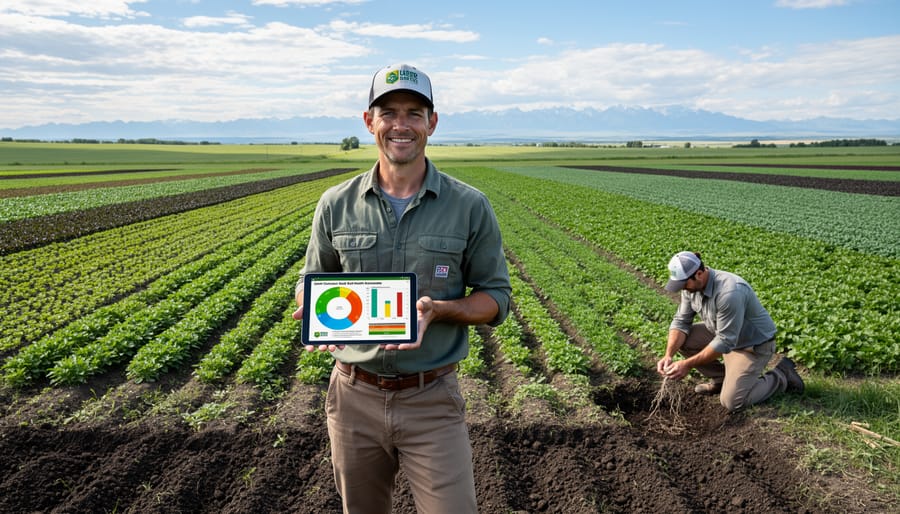
Starting your own soil health measurement program doesn’t require complicated equipment or a significant upfront investment. Begin with baseline testing during spring or fall when soil conditions are consistent. Contact your local agricultural fieldman or a certified soil testing laboratory to collect samples from representative areas of your fields. Aim for samples at depths of 0-15 cm and 15-30 cm to capture the full picture of your soil profile.
For Alberta conditions, prioritize metrics that reflect prairie-specific challenges and opportunities. Focus on organic matter content, which typically ranges from 3-6% in productive agricultural soils across the province. Test for aggregate stability, particularly important given our freeze-thaw cycles, and measure soil compaction using a penetrometer during dry conditions. Include biological indicators like earthworm counts and soil respiration tests, which can be done affordably through provincial agriculture programs.
Alberta Agriculture and Irrigation offers subsidized soil testing programs that reduce costs for farmers exploring sustainable practices in Alberta. Many producers find success testing the same fields annually for three years to establish trends, then switching to biennial monitoring once management practices stabilize.
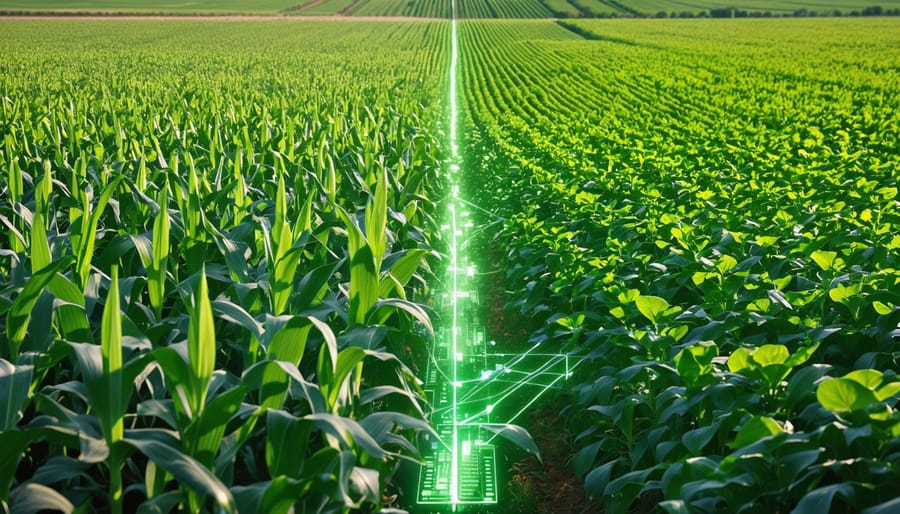
Document everything in a simple spreadsheet or farm management software. Record not just test results, but also weather patterns, crop rotations, and management changes. This creates a valuable reference showing how specific practices impact your soil health over time, helping you make data-driven decisions that improve both productivity and environmental outcomes.
The Economic Case for Outcome-Based Standards
While Virginia’s work on outcome-based standards offers valuable insights, Canadian farmers stand to gain significant financial advantages by adopting similar approaches. The economic benefits extend beyond environmental stewardship to tangible bottom-line improvements.
Premium market access represents one of the most immediate opportunities. Consumers increasingly seek products verified for soil health outcomes, creating price premiums of 15-30% for crops meeting specific biological and carbon benchmarks. Several Canadian food processors and retailers are already developing procurement programs that reward farmers demonstrating measurable soil improvement through organic matter increases and enhanced water infiltration rates.
Input cost reduction offers another compelling advantage. Farmers focusing on outcome-based soil health typically see fertilizer costs decrease by 20-40% over three to five years as soil biology improves nutrient cycling. A Manitoba organic grain operation documented savings of $62 per hectare annually after transitioning to practices measured by aggregate stability and microbial activity rather than simply following prescriptive methods.
Carbon credit markets present growing revenue potential. Alberta farmers adopting outcome-verified practices can access provincial and federal carbon offset programs. Recent protocol developments allow farmers to monetize soil carbon sequestration when they can demonstrate measurable increases in soil organic carbon stocks. Current prices range from $30-50 per tonne of CO2 equivalent, with some operations generating an additional $75-150 per hectare annually.
Consider the example of a 1,200-hectare organic operation near Red Deer, Alberta. By shifting focus to outcome measurements—tracking soil respiration rates, water-stable aggregates, and carbon content—the farm qualified for premium grain contracts, reduced synthetic input costs by $48,000 annually, and enrolled 400 hectares in carbon credit programs generating $42,000 in additional revenue. This outcome-focused approach transformed soil health from an environmental goal into a profitable business strategy.
Virginia’s groundwork with outcome-based soil health standards offers Canadian farmers a clear roadmap forward. While our organic systems currently rely on prescriptive input lists, the movement toward measurable outcomes like soil organic matter, water infiltration rates, and biological activity represents a practical evolution that respects both conventional and organic approaches. For Alberta farmers specifically, this isn’t about waiting for policy changes—it’s about starting now.
Begin by establishing baseline measurements on your operation. Simple tests for soil organic carbon, aggregate stability, and earthworm populations cost less than you might expect and provide concrete data to track your progress. Connect with your local agricultural extension office or soil testing lab to identify which metrics matter most for your crops and climate conditions.
The conversation around outcome standards is gaining momentum across Canada, and your voice matters. Join regional farming networks, attend soil health workshops, and share your experiences with measurable practices. As Virginia demonstrates, farmer-led initiatives often shape the most practical policies. Stay informed about provincial agricultural policy consultations and contribute your perspective—grounded experience from the field drives meaningful change. Together, we’re building resilient farming systems that work for our land, our livelihoods, and future generations.