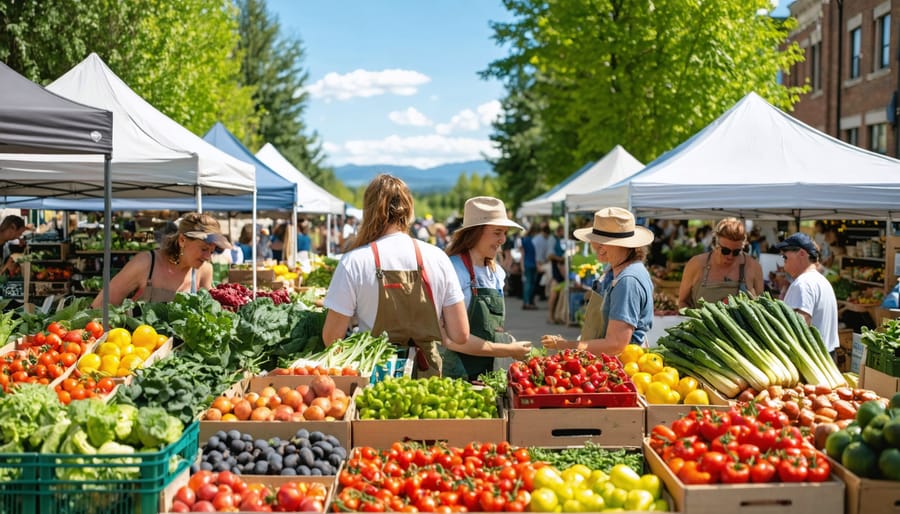
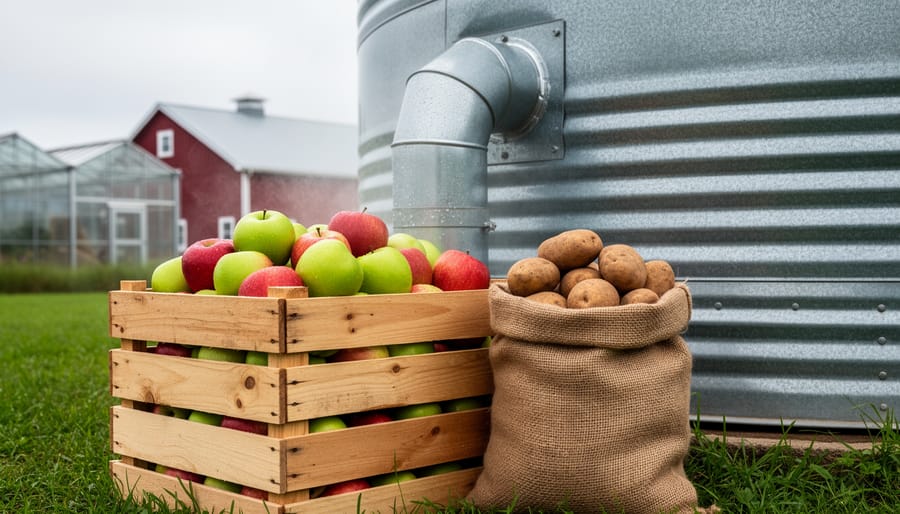
Post harvest losses are the measurable reduction in quantity, quality, or commercial value of food that occurs between harvest and consumption. For Canadian farmers, these losses translate directly to reduced income, wasted labour, and missed market opportunities. Every bushel of grain spoiled in storage, every crate of apples bruised during transport, and every potato rejected at the packinghouse represents profit that never reaches the farm gate.
The scale of the problem demands attention. Estimates suggest that post harvest losses account for 10 to 40 percent of total production across different crops and handling systems, with higher-value perishables like fruits and vegetables particularly vulnerable. In Canadian agriculture, where thin margins define profitability for many operations, even a 5 percent reduction in losses can mean the difference between a profitable season and a financial setback.
These losses don’t happen in a single moment. They accumulate through a chain of events: improper cooling after harvest, inadequate storage conditions, rough handling during grading and packing, delays in transportation, and storage pests or diseases that take hold when conditions allow. Each step from field to market introduces risk.
What makes post harvest losses particularly frustrating is their preventability. Unlike weather or commodity prices, farmers and handlers can control most of the factors that cause these losses through better infrastructure, improved handling protocols, and timely intervention. The solutions exist, many of them proven on Canadian farms facing similar climate challenges and market distances.
Understanding where losses occur, what triggers them, and which prevention strategies deliver the best return on investment gives producers concrete tools to protect their harvest investment. The following sections break down the mechanisms behind post harvest losses, the different types you’ll encounter across various crops, and the practical interventions that Alberta producers are using right now to keep more of what they grow.
What Post Harvest Losses Mean for Canadian Farms
Post harvest losses represent the measurable decrease in quantity or quality of agricultural products that occurs between the moment of harvest and the point of consumption. On Canadian farms, this encompasses everything from grain left in the field due to combine inefficiency to canola downgraded at the elevator because of moisture damage, pulse crops that sprout in storage during Alberta’s unpredictable autumn weather, and vegetables that deteriorate before reaching market. These losses translate directly to reduced farm income and wasted inputs, the fuel, fertilizer, labour, and land that went into producing crops that never deliver their full value.
Understanding what qualifies as a post harvest loss requires recognizing four distinct but interconnected dimensions:
- Physical Loss
- The actual reduction in weight or volume of the harvested product, such as grain spilled during handling or potatoes left unharvested in the field. This is the most visible form of loss and the easiest to measure.
- Quality Loss
- Deterioration that reduces the grade, appearance, or processing characteristics of the product without necessarily reducing quantity. Examples include wheat downgraded from No. 1 to No. 2 due to weather damage or apples with storage scald that make them unsaleable as fresh fruit.
- Economic Loss
- The financial impact when products lose market value even if physical quantity remains unchanged. This occurs when delayed harvest causes a premium crop to miss contracted delivery windows or when storage issues force farmers to sell at off-season low prices.
- Food Loss vs. Food Waste
- Food loss specifically refers to decreases in edible food mass during production, post-harvest, and processing stages, while food waste occurs at retail and consumer levels. On Canadian farms, we primarily deal with food loss through the supply chain before products reach stores.
For a Saskatchewan wheat producer, post harvest losses might include the two percent of grain left in the field because the combine header couldn’t handle lodged stems, the downgrading of 200 tonnes from No. 1 to feed grade after a bin roof leak, and the rejected load at the terminal due to elevated moisture content. Each represents lost revenue against the same production costs. A vegetable grower near Edmonton faces different but equally significant losses: carrots culled for cosmetic defects that consumers would never see, storage losses to rot during the long prairie winter, and product that meets food safety standards but falls outside retail specifications for size or shape.
How Post Harvest Losses Occur in the Supply Chain
During Harvest and Field Operations
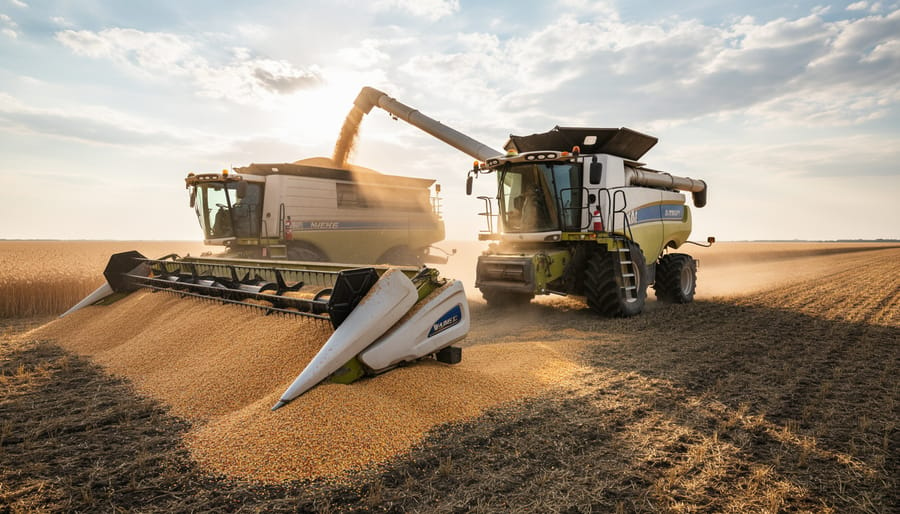
Harvest losses begin the moment equipment enters the field. Mechanical damage drives harvest loss through shatter, shattering pods, and grain knocked to the ground by combine headers and reels. Incorrect header height, excessive reel speed, or worn concaves can double losses in pulses and cereals within minutes. Alberta’s compressed harvest window leaves little room for error: a farmer racing against September frost may push wet grain through the combine, cracking kernels and reducing grade, or delay until conditions turn, risking weather damage and shattering. Mechanical damage during harvesting also occurs when augers and conveyors drop grain from excessive heights, fracturing seed coats and inviting mold. Equipment calibration matters. A combine set for wheat will shatter canola; a misadjusted air setting blows lightweight seed over the sieves. Many prairie operators measure losses by counting kernels per square foot behind the machine, adjusting settings mid-field to recover two to five bushels per acre that would otherwise stay on the ground. Timely maintenance and operator training turn these preventable losses into captured yield.
In Storage and Handling Systems
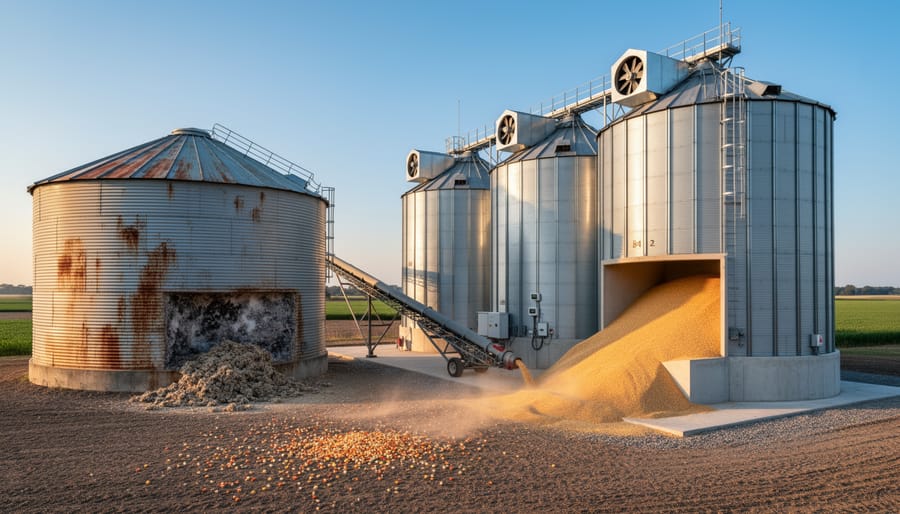
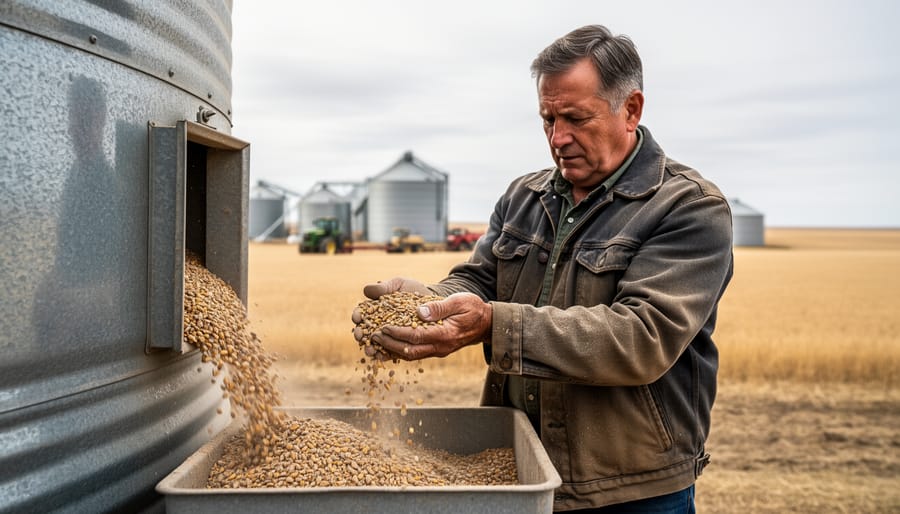
Storage conditions account for up to 30% of grain losses on prairie farms, with temperature fluctuations and moisture migration causing the most severe damage. Once crops leave the field, maintaining grain quality requires constant vigilance in storage facilities that often weren’t designed for today’s larger yields or changing climate patterns.
Most Alberta grain bins lack the aeration capacity needed for extended storage periods. When warm grain meets cold bin walls during fall temperature swings, moisture condenses and migrates upward, creating hot spots where mold proliferates within days. A single poorly managed moisture pocket can spoil an entire bin section, turning marketable grain into feed-grade product or complete loss.
Temperature monitoring remains the weakest link in many storage operations. Farmers checking bins weekly might miss critical changes, while grain stored above 15°C for extended periods invites insect infestations that spread rapidly through the entire storage system. The economics mirror principles of water economics where small inefficiencies compound into major losses over time.
Inadequate handling equipment contributes mechanical damage during loading and unloading cycles. Grain augers running at excessive speeds crack kernels, particularly pulse crops, reducing grade and market value. Each transfer point adds stress, with some operations moving grain four or five times before sale, accumulating damage with every handling event.
Throughout Processing and Distribution
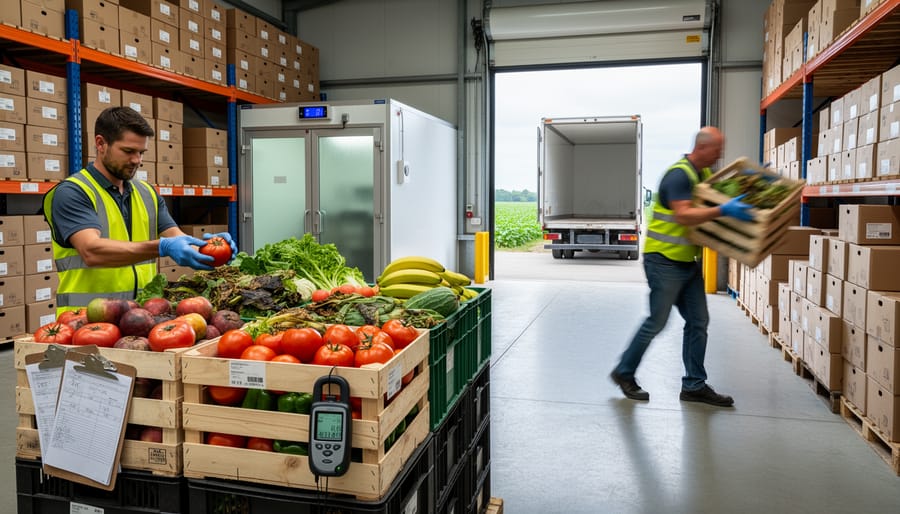
Once crops leave the farm, they enter a supply chain where every transition point introduces loss risk. Transport vibrations damage delicate produce during long hauls across prairie provinces, while inadequate refrigeration in trucks accelerates spoilage of vegetables and berries destined for distant markets. Processing facilities often lack the capacity or technology to handle peak harvest volumes, forcing delays that degrade quality before commodities even reach grading lines.
Market access compounds these challenges for Alberta producers. Small-scale farmers face minimum volume requirements that exclude them from efficient distribution networks, while processors designed for commodity crops struggle to maintain specialty product integrity. The infrastructure gap between farm gate and consumer creates bottlenecks where grain accumulates moisture in transfer stations, potatoes bruise during multiple handling stages, and pulse crops lose their premium grading status. Building greener supply chains means addressing these systemic weaknesses with coordinated infrastructure investments and logistics partnerships that preserve both product value and environmental outcomes throughout the distribution system.
Types of Post Harvest Losses on Canadian Farms
Canadian farms experience post harvest losses across multiple dimensions, and understanding these categories helps producers target their prevention efforts where they matter most.
Quantitative versus Qualitative Losses
Physical quantity losses represent the most visible form of deterioration. A grain farmer in Lethbridge might lose 50 kilograms of wheat per tonne through spillage during handling, wind dispersal at the combine, or rodent consumption in storage. These losses directly reduce the volume available for sale.
Qualitative losses damage the remaining product’s value without reducing its weight. When stored canola develops heat damage, farmers still have the same number of tonnes but receive lower grades and significantly reduced prices. A 200-tonne bin of grade 1 canola worth $700 per tonne drops to grade 3 and fetches only $550 per tonne, costing $30,000 in lost revenue despite losing no physical product.
Commodity-Specific Loss Patterns
Grain and oilseed operations face different challenges than specialty crop producers. Wheat, barley, and canola losses concentrate in storage and handling stages, where moisture migration, insect infestations, and mould development cause the most damage. A typical prairie grain bin loses 2 to 5 percent of its value annually through quality degradation alone.
Pulse crops including lentils, chickpeas, and field peas experience higher harvest losses due to pod shattering and low cutting heights. Alberta pulse producers commonly leave 10 to 15 percent of their crop on the ground during combining, particularly in dry conditions when plants become brittle.
Fresh vegetable operations deal with rapid deterioration windows. Potato farmers in southern Alberta must move their crop from field to controlled storage within hours to prevent moisture loss and sprouting. Leafy greens deteriorate within days, making every delay between harvest and cooling a potential economic loss.
Livestock products create unique loss categories. Meat quality degrades through improper chilling, contamination, or transportation stress. Dairy operations lose value when milk temperature rises above 4 degrees Celsius during collection and transport.
Stage-Based Classification
Pre-harvest losses occur when crops deteriorate in the field before combining. Hail damage, bird predation, or disease infection that happens days before harvest still qualifies as a post harvest economic loss if it reduces marketable yield.
Harvest losses happen during collection operations. Combine header losses, threshing damage, and grain cracking from excessive cylinder speed all fall into this category.
Storage losses develop over weeks or months as products sit in bins, warehouses, or cold storage facilities awaiting sale or processing.
How Farmers Apply Post Harvest Loss Reduction Strategies
On-Farm Infrastructure Solutions
Modern grain storage bins with proper aeration can cut moisture-related losses from 8-12% down to 2-3% on Alberta farms, a reduction that pays for infrastructure upgrades within two to three harvest cycles. A 5,000-bushel steel bin with integrated floor aeration costs approximately $18,000-$25,000 installed, while adding aeration to existing bins runs $3,500-$6,000 depending on fan capacity and bin diameter.
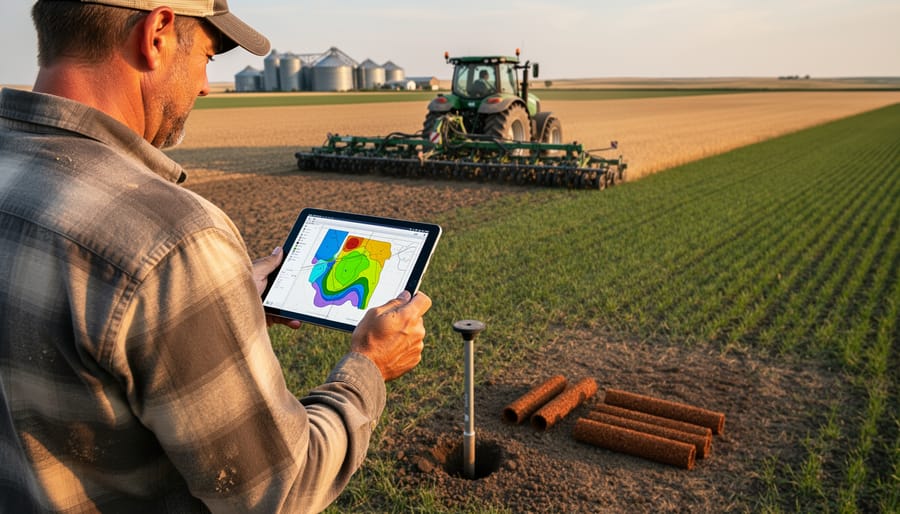
Temperature monitoring systems represent the next critical investment. Automated cable systems tracking temperature at multiple points throughout stored grain cost $1,200-$2,500 per bin but catch hot spots before spoilage spreads. One Lethbridge operation credits real-time monitoring with saving 400 bushels of canola worth $6,800 by detecting a heating pocket within 48 hours of occurrence.
For pulse crops, upgraded handling systems minimize mechanical damage that creates entry points for fungal infection. Replacing conventional augers with pneumatic conveyors reduces lentil splitting from 12% to under 4%, preserving premium grades. A 6-inch pneumatic system suitable for a mid-sized operation runs $8,000-$12,000 installed.
Concrete pad replacements eliminate moisture migration from soil into stored commodities. Sealing a 10-metre by 15-metre storage area costs $4,500-$7,000 in materials and labour but eliminates bottom-layer losses that can reach 5-8% annually in grain piles on bare ground.
Management and Operational Practices
Timing harvest within the narrow Alberta weather window represents the single most critical operational decision affecting post harvest outcomes. Delaying grain cutting by even three days after optimal moisture levels can increase kernel cracking by 15-20%, while harvesting too early forces extended drying that damages seed viability. Progressive prairie farmers now use portable moisture meters in multiple field zones twice daily during the harvest period, creating decision maps that prioritize which fields to cut first based on actual grain condition rather than calendar dates.
Daily monitoring protocols prevent small problems from becoming catastrophic losses. Walking stored grain bins weekly to check for hot spots, condensation patterns, and pest activity catches developing issues when intervention costs remain minimal. Temperature cables placed at three-metre intervals in larger bins provide real-time data that triggers aeration adjustments before quality deteriorates. One central Alberta producer credits this systematic monitoring approach with reducing storage losses from 8% to under 2% over three seasons.
Integrated pest management for stored commodities combines exclusion, sanitation, and targeted treatment rather than blanket pesticide applications. Cleaning bins between storage cycles, sealing structural gaps against rodents, and maintaining grain temperatures below 15°C during summer months eliminates most pest pressure without chemical inputs. When infestations do occur, localized spot treatments address the problem area while preserving the broader commodity value and organic certification status where applicable.
Technology and Innovation Adoption
Progressive Canadian farms are turning to technology to cut post harvest losses significantly. Precision agriculture systems now combine moisture sensors, grain temperature monitors, and automated aeration controls that respond to real-time conditions in storage bins. Alberta producers report 3-8% reductions in grain losses after installing wireless sensor networks that alert them to hot spots or moisture migration before damage occurs.
Data-driven inventory management software helps farmers track quality metrics from field to sale, identifying exactly where losses happen and quantifying their dollar impact. Some operations use drone-based crop monitoring during harvest to optimize timing and reduce field losses, while others deploy AI-powered sorting systems that catch quality issues before products reach market. The investment ranges from $2,000 for basic sensor packages to $50,000 for integrated systems, but farms typically recover costs within two to three years through reduced shrinkage and premium retention.
The Economics of Post Harvest Losses in Sustainable Agriculture
Every percentage point of post harvest loss shaved off a farm’s operation directly improves the bottom line. When an Alberta grain producer loses five percent of their canola crop to storage issues, that’s not just lost bushels, it’s lost revenue that already had production costs attached. The economics cut both ways: you’ve spent money on seed, fertilizer, fuel, and labour to grow that crop, and now you’re watching your investment literally rot in the bin.
The direct financial hit is straightforward math. Take a 2,000-acre wheat operation averaging 50 bushels per acre at $8 per bushel. A conservative three percent post harvest loss equals 3,000 bushels, or $24,000 in annual revenue that never makes it to market. Multiply that across a decade, and you’re looking at $240,000, enough to finance significant infrastructure upgrades or expand the operation. But farmers who track their numbers closely know the hidden costs stack up beyond the obvious missing revenue. Spoiled grain contaminates good grain. Pest infestations that start in one bin spread to others. Quality downgrades force you to accept feed prices instead of milling premiums. Emergency bin cleanouts and disposal costs add insult to injury.
The return on investment for loss prevention tells a more optimistic story. A $40,000 investment in proper aeration systems and moisture monitoring typically pays for itself within three to five years through reduced spoilage alone, not counting the quality premiums you maintain or the extended marketing flexibility. This connects directly to smarter agro-finance decisions, when you can demonstrate lower loss rates and more consistent quality, you improve your risk profile for lenders and create more stable cash flow for reinvestment.
Loss reduction isn’t separate from sustainability goals; it’s foundational to them. Every tonne of food we lose represents wasted water, wasted soil nutrients, and unnecessary greenhouse gas emissions from production activities that yielded nothing. Economically resilient farms treat loss prevention as a profit centre, not a cost centre. They invest in infrastructure, train their teams on proper handling, and monitor their systems because they’ve done the math and know that shrinking losses by even two percent fundamentally changes their operating margins. In prairie agriculture, where weather and market volatility already squeeze profitability, controlling what you can control, like how much crop you successfully get from field to buyer, becomes a competitive advantage.
How Post Harvest Losses Works
Post harvest losses work through a cascade of biological, physical, and environmental processes that begin the moment a crop is detached from its source of nutrition. When you cut grain or pull vegetables, the plant material stops receiving nutrients and water but remains metabolically active. Respiration continues, breaking down sugars and starches for energy, which generates heat and moisture inside storage areas. This creates ideal conditions for mold growth and insect activity.
Simultaneously, physical damage from handling opens entry points for pathogens. A bruised potato or cracked grain kernel loses its protective barrier, accelerating deterioration. Temperature fluctuations cause condensation in grain bins, creating moisture pockets where spoilage spreads rapidly through the bulk. Enzymes within the plant tissue continue working, softening texture and degrading nutritional quality even without visible rot.
The economic loss compounds at each stage. A 2% moisture increase in stored wheat might seem minor, but it reduces grade classification and price per tonne while increasing the risk of total spoilage. Principles from agroecology emphasize working with these natural processes rather than against them. Understanding these mechanisms helps you identify where intervention delivers the highest return, whether that’s improved ventilation, faster drying, or better timing of harvest operations before weather damage occurs.
Common Questions About Post Harvest Losses
How do I measure my actual post harvest losses on my farm?
Start by weighing samples before and after storage, tracking rejected loads at delivery, and monitoring bin conditions for spoilage indicators like hot spots or off-odours. Many Alberta producers use simple moisture meters and regular bin checks combined with records of what went in versus what came out to calculate percentage losses across their operation.
What percentage of loss is considered normal in Canadian grain production?
Industry benchmarks suggest 2-5% total losses from harvest through storage are typical for well-managed prairie operations, though this varies by crop and storage duration. Losses exceeding 7-8% usually indicate problems with equipment, storage conditions, or handling that deserve immediate attention.
Are there government programs to help reduce post harvest losses?
Agriculture and Agri-Food Canada offers cost-share programs through the Canadian Agricultural Partnership for on-farm infrastructure improvements including storage and handling equipment. Provincial programs in Alberta also provide support for grain storage construction and aeration system upgrades, with funding details changing annually.
What’s the best first investment for reducing losses on a typical grain farm?
A quality grain bin aeration system typically delivers the highest return, preventing moisture migration and temperature-related spoilage that account for the majority of storage losses. The investment usually pays for itself within two to three years through better grain quality and reduced shrinkage.
How do post harvest losses affect my crop insurance claims?
Most crop insurance in Canada covers production losses up to harvest but not post harvest deterioration, making loss prevention critical for protecting your investment. Documenting proper storage practices and maintaining equipment records can sometimes support claims if losses result from insurable perils like power outages during extreme weather events.
Beyond these common concerns, producers often ask about the relationship between harvest timing and subsequent storage losses. Crops harvested at optimal moisture levels experience fewer problems in storage, but the short Alberta harvest window sometimes forces compromises. Investing in drying capacity or prioritizing which fields to harvest first based on maturity and moisture can substantially reduce downstream losses without requiring expensive infrastructure overhauls.
The economic calculation for any loss reduction strategy should account for both the direct cost savings from preserved grain and the indirect benefits of improved quality and market flexibility. A farmer who reduces losses by 3% on 5,000 tonnes of canola at current prices saves roughly $45,000 annually, making even significant equipment investments financially viable over a reasonable timeframe.
Reducing post harvest losses represents both a practical economic necessity and an environmental responsibility for Canadian farms. Every tonne of grain that deteriorates in storage, every bushel damaged during harvest, and every load rejected at market represents lost revenue that directly impacts your operation’s bottom line. The cumulative effect of these losses can mean the difference between a profitable season and one where margins disappear despite strong production.
The connection between loss reduction and sustainable agro-economics extends beyond individual farm profitability. When you prevent losses, you maximize the value extracted from every input, the fuel, fertilizer, labour, and land that went into production. This efficiency reduces the environmental footprint per unit of food delivered to consumers while strengthening the economic resilience of your operation.
Take time to honestly assess where losses occur in your own system. Walk through your harvest process, inspect your storage facilities, and calculate what these losses actually cost you. Most Canadian farmers discover they’re leaving more money on the table than they realized.
The knowledge and solutions to reduce post harvest losses continue to evolve through shared experience within our agricultural community. The farmers who actively work to minimize losses, share their results, and adopt proven practices are building more profitable and sustainable operations. Your next harvest season offers another opportunity to capture value that might otherwise slip away.