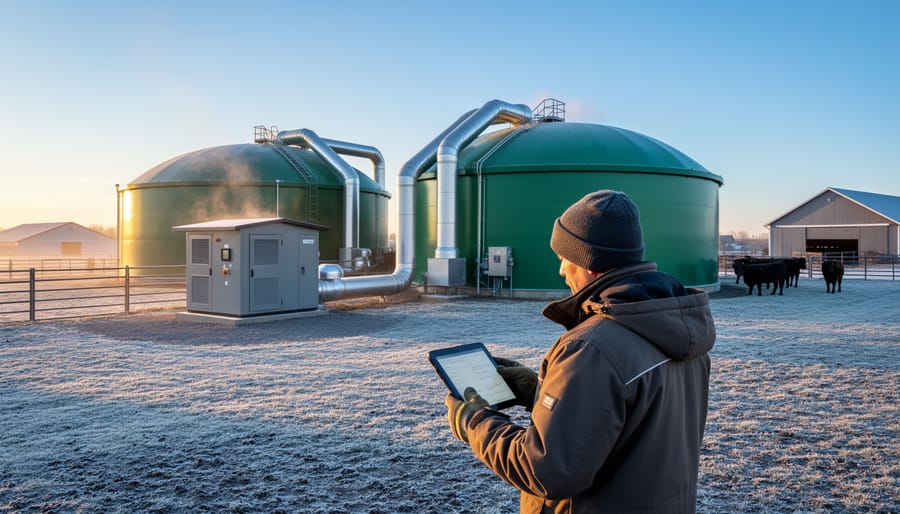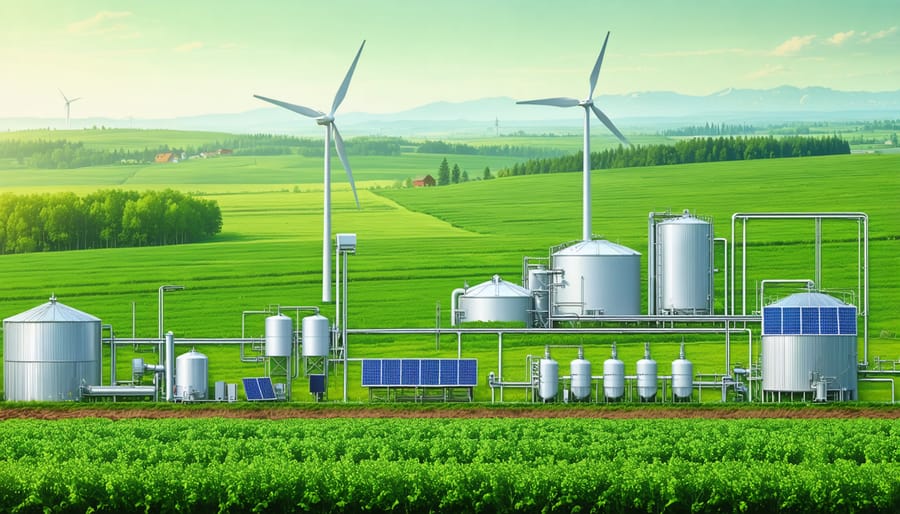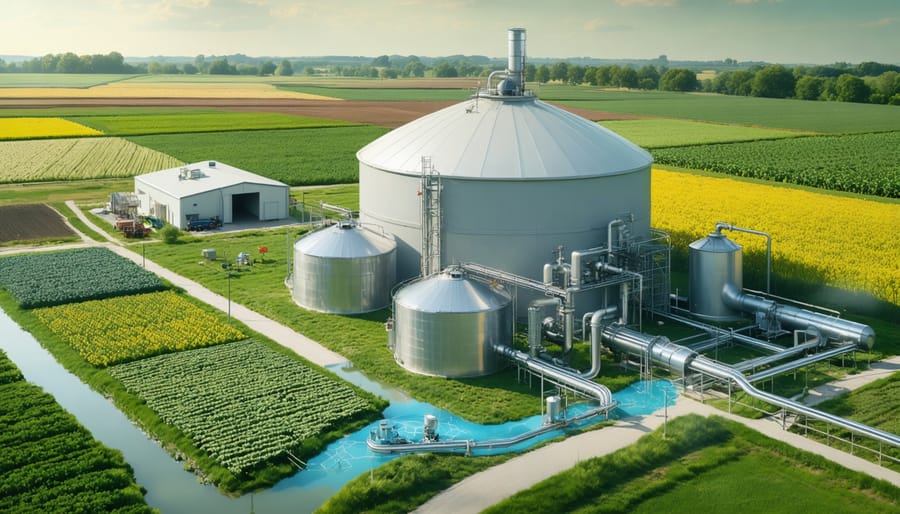
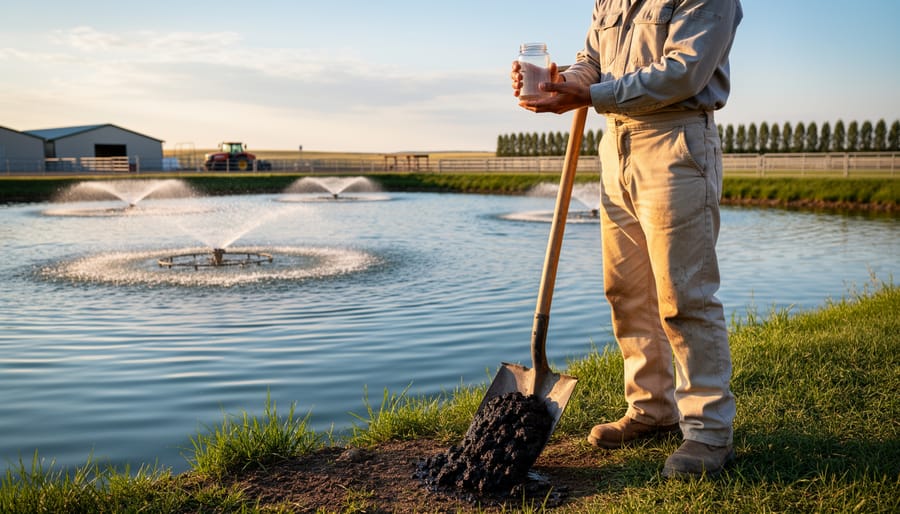
Livestock operations across Alberta generate manure and wastewater rich in nitrogen and phosphorus—nutrients that, when managed improperly, threaten groundwater quality and nearby water bodies, yet represent valuable fertilizer resources worth capturing. Biological nutrient removal harnesses naturally occurring microorganisms to transform these excess nutrients into forms you can either safely discharge or recover for crop production, turning a waste management challenge into an economic opportunity.
The process works through two complementary microbial pathways: nitrification bacteria convert ammonia into nitrates, while denitrification bacteria then transform those nitrates into harmless nitrogen gas that releases into the atmosphere. Simultaneously, phosphorus-accumulating organisms concentrate phosphorus into their cells, allowing you to remove it from wastewater as a concentrated solid suitable for field application. This biological approach costs significantly less than chemical treatment systems and integrates naturally with circular agricultural systems that prioritize resource recovery.
For Canadian farmers managing dairy, hog, or beef operations, biological nutrient removal offers a practical path forward as environmental regulations tighten and input costs rise. The technology scales from simple lagoon systems enhanced with aeration to sophisticated sequencing batch reactors, with investment levels matching operation sizes from 50-cow dairies to 5,000-head feedlots. Several Alberta producers have already demonstrated that recovered nutrients reduce commercial fertilizer purchases by 30-60 percent annually while meeting provincial water quality standards.
Understanding how these biological processes function, which system configurations suit your operation, and how to optimize nutrient recovery will help you transform wastewater from a regulatory burden into a competitive advantage.
Why Excess Nutrients from Manure Are Threatening Alberta Farms
The Real Cost of Nutrient Runoff
When nutrient-rich wastewater leaves your farm untreated, the consequences extend far beyond your property line and directly into your bottom line. Understanding these impacts helps frame why investing in biological nutrient removal makes both environmental and economic sense.
Excess nitrogen and phosphorus flowing into Alberta’s waterways trigger algal blooms that deplete oxygen levels, creating dead zones where fish and aquatic life cannot survive. These blooms compromise drinking water quality for downstream communities and recreational water bodies that support local tourism economies. In 2021, several Alberta lakes experienced significant algal bloom events linked to agricultural runoff, prompting increased regulatory scrutiny across the province.
The financial implications are equally serious. Alberta farmers face escalating compliance costs as provincial and federal regulations tighten around nutrient management. Non-compliance can result in penalties ranging from $5,000 to $100,000 for first-time offences, with potential criminal charges for repeated violations. Beyond direct fines, farms may encounter increased insurance premiums, difficulties securing operating loans, and reduced property values when water quality issues become documented concerns.
Soil degradation represents another hidden cost. When excessive nutrients aren’t properly managed, soil structure deteriorates, reducing your land’s long-term productivity and requiring increased inputs to maintain yields. This creates a costly cycle that undermines farm profitability over time.
The good news? Biological nutrient removal systems transform these liabilities into assets. By capturing and recovering nutrients before they become pollutants, you protect local ecosystems while converting waste streams into valuable fertilizer products that reduce your input costs and potentially generate additional revenue.
What Alberta Regulations Mean for Your Operation
Alberta takes water quality seriously, and for good reason. The provincial government has established clear nutrient management standards through the Agricultural Operation Practices Act (AOPA), which sets limits on phosphorus and nitrogen discharge from livestock operations. If your farm operates near municipal water sources or environmentally sensitive areas, you’re likely already familiar with these requirements.
Under current regulations, farms must demonstrate responsible nutrient management, particularly for operations with more than 150 animal units. The Alberta Environment and Protected Areas department monitors water quality in receiving streams and lakes, with particular attention to total phosphorus levels, which shouldn’t exceed 0.05 mg/L in most surface waters.
Here’s what this means practically: many Alberta dairy and livestock operations now need treatment systems that can reduce nutrient concentrations before discharge or land application. The good news? Biological nutrient removal systems can help you meet these standards while recovering valuable nutrients for your crops. Progressive farmers in central Alberta are already finding that compliance doesn’t mean added costs – it means smarter resource management that protects both water quality and your bottom line.
How Biological Nutrient Removal Actually Works

Nitrogen Removal: From Ammonia to Harmless Gas
Nitrogen removal from farm wastewater happens through two natural bacterial processes that work together. Understanding these processes helps you manage nutrient levels effectively while protecting local water quality.
The first stage, nitrification, occurs when beneficial microorganisms convert ammonia from livestock manure into nitrate. This happens in oxygen-rich environments within your treatment system. Think of it like composting, where proper aeration creates conditions for specific bacteria to thrive.
The second stage, denitrification, transforms nitrate into harmless nitrogen gas that safely enters the atmosphere. This requires low-oxygen conditions, which explains why effective treatment systems have both aerated and settling zones.
A practical example comes from a dairy operation near Red Deer, Alberta, treating wastewater from 200 cows. Their system processes approximately 15,000 litres daily, reducing ammonia levels by 85 percent through these natural bacterial processes. The operation maintains proper oxygen levels in the first tank while allowing settling and denitrification in subsequent chambers.
For your farm, this means designing treatment areas that accommodate both processes. Temperature affects bacterial activity, so Alberta farms may see slower nitrogen removal during winter months. Many producers address this by increasing retention time or providing insulated treatment facilities. The result is cleaner water suitable for irrigation and significantly reduced environmental impact, all while these hardworking bacteria handle the heavy lifting.
Phosphorus Removal: Capturing the Runaway Nutrient
Phosphorus often goes unnoticed in farm wastewater, yet it plays a central role in water quality issues across Alberta and beyond. When excess phosphorus enters waterways through runoff or discharge, it fuels algal blooms that deplete oxygen and harm aquatic life. The good news? Biological phosphorus removal transforms this environmental challenge into an opportunity for nutrient recovery.
The process centers on specialized microorganisms called polyphosphate-accumulating organisms, or PAOs. These bacteria have a remarkable ability to absorb phosphorus far beyond their basic nutritional needs when conditions are right. In treatment systems, PAOs are cycled between anaerobic and aerobic zones. During the anaerobic phase, they release stored phosphorus and take up volatile fatty acids from the wastewater. When moved to the aerobic zone, they consume the stored acids for energy and absorb phosphorus at rates up to five times higher than normal bacteria.
This enhanced biological phosphorus removal process concentrates phosphorus in the bacterial biomass, which settles out as sludge. That concentrated phosphorus can then be recovered and repurposed as fertilizer, closing the nutrient loop on your operation.
For Alberta livestock producers managing manure lagoons or dairy wash water, this technology offers dual benefits. You meet increasingly stringent discharge standards while capturing valuable phosphorus that would otherwise require purchased replacement. Several farms in central Alberta have already integrated biological phosphorus removal into their waste management systems, reporting both improved water quality and reduced fertilizer costs. The key is maintaining proper temperature and pH conditions to keep these beneficial bacteria thriving year-round.
Practical Systems for On-Farm Biological Treatment
Lagoon-Based Treatment Systems
Traditional lagoon systems, common on many Alberta farms, can be significantly upgraded to improve nutrient removal through relatively simple enhancements. By adding aeration equipment to existing lagoons, you create conditions where beneficial bacteria thrive and actively break down nitrogen and phosphorus compounds. This process, called facultative treatment, combines both oxygen-dependent and oxygen-independent zones within the same system.
Many Alberta producers have found success retrofitting their lagoons with mechanical aerators or diffused air systems. These modifications cost considerably less than building new treatment infrastructure while delivering measurable improvements in nutrient reduction. A dairy operation near Red Deer, for example, reduced their lagoon’s nitrogen content by 40 percent after installing floating aerators, making the treated water more suitable for irrigation and reducing environmental concerns.
Seasonal considerations are particularly important in our climate. During Alberta’s cold winters, biological activity slows significantly, so planning for increased storage capacity and adjusting management practices for spring conditions becomes essential. Some farmers cover their lagoons or increase retention time during colder months to maintain treatment effectiveness. The key is understanding that lagoons work best as part of a year-round nutrient management strategy, where summer treatment gains offset winter limitations, ultimately creating a more balanced and sustainable system for your operation.
Constructed Wetlands for Cold Climates
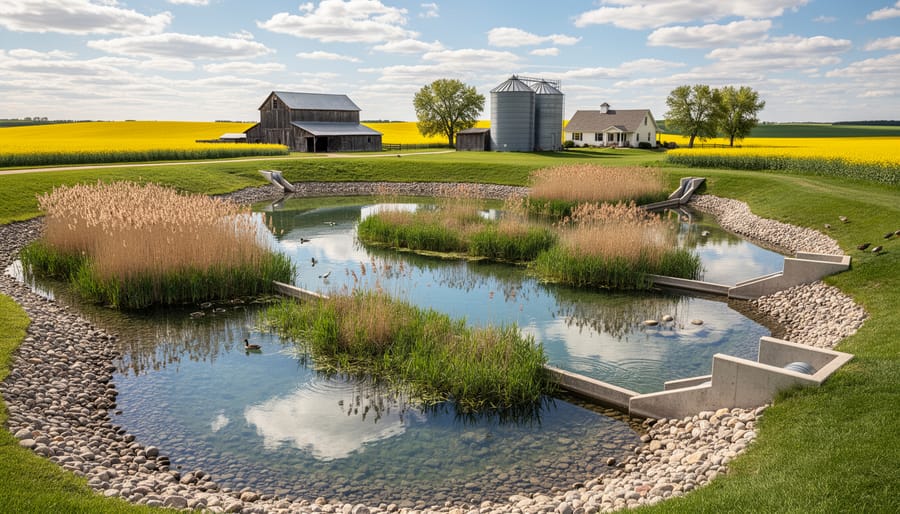
Constructed wetlands offer Alberta farmers a practical, year-round solution for treating nutrient-rich wastewater, even during harsh winters. These engineered systems use shallow basins filled with specialized media, native wetland plants, and beneficial microbes to naturally remove nitrogen and phosphorus from livestock effluent.
In Alberta’s climate, successful wetland design requires proper depth (typically 0.6 to 1.2 metres) and insulation through ice cover and plant residue, which protect microbial communities during freezing temperatures. Cold-hardy plants like cattails and bulrushes continue nutrient uptake during growing seasons, while their root systems provide year-round surfaces for beneficial bacteria to colonize.
The microbial community does the heavy lifting through processes similar to activated sludge systems but at lower operational costs. Nitrifying bacteria convert ammonia to nitrate in oxygenated zones near plant roots, while denitrifying bacteria in deeper, oxygen-depleted areas transform nitrate into harmless nitrogen gas.
A Red Deer area dairy operation has successfully operated a constructed wetland system since 2018, maintaining 70 percent nitrogen removal even during winter months. The key is proper sizing – typically requiring 5 to 10 square metres per animal unit – and designing for Alberta’s freeze-thaw cycles. These systems require minimal energy input, making them cost-effective alternatives for farms seeking sustainable wastewater management solutions.
Sequencing Batch Reactors and Compact Systems
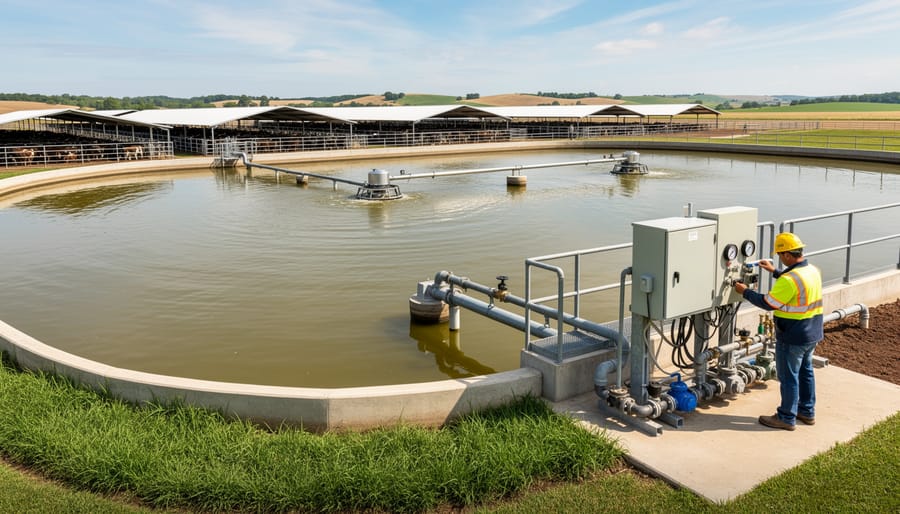
Sequencing Batch Reactors (SBRs) offer Alberta livestock producers a highly controlled approach to treating nutrient-rich wastewater while recovering valuable resources. These systems operate in timed cycles—filling, treating, settling, and discharging—all within a single tank. This design makes them particularly suitable for farms with variable wastewater flows throughout the day or season.
SBRs excel at removing both nitrogen and phosphorus through carefully managed aeration periods. The automation capabilities mean you can program treatment cycles to match your operation’s specific needs, reducing labor requirements compared to continuous-flow systems. For dairy and hog operations generating 50,000 to 500,000 liters daily, compact SBR systems integrate well with existing infrastructure, including anaerobic digestion systems.
These reactors typically achieve 85-95% nutrient removal efficiency while producing treated water suitable for irrigation or discharge. The concentrated nutrient-rich sludge becomes valuable fertilizer for crops. Several Alberta cattle feedlots have successfully scaled SBR technology, starting with pilot systems before expanding. Initial investment ranges from $75,000 to $300,000 depending on capacity, with operational costs offset by reduced disposal fees and fertilizer savings. Modern systems include remote monitoring, allowing you to track performance from your phone while maintaining regulatory compliance.
From Waste to Resource: Recovering Nutrients After Treatment
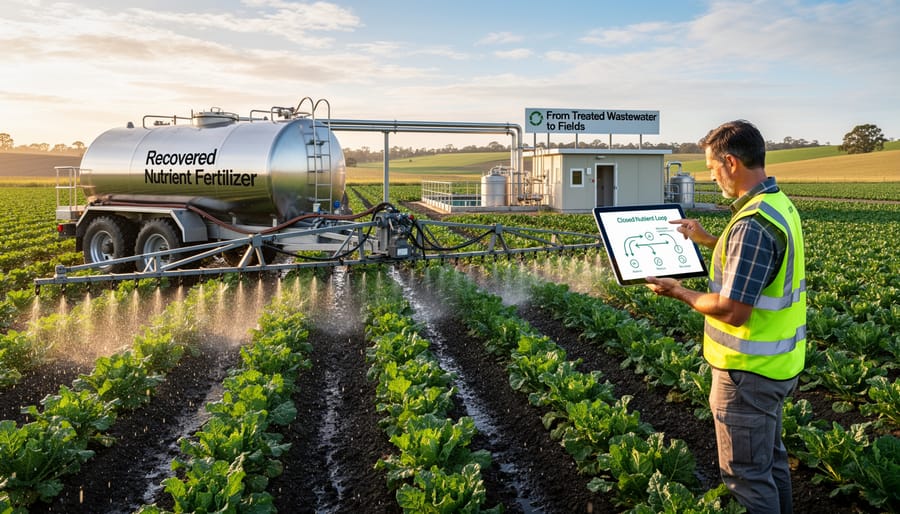
Phosphorus Recovery as Fertilizer
Recovering phosphorus from your treated wastewater transforms a potential environmental concern into a valuable farm asset. Two practical methods stand out for Canadian operations: struvite precipitation and biochar enrichment.
Struvite precipitation captures phosphorus by combining it with magnesium and ammonium to form struvite crystals—a slow-release fertilizer containing approximately 12% phosphorus and 6% nitrogen. These crystals can be harvested from digested manure or effluent streams and applied directly to fields. Manitoba dairy farmer Tom Henderson reports reducing his commercial fertilizer costs by 30% after installing a basic struvite recovery system in 2021.
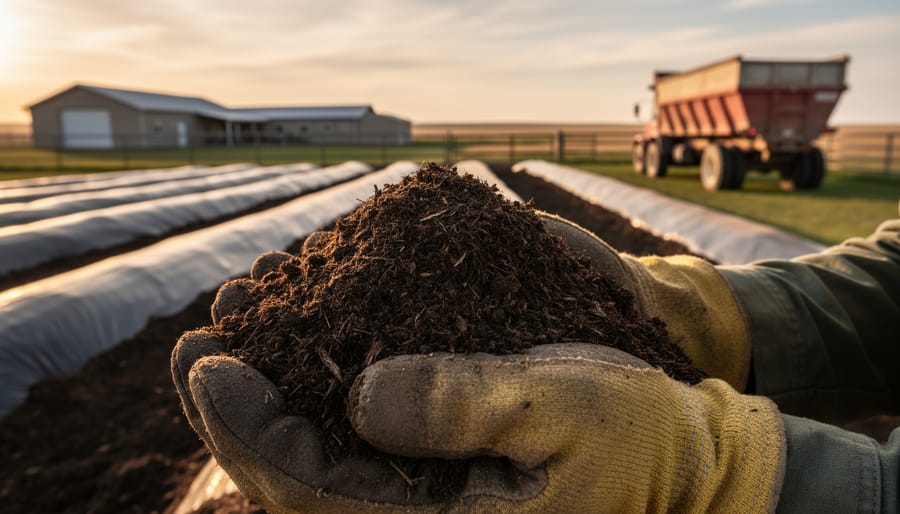
Biochar enrichment involves soaking biochar in phosphorus-rich effluent, creating a stable, nutrient-loaded amendment. This method works particularly well in Alberta’s variable climate, as biochar improves soil structure while delivering nutrients gradually throughout the growing season.
Both recovered products qualify as sustainable fertilizer alternatives and can reduce your dependency on commercial inputs. Application rates typically range from 200-400 kg per hectare, depending on soil tests and crop requirements.
Start small by testing recovered phosphorus on a trial field section. Monitor crop response and adjust application rates accordingly. Many Alberta producers find these recovered nutrients perform comparably to commercial fertilizers while closing the nutrient loop on their operations and improving overall farm sustainability.
Nitrogen Management and Reuse Options
Once your biological treatment system has reduced nitrogen levels, strategic management of the remaining nutrients maximizes their value while protecting water quality. The nitrogen still present in treated wastewater represents a valuable resource that can reduce your fertilizer costs significantly.
Timing is everything when applying nutrient-rich water to crops. Plan applications during active growing seasons when plants can readily absorb nitrogen, typically from late spring through early fall in Alberta. Avoid application before heavy rains or on frozen ground, as this increases runoff risk and wastes nutrients. Many Alberta livestock producers successfully apply treated wastewater through irrigation systems, delivering both moisture and fertility exactly when crops need them most.
Test your treated water regularly to understand its nutrient content. This allows you to calculate precise application rates and adjust synthetic fertilizer programs accordingly. Some Alberta dairy operations have reduced commercial nitrogen fertilizer purchases by 30-40% through strategic wastewater application to forage crops.
Consider your soil’s absorption capacity and crop requirements when determining application volumes. Sandy soils require more frequent, lighter applications, while heavier clay soils can handle larger volumes less frequently. Keep detailed records of application dates, volumes, and locations to demonstrate responsible nutrient management and comply with provincial environmental regulations. This documentation also helps you track the financial benefits of reduced fertilizer purchases over time.
Real Alberta Farms Making It Work
Several Alberta operations have already proven that biological nutrient removal systems can work in real-world farming conditions. These Alberta farm success stories demonstrate both the challenges and rewards of investing in advanced wastewater treatment.
Prairie View Dairy near Lacombe installed a sequencing batch reactor system in 2019 to manage wastewater from their 450-cow operation. Manager Tom Richardson explains their motivation: “We were facing increasing pressure about nutrient runoff into nearby waterways, and our storage lagoons were reaching capacity. We needed a solution that would reduce our environmental footprint while making economic sense.”
The system cost approximately $180,000 to install, with an additional $15,000 annually for operation and maintenance. Within the first year, the dairy achieved 85 percent nitrogen removal and 92 percent phosphorus removal from their wastewater. The recovered nutrients, combined with reduced disposal costs, save the operation roughly $22,000 yearly. Richardson notes the biggest challenge was “learning to manage the biological processes – it’s not like traditional storage where you just pump and forget.”
Further south, Hillside Hog Farm near Red Deer implemented a moving bed biofilm reactor system for their 2,000-head finishing operation in 2020. Co-owner Sarah Chen chose this technology because it required less space than conventional treatment lagoons. “We’re on limited acreage, so footprint mattered,” Chen says. Their investment of $240,000 has reduced nutrient loading in their effluent by 78 percent, allowing them to irrigate cropland without exceeding provincial nutrient application limits.
The recovered nutrients now fertilize 65 hectares of barley, replacing commercial fertilizer purchases worth approximately $18,000 annually. Chen emphasizes that operator training was essential: “We partnered with a local wastewater consultant for the first six months to understand system monitoring and troubleshooting.”
Foothills Cattle Company, a 1,200-head feedlot near Okotoks, took a different approach with constructed wetlands integrated with aerobic treatment cells. This hybrid system cost $95,000 but requires minimal energy input. Operations manager Kevin Walsh reports 70 percent nutrient reduction and unexpected benefits: “The wetland has become wildlife habitat, which improved our community relations significantly.”
Each operation faced a learning curve adjusting pH levels, managing bacterial populations, and maintaining consistent performance through Alberta’s temperature extremes. However, all three operators confirm they would make the same investment again, citing environmental compliance, community goodwill, and long-term cost savings as key benefits.
Getting Started: What You Need to Know Before Implementation
Sizing Your System to Your Operation
Determining the right system size starts with understanding your operation’s specific needs. Begin by calculating your daily wastewater volume, which typically includes barn washing water, milking parlor effluent, and runoff from livestock areas. For cattle operations, expect approximately 50-70 litres of wastewater per animal daily, while hog operations generate roughly 15-20 litres per pig.
Next, assess your nutrient load by testing existing wastewater for nitrogen and phosphorus concentrations. Alberta dairy farmer James Chen from Lacombe found his 200-cow operation produced 12,000 litres daily with nitrogen loads averaging 450 kg monthly. This assessment helped him right-size his treatment system, avoiding the costly mistake of over-building.
Consider seasonal variations too. Spring runoff and winter barn confinement periods often increase volumes by 30-40 percent in Canadian climates. Agricultural engineer Dr. Patricia Morrison recommends designing for peak capacity rather than average flows to prevent system overload during critical periods.
Work with a qualified agricultural engineer or consultant familiar with Canadian conditions to calculate your specific requirements. Many Alberta municipalities offer free initial assessments through their agricultural service boards, helping you match treatment capacity to your operation’s actual needs while staying compliant with provincial regulations.
Funding and Support Available in Canada
Canadian farmers looking to implement biological nutrient removal systems have access to several funding streams designed to support environmental improvements and sustainable agriculture practices.
At the federal level, the Canadian Agricultural Partnership (CAP) provides cost-share funding through various provincial programs. These initiatives typically cover 25-50% of eligible project costs for manure management infrastructure, including biological treatment systems. Many provinces also offer additional environmental farm planning programs that provide technical support and funding for implementing best management practices related to nutrient management.
In Alberta specifically, the Agriculture Financial Services Corporation (AFSC) offers farm business planning assistance and may provide access to low-interest loans for environmental upgrades. The Agricultural Opportunity Fund of Alberta supports projects that enhance environmental sustainability, with particular interest in innovative approaches to manure management. Alberta producers have successfully accessed these programs to install constructed wetlands, aerobic treatment systems, and nutrient recovery technologies.
Provincial environmental stewardship programs often provide technical advisors who conduct free on-farm assessments, helping you identify the most suitable biological treatment approach for your operation’s specific needs and scale. These advisors can also assist with funding applications and connecting you with agricultural engineers experienced in designing systems appropriate for Canadian climates.
Many municipalities also offer incentive programs or property tax reductions for farms implementing environmental improvements. Municipal agricultural service boards can provide information about locally available support programs.
Getting started is straightforward: contact your provincial agriculture department or local agricultural fieldman to discuss available programs. Many farmers find that combining federal, provincial, and municipal funding significantly reduces implementation costs, making biological nutrient removal systems financially accessible while improving environmental outcomes and potentially generating revenue through recovered nutrients.
Biological nutrient removal represents more than just an environmental compliance measure—it’s an opportunity to transform how you view wastewater on your operation. By implementing these systems, you’re simultaneously protecting local water quality and capturing valuable nutrients that would otherwise be lost. The recovered nitrogen and phosphorus become assets rather than liabilities, reducing your fertilizer expenses while supporting healthier crop yields.
For Alberta farmers dealing with livestock operations, the economic benefits are tangible. Several producers across the province have reported fertilizer cost reductions of 30 to 50 percent after implementing biological treatment systems with proper nutrient recovery protocols. These systems also help meet provincial environmental regulations while maintaining your operation’s social license within the community.
The key is finding the right approach for your specific situation. Whether you’re managing a 200-head dairy operation or a larger feedlot, biological treatment options exist at various scales and investment levels. Start by assessing your current wastewater volume, nutrient load, and available land area. Consider consulting with agricultural engineers or nutrient management specialists who understand both the biological processes and the practical realities of farm operations.
The transition to viewing wastewater as a resource rather than a waste product requires some initial planning and investment, but the long-term benefits extend beyond your farm gate. You’re contributing to watershed health, improving soil quality, and building a more sustainable operation for future generations. Take the first step today by exploring which biological treatment approach aligns with your operation’s goals and resources.