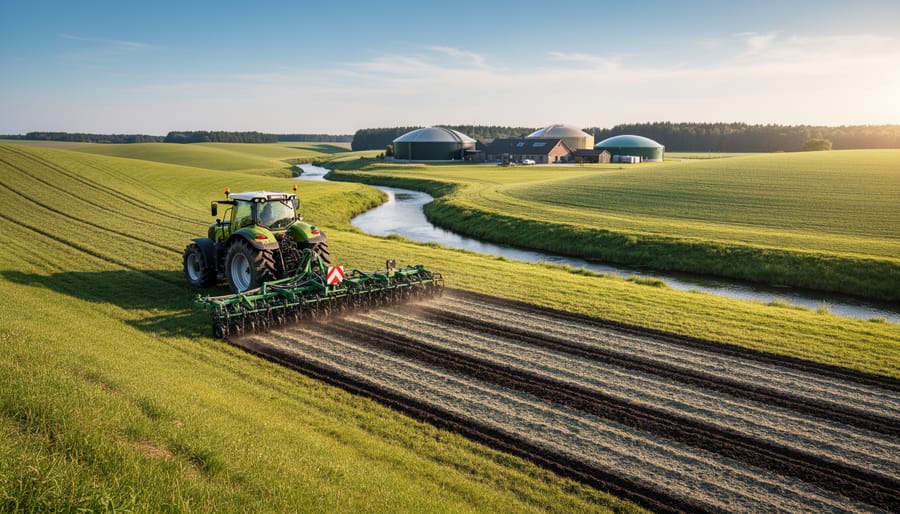
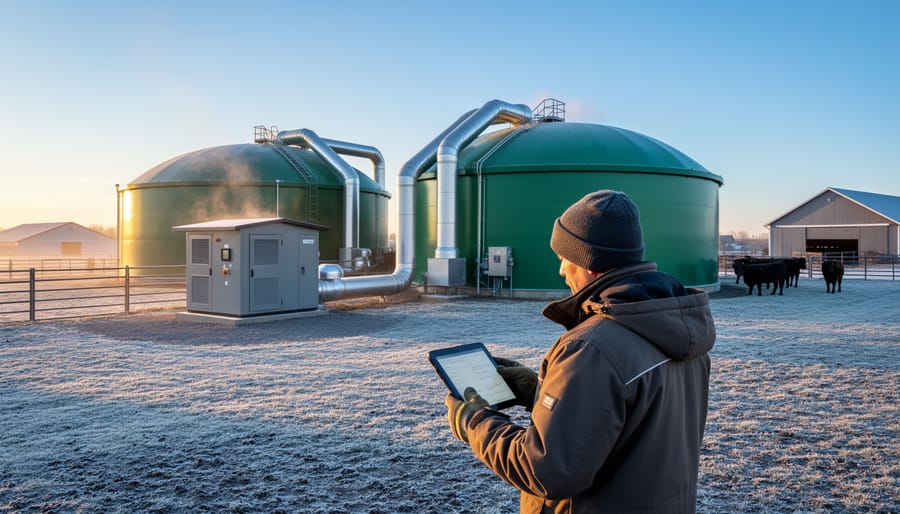
Partner with EPA AgSTAR to access free technical resources that guide you through selecting, designing, and financing anaerobic digestion systems specifically sized for livestock operations. The program’s project database contains detailed profiles of over 350 operating digesters across North America, including capital costs, energy production metrics, and payback timelines you can use to build your business case.
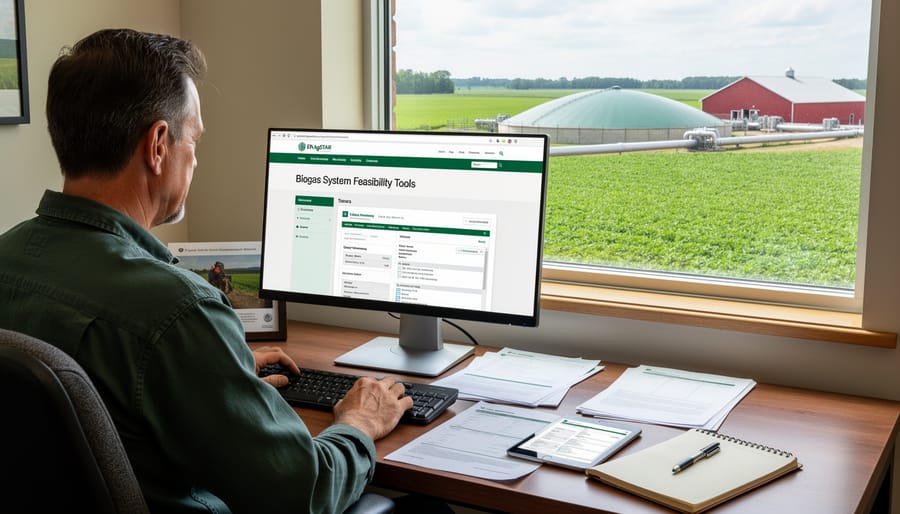
Download AgSTAR’s feasibility assessment tools to calculate your farm’s biogas potential based on your current manure production, whether you’re managing 500 dairy cows or 5,000 finishing hogs. These calculators estimate renewable energy generation, greenhouse gas reductions, and revenue streams from electricity sales, renewable natural gas, or digestate products—practical data points Alberta farmers need when approaching lenders or government incentive programs.
Connect with AgSTAR’s network of equipment suppliers, engineering firms, and operational digesters to learn from real-world implementations before investing. The program facilitates farm tours and peer learning opportunities that reveal how neighbouring operations are turning farm waste into profit while solving manure management challenges and meeting evolving environmental regulations.
While AgSTAR operates as a U.S. Environmental Protection Agency program, Canadian farmers benefit directly from its publicly available technical guidance, economic models, and technology comparisons. The science of anaerobic digestion remains consistent across the border, and many equipment manufacturers and consultants featured in AgSTAR resources actively serve Canadian markets. For Alberta producers facing long winters, high heating costs, and increasing pressure to reduce methane emissions, AgSTAR’s comprehensive materials provide a proven roadmap to evaluate whether biogas systems align with your operation’s scale, livestock type, and financial goals.
What Is EPA AgSTAR and Why Canadian Farmers Should Care
The Program’s Mission and Resources
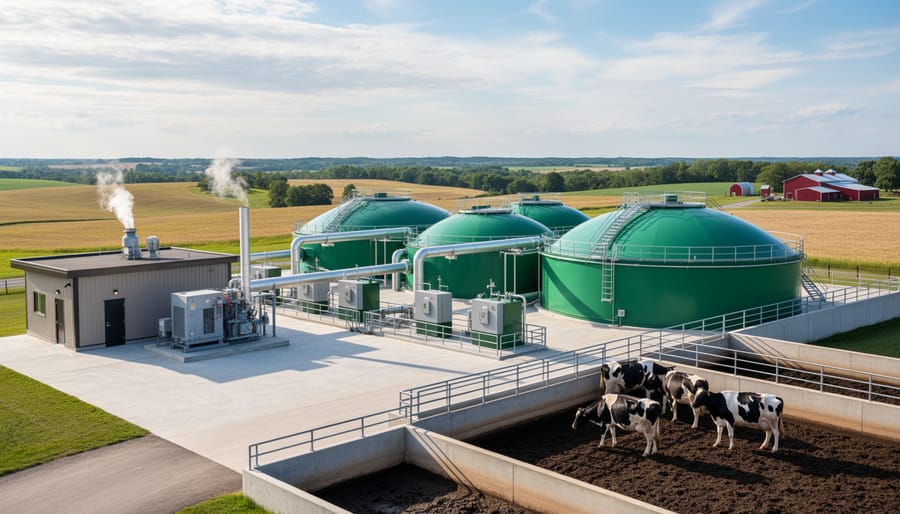
The EPA AgSTAR Program serves as a valuable knowledge hub for anyone exploring anaerobic digestion systems, including Canadian farmers looking to manage agricultural waste more effectively. While AgSTAR operates under the U.S. Environmental Protection Agency, its extensive resources translate well across the border, offering practical guidance that applies to farming operations throughout North America.
AgSTAR provides free technical assistance to help you understand the basics of biogas systems, from initial feasibility assessments to system design considerations. Their comprehensive online library includes project development handbooks, feasibility tools, and operational guidelines that can inform your decision-making process, regardless of which side of the border you call home.
The program connects farmers with technology providers, project developers, and financing experts through partnership opportunities. These connections prove particularly valuable when you’re navigating the initial stages of implementing a digester system on your operation.
Educational materials available through AgSTAR cover everything from livestock waste management to energy production metrics. You’ll find case studies documenting real-world installations, economic analysis tools, and greenhouse gas reduction calculators. These resources help you build a solid business case for anaerobic digestion tailored to your farm’s specific circumstances, whether you’re managing a dairy operation in Alberta or a mixed livestock facility elsewhere in Canada.
Relevance to Alberta’s Agricultural Landscape
While AgSTAR originates from the United States Environmental Protection Agency, its resources prove remarkably valuable for Alberta’s agricultural community. The program’s technical guidance and financial analysis tools translate well to Canadian livestock operations, particularly for our province’s significant cattle feedlots and dairy farms that generate substantial organic waste streams.
Alberta’s dairy sector, with over 500 operations, and our extensive beef cattle industry create ideal conditions for implementing anaerobic digestion systems. The province’s cold climate presents unique considerations, but AgSTAR’s project database includes cold-weather facilities that demonstrate effective year-round operation.
Canadian farmers can complement AgSTAR resources with domestic programs like Agriculture and Agri-Food Canada’s Agricultural Clean Technology Program, which provides funding specifically for biogas projects. Alberta’s own Climate Change and Emissions Management Corporation has supported several digesters across the province, proving that these systems work effectively in our agricultural landscape.
The Growing Forward 2 initiative and various provincial programs align well with AgSTAR’s methodology, creating a comprehensive support network. Several Alberta farms have successfully adapted AgSTAR’s project planning frameworks while accessing Canadian funding, demonstrating how American technical expertise and Canadian financial support work together to advance sustainable agriculture in our region.
Understanding Agricultural Digestate: From Waste to Resource
The Anaerobic Digestion Process Simplified
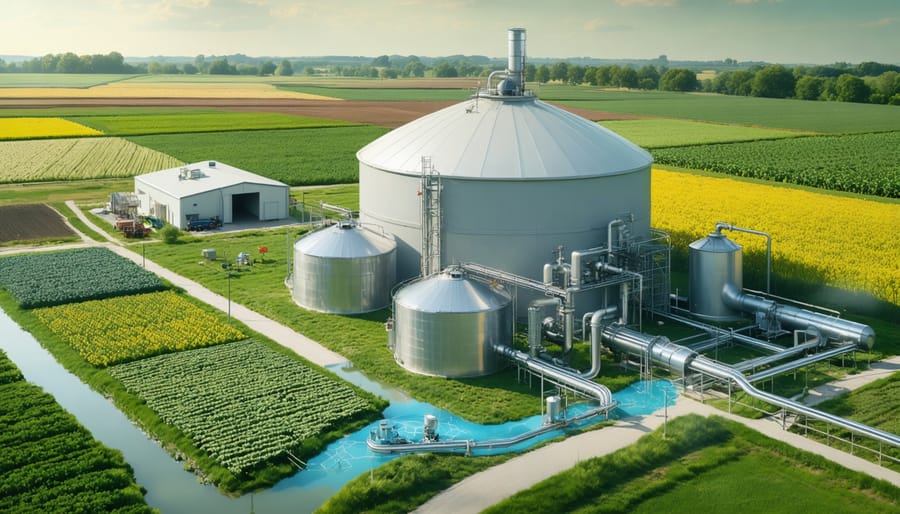
Think of anaerobic digestion systems as a controlled version of what naturally happens in a cow’s stomach. When you place livestock manure, food waste, or other organic materials into a sealed tank called a digester, you’re creating an oxygen-free environment where beneficial bacteria can thrive.
Here’s how it works in simple terms: naturally occurring microorganisms break down the organic matter in stages. First, bacteria decompose complex materials into simpler compounds. Then, specialized methane-producing bacteria convert these compounds into biogas, which is roughly 60 percent methane and 40 percent carbon dioxide. This process typically takes 15 to 30 days, depending on temperature and feedstock.
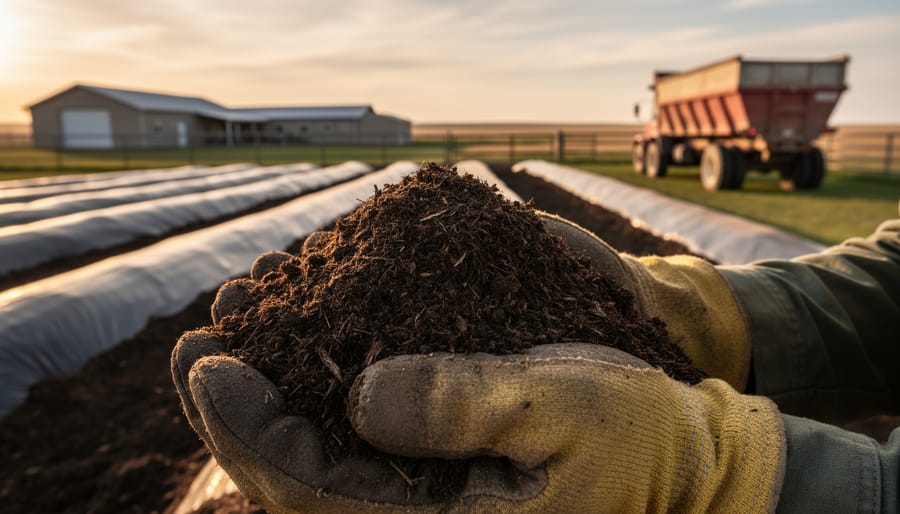
The beauty of this system is that you get two valuable products. The biogas can be captured and used to generate electricity, heat your barn, or even fuel vehicles. Meanwhile, what remains is digestate, a nutrient-rich material that makes excellent fertilizer for your fields. This digestate retains most of the original nitrogen, phosphorus, and potassium from the manure but in a more stable, less odorous form that’s easier for plants to absorb.
Temperature control is critical for keeping those helpful bacteria active. Most farm digesters operate at mesophilic temperatures around 35-40 degrees Celsius, which works well for Canadian operations when properly insulated.
Digestate vs. Raw Manure: The Advantages
When anaerobic digestion transforms raw manure into digestate, the resulting product offers several distinct advantages for farm operations. Understanding these benefits helps explain why many agricultural operations are embracing digestate management practices as part of their sustainable farming strategies.
Digestate provides significantly improved nutrient availability compared to raw manure. The digestion process converts organic nitrogen into ammonia-nitrogen, which plants can readily absorb. This means crops can access nutrients more quickly, potentially reducing your need for synthetic fertilizers and lowering input costs.
Odor reduction represents another major advantage. The anaerobic digestion process substantially decreases volatile organic compounds responsible for unpleasant smells, making application more neighbour-friendly and reducing complaints from surrounding communities. This benefit alone can improve relationships with nearby residents and ease operational stress.
Pathogen reduction through digestion creates a safer product for your fields and livestock. The process significantly decreases harmful bacteria like E. coli and Salmonella, reducing disease transmission risks.
Finally, the high-temperature digestion environment destroys weed seeds that would otherwise germinate in your fields after raw manure application, helping you maintain cleaner, more productive cropland with less herbicide dependence.
Resource Recovery Opportunities for Canadian Farms
Biogas Energy Production and Revenue
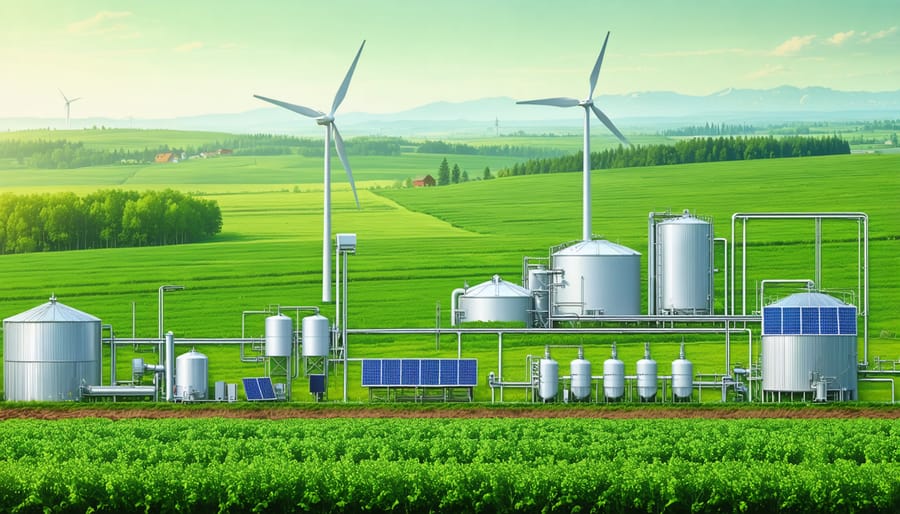
Once you’ve captured methane from manure through anaerobic digestion, several valuable opportunities emerge for biogas energy production and revenue generation. The biogas can power on-farm electricity generators, reducing your reliance on grid power and lowering operating costs. Many Alberta dairy and hog operations use this electricity to run milking equipment, ventilation systems, and lighting.
Heat recovery from generators provides another benefit, warming barns, water systems, or even nearby greenhouses during cold Canadian winters. This dual-use approach maximizes energy efficiency and cost savings.
For larger operations, upgrading biogas to renewable natural gas (RNG) opens significant income potential. RNG can be injected into natural gas pipelines or used as vehicle fuel, with companies paying premium prices for this low-carbon energy source. Alberta’s growing RNG market, supported by federal and provincial clean fuel standards, creates attractive opportunities.
Additional revenue streams include carbon credits, renewable energy certificates, and potential power purchase agreements with utilities. Some farms near urban centres even sell excess electricity back to the grid, creating a steady income stream while supporting community sustainability goals.
Nutrient Recovery and Soil Health Benefits
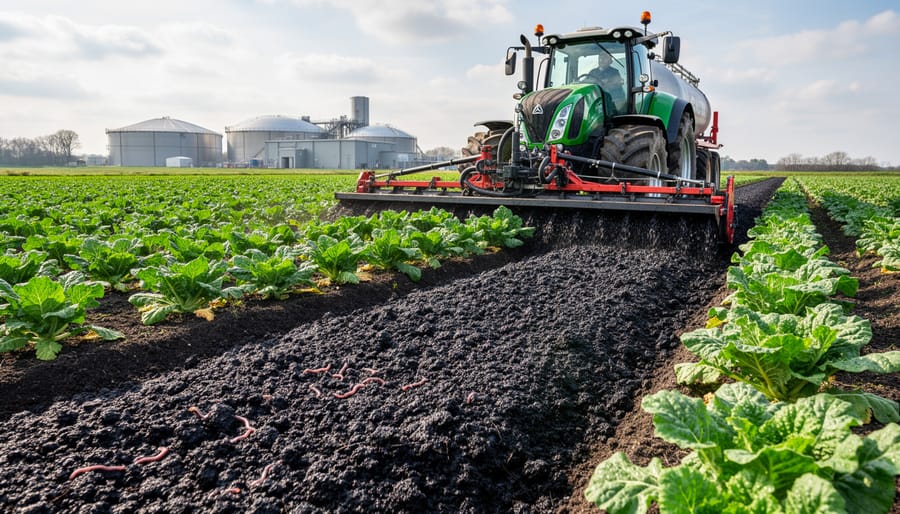
One of the most valuable outputs from anaerobic digestion is nutrient-rich digestate, which serves as an excellent organic fertilizer. This byproduct contains essential nutrients like nitrogen, phosphorus, and potassium in plant-available forms, making it an effective replacement for synthetic fertilizers. Alberta farmers using digestate have reported significant reductions in commercial fertilizer costs, with some operations cutting their input expenses by 30-40% annually.
Digestate application improves soil organic matter content, enhancing water retention and soil structure over time. This is particularly beneficial in Alberta’s variable climate, where maintaining soil moisture can be challenging. The organic matter also supports beneficial microbial activity, creating healthier soil ecosystems that naturally suppress certain plant diseases and improve nutrient cycling.
For organic operations, digestate represents a closed-loop nutrient management solution that aligns with certification requirements. The EPA AgSTAR program provides guidance on proper digestate handling, application rates measured in litres per hectare, and timing strategies to maximize nutrient uptake while minimizing environmental impact. Many Canadian farmers have found that regular digestate application not only maintains soil fertility but actually builds soil health year after year, creating more resilient farming systems that can better withstand weather extremes and reduce long-term input dependencies.
Carbon Credits and Environmental Incentives
Anaerobic digesters offer Canadian farmers a powerful way to combat climate change while generating income. By capturing methane from manure—a greenhouse gas 25 times more potent than carbon dioxide—digesters significantly reduce on-farm emissions. This environmental benefit positions farms to participate in carbon offset programs that reward emission reductions with financial credits.
Alberta farmers can access various programs through federal and provincial initiatives. The Canadian Agricultural Partnership and Emissions Reduction Alberta provide funding opportunities for digester projects that demonstrate measurable greenhouse gas reductions. Many operations generate additional revenue by selling carbon credits on voluntary markets, with some farms earning thousands of dollars annually.
AgSTAR’s emission reduction calculators help quantify your farm’s potential climate impact, providing the documentation needed for carbon credit applications. This dual benefit of environmental stewardship and economic return makes digesters an increasingly attractive investment for forward-thinking agricultural operations.
Practical Implementation: Getting Started with Digestate Systems
Is Your Farm a Good Candidate?
Not every farm is positioned to implement an anaerobic digester economically. Generally, operations with 500 or more dairy cows, 2,000 or more hogs, or equivalent livestock numbers generate sufficient waste volume to justify a stand-alone digester system. These larger operations typically produce enough biogas to offset operational costs and generate meaningful energy returns.
However, smaller farms shouldn’t feel left out of the opportunity. AgSTAR actively promotes cooperative or community digester models, where multiple farms pool their organic waste at a centralized facility. This approach allows operations with 200-300 head of cattle or similar livestock numbers to participate in biogas generation while sharing infrastructure costs and maintenance responsibilities.
Key factors to evaluate include consistent manure collection systems, proximity to waste sources, and available land for digestate storage. Your farm’s waste management practices matter too. Operations already using liquid manure systems or flush systems tend to transition more smoothly to digester technology.
Alberta farmers should also consider seasonal variations in waste production and storage capabilities during winter months. Consulting with agricultural engineers familiar with cold-climate digesters helps determine feasibility for your specific operation size and setup.
Using AgSTAR Resources for Planning
AgSTAR offers several practical resources that Canadian farmers can leverage when planning anaerobic digestion projects. Start by exploring the AgSTAR Project Database, which features over 250 operational systems across North America. While most examples are from the United States, the technical principles and economic models translate well to Canadian operations, particularly for Alberta’s dairy and livestock sectors.
The program’s Farm-Based Digester Economic Model is particularly valuable for initial feasibility assessments. This spreadsheet tool helps you estimate capital costs, operational expenses, and potential revenue streams based on your farm’s specific parameters, including herd size and manure production rates. Remember to adjust currency conversions and factor in Canadian energy prices and carbon credit programs when running calculations.
AgSTAR’s technical documents provide detailed guidance on system design, operation, and maintenance. The Project Development Handbook walks you through each implementation stage, from initial assessment to commissioning. These resources are especially helpful when consulting with engineering firms or applying for funding programs available through Alberta’s Agricultural Operation Practices Act.
Download case study profiles that match your farm type and scale to understand real-world performance metrics. While adapting American examples, consider connecting with Canadian agricultural extension services who can help contextualize the information for local conditions and regulatory requirements.
Canadian Funding and Support Programs
While EPA AgSTAR provides valuable resources for biogas development, Canadian farmers have access to their own suite of funding opportunities specifically designed for agricultural operations. At the federal level, Agriculture and Agri-Food Canada offers the Agricultural Clean Technology Program, which provides funding for pre-feasibility and feasibility studies, as well as capital investments in clean technology equipment like anaerobic digesters. This program can cover up to 50 percent of eligible costs, making biogas projects more financially accessible.
The Canadian Agricultural Partnership also includes environmental stewardship initiatives that support on-farm biogas development through cost-share agreements. These programs vary by province, so it’s worth checking with your local agricultural ministry for specific opportunities.
In Alberta specifically, Emissions Reduction Alberta has funded several agricultural biogas projects, recognizing their role in reducing methane emissions. The organization provides grants for innovative clean technology projects that demonstrate environmental and economic benefits.
Additionally, the Canada Infrastructure Bank offers financing for large-scale renewable energy projects, including commercial biogas facilities. For technical support, the Canadian Biogas Association provides education, networking opportunities, and connects farmers with industry experts who understand the unique challenges of implementing digesters in Canadian climates. Provincial agricultural extension services also offer guidance tailored to your region’s conditions.
Real-World Success: Canadian Farms Using Digestate Systems
Dairy Farm Case Study
Hillside Dairy in southern Alberta installed a 500-cow anaerobic digester in 2021, working with resources from EPA AgSTAR’s Canadian partner programs. Owner Marcus Chen shared that the initial investment of $850,000 seemed daunting, but government incentives and financing programs reduced their upfront costs by 40 percent.
The farm now processes manure from their herd plus organic waste from three neighbouring operations, generating enough electricity to power their entire operation with surplus sold back to the grid. Chen reports annual revenue of $65,000 from electricity sales, plus significant savings on bedding costs using the solid digestate.
“The learning curve was steeper than expected,” Chen admits. “We underestimated the importance of consistent feedstock management and regular monitoring.” His advice to other dairy farmers considering digesters? Start small, connect with farms already operating systems, and budget extra time for staff training.
The operation reduced their greenhouse gas emissions by approximately 750 tonnes CO2 equivalent annually while improving nutrient management across their land base. Chen emphasizes that success requires treating the digester as a core farm enterprise, not just a waste management system.
Cooperative Digester Model
When individual farms lack the capital or manure volume to justify building their own digester, cooperative models offer a practical solution. Multiple neighboring farms can pool their resources, manure feedstock, and expertise to construct and operate a shared anaerobic digestion facility. This approach spreads the initial investment across several operations while creating economies of scale that improve financial viability.
A compelling example comes from Vermont, where six dairy farms partnered to create a centralized digester processing approximately 82,000 tonnes of manure annually. Each farm hauls their manure to the central facility, where it’s converted into renewable energy and nutrient-rich digestate. The electricity generated offsets each farm’s energy costs, while the processed digestate returns to participating farms as high-quality fertilizer.
For Canadian farmers, particularly those in regions like Alberta with concentrated livestock operations, this cooperative approach addresses common barriers like high upfront costs and technical knowledge gaps. The shared model allows smaller operations to access digester technology while building community connections.
Success requires clear agreements outlining cost-sharing, manure delivery schedules, and digestate distribution. Working with agricultural extension services and experienced consultants helps establish fair governance structures. While EPA AgSTAR primarily features American examples, the cooperative principles translate well to Canadian contexts, offering a roadmap for collaborative resource recovery.
Challenges and Considerations for Alberta Farmers
Financial and Technical Barriers
One of the most significant hurdles for Canadian farmers considering anaerobic digestion systems is the substantial upfront investment. Construction costs typically range from $400,000 to over $2 million CAD, depending on farm size and system complexity. These figures can feel overwhelming, particularly for mid-sized operations in Alberta where profit margins remain tight.
Payback periods vary considerably based on farm scale, available feedstock, and energy prices. Most digesters achieve cost recovery within 7 to 15 years, though some operations with advantageous conditions see returns in as little as 5 years. Tipping fees from accepting off-farm organic waste and renewable energy incentives can significantly accelerate these timelines.
Beyond financial considerations, technical expertise presents another challenge. Operating a digester requires understanding microbiology, mechanical systems, and safety protocols. Many farmers find success through partnerships with experienced biogas companies or by attending specialized training programs. The EPA AgSTAR program offers valuable technical resources, though Canadian farmers should also connect with provincial agricultural extension services.
Don’t let these barriers discourage you. Starting with feasibility studies and exploring cooperative models with neighbouring farms can make biogas projects more achievable. Government grants and financing programs specifically targeting agricultural sustainability continue expanding across Canada, making this technology increasingly accessible for forward-thinking producers.
Cold Climate Adaptations
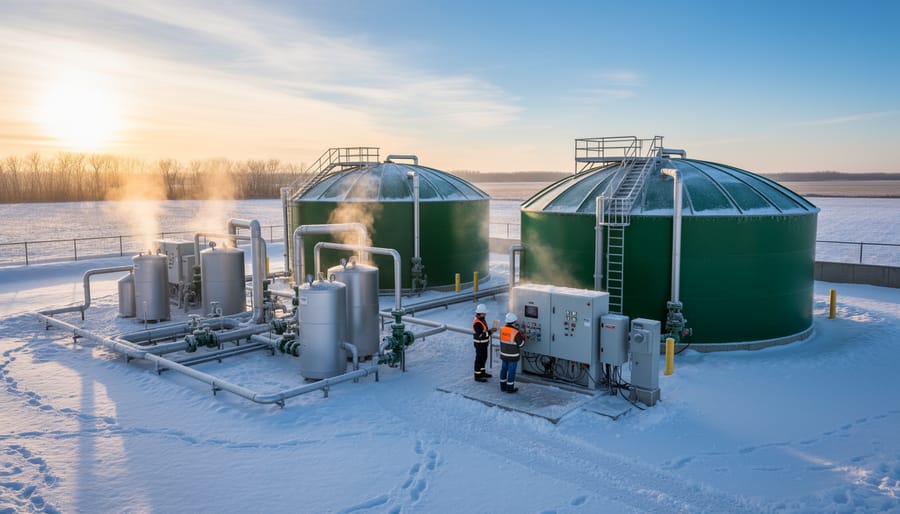
Alberta’s harsh winters present unique challenges for anaerobic digester operation, but proven adaptations can maintain year-round efficiency. When outdoor temperatures drop below -20°C, digester performance can slow significantly without proper thermal management.
The most effective solution involves insulating digesters with high-quality materials rated for extreme cold. Many Alberta operations use spray foam insulation combined with heated building enclosures to protect digesters from temperature swings. Ground-source heat exchangers can also pre-warm incoming feedstock, reducing the energy needed to maintain optimal digestion temperatures between 35-40°C for mesophilic systems.
Several Alberta farmers have successfully implemented heat recovery systems that capture warmth from digester processes and engine exhaust to maintain consistent temperatures. This circular approach reduces heating costs while improving overall system efficiency during winter months.
Consider installing automated temperature monitoring systems that alert you to fluctuations before they impact biogas production. Regular maintenance becomes even more critical in winter, including checking heated lines, ensuring proper mixing to prevent cold spots, and adjusting feeding schedules when necessary.
Winter operation does increase energy inputs, but proper design and management practices minimize these costs. Many Canadian operations report only 10-15% efficiency reductions during peak winter compared to summer months, making year-round biogas production entirely feasible in Alberta’s climate.
The journey toward sustainable agriculture through anaerobic digestion and digestate management represents more than just an operational change—it’s an investment in the long-term health and profitability of your farm. As we’ve explored throughout this article, effective digestate management can transform what many consider a waste product into a valuable resource that reduces fertilizer costs, generates renewable energy, and contributes to environmental stewardship.
The EPA’s AgSTAR program offers Canadian farmers a wealth of resources, from technical guidance to economic analysis tools, that can help you evaluate whether anaerobic digestion is right for your operation. While the program is American-based, the principles and technical information translate well across the border, and many Alberta farmers have successfully adapted these insights to their own contexts.
If you’re considering taking the next step, start by connecting with local agricultural extension services or sustainability specialists who understand the unique challenges of Canadian farming. Organizations like Alberta Agriculture and Forestry can provide region-specific guidance that complements AgSTAR resources. Consider visiting farms that have already implemented anaerobic digestion systems to see the technology in action and learn from their experiences.
The renewable energy transition in agriculture is gathering momentum, and farmers who embrace these innovations today are positioning themselves as leaders in sustainable food production. You’re not alone in this journey—a growing community of forward-thinking farmers is proving that environmental responsibility and economic success can go hand in hand. Whether you manage a dairy operation, hog farm, or mixed agricultural enterprise, the time to explore digestate management solutions is now. Your farm’s contribution to renewable energy starts with that first conversation, that first calculation, that first commitment to exploring what’s possible.