Verify your organic certification status and compliance records through the USDA Organic INTEGRITY Database, a publicly accessible system that lists all certified organic operations, handlers, and certification agents across North America. Canadian farmers exporting to U.S. markets or working with USDA-accredited certifiers can search this database to confirm their listing appears correctly, check certification expiry dates, and validate business partners’ organic credentials before entering supply agreements.
Access the database at organic.ams.usda.gov/integrity to search by operation name, certifying agent, or product category—no login required. This transparency tool helps Alberta grain farmers and livestock producers streamline their certification documentation, particularly when navigating cross-border trade requirements where buyers demand immediate verification of organic status.
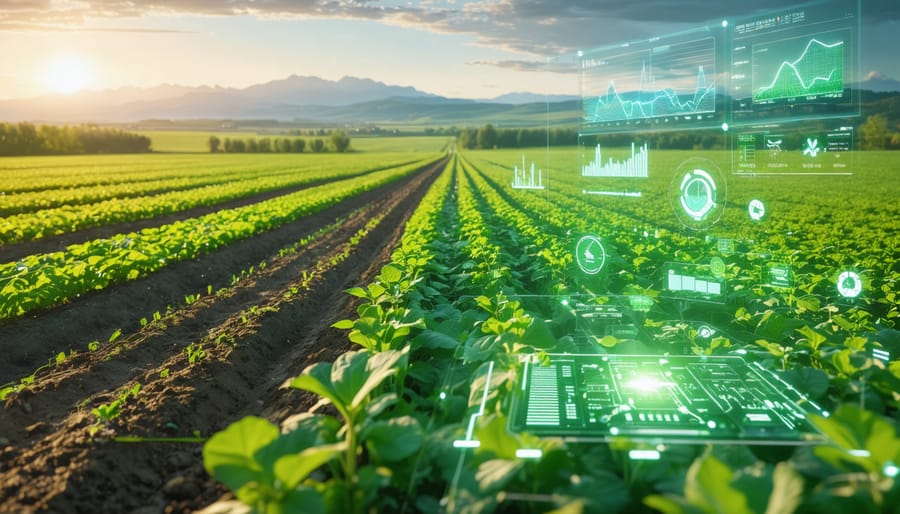
The database plays a crucial role in data interoperability for organic agriculture, enabling digital systems to connect certification records with farm management software, supply chain platforms, and traceability tools. For Canadian producers transitioning to organic production or maintaining certification, understanding how this centralized system works reduces administrative burden and speeds up buyer verification processes that traditionally required multiple phone calls and faxed documents.
As organic markets grow and digital agriculture advances, the INTEGRITY Database serves as the backbone for automated compliance checking, helping certification bodies reduce audit times while giving farmers real-time visibility into their certification status. This system demonstrates how standardized data exchange can transform agricultural operations, making organic certification more accessible and manageable for farms of all sizes across the prairies.
What Is the USDA Organic INTEGRITY Database?
Key Features for Canadian Farmers
For Canadian farmers exporting organic products to the United States or sourcing organic inputs from American suppliers, the USDA Organic Integrity Database serves as an essential verification tool. The database allows you to instantly confirm whether a potential U.S. business partner holds valid organic certification, helping you maintain supply chain integrity and avoid costly mistakes.
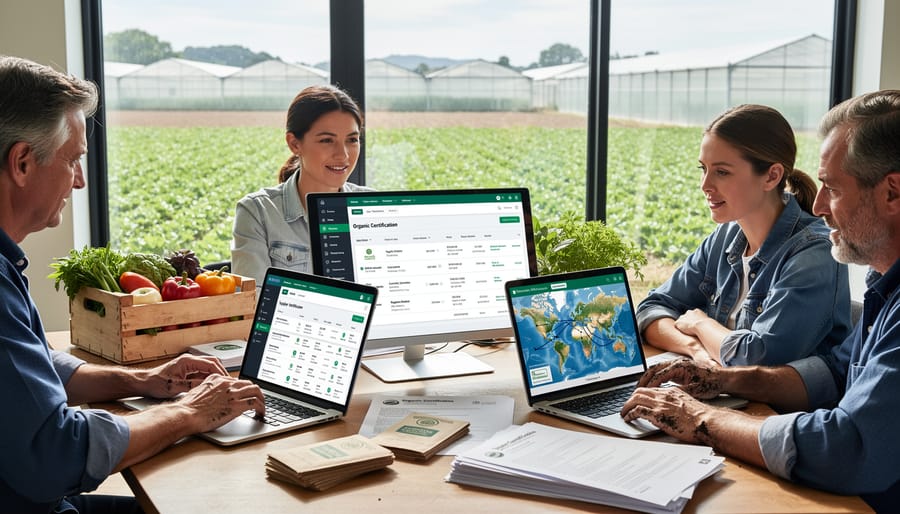
The search function lets you look up operations by company name, location, or certification number, displaying current certification status, scope of operations, and certifying agent details. This transparency proves particularly valuable when vetting new suppliers or responding to buyer inquiries about your own certification status if you hold USDA organic certification alongside your Canadian credentials.
Canadian producers can access operation profiles showing certified product categories, from field crops to livestock, making it easier to identify appropriate trading partners. The database updates regularly, ensuring you’re viewing current information rather than outdated certificates. When integrated with digital farm management tools, this verification capability streamlines documentation requirements for cross-border organic trade. Alberta farmers working with American grain buyers or purchasing organic seed from U.S. suppliers will find the database particularly useful for due diligence and maintaining traceability records required under both Canadian and American organic standards.
Why Data Interoperability Matters for Organic Farming
The Alberta Perspective: Current Challenges
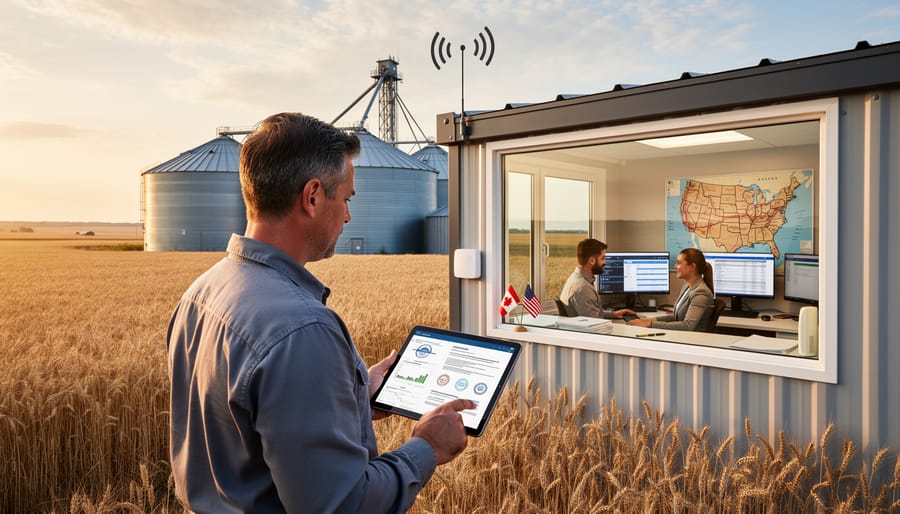
Alberta organic farmers face unique challenges when navigating organic certification data systems, particularly when exporting to U.S. markets. The disconnect between Canadian and American databases creates tangible obstacles for producers trying to grow their businesses across the border.
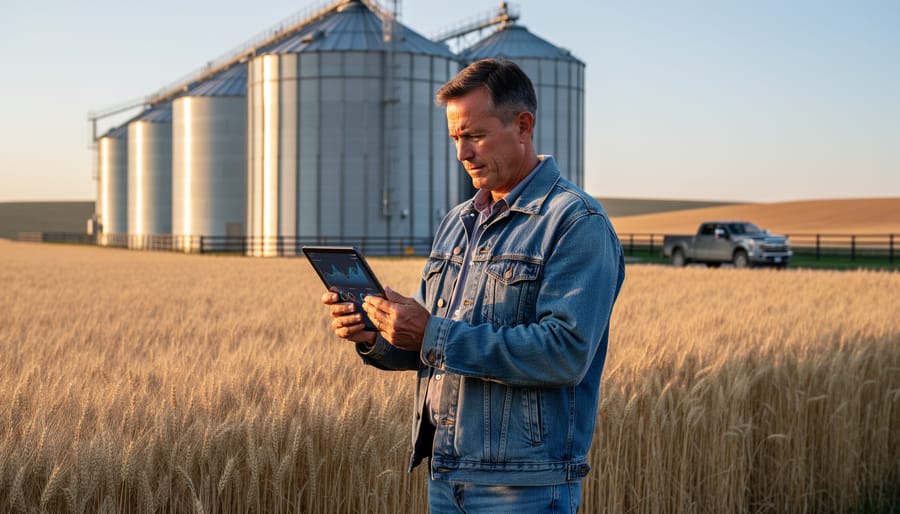
Consider the experience of Sarah Chen, who operates a 50-hectare organic grain operation near Red Deer. When preparing export documentation for her organic wheat, she must manually enter the same farm data into multiple systems—first for her Canadian certification body, then again for U.S. importers requesting USDA Organic Integrity Database verification. This duplication consumes approximately eight hours per shipment, time that could be spent on farm management.
The paperwork burden extends beyond exports. Annual certification renewal requires producers to compile detailed records about inputs, field histories, and production practices. Without interoperable systems, this information sits in disconnected spreadsheets, paper files, and various software programs. When certification bodies or inspectors request specific data points, farmers scramble to locate and reformat information that should be readily accessible.
Communication gaps between Canadian and U.S. systems also create verification delays. American buyers often struggle to confirm Canadian organic credentials through the USDA database, requiring additional phone calls and email exchanges to resolve questions that integrated systems could answer instantly. These inefficiencies particularly impact smaller operations with limited administrative capacity, making market access unnecessarily complicated for producers committed to organic integrity.
Data Standards in Organic AgTech: The Building Blocks
How the INTEGRITY Database Sets Standards
The INTEGRITY Database establishes rigorous data standards that are reshaping how organic certification information flows across North America. At its core, the system uses standardized data fields for operation details, including precise geographic coordinates, certification scopes, and product categories. This consistency means that whether you’re a berry grower in British Columbia or a grain producer in Alberta, your certification data follows the same format, making verification straightforward for buyers and regulators alike.
One particularly influential standard is the database’s approach to tracking certification history. Every operation listed includes certification dates, status changes, and certifying agent details, creating an auditable trail that builds trust throughout the supply chain. This transparency has inspired conversations within Canadian organic circles about enhancing our own tracking systems.
The database also standardizes how operations are categorized by production type and scope. For example, a mixed farm growing vegetables and raising livestock appears with clearly defined categories for each enterprise, preventing confusion for buyers searching for specific products. This level of detail proves especially valuable for Alberta farmers marketing diverse products to international customers.
Canadian certification bodies are watching these standards closely. During a recent interview with organic certification experts, several noted that adopting similar data protocols could streamline cross-border trade and reduce paperwork burdens. The key lesson? Standardized data doesn’t just satisfy regulators; it opens market doors and saves you time managing certification records, allowing more focus on what matters most: growing quality organic products.
Practical Applications for Canadian Organic Farmers
Streamlining Cross-Border Certification
For Canadian farmers exporting organic products to U.S. markets, the USDA Organic Integrity Database significantly reduces administrative burden. The database creates a digital bridge between certification bodies, eliminating the need for repeated paperwork submissions and manual verification processes that previously delayed market access by weeks or even months.
When an Alberta grain farmer receives organic certification from a Canadian certifier recognized under the Canada-U.S. Organic Equivalency Arrangement, their certification details automatically populate in the database. U.S. buyers and border officials can instantly verify the farm’s organic status without requiring paper certificates or additional documentation. This streamlined approach cuts verification time from several days to mere minutes.
The integration also benefits farmers managing multiple certifications. Rather than maintaining separate files for different markets, producers can reference a single database entry that satisfies both Canadian and American requirements. One Saskatchewan canola producer reported saving approximately 12 hours per season on paperwork alone after their certifier adopted integrated database reporting.
For farmers new to exporting, this system reduces entry barriers. The transparent, accessible verification process builds buyer confidence while minimizing the complexity that often discourages smaller operations from pursuing cross-border opportunities. The result is faster transactions, reduced administrative costs, and improved market access for Canadian organic producers.
Supply Chain Transparency
Interconnected data systems are revolutionizing how organic products move from farm to consumer. The USDA Organic Integrity Database serves as a foundation for supply chain transparency, allowing stakeholders to verify organic inputs and track products throughout their journey. When Canadian farmers purchase organic seed or amendments, they can cross-reference supplier certifications against the database, ensuring authenticity before making investments.
For Alberta producers, this verification capability reduces risk and protects farm integrity. Consider a mixed grain operation near Red Deer that sources organic fertilizer from multiple suppliers. By checking each supplier’s certification status in real-time, they avoid purchasing fraudulent inputs that could jeopardize their own organic standing.
These interconnected systems also build consumer confidence. Retailers and food processors increasingly demand complete traceability, and farmers who can provide digital records linked to verified organic certifications gain competitive advantages. The database creates a shared language between certification bodies, farmers, and buyers, streamlining documentation while reducing administrative burden. As more Canadian operations adopt compatible record-keeping systems, the entire organic sector benefits from enhanced credibility and market access.
Canadian Case Study: Alberta Farm Leverages Digital Verification
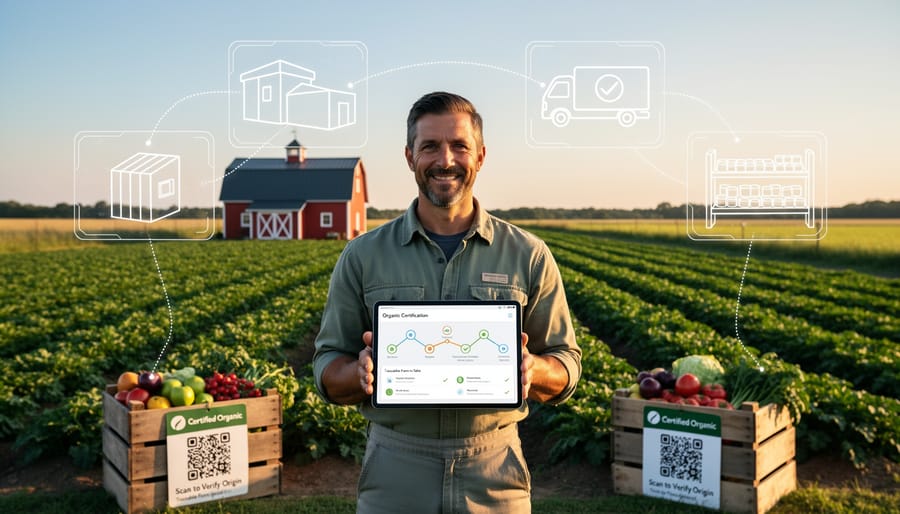
When Clearview Organic Farms near Leduc, Alberta, began exporting certified organic canola and wheat to U.S. markets in 2021, owner Maria Chen faced a frustrating paperwork bottleneck. Every shipment required manual verification of her Canadian organic certification with U.S. buyers, often delaying transactions by several days.
“We’d send PDFs of our certification documents, then buyers would need to independently verify everything with our certifying body,” Chen explains. “It was time-consuming for everyone involved and sometimes cost us sales when buyers chose suppliers with faster verification processes.”
The challenge stemmed from limited data interoperability between Canadian organic certification systems and the USDA Organic Integrity Database. While U.S. certified operations appear in searchable online databases, Canadian operators often rely on traditional document sharing methods.
Chen’s breakthrough came when her certification body, Pro-Cert Organic Systems, began working toward greater digital integration. By standardizing her farm’s data format and ensuring her certification details were digitally accessible, verification times dropped from an average of three days to under two hours.
The measurable results were significant. In the first year after implementing improved digital verification processes, Clearview Organic Farms increased cross-border sales by 28 percent. Customer satisfaction improved as buyers could quickly confirm certification status, and Chen reduced administrative time spent on verification requests by approximately 15 hours monthly.
“What really changed was the confidence buyers had,” Chen notes. “When they could access our certification information through standardized digital channels, it removed the uncertainty that sometimes held up deals.”
The experience highlights a broader opportunity for Canadian organic operations. As data interoperability improves between Canadian certification systems and international databases like the USDA’s platform, farms positioned with digital-ready record systems gain competitive advantages in export markets. For Clearview Organic Farms, embracing digital verification transformed a significant operational challenge into a market differentiator, opening doors to reliable U.S. buyers seeking trustworthy, efficiently verified Canadian organic products.
Expert Insight: The Future of Organic Data Systems
Looking ahead, agricultural technology specialists see tremendous opportunity in standardized organic data systems. “Within the next five years, we expect to see seamless data sharing between certification bodies, farmers, and marketplaces,” explains Dr. Jennifer Morrison, an agricultural technology consultant who has worked extensively with Canadian organic producers. “The USDA Organic Integrity Database represents just the beginning of what’s possible when we prioritize interoperability.”
For Canadian farmers eyeing cross-border opportunities, this evolution carries practical implications. Sarah Chen, certification specialist with an Alberta-based organic verification agency, notes that “producers who invest now in digital recordkeeping systems that can export standardized data formats will have a significant advantage. We’re already seeing requests from retailers for real-time verification links rather than paper certificates.”
The trend toward interconnected systems doesn’t mean farmers need to become IT experts. “Think of it like the transition to electronic banking,” suggests Morrison. “Initially intimidating, but ultimately it saves tremendous time and reduces errors. The key is choosing platforms designed specifically for agriculture, not trying to retrofit business software.”
What should Canadian organic producers prepare for? Chen recommends three priorities: ensuring your farm management software can generate standardized reports, maintaining digital copies of all certification documents with proper metadata, and participating in producer groups that advocate for farmer-friendly data standards. “The producers who engage with these conversations now will shape systems that actually work for farming operations,” she emphasizes.
The message from experts is clear: data interoperability isn’t about adding complexity, but rather creating tools that make organic verification smoother, faster, and more reliable for everyone involved in the supply chain.
Taking Action: What You Can Do Now
You don’t need to wait for perfect systems to prepare for better data interoperability. Start by reviewing your current record-keeping practices. Ensure you’re documenting all organic inputs, field activities, and harvest data consistently. Use spreadsheets or farm management software that allows easy data export—this flexibility will be essential when connecting to future certification platforms.
Consider adopting digital tools revolutionizing organic management that already support standardized data formats. Many Canadian-friendly platforms now offer mobile apps for real-time field recording, making it easier to capture accurate information as work happens rather than reconstructing it later.
Connect with your organic certification body to understand their current data requirements and ask about upcoming digital submission options. Many certifiers are piloting electronic systems and welcome early adopters who can provide feedback.
Join provincial organic associations or online farming communities where members share experiences with different record-keeping systems. Alberta farmers, for example, have formed informal networks to discuss technology adoption and troubleshoot implementation challenges together.
Invest time in learning basic data management skills. Understanding how to organize information in clear categories—such as separating input purchases from application records—will make any future system transition smoother. Even simple steps like maintaining consistent naming conventions for fields and products create a foundation for interoperability.
Finally, stay informed about developments in organic data standards through industry newsletters and webinars. Being an early adopter positions your operation to benefit first from streamlined certification processes and potential market advantages.
Data interoperability represents a genuine opportunity for Canadian organic farmers to streamline operations while strengthening the integrity of our organic systems. By adopting digital standards that allow certification data to flow seamlessly between platforms, you’re not just simplifying paperwork—you’re positioning your operation for economic advantages through reduced administrative costs and faster market access.
The USDA Organic Integrity Database demonstrates what’s possible when the organic sector embraces standardized digital tools. For Alberta producers and farmers across Canada, this same approach can reduce certification burdens by an estimated 30 to 40 percent annually, freeing up time to focus on what you do best: growing quality organic products.
Moving forward doesn’t mean compromising your organic principles. Instead, it means using technology to better document and verify the practices you already follow. As more Canadian certification bodies and agricultural technology providers work toward compatible systems, early adopters will benefit from improved efficiency and stronger market positioning.
The path forward requires collaboration between farmers, certifiers, and technology developers. Your willingness to explore these digital standards today helps build a more resilient, transparent organic sector for tomorrow—one that serves both your operation and the broader community committed to sustainable agriculture.