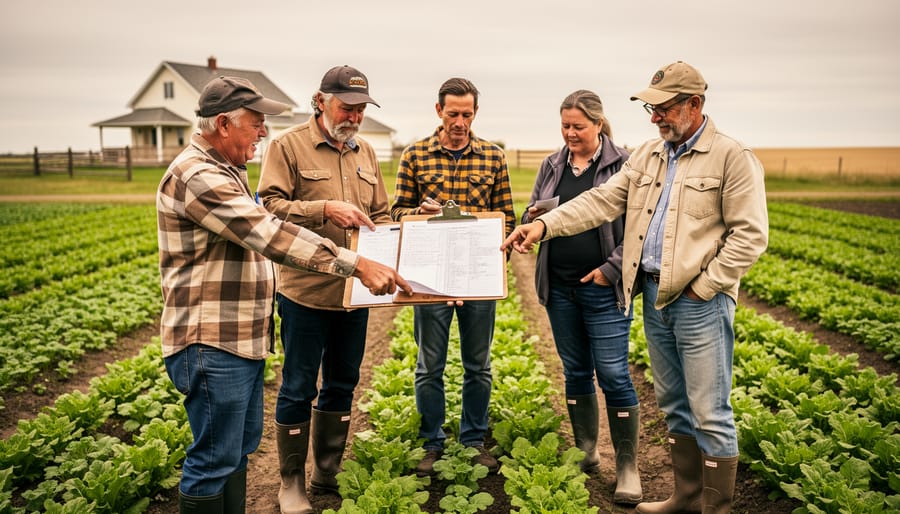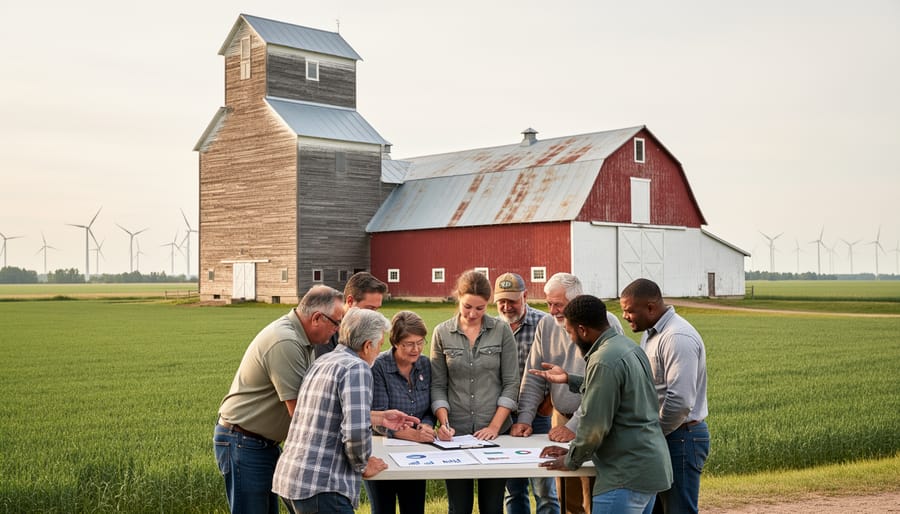
Youth-led participatory action research (YPAR) puts young people at the centre of organic certification systems, not as tokens or trainees, but as co-researchers who identify challenges, gather data, and drive solutions within Participatory Guarantee Systems. This approach transforms how prairie communities verify organic practices by tapping into the energy, digital fluency, and fresh perspectives of the next generation while building their commitment to sustainable agriculture.
In Alberta’s organic sector, aging farmer demographics and succession challenges threaten the continuity of community-led growth in certification networks. YPAR offers a practical remedy. When youth aged 15 to 30 participate as equals in PGS peer review teams, inspection protocols, and data collection, they develop technical skills and personal investment in organic integrity that conventional education rarely provides. They also bring valuable capabilities: comfort with mapping software, social media documentation, and a willingness to question outdated verification practices.
The methodology stands apart from traditional youth engagement because it shifts power. Rather than adults designing projects and assigning tasks, YPAR cycles begin with young people defining the research questions. What makes on-farm verification meaningful to new producers? How can mobile technology streamline peer review without sacrificing trust? Which verification criteria matter most to Indigenous land stewards joining PGS networks? Youth frame these inquiries, choose methods, analyze findings, and present recommendations to the broader community.
For PGS coordinators and organic farmers across the prairies, YPAR represents a concrete strategy to renew membership, innovate certification processes, and ensure knowledge transfer. The following sections outline exactly how to implement youth-led research within your local organic network, drawing on Canadian examples and expert insights from coordinators already making it work.
What Youth-Led Participatory Action Research Brings to Organic Agriculture
The Research-to-Action Cycle
Traditional academic research often takes months or years to move from data collection to published findings to real-world application, a timeline that doesn’t serve farmers facing immediate decisions about soil amendments, pest pressure, or certification documentation. Youth-led participatory action research flips this model by embedding action directly into the research process itself.
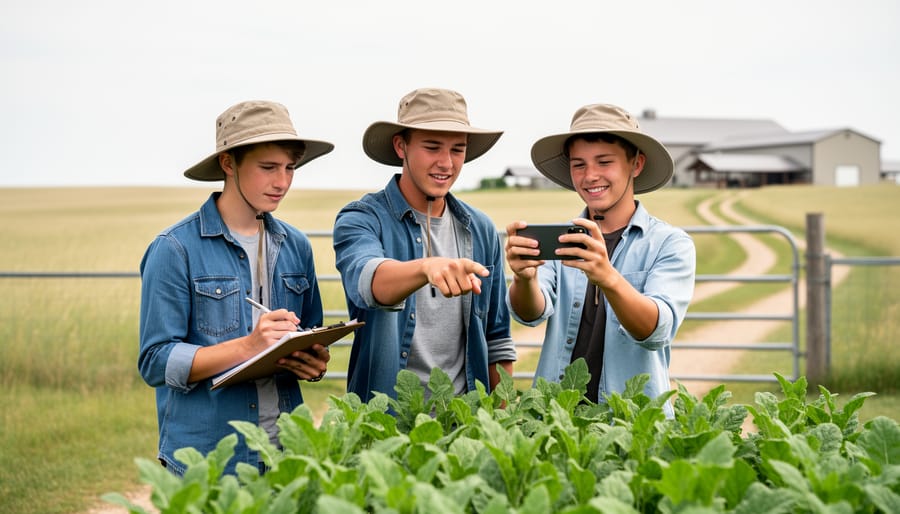
The participatory action research cycle operates on a compressed, iterative loop: youth identify a pressing question within their farming community, gather evidence through interviews or field observation, analyze what they’re seeing, then immediately test solutions alongside farmers. If young researchers notice inconsistencies in how organic producers document compost applications for verification visits, they don’t just write a report, they work with farmers to design simpler record-keeping templates and pilot them during the next growing season.
This rapid feedback loop proves especially valuable for participatory guarantee systems where peer review and community knowledge-sharing depend on accessible, current information. When youth researchers document a technique for assessing pollinator habitat during farm visits, that tool can enter PGS protocols within weeks rather than waiting for formal publication. The findings live in the community immediately, in updated checklists, revised verification forms, or new mentorship practices between experienced and beginning organic farmers.
Building Skills While Building Systems
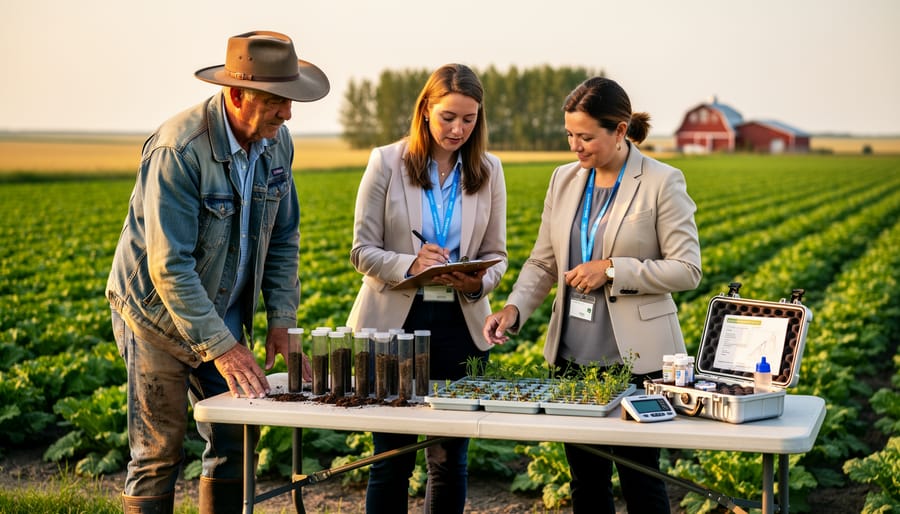
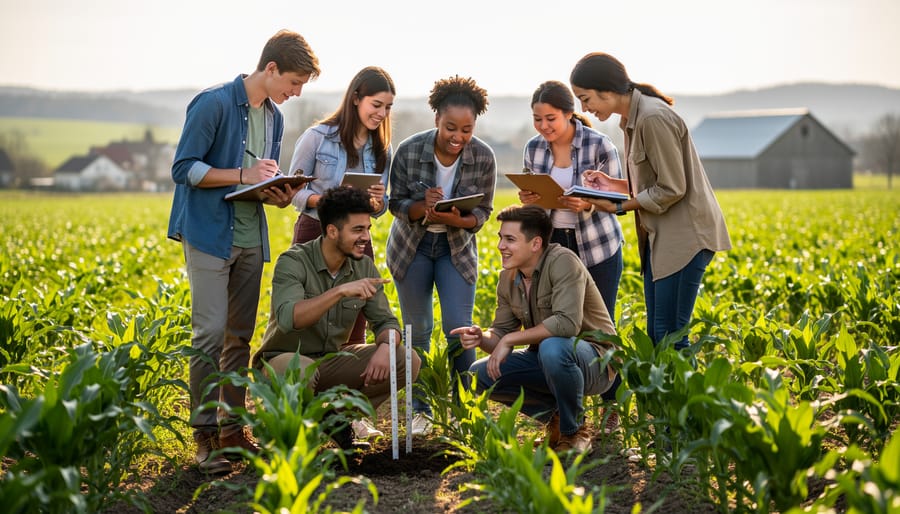
When young people step into participatory action research within organic farming communities, they’re not just observing, they’re building competencies that serve them and the agricultural systems they’re studying. A 17-year-old learning to conduct soil texture tests for a PGS farm assessment simultaneously develops scientific observation skills and gains intimate knowledge of the standards that define organic integrity. That same youth might later design a verification checklist or train other community members, deepening both their leadership capacity and the robustness of the certification system itself.
This dual development happens organically. Youth researchers master practical skills like data collection protocols, interview techniques, and critical analysis while contributing immediately to their communities’ needs. When they document crop rotation patterns across member farms, they’re learning agricultural science and research methodology while creating valuable reference materials that strengthen peer review processes. The PGS benefits from their fresh energy and digital fluency; the youth gain tangible experience that shapes career trajectories and community connection.
The reciprocal strengthening extends beyond individual skill-building. As youth take ownership of research projects, perhaps developing biodiversity monitoring tools or creating accessible educational videos about organic standards, they inject innovation into verification systems while building confidence and agricultural literacy. Communities that invest in youth researchers find their participatory guarantee systems become more dynamic, better documented, and positioned for generational continuity. The young people, in turn, develop a stake in organic agriculture’s future that transcends any single growing season.
Connecting Youth Researchers to Participatory Guarantee Systems
Farm-to-Farm Learning Through Youth Eyes
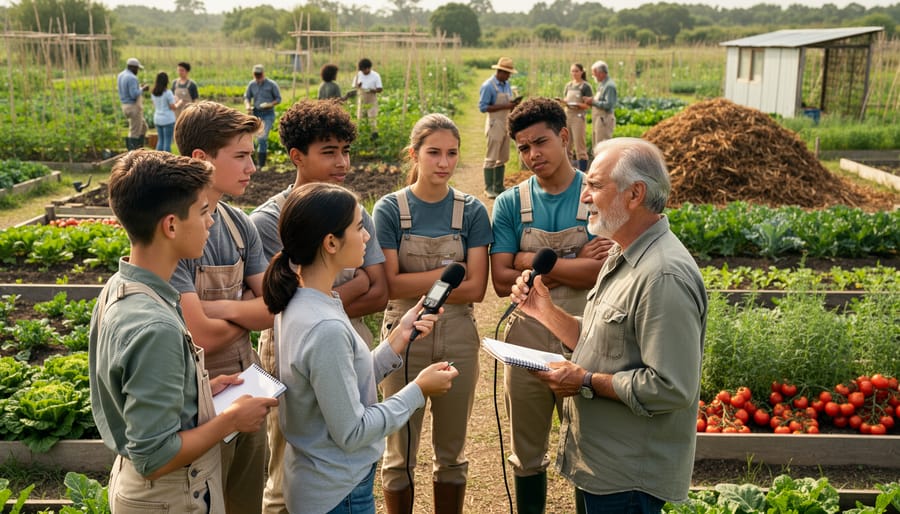
When seventeen-year-old farmers-in-training conduct peer interviews instead of seasoned inspectors, something shifts. The questions change. Instead of grilling an organic vegetable producer about nitrogen levels and buffer zones alone, youth researchers ask how that farmer discovered their favourite variety of storage onion, what their biggest crop failure taught them, and whether they’d do anything differently if starting over. These conversations, recorded with permission, transcribed carefully, sometimes filmed with smartphones, capture not just compliance data but the living knowledge that makes participatory guarantee systems resilient.
Youth researchers excel at translating farmer-to-farmer wisdom into formats their communities actually use. A third-generation grain farmer’s technique for identifying wheat disease by rubbing kernels between their palms becomes a photo-illustrated guide. An elderberry grower’s pest management calendar turns into a shareable spreadsheet. These aren’t glossy publications from distant institutions; they’re created by young people who’ve stood in those fields, asked follow-up questions when something didn’t make sense, and shaped the information for neighbours who’ll recognize the landscape in the photos. The materials often live as downloadable PDFs, Instagram story highlights, or laminated cards tucked into barn offices, whatever format the PGS community finds most accessible.
This documentation strengthens PGS documentation and inspections by building an archive of context-specific practices that verification visits can reference. More importantly, it positions youth as knowledge brokers who connect isolated producers, helping a beginning farmer in Vulcan learn from someone’s thirty-year rotation system three counties over without waiting for the next field day.
Digital Tools and Indigenous Knowledge
Young researchers excel at marrying digital documentation with cultural knowledge preservation, creating tools that serve both PGS verification needs and community memory. Armed with smartphones, tablets, and GPS-enabled apps, youth document Indigenous farming methods that might otherwise remain unrecorded, companion planting patterns passed down through generations, traditional pest management using plant combinations, or seasonal planting indicators based on natural phenomena rather than calendar dates.
This work matters for organic certification because it captures practices that meet PGS standards but don’t fit conventional agricultural documentation. A youth researcher might film an Elder explaining moon-phase planting while simultaneously tagging GPS coordinates of heritage crop plots, creating multimedia records that verify land stewardship far more richly than checkbox forms.
Smart tech becomes particularly valuable when documenting soil health indicators. Youth use phone-based soil apps to photograph aggregate structure, record earthworm counts during farm visits, and build photo libraries showing seasonal changes in organic matter. These visual databases help PGS communities develop region-specific verification benchmarks. Instead of relying solely on lab tests, peer reviewers can compare observations against documented patterns from similar prairie soils.
The intergenerational exchange runs both ways. Elders gain digital archives of their knowledge, accessible to future generations. Youth gain context that transforms data points into stories, understanding why certain tillage timing matters or how polyculture design reduces pest pressure without inputs. For PGS communities, this fusion creates verification tools grounded in both measurable outcomes and cultural continuity, strengthening organic integrity through multiple knowledge systems working together.
Implementing YPAR in Your PGS Community: A Framework for Alberta Farmers
Designing Research Questions That Matter
Effective youth-led research starts with questions that matter to both the community and the young researchers themselves. The sweet spot lies where PGS needs overlap with youth curiosity, where certification requirements meet genuine wonder about how things work on the farm.
Start by bringing youth researchers into actual PGS verification visits or farmer conversations. Let them hear the recurring challenges: “How do we prove our soil is improving?” or “What evidence convinces consumers our practices are truly organic?” These real-world concerns generate research questions with built-in relevance.
Guide youth to frame questions they can investigate with available tools and time. Instead of “Is organic farming better for the environment?”, too broad and vague, encourage specificity: “How does earthworm population change between conventional and organic fields in our region during spring tillage?” or “What soil health indicators can we measure with simple equipment during PGS farm visits?”
Prairie-specific examples resonate particularly well with Alberta youth. Soil carbon sequestration monitoring appeals to those interested in climate solutions and can directly feed into PGS documentation of ecological benefits. Biodiversity assessments, counting pollinator species, photographing beneficial insects, or tracking native plants in field margins, combine outdoor observation with data that strengthens organic claims.
Consumer trust research lets youth explore the human side: interviewing farmers market shoppers, surveying restaurant buyers, or analyzing what certification information people actually read on packaging. This social science angle attracts youth less drawn to field work while addressing real PGS communication needs.
The key is co-creating questions where youth see their work making tangible differences in how their community grows and verifies organic food.
Supporting Youth Without Taking Over
The hardest part of adult involvement is knowing when to step back. Youth-led means exactly that, young researchers set the agenda, choose methods, and decide what findings matter. Your role isn’t to fix problems for them, but to connect them with people who can help when they ask.
Start by establishing clear boundaries upfront. Agree on what decisions stay with the youth team (research questions, data interpretation, presentation format) and where adults provide support (access to farms, introductions to PGS members, budget management until they’re ready). One Alberta grain farmer described his approach as “opening gates, not directing traffic”, he arranged farm visits and shared contacts but let the youth decide which soil health indicators to prioritize.
Create space for failure and iteration. When a survey design doesn’t yield useful data or an interview approach feels awkward, resist the urge to jump in with the “right” way. Instead, ask questions: What happened? What would you try differently? Young researchers build real capacity through problem-solving, not following instructions.
Schedule regular check-ins where youth drive the conversation. Ask what obstacles they’re facing and what resources would help, rather than offering unsolicited advice. Some PGS groups assign each youth researcher a farmer mentor they can contact directly, shifting the power dynamic from supervision to peer support across generations.
Measuring Impact Beyond Data
When youth complete a soil sampling protocol or document farm practices, the spreadsheet tells only part of the story. True impact lives in the conversations that happen after the research, the young person who now confidently explains organic standards to their family, the farmer who adjusted tillage practices based on youth observations, the teenager who decides agriculture might actually be their path.
Track both sets of outcomes deliberately. Yes, record the tangible PGS improvements: new verification checklists created, knowledge gaps filled, community workshops delivered. But also document the harder-to-measure shifts. Did youth participants join farm mentorship programs afterward? Are they talking differently about food systems at school? Have PGS farmers changed practices based on youth findings, and more importantly, do youth see that their work mattered?
Create simple feedback loops. Three months after a project ends, ask youth what they remember most and whether they’ve shared their experience with others. Ask participating farmers whether the research changed anything on their operation. These conversations reveal whether the project built lasting connection or just generated a report.
The most reliable measure? Youth who return for the next season, bringing friends along.
Canadian Case Studies: Youth Driving Organic Integrity
Prairie Soil Health Documentation Project
In the Red Deer region, a group of five high school students partnered with eleven organic grain producers to create a standardized soil health assessment toolkit now used during annual PGS farm visits. The youth researchers spent two growing seasons learning to conduct aggregate stability tests, earthworm counts, and penetration resistance measurements across diverse soil types, from heavy clay to sandy loam, common in central Alberta.
Rather than simply collecting data, the team developed a visual reference guide featuring photographs of soil aggregates at different stability levels and created a simple scoring sheet that non-specialist farmers could use during peer reviews. They documented seasonal variations in compaction and biological activity, discovering that spring assessments immediately after snowmelt provided the most consistent baseline readings.
The project transformed how participating PGS members verify soil management practices. Instead of relying solely on input lists and verbal descriptions, verification visits now include quick field assessments using the youth-designed protocol. Farmers report that seeing soil health through the researchers’ fresh perspective, complete with macro photography of soil structure and time-lapse videos of earthworm activity, renewed their own attention to biological indicators they’d begun taking for granted.
The toolkit has since been adopted by three neighbouring PGS groups and incorporated into organic transition mentorship programs.
Indigenous Youth and Traditional Crop Stewardship
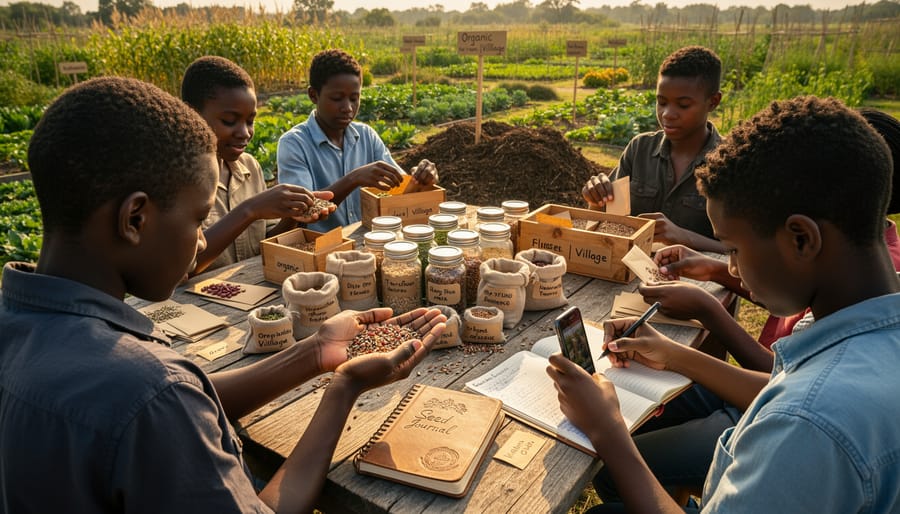
On the Piikani Nation in southern Alberta, a youth-led research initiative transformed how the local PGS community understands crop diversity and soil stewardship. Five Indigenous youth researchers, aged 16-22, spent two growing seasons documenting traditional methods for cultivating heritage varieties of squash, beans, and corn, crops their elders had maintained for generations without formal organic certification.
The young researchers conducted oral history interviews with Knowledge Keepers, photographed companion planting configurations, and measured soil moisture retention in traditional mound systems compared to conventional row planting. Their findings revealed that cultural practices like fish composting and strategic polyculture not only met organic standards but exceeded them in biodiversity protection and water conservation.
What made this project particularly valuable for the regional PGS was the creation of a visual verification guide. Youth researchers developed illustrated protocols showing how traditional indicators, plant vigor patterns, beneficial insect presence, soil smell and texture, could supplement standard organic inspection checklists. This documentation allowed PGS peer reviewers to recognize and validate Indigenous growing methods within the certification framework, rather than requiring these practices to conform to European-derived organic protocols.
The project also sparked succession planning conversations, with two youth participants now managing their own certified organic plots using documented traditional techniques.
Overcoming Common Challenges
Launching youth-led research within participatory guarantee systems rarely follows a smooth path. Most organic farming communities encounter predictable friction points, yet these obstacles become manageable once you recognize them and apply tested strategies.
Time Coordination Across Schedules
The agricultural calendar doesn’t align neatly with academic terms or youth availability. Seeding season, harvest, and school exams often collide. Successful PGS groups solve this by anchoring major research activities, farm visits, data collection, community presentations, to shoulder seasons (late spring before planting intensifies, early fall after harvest winds down). Break intensive work into smaller tasks youth can tackle independently during busy periods, then reconvene for analysis when everyone has breathing room.
Reaching Youth Across Rural Distances
Prairie geographies mean potential youth researchers might live 50 kilometres apart. Transportation becomes a genuine barrier. Communities address this through rural-urban partnerships that connect town-based youth groups with farm-based research sites, arranging carpools through 4-H clubs or agricultural societies. Some projects designate “hub farms” where youth gather for field days, reducing individual travel. For ongoing collaboration, video conferencing handles meetings between visits.
Maintaining Equitable Participation
Not all youth start with equal access, some lack reliable internet, others juggle part-time jobs, and Indigenous youth from remote communities face distinct barriers. Address this proactively by providing honoraria for research time (treating it as paid work, not volunteering), covering transportation costs, and scheduling flexibly around harvest obligations for youth from farming families. Build relationships with Indigenous youth organizations early, ensuring protocols respect cultural knowledge-sharing practices and that research benefits flow back to those communities.
Sustaining Momentum Through Setbacks
Weather cancels farm visits. Key youth participants leave for university mid-project. Early results disappoint. Experienced PGS coordinators emphasize celebration of small wins, a completed soil sampling protocol, one documented interview, rather than waiting for a polished final report. They also ensure at least two youth co-lead each research component, preventing total derailment when someone steps back.
Resources and Next Steps for PGS Communities
Starting a youth-led research initiative in your PGS requires support, and fortunately Canadian organic farmers have access to networks specifically designed to help. Begin with the Canadian Organic Growers (COG), which offers PGS development resources and can connect you with communities already integrating youth researchers. Their regional chapters often facilitate mentorship matching between experienced organic producers and emerging agricultural leaders.
For funding, explore the AgriDiversity program through Agriculture and Agri-Food Canada, which supports community-led projects that advance sustainable agriculture. Youth employment grants like the Canada Summer Jobs program can offset stipends for student researchers conducting farm assessments or documenting traditional practices. The McConnell Foundation’s Social Innovation Fund has previously supported participatory action research in rural communities.
Prairie-specific extension services provide critical training support. Alberta Agriculture and Irrigation’s Growing Forward programs sometimes include youth skill development components relevant to organic certification. The University of Alberta’s Agricultural, Life and Environmental Sciences faculty occasionally partners with farming communities on participatory research, offering methodology training that benefits both students and community members.
Organizations like Food Secure Canada maintain resource libraries on community-based research methods, including downloadable toolkits for project design and facilitation. Their network includes organic sector professionals experienced in youth engagement.
Connect with established agricultural youth programs such as 4-H Canada chapters focused on sustainable agriculture, they can help recruit interested participants and provide organizational infrastructure. The National Farmers Union youth caucus represents another entry point to young people already passionate about farming futures.
Start by reaching out to one organization that aligns with your community’s current capacity. Most are accustomed to supporting rural groups new to structured youth engagement and can recommend realistic first steps tailored to your PGS’s size and geographic spread.
Common Questions About Youth-Led Research in Organic Systems
Starting youth-led research within your participatory guarantee system naturally raises practical questions. Farmers and PGS coordinators across Alberta have asked similar questions as they’ve considered bringing young researchers into their organic verification work. Here are answers to the most common concerns.
What’s the minimum age for youth participants in PGS research projects?
Most programs work with youth aged 15-30, though some community projects successfully engage younger teens (13-14) when paired with adult mentors for farm visits. The key is matching responsibility levels to maturity and interest rather than setting rigid age cutoffs.
How do we handle liability insurance when youth visit member farms?
Check whether your existing farm liability policy or PGS group insurance covers approved volunteers and interns. Many 4-H clubs and agricultural education programs carry their own coverage that extends to youth participating in farm-based learning activities, which can simplify arrangements.
Can we trust the research quality when youth are leading the work?
With proper training and clear protocols, youth researchers consistently produce reliable data, often with more attention to detail than time-pressed farmers can manage. The participatory design process, where youth work alongside experienced growers to develop methods, naturally builds quality controls into the research.
What time commitment should farmers expect when hosting youth researchers?
Initial setup conversations typically require two to three hours, followed by periodic farm visits of one to two hours each during the growing season. Most farmers find this comparable to the time they’d spend on PGS peer reviews anyway, with the added benefit of documented results.
The question of winter engagement troubles many prairie PGS groups, but cold months actually offer ideal opportunities for youth to analyze data collected during growing season, conduct farmer interviews about decision-making processes, and develop educational materials or verification checklists. Some projects shift to greenhouse or indoor growing system assessments, while others focus on processing documentation and preparing presentations for spring farm meetings.
Regarding official verification visits, youth can participate as observers and assistant verifiers once they’ve completed training in organic standards and PGS protocols. Several Alberta PGS communities have successfully mentored youth into full verification team roles by their second season, particularly when the young researchers have spent months studying the farms they’re helping verify. This graduated approach maintains certification integrity while developing the next generation of organic sector leaders.
Budget concerns also surface frequently. Youth-led projects don’t require large grants to start, many begin with modest stipends for youth time, mileage reimbursement, and basic supplies like soil test kits or camera equipment. Some PGS groups have found creative solutions through partnerships with local schools where research projects fulfill curriculum requirements, eliminating the need for separate youth compensation while still producing valuable community outcomes.
Youth-led participatory action research creates a powerful exchange that benefits everyone involved. Young researchers develop practical skills in organic agriculture, learn firsthand how participatory guarantee systems maintain integrity, and build confidence as contributors to their communities. They gain leadership experience that extends far beyond the research project itself, skills in interviewing farmers, analyzing data, and presenting findings translate directly to future careers in agriculture, science, or community development.
For PGS communities and organic farmers, the advantages are equally substantial. Youth bring fresh questions that challenge assumptions and reveal blind spots in existing verification processes. They offer energy and time for documentation tasks that busy farmers often postpone, creating records that strengthen both individual operations and collective knowledge. Perhaps most importantly, youth engagement plants seeds for the future of organic farming in Alberta. When young people understand participatory guarantee systems from the inside, they become the next generation of certified organic producers and PGS coordinators.
The path forward starts with a conversation. Reach out to your local high school agriculture teacher, 4-H club, or Indigenous youth program. Propose a pilot project focused on one specific need within your PGS community, soil sampling, consumer education materials, or documentation of traditional practices. Start small, provide genuine mentorship, and trust young researchers to lead.
Your participatory guarantee system will grow stronger, and so will the roots connecting youth to sustainable agriculture in prairie communities.