Indigenous knowledge refers to the time-tested environmental practices, seasonal observations, and land management techniques developed by Indigenous peoples over thousands of years of living in direct relationship with specific ecosystems. For Alberta farmers facing increasingly unpredictable weather patterns, droughts, and extreme precipitation events in 2026, this body of knowledge offers proven climate adaptation strategies that modern agriculture is only beginning to quantify scientifically.
While conventional farming often relies on short-term data sets and industrial interventions, Indigenous knowledge systems draw from generations of careful observation about plant behavior, soil health, water conservation, and biodiversity. These practices include intercropping techniques that build soil resilience, fire management that prevents catastrophic burns while renewing grasslands, and seed selection methods that preserve genetic diversity for changing conditions. The systems work because they’re rooted in long-term ecosystem thinking rather than single-season yields.
The practical question facing Canadian agricultural producers isn’t whether Indigenous knowledge has value. Research partnerships between First Nations communities and agricultural scientists across the Prairies have already documented measurable benefits: improved water retention, reduced erosion, enhanced pollinator habitat, and crops better adapted to temperature swings. The real question is how to respectfully integrate these time-proven methods into modern farm operations.
This article breaks down what Indigenous knowledge actually means in agricultural terms, explains the mechanisms that make these practices effective for climate adaptation, and examines real Canadian examples where farmers and Indigenous communities have collaborated successfully. You’ll find expert perspectives from both Indigenous knowledge keepers and agricultural researchers, plus actionable strategies for applying these principles on working farms. The goal is practical implementation that honors the source of this wisdom while addressing the climate challenges Alberta producers face right now.
What Is Indigenous Knowledge?
Indigenous knowledge represents a comprehensive understanding of local environments developed and refined by Indigenous peoples over countless generations. Rather than a static collection of facts, it’s a dynamic system of observation, experimentation, and adaptation that has guided sustainable resource use long before modern climate science emerged. This knowledge encompasses everything from predicting weather patterns through bird migration to selecting crop varieties based on soil temperature changes observed through direct contact with the land.
At its core, indigenous knowledge systems operate through continuous interaction between people and their environment. Indigenous farmers don’t simply follow inherited rules, they actively observe, test, and adjust practices based on environmental feedback. A Cree elder in northern Alberta might track the timing of leaf emergence to determine optimal planting windows, just as their ancestors did, while simultaneously noting how those patterns have shifted over decades. This approach creates a living archive of climate information spanning generations, offering insights into environmental change that weather stations and satellites cannot replicate.
- Traditional Ecological Knowledge (TEK)
- The cumulative body of observations, practices, and beliefs about the relationships between living beings and their environment, developed through generations of direct experience. TEK combines practical skills with spiritual and cultural values that guide sustainable resource use.
- Indigenous Knowledge Systems
- Holistic frameworks that integrate environmental observation with cultural practices, governance structures, and community values to manage land and resources sustainably. These systems recognize the interconnection between all elements of an ecosystem rather than treating them as separate components.
- Intergenerational Knowledge Transfer
- The process of passing environmental understanding from elders to younger community members through hands-on teaching, storytelling, and shared experience on the land. This ensures knowledge adapts to changing conditions while maintaining core principles.
- Holistic Land Management
- An approach that considers the entire ecosystem when making agricultural decisions, accounting for soil health, water cycles, plant communities, wildlife, and human needs simultaneously rather than optimizing for single outputs.
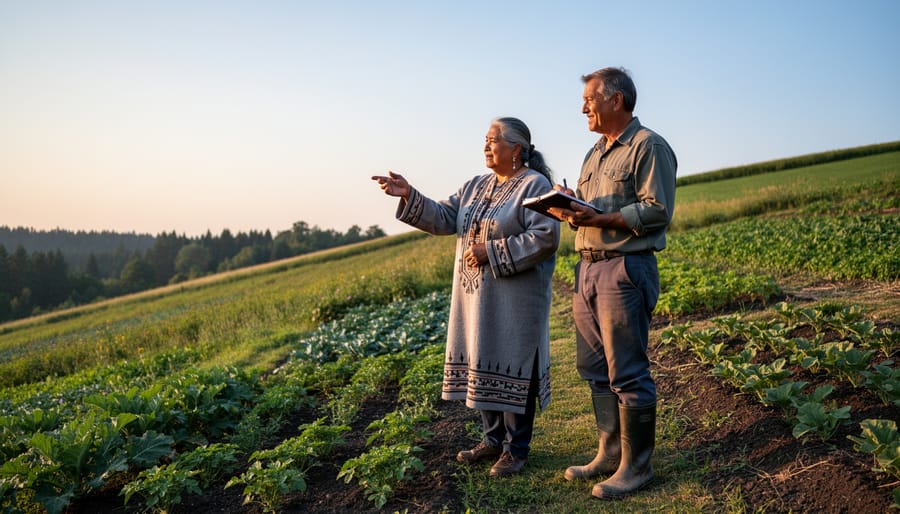
The transmission of this knowledge relies heavily on experiential learning within communities. Young people learn by working alongside elders, observing subtle environmental cues, and understanding the reasoning behind specific practices. This mentorship model ensures knowledge remains relevant and responsive, if a traditional planting indicator no longer aligns with actual growing conditions, the community discusses why and adapts accordingly. It’s this built-in flexibility, combined with deep historical perspective, that makes indigenous knowledge particularly valuable for climate adaptation in modern agriculture.
How Indigenous Knowledge Works in Climate Adaptation
Observation and Environmental Reading
Indigenous farmers read the land through continuous, multi-sensory observation that extends far beyond standard weather forecasts or soil tests. This approach relies on recognizing subtle shifts in the environment that signal when to plant, harvest, or adjust management practices.
Weather pattern monitoring involves tracking cloud formations, wind directions, and seasonal temperature variations over years rather than days. Indigenous observers notice when certain cloud types consistently precede rain, or when prevailing winds shift earlier than historical patterns suggest. These observations accumulate into predictive knowledge that guides planting windows and harvest timing with remarkable accuracy.
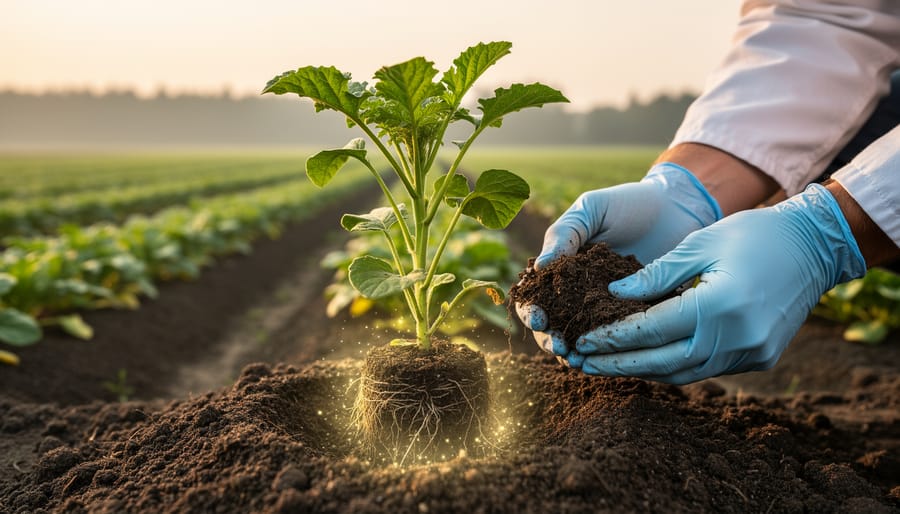
Soil condition assessment happens through direct contact and visual inspection. Experienced indigenous farmers can determine soil moisture levels, temperature, and readiness for planting by feeling texture and observing color changes. They notice when soils warm earlier in spring or retain moisture differently than previous seasons, adjusting seeding dates accordingly.
Plant phenology tracking uses indicator species as natural calendars. The blooming of specific wildflowers, leafing patterns of certain trees, or emergence timing of particular plants signal optimal moments for agricultural activities. When these natural markers shift due to climate change, indigenous farmers adjust their practices in response rather than adhering to fixed calendar dates.
Animal behavior provides additional environmental cues. Migration patterns, nesting times, insect emergence dates, and wildlife activity levels all inform decisions about frost risk, coming weather systems, and seasonal transitions. This layered observation system creates a comprehensive understanding of local climate conditions that evolves continuously with environmental change.
Adaptive Implementation
Once indigenous farmers have read environmental signals, they translate those observations into concrete farming decisions that respond to immediate and anticipated conditions. This adaptive implementation represents the action phase of indigenous climate knowledge, where flexibility and timing determine success.
Planting schedules shift based on observed indicators rather than fixed calendar dates. If bird migration arrives late or soil frost patterns suggest delayed warming, indigenous farmers adjust seeding times accordingly. This responsive approach prevents crop loss from unexpected frost events or failed germination in cold soil, risks that rigid scheduling cannot accommodate.
Crop selection adapts to predicted seasonal conditions. When indicators suggest drought, farmers prioritize drought-tolerant varieties and reduce plantings of water-intensive crops. Conversely, signals pointing toward a wet season might prompt increased planting of crops that thrive in moisture-rich conditions. This year-to-year flexibility maintains productivity despite climate variability.
Land management practices adjust continuously throughout the growing season. Indigenous farmers modify irrigation timing based on plant stress signals, alter cultivation depth when soil moisture changes, and adjust harvest schedules as weather patterns shift. They also adapt grazing rotations, fallow periods, and intercropping arrangements to match current ecosystem conditions.
The key distinction from conventional farming lies in this ongoing responsiveness. Rather than following predetermined plans, indigenous adaptive implementation treats each season as unique, making dozens of micro-adjustments based on what the land and weather reveal. This dynamic approach builds resilience precisely because it never assumes conditions will match expectations.
Types and Components of Indigenous Agricultural Knowledge
Crop and Seed Knowledge
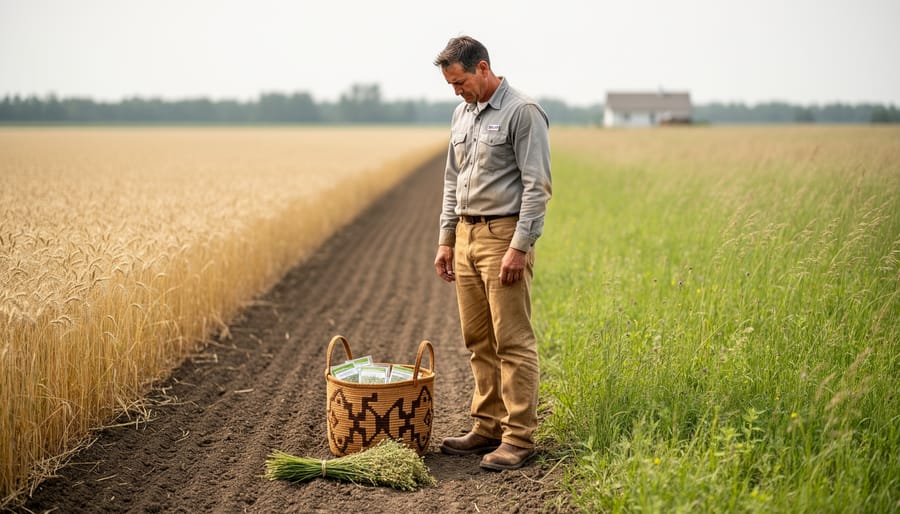
Indigenous communities have preserved and refined seed varieties over centuries, selecting plants that thrive in specific microclimates and withstand environmental stress. This practice creates living libraries of genetic diversity far more adaptable than monoculture crops. Traditional seed saving methods maintain varieties bred for drought tolerance, early maturation in short growing seasons, and resistance to local pests, traits increasingly valuable as Alberta’s climate becomes less predictable.
Heritage crop varieties often carry multiple adaptive traits simultaneously. A single indigenous bean cultivar might offer both heat tolerance and nitrogen fixation capabilities, reducing fertilizer dependence while buffering against temperature extremes. Indigenous farmers historically maintained dozens of crop varieties within a single species, each suited to different field conditions or weather scenarios. This diversity-based approach mirrors the resilience principles used in indigenous soil conservation strategies, where multiple practices work together rather than relying on a single solution.
Plant breeding knowledge extends beyond selecting for yield. Indigenous methods prioritize flavour, storage quality, cultural significance, and ecosystem compatibility, creating crops that fit into broader farm systems rather than demanding the system adapt to them.
Land and Soil Management
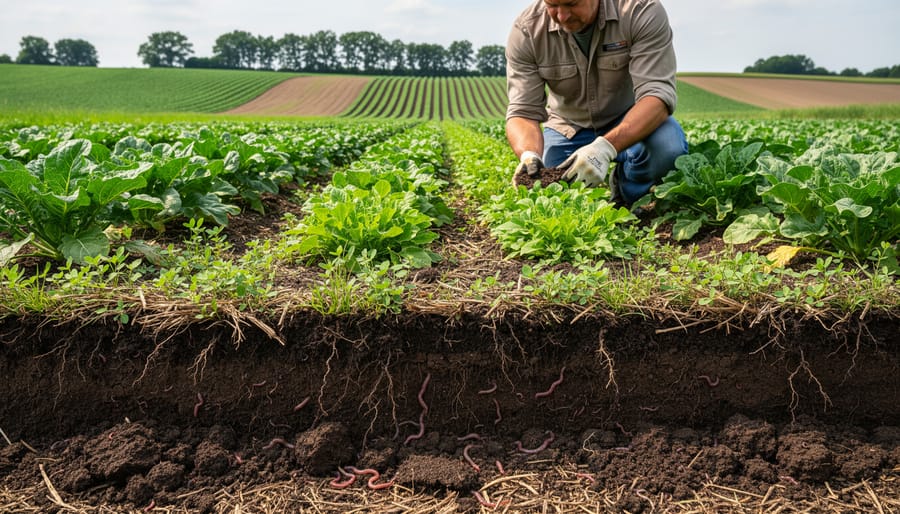
Indigenous communities developed sophisticated soil management systems over thousands of years, techniques that modern research now confirms build remarkable climate resilience. Controlled burns, practiced by many First Nations across Canada, reduce wildfire risk while releasing nutrients and stimulating beneficial plant growth. This creates healthier grasslands that sequester more carbon and withstand drought better than unmanaged pastures.
Traditional fallowing practices give soil time to regenerate between intensive cropping periods, maintaining organic matter levels that improve water retention during dry spells. Many indigenous farmers combined this with indigenous crop rotation that prevented nutrient depletion and disrupted pest cycles naturally, reducing the need for external inputs.
Terracing and contour planting methods, used extensively by indigenous agriculturalists in varied terrain, prevent erosion and capture rainfall where it falls. These practices maintain topsoil integrity through increasingly volatile weather events, protecting the foundation of productive agriculture. The holistic view that land requires reciprocal care, not just extraction, underpins all these techniques and offers Alberta farmers a proven framework for long-term soil health in uncertain climate conditions.
Water and Weather Knowledge
Indigenous communities have developed sophisticated water and weather knowledge systems through centuries of careful observation, creating reliable frameworks for predicting conditions and managing moisture in agricultural landscapes. These systems read natural indicators that modern meteorology often overlooks, from cloud formations and wind patterns to plant responses and animal behaviors that signal coming precipitation or drought.
Traditional weather prediction methods track multiple environmental cues simultaneously. Shifts in bird migration timing, changes in insect activity, the opening and closing patterns of specific wildflowers, and subtle atmospheric pressure variations detected through physical sensation all contribute to forecasting accuracy. Indigenous farmers in Canadian prairie regions historically predicted spring moisture levels by observing winter snowpack depth, wind direction during specific moon phases, and early spring soil temperature patterns felt through bare feet on the land.
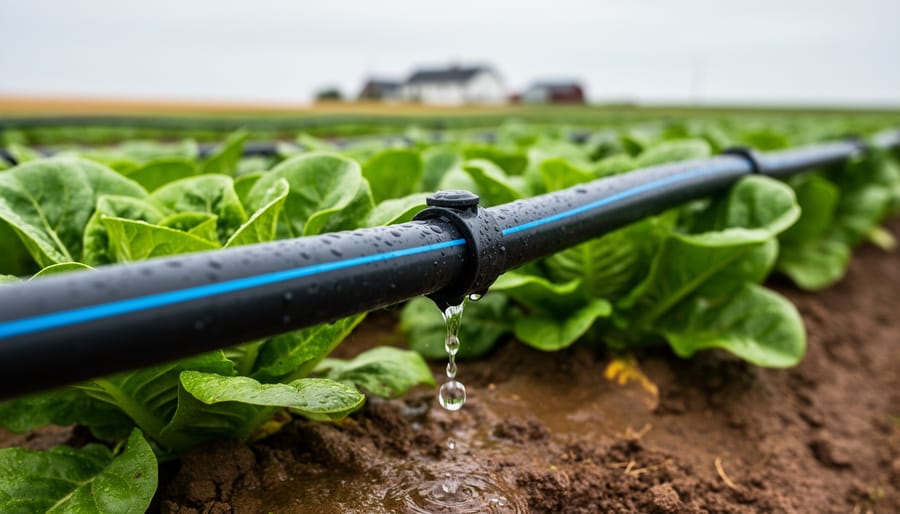
Water conservation techniques embedded in indigenous water wisdom include strategic placement of swales and berms that slow runoff and increase soil infiltration, maintenance of riparian buffer zones that regulate stream flow and filter nutrients, and timing of tillage operations to maximize moisture retention during critical growing periods. These practices recognize water as a connected system rather than an isolated input, managing the entire hydrological cycle from precipitation capture through soil storage to plant uptake and evapotranspiration.
Biodiversity Management
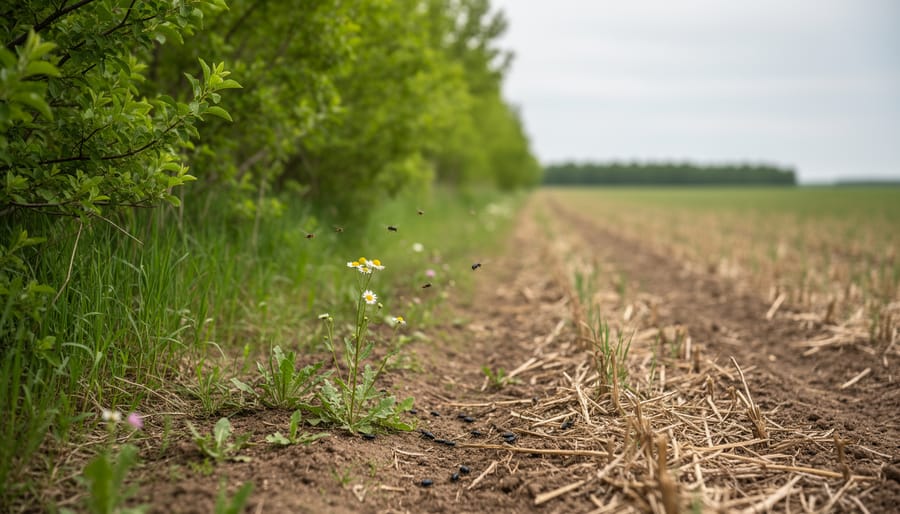
Indigenous communities cultivate biodiversity through integrated planting systems that mirror natural ecosystems. Traditional polyculture, growing multiple crops together, creates pest-resistant environments while supporting pollinators and soil organisms. Farmers maintain habitat corridors, preserve native plant species, and encourage beneficial insects through deliberate landscape design that strengthens farm resilience against climate variability.
Applications in Modern Canadian Agriculture
Case Study: Three Sisters Companion Planting in Alberta
In 2024, Heritage Acres Farm near Lacombe adapted the Three Sisters intercropping system, corn, beans, and squash grown together, to Alberta’s shorter growing season with measurable success. Owner Maria Chen selected cold-hardy varieties and adjusted planting dates, establishing corn two weeks earlier than traditional timing to give it sufficient height before companion planting.
The results demonstrated tangible climate resilience benefits. Soil moisture retention improved by 34% compared to monoculture plots, measured through weekly soil probe readings during the critical July-August period. This water efficiency proved crucial during a three-week drought that summer. The bean vines fixed an estimated 45 kilograms of nitrogen per hectare, reducing synthetic fertilizer needs. Squash leaves shaded the soil, suppressing weeds and moderating temperature fluctuations that typically stress shallow-rooted crops.
Chen documented a 28% reduction in irrigation requirements across the Three Sisters plots while maintaining comparable yields to conventional plantings. Soil organic matter increased by 1.2% over two growing seasons, and earthworm populations tripled. The polyculture also attracted beneficial insects, reducing aphid pressure on neighboring crops.
This adaptation of indigenous sacred seeds knowledge required experimentation with timing and variety selection specific to Zone 3 conditions, but the resulting system proved more resilient to temperature swings and water scarcity than monoculture approaches. Chen now dedicates two hectares to the method and shares her planting protocol with neighboring farms adapting to increasingly variable prairie weather.
Expert Interview: Bridging Traditional and Scientific Knowledge
Dr. Sarah Whitecalf, an agricultural researcher with Métis heritage who works with Alberta’s Indigenous Agricultural Partnership Initiative, has spent fifteen years documenting how farmers successfully blend traditional and scientific approaches. Her work focuses on practical implementation rather than theory.
“The most successful integrations happen when farmers recognize that indigenous knowledge and scientific agriculture aren’t competing systems,” Whitecalf explains. “They’re complementary. Indigenous practices give you the long-view patterns and ecological relationships, while science provides measurement tools and scalable techniques.”
She points to moisture management as a prime example. Traditional observation taught indigenous farmers to read plant stress signals and soil texture changes that modern sensors now confirm with data. Combining both approaches creates more responsive irrigation decisions than either method alone.
Whitecalf emphasizes that respectful collaboration starts with acknowledging knowledge sources. “When a farming operation adopts indigenous soil practices like reduced tillage or specific crop rotations, they should understand the indigenous communities that developed and maintained those techniques. It’s not about performative acknowledgment, it’s about recognizing expertise.”
She recommends farmers start small with one practice, document results rigorously, and build relationships with local indigenous agricultural organizations. Many Alberta First Nations and Métis communities welcome knowledge exchange when approached with genuine interest rather than extraction.
“The integration works best when both knowledge systems maintain their integrity,” Whitecalf notes. “You’re not watering down traditional practices or dismissing science. You’re creating a fuller picture of how your land responds to climate stress, which makes you a better manager of that specific place.”
Benefits for Climate Resilience and Sustainability
Indigenous agricultural practices demonstrate measurable advantages for climate resilience across multiple stress factors affecting Alberta farms. Water conservation stands out as a primary benefit, with traditional mulching techniques and polyculture systems reducing irrigation needs by 30-40% compared to monoculture operations during drought periods. The moisture retention achieved through indigenous soil management practices proves particularly valuable during Alberta’s increasingly frequent dry spells, where conventional fields require supplemental watering while traditionally managed plots maintain productive moisture levels.
Temperature buffering represents another significant advantage. Companion planting arrangements create microclimate protection that moderates extreme heat and cold, with studies showing crop temperature reductions of 3-5°C during heat waves when using indigenous shade-companion strategies. This natural temperature regulation protects sensitive crops during Alberta’s temperature swings without energy-intensive infrastructure investments.
Biodiversity integration through indigenous methods strengthens farms against multiple climate stresses simultaneously. Polyculture systems that incorporate nitrogen-fixing plants, deep-rooted soil builders, and beneficial insect habitat create redundancy that prevents total crop failure when individual species struggle. Alberta farmers using these approaches report more consistent yields across variable weather years compared to single-crop operations. Enhanced pest resilience emerges naturally from this diversity, as indigenous pest control strategies maintain balanced predator populations that adapt to changing conditions without chemical inputs.
Soil health improvements deliver long-term climate adaptation capacity. Traditional practices that build organic matter increase water-holding capacity by up to one inch of rainfall equivalent per percentage point of organic matter gained. This enhanced soil structure also improves drainage during heavy precipitation events, addressing both drought and flood risks that Alberta faces with increasing frequency. Farms implementing indigenous soil stewardship report fewer erosion problems and faster recovery from extreme weather events, maintaining productivity through climate variability that devastates neighbouring operations using extraction-focused methods.
Frequently Asked Questions
Integrating indigenous knowledge into your farming operation raises practical questions about implementation, respect, and viability. Here are answers to the concerns Alberta farmers most commonly express when considering these time-tested approaches.
How can I learn about indigenous agricultural practices without appropriating cultural knowledge?
Start by building relationships with local indigenous communities and agricultural organizations that facilitate knowledge-sharing partnerships. Many First Nations in Alberta offer formal workshops, mentorship programs, and collaborative research projects designed specifically for non-indigenous farmers who want to learn respectfully.
Do indigenous agricultural methods work on commercial scales?
Yes, many practices scale effectively to commercial operations. Three Sisters companion planting, for example, has been successfully adapted to field-scale production with modified planting equipment, while indigenous soil management techniques integrate seamlessly with existing conservation tillage systems.
Where can I find indigenous agricultural advisors or knowledge keepers in Alberta?
Contact organizations like the Indigenous Agricultural Initiative, local Tribal Councils, and university extension programs that maintain indigenous agricultural networks. The Alberta Indigenous Opportunities Corporation also connects farmers with indigenous consultants and traditional knowledge holders.
What are the upfront costs of implementing these practices?
Many indigenous techniques actually reduce input costs over time through decreased reliance on synthetic fertilizers, pesticides, and irrigation. Initial investments typically involve seed acquisition, minor equipment modifications, and training, but most farmers see positive returns within two to three growing seasons through improved soil health and reduced external inputs.
Can I combine indigenous knowledge with precision agriculture technology?
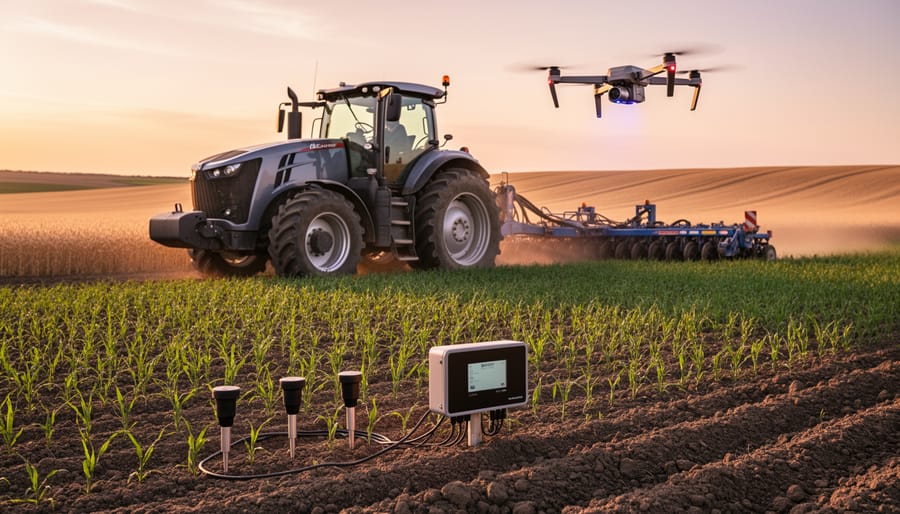
Absolutely. The observational skills central to indigenous knowledge complement data from soil sensors and weather stations, creating a more complete picture of your land’s conditions and needs.
How do I ensure I’m collaborating ethically with indigenous communities?
Follow established protocols that include obtaining informed consent, providing fair compensation for knowledge shared, acknowledging sources publicly, and maintaining ongoing relationships rather than extracting information. Many communities have formal guidelines for research and knowledge-sharing partnerships that outline expectations and mutual benefits.
The path forward involves curiosity paired with humility. Most indigenous communities welcome genuine interest from farmers committed to sustainability and respectful collaboration. Start small with one practice that addresses a specific challenge on your farm, document your results, and build relationships that allow for ongoing learning and adaptation. The economic case strengthens as you reduce input dependency and improve long-term soil health, while the environmental benefits emerge through enhanced biodiversity and water retention that protect your operation against increasingly variable weather patterns.
uses
Indigenous agricultural knowledge offers practical applications for farms facing climate uncertainty. Canadian producers can incorporate these time-tested methods into their operations through several approaches.
Start by adopting indigenous crop diversification strategies. Plant heritage varieties alongside modern cultivars to spread climate risk. The genetic diversity in traditional seed varieties often provides natural resilience to temperature fluctuations and water stress that commercial seeds lack.
Integrate observation-based decision making into your farm management. Monitor natural indicators like plant phenology, bird migration patterns, and soil moisture cycles before making planting and harvest decisions. These environmental cues often predict local conditions more accurately than broad regional forecasts.
Apply indigenous soil building techniques such as companion planting, minimal tillage in appropriate contexts, and maintaining permanent soil cover. These practices improve water retention and soil structure, critical factors during drought periods common in Alberta.
Establish knowledge-sharing relationships with indigenous agricultural practitioners in your region. Many indigenous communities offer workshops, collaborative learning opportunities, and consultation services that respect cultural protocols while sharing practical farming wisdom.
Document your own observations across seasons. Indigenous knowledge systems rely on multi-generational pattern recognition, something any farmer can begin building for their specific land.
Indigenous knowledge represents thousands of years of climate adaptation refined through direct observation and practical application. For Alberta farmers facing increasing weather unpredictability, these time-tested practices offer more than historical interest, they provide actionable strategies that have already proven their resilience across countless growing seasons and environmental shifts.
The path forward isn’t about abandoning modern agricultural science but enriching it. When you combine scientific weather data with traditional environmental indicators, or integrate precision agriculture with indigenous soil management techniques, you create a more robust and flexible farming operation. The farmers already experimenting with companion planting systems, heritage seed varieties, and observation-based decision making report tangible improvements in drought resistance and soil health.
Respectful collaboration matters here. Learning from indigenous agricultural knowledge means building genuine relationships with indigenous communities, acknowledging the source of these practices, and supporting indigenous farmers who continue this work today. Many Alberta indigenous communities welcome partnerships that honor traditional knowledge while addressing shared climate challenges.
Start small if you’re curious. Try one companion planting trial. Attend a local workshop on traditional seed saving. Talk with indigenous farmers about what they’re observing in your shared landscape. These aren’t radical departures from your current operation, they’re practical additions that might help your farm weather whatever climate challenges come next. The knowledge is there, tested across generations. The question is whether we’re willing to learn from it.