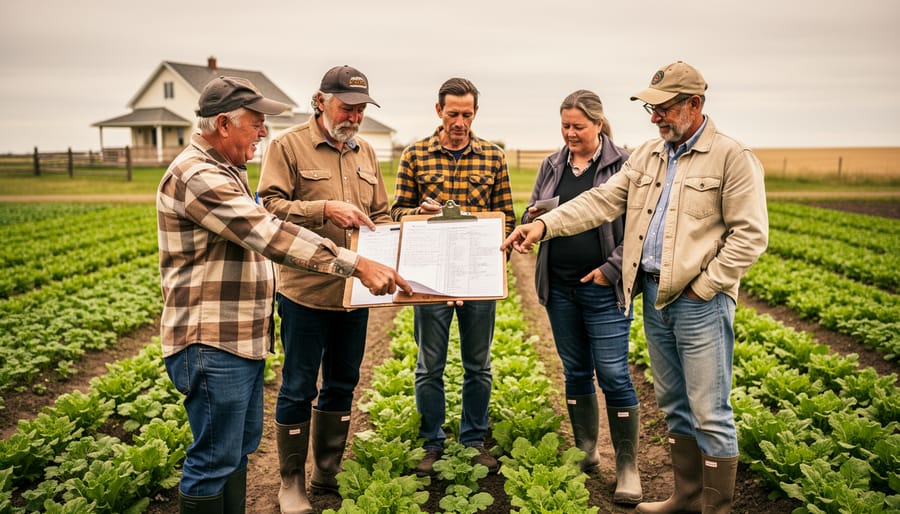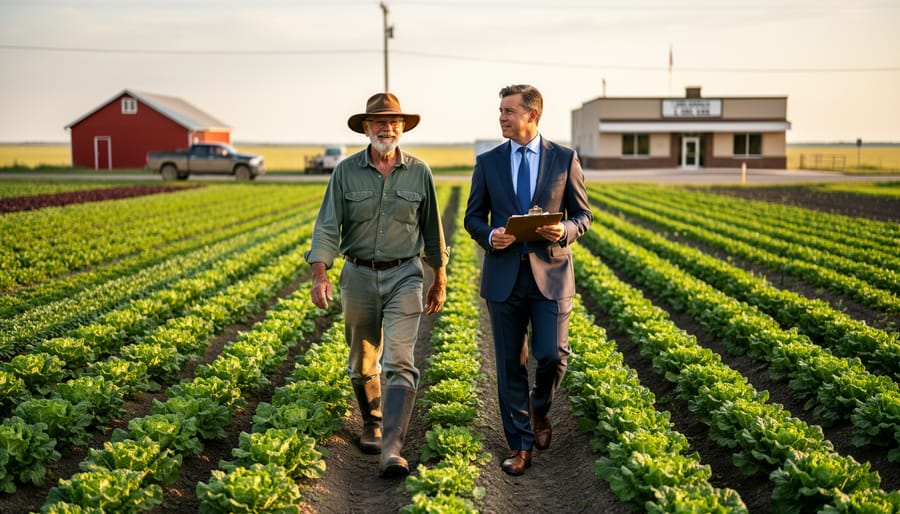
Study the Wisconsin Food Hub Cooperative’s producer-owned model to understand how 40+ family farms collectively market, process, and distribute their products while maintaining individual farm identity and pricing control. This regional cooperative demonstrates that mid-sized operations can compete with industrial agriculture by pooling resources for cold storage, transportation logistics, and wholesale accounts without sacrificing autonomy.
Examine their three-tier membership structure that allows farmers to participate at different investment levels based on production capacity and financial resources. Entry-level members contribute smaller volumes and share fewer operational responsibilities, while full equity members vote on strategic decisions and access premium distribution channels. This flexible framework reduces barriers for beginning farmers while rewarding committed long-term participants.
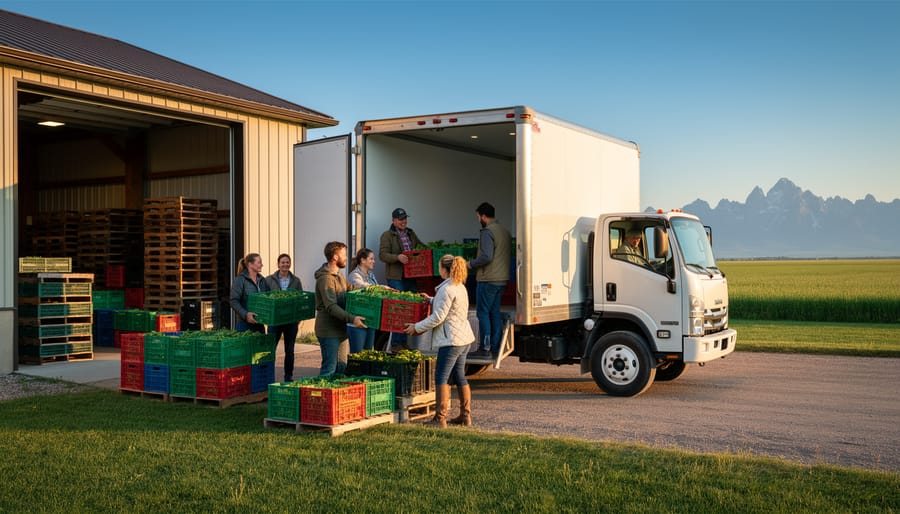
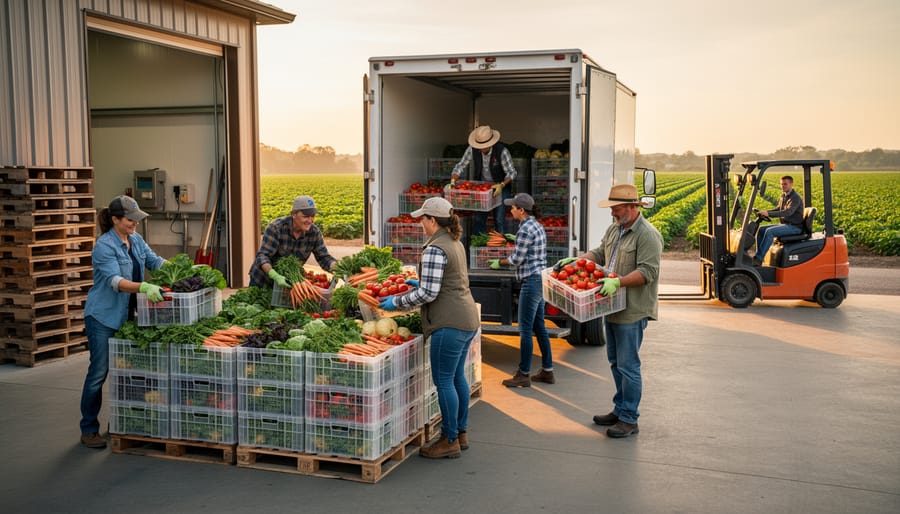
Replicate their aggregation hub system that consolidates products from multiple farms into single-buyer deliveries, cutting individual transportation costs by 60-70%. The cooperative operates strategically located facilities where farmers drop off harvests on standardized schedules, eliminating the need for each producer to make separate deliveries to restaurants, retailers, and institutions.
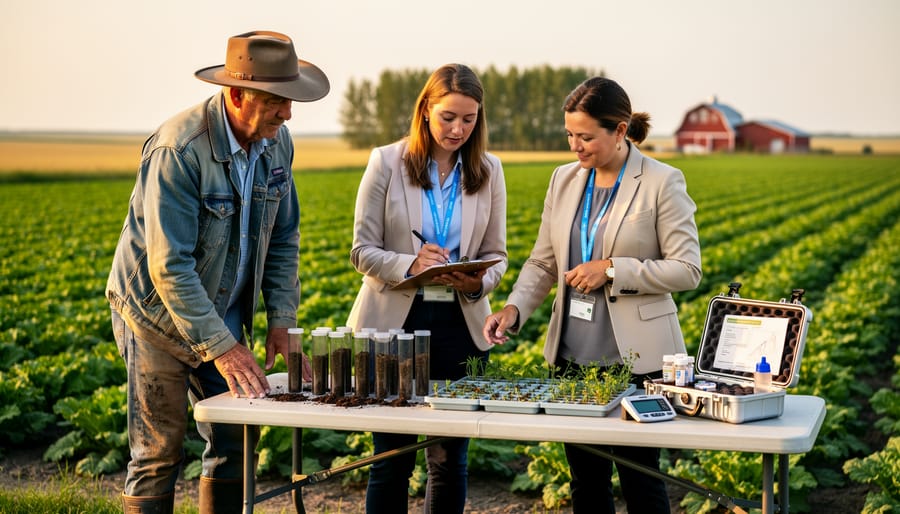
Adapt their food safety protocols that meet wholesale buyer requirements through shared HACKERS certification and group GAP audits. By distributing compliance costs across dozens of members, individual farmers pay substantially less than pursuing independent certification while gaining access to markets that demand third-party verification.
Alberta producers face similar challenges around market access, processing capacity, and buyer consolidation that Wisconsin farmers solved through cooperative infrastructure. Understanding their operational blueprint provides a tested roadmap for building regional food systems that strengthen farm viability while meeting growing demand for locally-sourced products.
What Makes the Wisconsin Food Hub Cooperative Different
The Cooperative Ownership Model
The Wisconsin Food Hub Cooperative demonstrates how member-owned structures create sustainable pathways for farmers to access markets while sharing both financial responsibilities and rewards. In this model, participating farmers become stakeholders rather than simply suppliers, investing capital to establish processing facilities, distribution networks, and marketing systems collectively.
This cooperative approach allows costs to be distributed proportionally among members based on their production volume or investment level. For instance, rather than one farmer shouldering the entire expense of refrigerated transport or food safety certification, these crucial but expensive elements become shared investments. Similarly, operational risks—whether equipment breakdowns or market fluctuations—are absorbed collectively rather than threatening individual farm viability.
Profit distribution follows a patronage model, meaning returns are allocated based on how much each member uses the cooperative’s services. A farmer who sells 500 kilograms of produce through the hub receives dividends proportional to their participation, ensuring fairness and encouraging active engagement. This structure mirrors successful food collaboratives emerging across Canada.
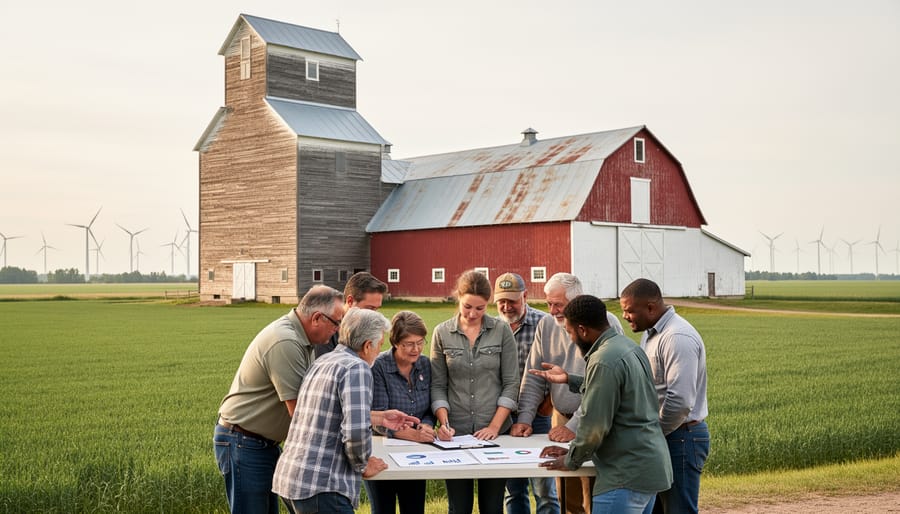
For Alberta farmers considering similar models, the Wisconsin example shows that governance transparency and clear operating agreements are essential. Members typically serve on elected boards, vote on major decisions, and maintain accountability through regular financial reporting. This democratic structure ensures the cooperative remains responsive to farmer needs while building the collective strength necessary to compete in increasingly consolidated food markets.
Infrastructure and Distribution Networks
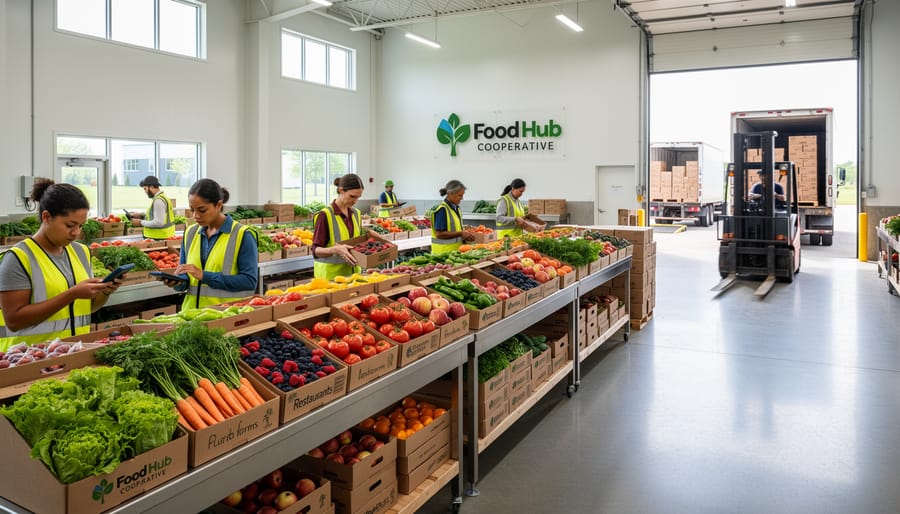
The Wisconsin Food Hub Cooperative operates through a well-coordinated infrastructure system that Canadian farmers can learn from when building their own regional networks. Their physical setup includes a 2,800-square-meter distribution facility strategically located to serve both urban markets and rural producers, featuring temperature-controlled zones ranging from 1°C to 4°C for produce and dairy products.
Cold storage capacity stands at approximately 450 cubic meters, with separate sections for different product categories to prevent cross-contamination and maintain optimal freshness. This compartmentalized approach has proven particularly effective for managing diverse product lines, something Alberta farmers dealing with varied growing seasons should note.
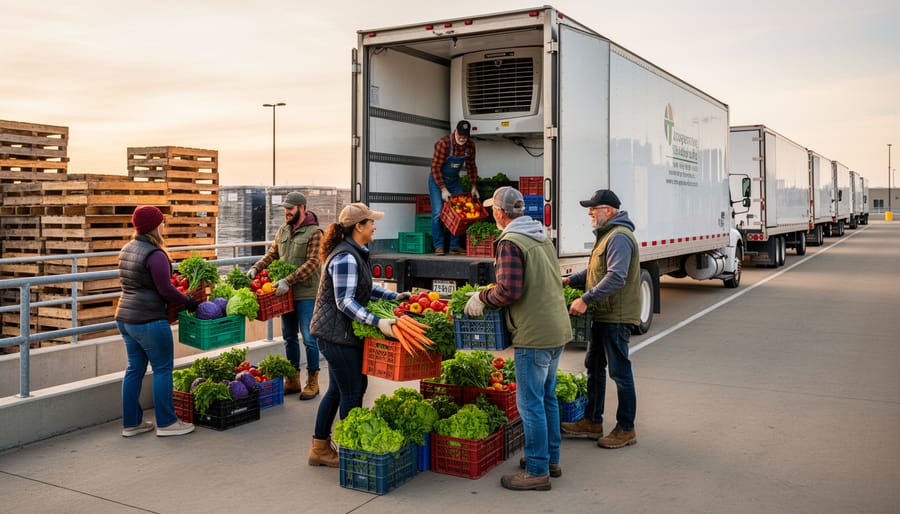
Transportation coordination relies on a hub-and-spoke distribution model. The cooperative operates three refrigerated trucks making scheduled routes to collection points across a 240-kilometer radius. Smaller producers share truck space, significantly reducing individual transportation costs—a model that addresses the distances many Alberta farmers face when accessing urban markets.
The technological backbone includes an online ordering platform that connects buyers directly with available inventory in real-time. Producers upload their harvest schedules weekly, allowing institutional buyers and retailers to plan purchases three to five days ahead. This system runs on open-source software adapted to their specific needs, keeping technology costs manageable.
For coordination, the hub uses a simple text-message alert system alongside their digital platform, ensuring producers without high-speed internet can still participate effectively. This inclusive approach acknowledges varying levels of technology access across farming communities, reflecting similar realities in rural Canadian regions.
Real Results: How Wisconsin Farmers Increased Market Access
Economic Impact on Member Farms
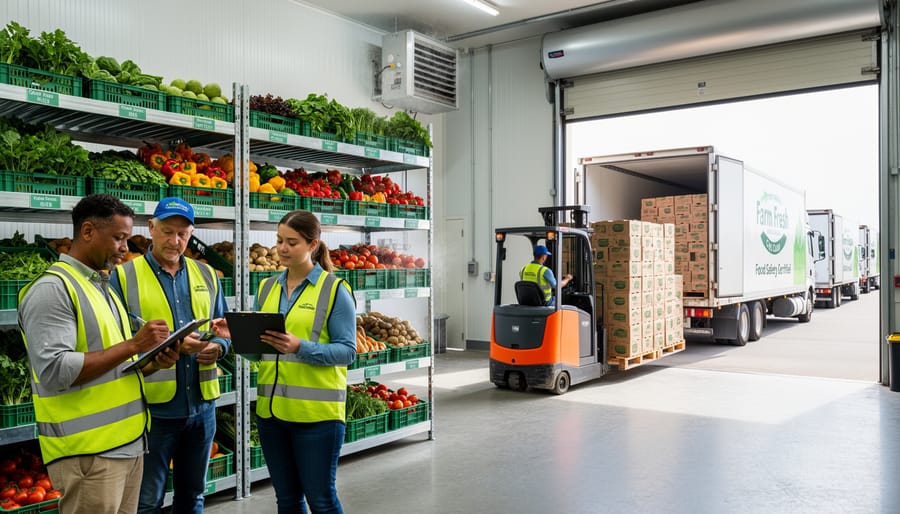
The Wisconsin Food Hub Cooperative demonstrates measurable economic benefits that directly support member farms’ financial sustainability. Participating farmers have reported revenue increases averaging 15-20% within the first two years of membership, primarily through consistent access to institutional buyers and retail markets that would be difficult to reach individually.
Shared infrastructure creates significant cost savings for cooperative members. By pooling resources for cold storage facilities, processing equipment, and distribution vehicles, individual farms reduce capital expenditures by approximately 30-40%. This collaborative approach, similar to successful rural-urban partnerships emerging across Canada, allows smaller operations to compete effectively without shouldering prohibitive overhead costs.
The cooperative’s collective bargaining power transforms market negotiations. Rather than accepting whatever prices buyers offer, member farms negotiate as a unified entity, securing premium prices for quality produce while maintaining reliable delivery volumes. Wisconsin members report achieving 10-15% higher prices compared to selling independently. This model proves particularly valuable for organic and specialty crop producers who need consistent market channels. For Alberta farmers considering similar arrangements, these economic indicators suggest food hub cooperatives can strengthen farm viability while building resilient local food systems.
Environmental Benefits Through Reduced Waste
The Wisconsin Food Hub Cooperative demonstrates measurable environmental progress that offers valuable insights for Canadian operations. Through consolidated distribution routes, the cooperative reduced its carbon footprint by approximately 35% compared to individual farm deliveries. Their centralized system means one refrigerated truck replaces multiple smaller vehicles making separate trips to buyers—a model particularly relevant for Alberta’s vast distances between rural producers and urban markets.
Food waste reduction stands out as a significant achievement. The cooperative diverts roughly 18,000 kilograms of produce annually from landfills by connecting cosmetically imperfect but perfectly edible items with institutional buyers and food banks. This approach creates additional revenue streams while addressing food security concerns.
Their consolidation efforts also reduced packaging waste by 40% through reusable container systems shared among member farms. The cooperative invested in standardized plastic totes that cycle between producers and buyers, eliminating single-use cardboard boxes.
For Alberta farmers considering similar models, these outcomes highlight tangible sustainability benefits beyond environmental stewardship. Reduced fuel costs from shared transportation directly improve profit margins, while waste reduction opens new market channels. The Wisconsin model proves that environmental responsibility and economic viability strengthen each other when producers work cooperatively rather than independently navigating complex distribution challenges.
Key Components of Community Food Hub Success

Building Producer Commitment and Trust
Building strong producer commitment requires transparent communication from day one. Wisconsin’s food hub started with face-to-face farm visits, where organizers listened to farmers’ needs and concerns before proposing solutions. For Alberta producers considering a cooperative model, this groundwork is essential—start with informal conversations at farmers’ markets or agricultural events to gauge interest and identify shared challenges.
Establishing clear governance structures builds trust. Wisconsin implemented a member-elected board with rotating terms, ensuring all voices had representation. Their bylaws included specific quality standards, delivery schedules, and fair pricing formulas that members voted on collectively. This democratic approach to collaborative success helps prevent conflicts down the road.
Maintaining cooperative culture demands ongoing engagement. Wisconsin holds quarterly member meetings beyond formal board sessions, creating space for relationship-building and problem-solving. They celebrate wins together—like securing new institutional buyers—and address setbacks transparently.
For Canadian farmers, consider starting small with a pilot group of 5-10 committed producers before expanding. Document expectations clearly, including volume commitments measured in kilograms rather than pounds, and payment timelines. Regular communication through newsletters or group messaging keeps everyone informed and invested in the cooperative’s success.
Securing Funding and Financial Sustainability
The Wisconsin Food Hub Cooperative’s financial foundation offers valuable lessons for Canadian farmers exploring cooperative models. The hub secured initial capital through a combination of member equity contributions, where participating farmers invested between $500 and $2,000 to gain ownership stakes and voting rights. This approach fostered commitment while distributing financial risk across the membership.
Beyond member equity, the cooperative accessed various financial support programs, including USDA Rural Development grants and low-interest loans from cooperative development organizations. Alberta farmers can explore similar opportunities through Growing Forward programs, the Canadian Agricultural Partnership, and regional cooperative development associations.
Revenue sustainability comes from multiple streams: the hub charges a 15-20% handling fee on products sold, provides fee-based aggregation and distribution services, and generates income through value-added processing. This diversified approach protects against market fluctuations. The cooperative maintains transparent financial reporting, with quarterly updates shared among members, building trust and accountability. For long-term viability, they established a capital reserve fund, allocating 10% of annual profits to equipment upgrades and facility improvements. This financial model demonstrates that cooperatives can achieve sustainability while keeping farmer members at the centre of decision-making and profit distribution.
Technology and Coordination Systems
The Wisconsin Food Hub Cooperative’s success relies heavily on accessible digital tools that streamline operations without overwhelming smaller producers. Their system uses cloud-based inventory management software that allows farmers to update available products in real-time from their smartphones—a practical approach that works well even in areas with limited internet connectivity.
For order processing, the cooperative implemented a simple online platform where buyers can browse current inventory, place orders by Tuesday evenings, and receive consolidated deliveries by Friday. This predictable schedule helps both producers plan harvests and buyers manage their purchasing budgets. The system automatically generates picking lists and delivery routes, reducing coordination time by approximately 60 percent compared to manual methods.
Communication happens through a combination of weekly email updates and a dedicated messaging app. Producers receive notifications about buyer requests, pricing updates, and delivery schedules, while buyers get alerts when seasonal products become available. The cooperative also maintains a shared digital calendar for delivery windows and producer meetings.
For Canadian farmers considering similar systems, start with free or low-cost platforms like Google Workspace or Local Line before investing in specialized software. The key is choosing tools your members will actually use—simplicity often trumps sophisticated features when building participation and trust among diverse producer groups.
Adapting the Cooperative Model for Alberta Farms
Climate and Geographic Considerations
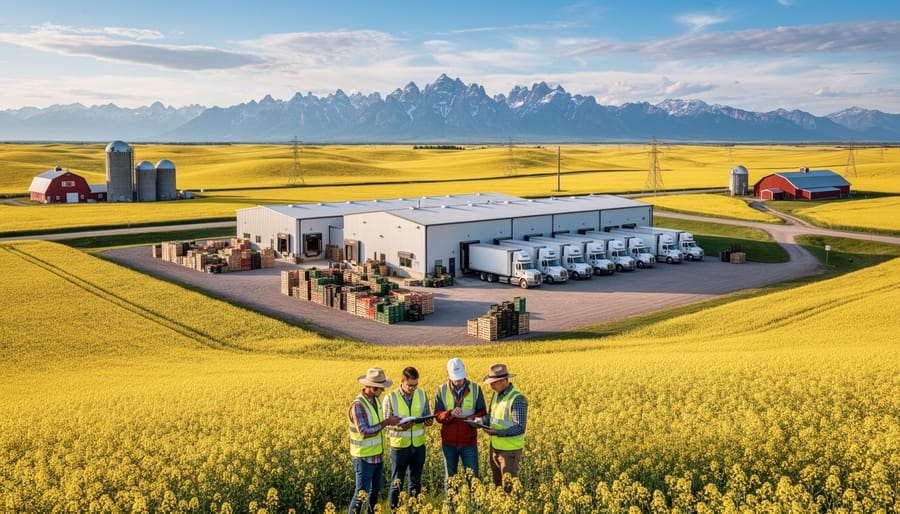
Alberta’s agricultural landscape presents distinct challenges and opportunities compared to Wisconsin’s environment. While Wisconsin enjoys a growing season of approximately 140-180 days with relatively moderate temperatures, Alberta’s shorter season typically spans 100-120 frost-free days, requiring careful crop selection and season extension techniques.
Transportation distances in Alberta differ significantly. Wisconsin’s compact geography allows most farms to reach their food hub within 160 kilometres, whereas Alberta’s vast rural spaces often mean producers travel 300 kilometres or more. This impacts logistics, fuel costs, and product freshness considerations that cooperative planners must address.
Wisconsin receives consistent rainfall throughout the growing season, averaging 750-900 millimetres annually. Alberta’s prairie climate is considerably drier at 400-500 millimetres, with irrigation infrastructure playing a crucial role in production planning.
Successful adaptation strategies for Alberta include investing in high tunnels and greenhouse infrastructure to extend the season, developing regional collection points to reduce individual transportation burdens, and focusing on cold-hardy crop varieties and livestock systems suited to prairie conditions. Building strong relationships with Indigenous food producers who have generations of experience working with Alberta’s unique climate can provide valuable insights for cooperative success.
Regulatory and Policy Framework in Canada
While the Wisconsin Food Hub Cooperative operates under U.S. regulations, Canadian farmers exploring similar models must navigate distinct regulatory frameworks. In Canada, cooperatives are governed provincially, with Alberta’s Cooperatives Act providing clear guidelines for incorporation, governance, and member rights. Understanding these requirements is essential before establishing a food hub cooperative.
Food safety compliance follows federal standards through the Canadian Food Inspection Agency and the Safe Food for Canadians Regulations. Provincial health authorities also oversee facilities handling food products. Depending on your processing activities, you may need licensing for meat cutting, dairy handling, or value-added production—requirements that vary by province and product type.
Government support programs offer substantial assistance to emerging cooperatives. Agriculture and Agri-Food Canada provides funding through initiatives like the Canadian Agricultural Partnership, supporting infrastructure development and market access. Alberta Agriculture and Irrigation offers business planning resources and grants specifically designed for collaborative ventures, including non-profit farming organizations and cooperatives. The Co-operative Development Initiative delivers technical assistance and startup funding.
Before launching, consult with cooperative development advisors and legal professionals familiar with agricultural enterprises to ensure compliance while maximizing available support.
Starting Small: First Steps for Alberta Producers
Taking that first step toward joining or creating a food hub cooperative doesn’t have to feel overwhelming. Start by reaching out to neighboring producers who share your interest in collaborative marketing and distribution. Organize an informal coffee meeting or farm visit to discuss common challenges and gauge interest levels. These initial conversations often reveal whether there’s enough commitment to move forward together.
Once you’ve identified a core group of interested farmers, consider reaching out to Alberta Agriculture and Irrigation for resources on cooperative development. They can connect you with advisors who understand both the cooperative business model and regional agricultural conditions. Before making major commitments, visit established food hubs—even virtually—to see different operational models in action. The Wisconsin Food Hub Cooperative offers valuable lessons, but also look at Canadian examples closer to home.
Start with a pilot program rather than launching a full-scale operation immediately. You might begin by coordinating deliveries to just two or three restaurants or organizing a shared booth at farmers’ markets. This low-risk approach lets you test logistics, identify potential friction points, and build trust among members without significant financial investment.
Document everything during your pilot phase: delivery routes, communication systems, pricing structures, and member feedback. These records become invaluable when you’re ready to formalize your cooperative structure. Remember that successful food hubs typically take 18 to 24 months to establish strong operational rhythms, so patience and persistence matter as much as initial enthusiasm.
Expert Perspective: Building Cooperative Networks in Canada
We spoke with Dr. Sarah Mitchell, an agricultural cooperative consultant based in Edmonton who has spent fifteen years helping Prairie farmers build collaborative networks. Her perspective on adapting the Wisconsin Food Hub Cooperative model to Alberta’s unique landscape offers valuable insights for producers considering this approach.
“The Wisconsin model demonstrates something we already know works well in Canada—farmers are stronger together,” Dr. Mitchell explains. “Alberta has a rich history of agricultural cooperatives, from grain elevators to marketing boards. Food hubs are simply the next evolution of this cooperative spirit, adapted for our modern, diverse food economy.”
According to Dr. Mitchell, Alberta’s geography actually presents advantages for food hub development. “Our proximity to major urban centres like Calgary and Edmonton creates built-in market demand. The challenge isn’t finding customers—it’s building the infrastructure to aggregate, store, and distribute products efficiently across seasons.”
She emphasizes that successful food hubs require more than shared warehouses. “The cooperative structure matters because it keeps decision-making power with producers. You’re not just selling to another middleman; you’re co-owning the distribution channel. This means better price stability and direct feedback from institutional buyers.”
When asked about starting small, Dr. Mitchell is encouraging. “Begin with what you have. Three vegetable growers and two meat producers can form a viable hub if they’re serving a defined market—say, local restaurants or a farmers’ market collective. Scale comes with time and demonstrated success.”
She notes that Canadian producers have access to funding programs specifically designed for cooperative development. “Provincial and federal grant programs recognize the economic value of cooperatives. The key is presenting a solid business plan that shows market research, committed members, and realistic financial projections.”
Dr. Mitchell’s final advice is practical: “Visit existing food hubs, talk to members honestly about challenges, and start building relationships with potential buyers before you invest in infrastructure. Cooperation begins with conversation.”
The Wisconsin Food Hub Cooperative model demonstrates that collaborative agriculture isn’t just theory—it’s a proven pathway to strengthening farm viability and rural communities. For Canadian farmers, particularly those across Alberta and the prairies, these cooperative principles offer immediate, practical solutions to challenges you’re likely facing: inconsistent market access, rising transportation costs, and the pressure to compete with large-scale operations.
By pooling resources through cooperative food hubs, you can collectively negotiate better prices, share infrastructure costs, and access markets that would otherwise remain out of reach. The environmental benefits are equally compelling. Coordinated distribution reduces individual farm trips, cutting fuel consumption and emissions while supporting local food security. These hubs also create meaningful employment in rural areas, keeping young people connected to agriculture and revitalizing community economies.
The success stories from Wisconsin aren’t happening in vastly different conditions—they’re working with similar seasonal limitations, distance challenges, and small to mid-sized operations that mirror the Canadian agricultural landscape. The cooperative model has been adapted successfully across various climates and regulatory environments, proving its flexibility.
Now is the time to explore how a cooperative food hub could work for your operation and community. Connect with agricultural cooperatives in your region, attend local farm association meetings, or reach out to organizations supporting collaborative agriculture. Start conversations with neighbouring producers about shared goals and challenges. The infrastructure, expertise, and support systems exist—what’s needed is your participation and commitment to building something stronger together.