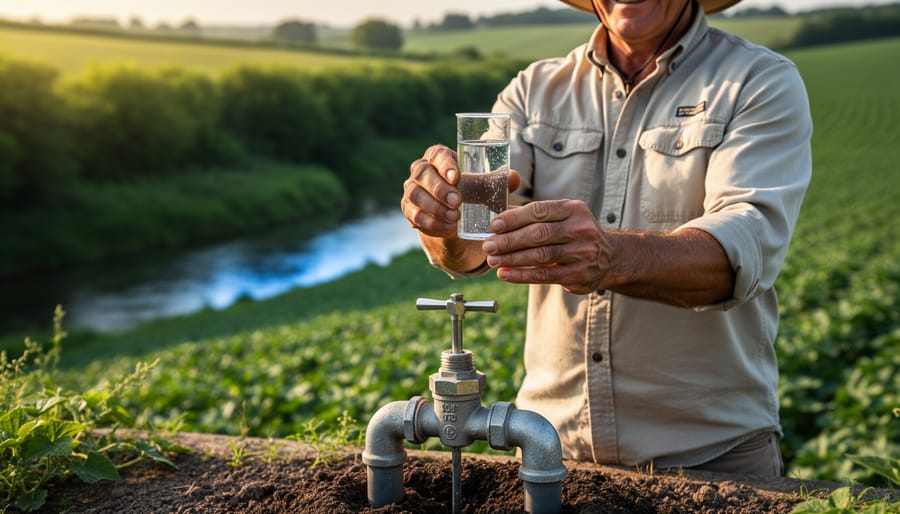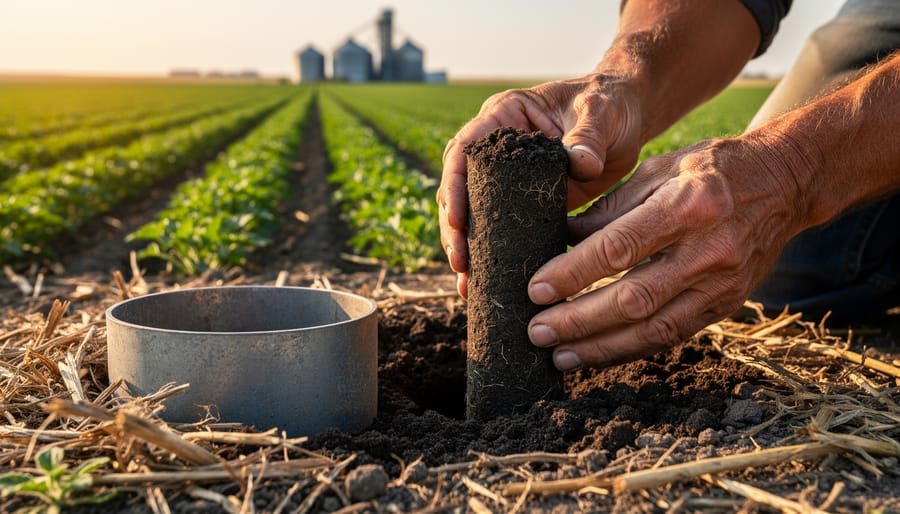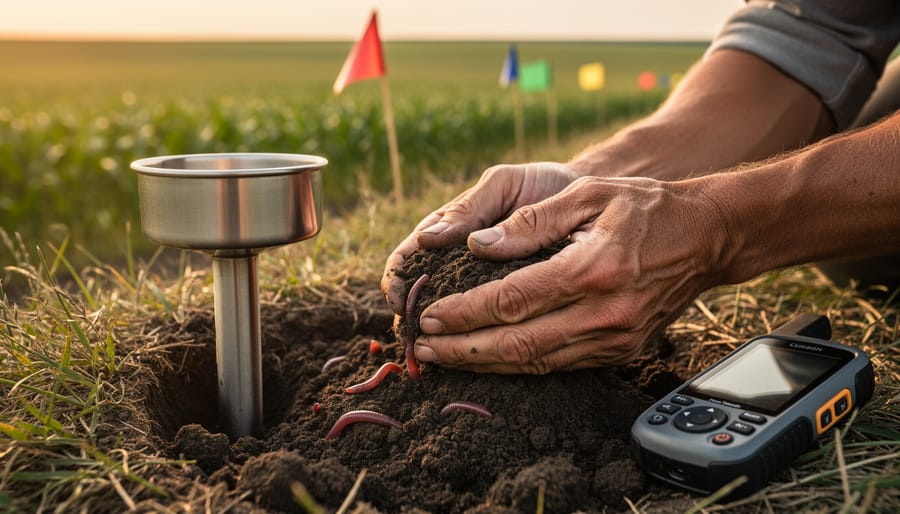
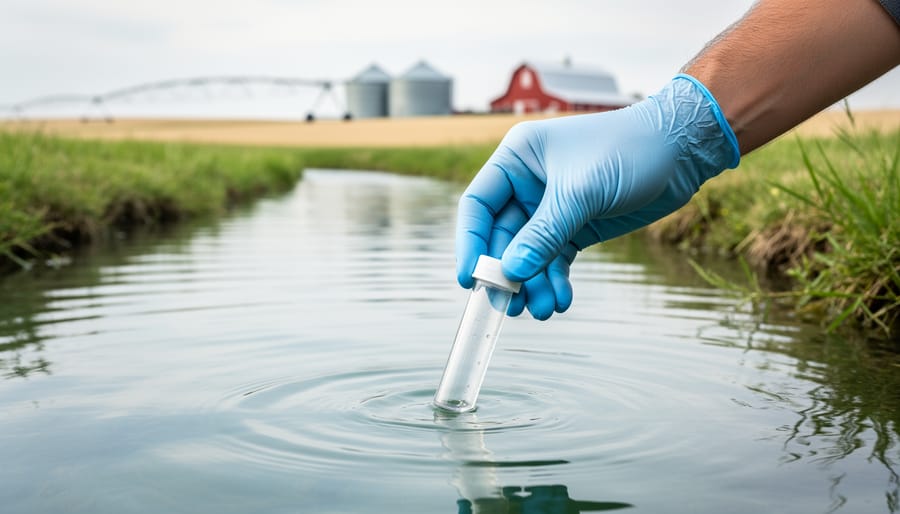
Test your farm’s water sources immediately for PFOA contamination, especially if you’re within 10 kilometers of industrial sites, former firefighting training areas, or biosolids application zones. Contact your provincial agriculture department or accredited laboratory to arrange sampling that meets organic certification standards—baseline testing costs approximately $200-400 per sample but protects your operation’s future.
Document all water sources and their uses across your operation now, mapping irrigation systems, livestock watering points, and processing facilities. This inventory becomes essential if contamination is detected and you need to demonstrate water stewardship practices to maintain organic certification or access remediation support.
The PFOA Stewardship Program, launched by the U.S. Environmental Protection Agency in 2006 and concluded in 2015, targeted an 85 percent reduction of perfluorooctanoic acid (PFOA) emissions from participating manufacturers. While Canadian operations weren’t directly regulated under this voluntary program, its legacy affects Alberta farmers today. PFOA and related PFAS compounds persist in soil and water for decades, meaning contamination from historical industrial activities continues threatening organic operations and conventional farms alike.
Understanding this program’s history helps you grasp why PFOA remains a concern years after major manufacturers phased out production. These “forever chemicals” don’t break down naturally and can accumulate through irrigation, making previously clean farmland unsuitable for organic certification if water sources become compromised.
Your proactive approach to testing and documentation positions your operation ahead of evolving regulations. Canadian Food Inspection Agency standards increasingly scrutinize contaminant risks, and provinces are establishing stricter water quality benchmarks. Farmers who establish clean baselines now protect their market access, property values, and generational farming legacy against this persistent environmental challenge.
What is PFOA and Why Should Canadian Farmers Care?
The Farm Connection: Where PFOA Enters Agricultural Systems
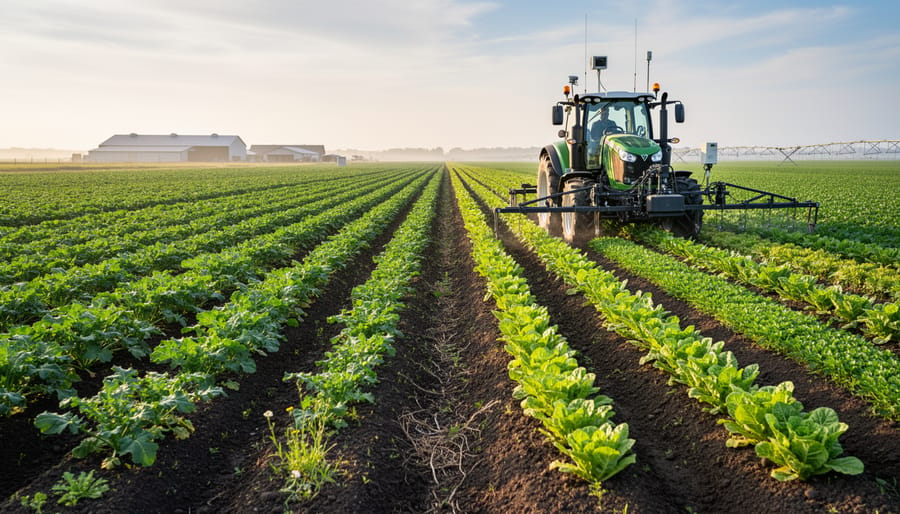
Understanding how PFOA enters your farming operation is the first step toward protecting your land and maintaining your organic certification. For Alberta farmers, these chemicals typically find their way into agricultural systems through several pathways that might surprise you.
Firefighting foam residues remain one of the most common sources. If your property is located near airports, military bases, or industrial facilities, decades of firefighting training exercises may have left PFOA in nearby soils and groundwater. These legacy contaminants can migrate significant distances through water systems, affecting farms kilometers away from the original application site.
Biosolids application presents another entry point. While biosolids can offer valuable nutrients, municipal wastewater treatment plants sometimes process industrial waste containing PFOA. When these biosolids are applied as fertilizer, PFOA can accumulate in your soil over time. Manitoba farmer John Steinberg discovered elevated PFOA levels after years of biosolids use, requiring extensive remediation before regaining organic status.
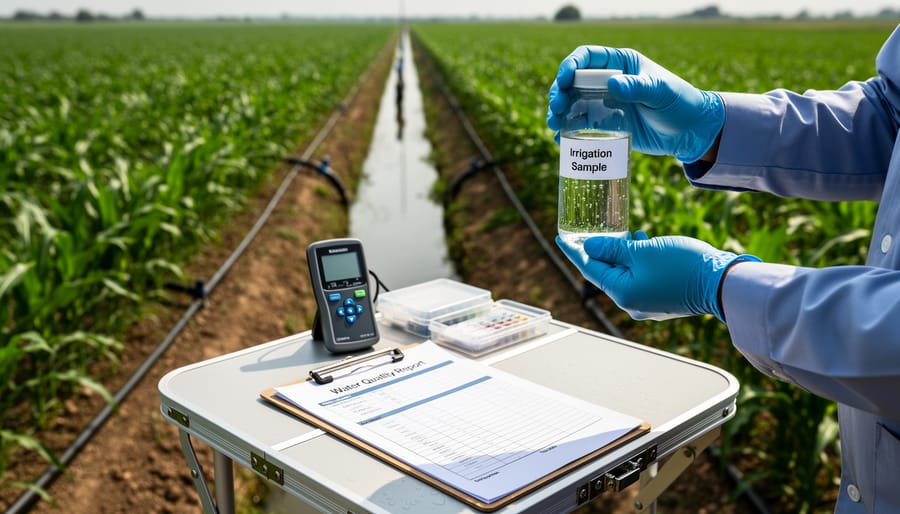
Contaminated irrigation water drawn from affected aquifers or surface water sources can continuously introduce PFOA to your fields. Dr. Sarah Chen, an agricultural water quality specialist at the University of Alberta, explains that “even low-level contamination in irrigation water can build up in soil and crops through repeated applications throughout the growing season.”
Industrial runoff from nearby manufacturing facilities, particularly those producing water-resistant coatings or non-stick surfaces, can also impact downstream agricultural operations. Regular water testing helps identify these risks before they compromise your farm’s integrity.
The PFOA Stewardship Program: An Industry Response
Key Commitments and Phase-Out Timelines
In 2006, eight major chemical manufacturers, including DuPont and 3M, entered into a voluntary agreement with the U.S. Environmental Protection Agency known as the PFOA Stewardship Program. This groundbreaking initiative set an ambitious goal: to eliminate PFOA emissions and product content by 2015. For agricultural chemical manufacturers, this meant completely phasing out PFOA from production processes and reformulating products that farmers had relied on for years.
The timeline was straightforward but demanding. Companies committed to reducing facility emissions and product content by 95 percent no later than 2010, with complete elimination targeted for 2015. This affected various agricultural inputs, from certain pesticide formulations to processing aids used in agricultural equipment manufacturing.
Canadian farmers, particularly those pursuing organic certification, benefited significantly from this phase-out. By 2015, participating companies had achieved their commitment, fundamentally changing the landscape of agricultural chemicals available on the market. Today’s farm inputs are manufactured without PFOA, though some products may still contain other PFAS compounds.
For Alberta farmers, this historical shift means that newer agricultural products purchased after 2015 are PFOA-free. However, legacy contamination remains a concern in areas where PFOA-containing products were historically used or where contaminated water sources exist. Understanding this timeline helps farmers assess potential contamination risks on their operations, especially when transitioning to organic production or sourcing water for irrigation and livestock.
The program demonstrated that industry-led environmental initiatives could create meaningful change, protecting both agricultural sustainability and community health.
Results and Current Status
The PFOA Stewardship Program achieved significant progress during its operational period from 2006 to 2015. Participating companies successfully reduced PFOA emissions by approximately 95% and phased out production of related long-chain PFAS chemicals. This voluntary initiative involved eight major manufacturers who committed to eliminating PFOA from their facilities and products.
By the program’s completion in 2015, all participating companies had met or exceeded the reduction targets. This represented a major milestone in addressing one of the most persistent environmental contaminants affecting water systems across North America, including Canadian agricultural regions.
However, the program’s success in stopping new production hasn’t eliminated existing concerns for Alberta farmers and agricultural professionals. Legacy contamination remains a critical issue because PFOA doesn’t break down naturally in the environment. These “forever chemicals” continue to circulate through water systems, potentially affecting irrigation sources and soil quality on organic farms.
Current regulations in Canada have evolved beyond the voluntary stewardship approach. Health Canada established drinking water guidelines, and provincial authorities continue monitoring PFOA levels in water supplies. For organic farmers, this legacy contamination presents ongoing challenges for maintaining certification standards, as trace amounts can persist in groundwater and surface water sources for decades.
The transition from voluntary stewardship to mandatory regulations reflects growing understanding of PFOA’s persistence and potential impacts on agricultural operations. Today’s farmers must proactively test water sources and implement protective measures, even though new PFOA production has ceased. This vigilance ensures compliance with organic standards and protects long-term farm sustainability.
Organic Water Stewardship: Standards That Protect Your Farm
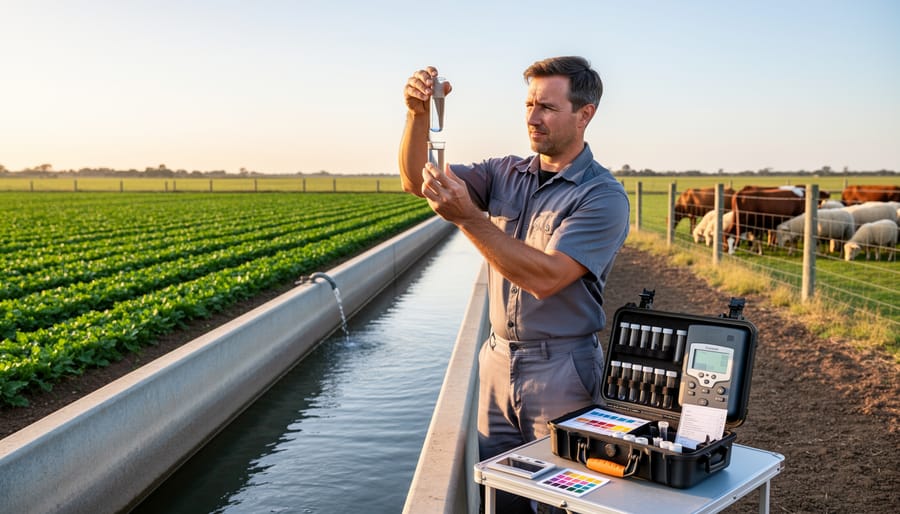
Water Testing Protocols for Organic Operations
Establishing a robust water testing program is essential for maintaining organic certification and protecting your operation from PFOA contamination. Canadian organic farmers should develop a systematic approach to monitoring water quality that aligns with both federal and provincial standards.
For baseline testing, organic operations should test all water sources at least annually, with increased frequency to quarterly or semi-annual intervals if your farm is located near industrial areas, firefighting training facilities, or former military sites in Alberta. Priority testing parameters include PFOA, PFOS, and the broader group of PFAS compounds. Health Canada’s current guideline for PFOA in drinking water stands at 200 nanograms per litre, though organic certification bodies may recommend more stringent thresholds.
Alberta farmers can access accredited testing through laboratories certified by the Canadian Association for Laboratory Accreditation (CALA). Key facilities include ALS Environmental in Edmonton and AGAT Laboratories in Calgary, both offering comprehensive PFAS testing panels. Expect costs ranging from $250 to $600 per sample for standard PFAS screening, with turnaround times of two to three weeks.
Sarah Chen, an organic certification specialist working with Alberta producers, recommends maintaining detailed records of all testing results: “Documentation is your insurance policy. Keep at least five years of water test results, including GPS coordinates of sampling locations and chain-of-custody forms.”
When collecting samples, use laboratory-provided containers to avoid cross-contamination, as many plastic containers contain PFAS. Sample from multiple points including wells, dugouts, and irrigation sources. Morning collection typically provides the most representative results. Consider pooling resources with neighbouring farms to negotiate better laboratory rates while maintaining individual sample integrity. This collaborative approach strengthens community resilience while managing costs effectively.
Source Water Protection Strategies
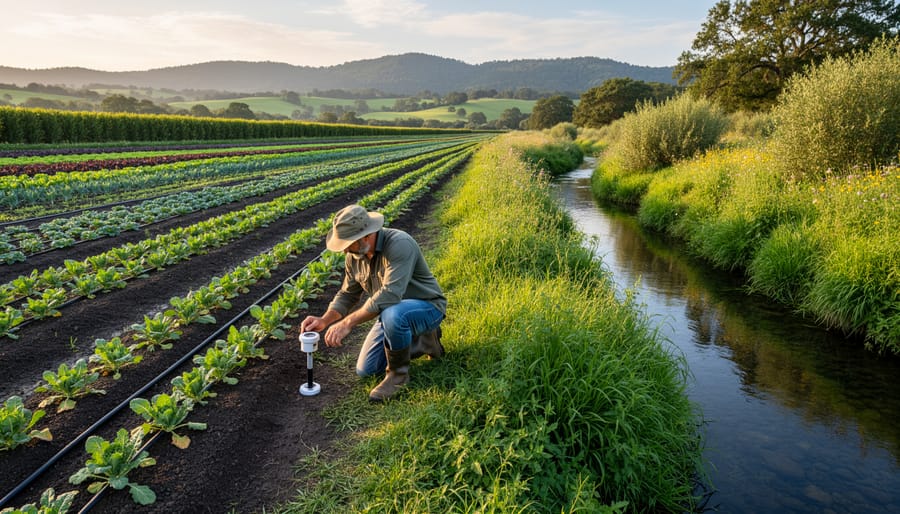
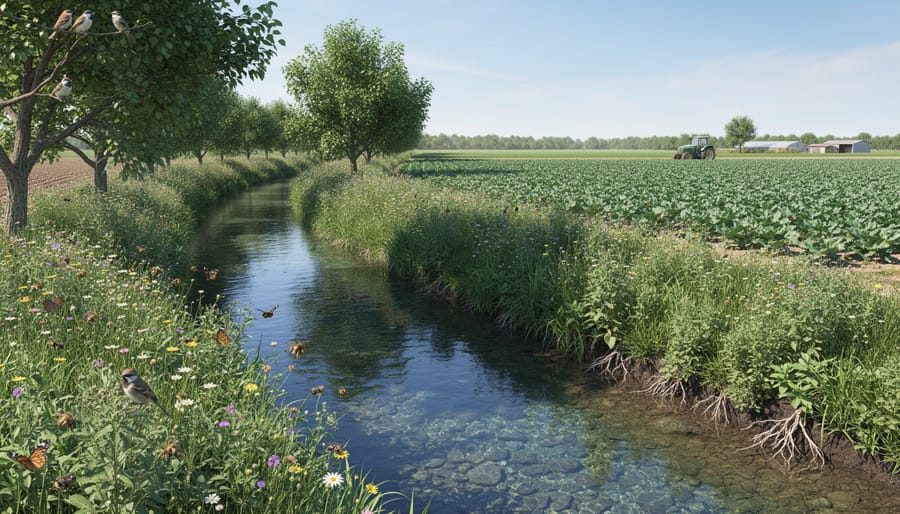
Protecting your farm’s water sources from PFOA contamination requires a proactive, layered approach that combines individual action with community collaboration. Start by establishing vegetated buffer zones of at least 10 metres between agricultural operations and water bodies. These buffers act as natural filters, reducing the movement of contaminants through surface runoff while supporting beneficial wildlife habitats.
Implement strategic runoff management through grassed waterways and contour farming techniques. Consider installing retention ponds or constructed wetlands that can capture and filter water before it reaches streams or groundwater sources. Alberta farmers have successfully used these sustainable practices to protect downstream water quality while maintaining productive operations.
For farms facing known PFOA concerns, explore alternative water sourcing options. Deep wells, municipal water connections, or rainwater harvesting systems can provide safer irrigation sources while you work on long-term solutions. Document all water sources and test them regularly to maintain certification compliance.
Community-focused watershed protection amplifies individual efforts. Join or establish local water stewardship groups where farmers share monitoring data, coordinate protection strategies, and pool resources for professional testing. Saskatchewan’s Watershed Stewardship Groups have demonstrated how collective action creates lasting change across entire agricultural regions.
Connect with your provincial agricultural department for financial assistance programs that support water protection infrastructure. Many Canadian provinces offer cost-sharing programs for conservation projects, making these investments more accessible for operations of all sizes.
Practical Steps: Implementing Water Stewardship on Your Operation
Risk Assessment Checklist
Use this practical checklist to assess your farm’s potential exposure to PFOA and strengthen your compliance plan:
Location and Water Sources:
– Is your farm within 5 kilometres of industrial areas, airports, or military installations where firefighting foam may have been used?
– Do you source irrigation or livestock water from municipal systems, wells, or surface water bodies?
– Have you tested your water sources for PFOA within the past year?
Historical Land Use:
– Was biosolid fertilizer or municipal compost applied to your fields in the past 20 years?
– Has the land previously been used for non-agricultural purposes?
– Are you aware of the property’s complete usage history?
Current Practices:
– Do you use products containing potential PFOA sources, such as certain pesticide containers or equipment treatments?
– Have you documented all inputs used on your operation?
– Do you maintain records of water test results and soil amendments?
If you answered yes to any location or historical questions, prioritize water and soil testing. Alberta farmers near urban-rural interfaces should pay particular attention to water source origins. Document your findings to support organic certification requirements and establish baseline data for ongoing monitoring.
Expert Insight: Water Stewardship in Alberta Agriculture
Dr. Sarah Chen, an agricultural water quality specialist with Alberta Agriculture and Irrigation, has worked with over 50 farms implementing water stewardship practices across the province. “When PFOA concerns first emerged, many producers felt overwhelmed,” she explains. “But what we’ve seen is that proactive monitoring and simple protective measures make a significant difference.”
One standout success story comes from the Morrison family farm near Lethbridge. After establishing baseline water testing protocols in 2019, they implemented buffer zones around irrigation sources and switched to PFOA-free equipment. “Within two years, their water quality data showed consistent compliance with organic certification standards,” Dr. Chen notes. “More importantly, they now have documentation that gives buyers confidence in their products.”
The biggest regional challenge remains the variability in groundwater conditions across Alberta’s diverse agricultural zones. “What works in the irrigation districts of southern Alberta may need adjustment in central parkland regions,” she advises. Her practical recommendation? Start with simple steps: test your water sources annually, maintain records for at least five years, and connect with your local agricultural fieldmen who understand regional water patterns.
Dr. Chen emphasizes that successful stewardship isn’t about expensive interventions. “Most farms we work with invest between 500 and 1,500 dollars annually in testing and minor adjustments. The peace of mind and market access protection far outweigh these costs.” She encourages producers to view water stewardship as an investment in long-term farm viability rather than a compliance burden.
Protecting your water from PFOA contamination isn’t just about meeting regulatory requirements—it’s about securing the future of your farm and contributing to healthier communities across Alberta and beyond. The actions you take today will determine the quality of your soil, the safety of your products, and the long-term viability of your operation.
You now have the knowledge and practical tools to make a difference. Start by testing your water sources to establish a baseline. Review your input suppliers and transition to organic-certified materials that minimize contamination risks. Implement proper storage and handling procedures for all farm inputs, and maintain detailed records that demonstrate your commitment to clean water stewardship.
The economic benefits of proactive water management extend beyond organic certification. Farms with documented clean water practices often see improved market access, premium pricing opportunities, and stronger relationships with buyers who value environmental responsibility. Your neighbours and local community benefit too—what protects your operation helps safeguard regional water supplies that everyone depends on.
Alberta farmers have always been resilient problem-solvers and environmental stewards. By taking charge of PFOA prevention now, you’re not just protecting your own livelihood—you’re leading the way for sustainable agriculture across Canada. Your commitment to clean water strengthens our food system, supports rural economies, and demonstrates that profitable farming and environmental protection go hand in hand. The time to act is now, and the path forward is clear.