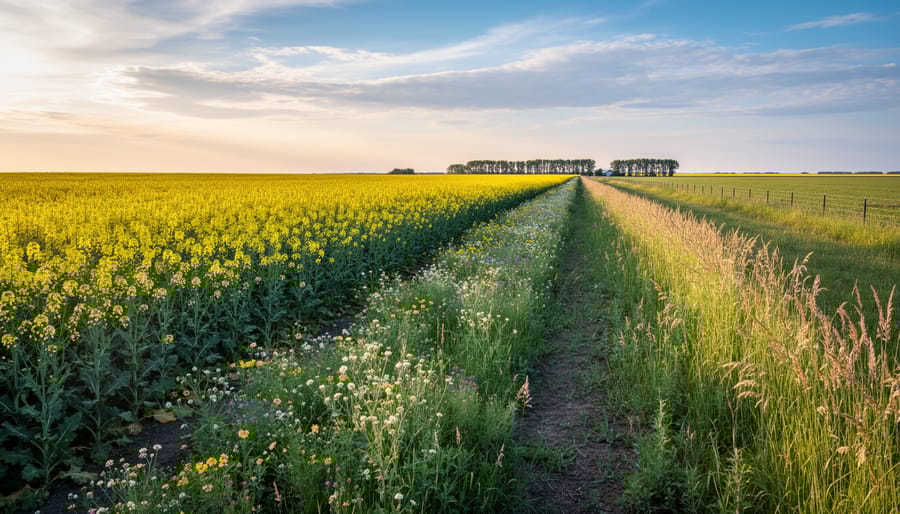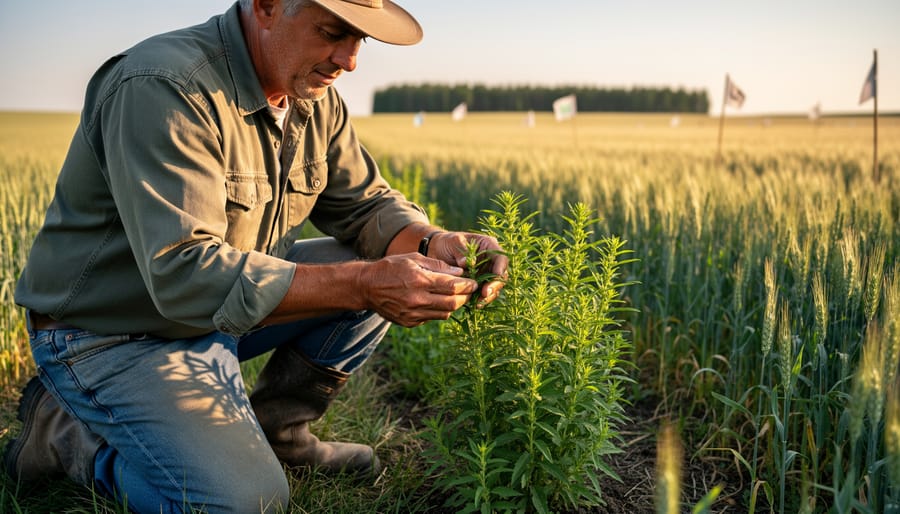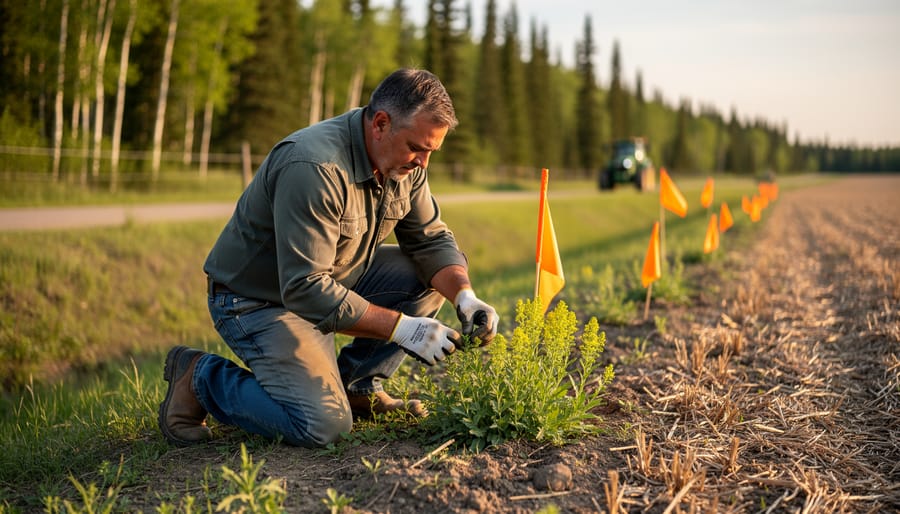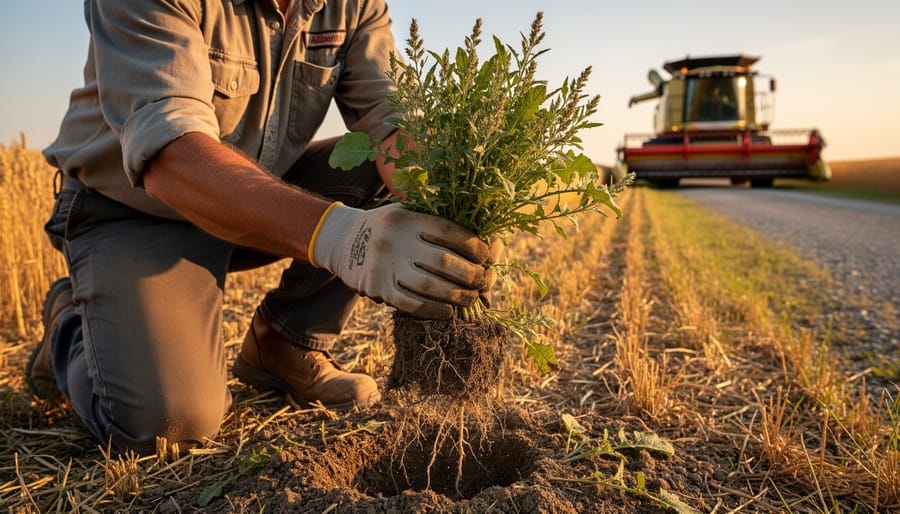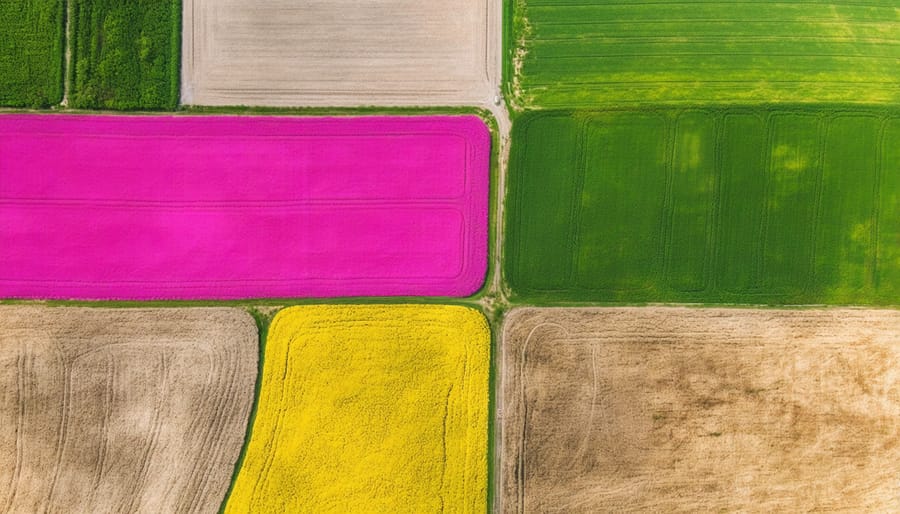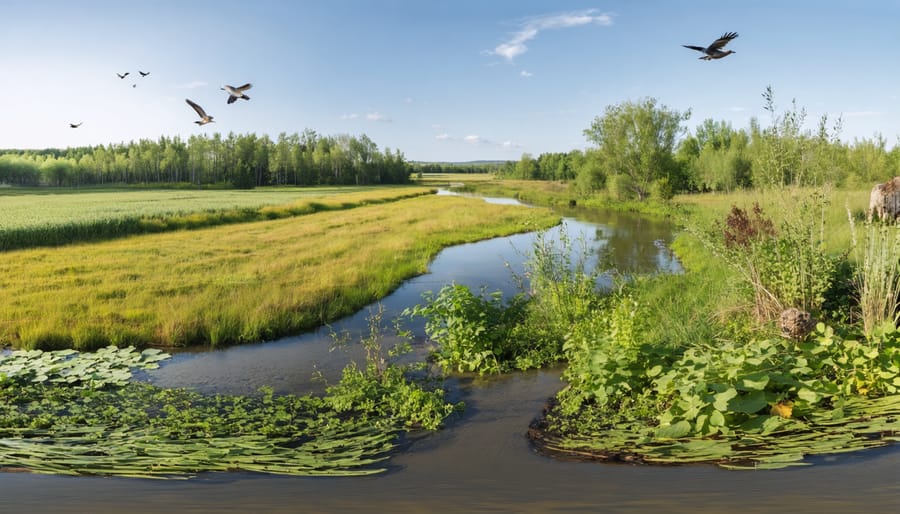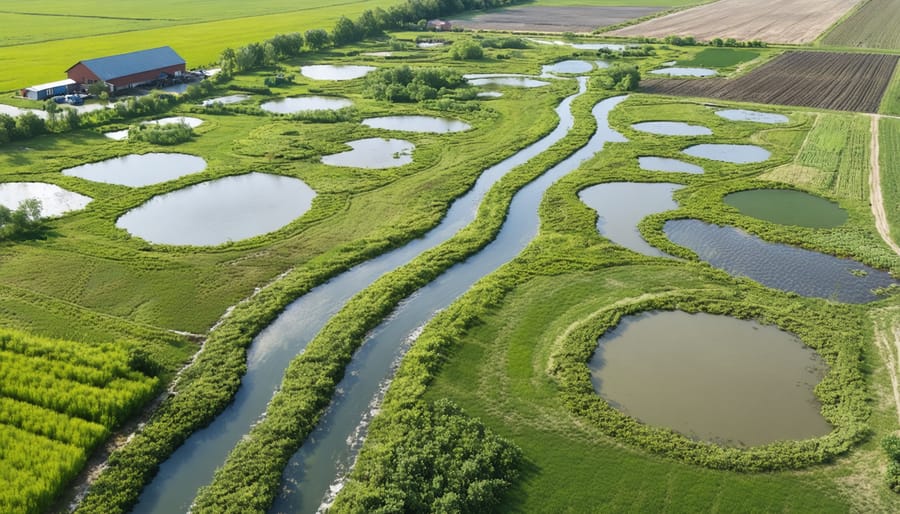
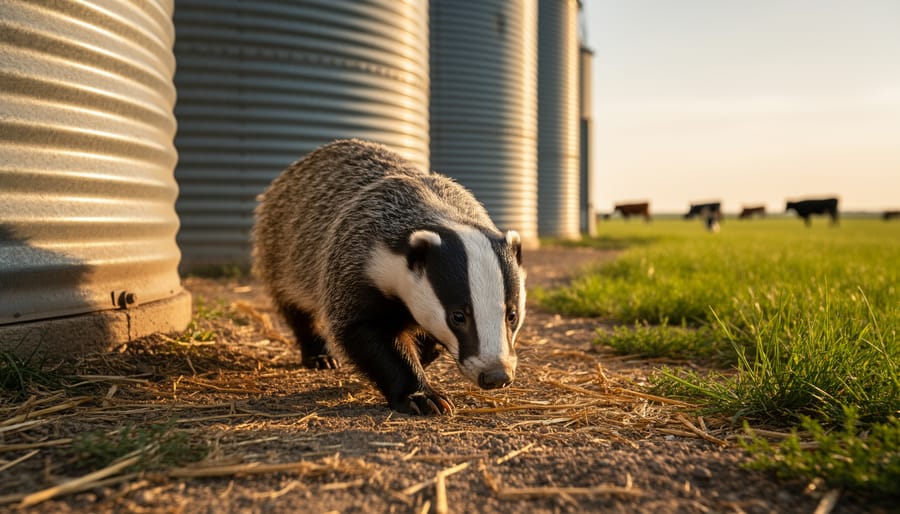
The badger digging near your grain bins isn’t your enemy—it’s consuming the Richardson’s ground squirrels that would otherwise raid your stored crops. This shift in perspective defines modern wildlife coexistence: recognizing that many species provide measurable economic benefits to your operation when managed strategically rather than eliminated.
Across Alberta’s agricultural landscapes, farmers are discovering that coexistence strategies often outperform traditional control methods both economically and practically. A central Alberta cattle producer reduced coyote conflicts by 73% simply by adjusting calving schedules to align with natural prey availability, eliminating the need for costly lethal control programs. Another grain farmer in the Peace Region increased beneficial predator populations through strategic habitat strips, reducing crop damage from rodents by thousands of dollars annually.
The financial case strengthens when you factor in the hidden costs of wildlife conflict: damaged infrastructure, crop losses, livestock injuries, and time spent on reactive management. Coexistence approaches address root causes rather than symptoms, creating agricultural systems where wildlife contributes to—rather than detracts from—your bottom line.
This approach requires understanding which species actually threaten your operation versus which ones you’ve simply assumed are problems. Detailed wildlife assessments across Canadian agricultural regions reveal that many perceived pest species provide pest control, pollination, or soil aeration services worth more than any damage they cause.
The strategies ahead combine traditional farming knowledge with current wildlife biology research, offering practical solutions tested in conditions similar to yours. From targeted exclusion techniques to strategic habitat management, these methods protect both your livelihood and the ecological systems that support long-term agricultural productivity.
Why Wildlife Coexistence Matters for Your Farm’s Bottom Line
The Hidden Costs of Wildlife Conflict
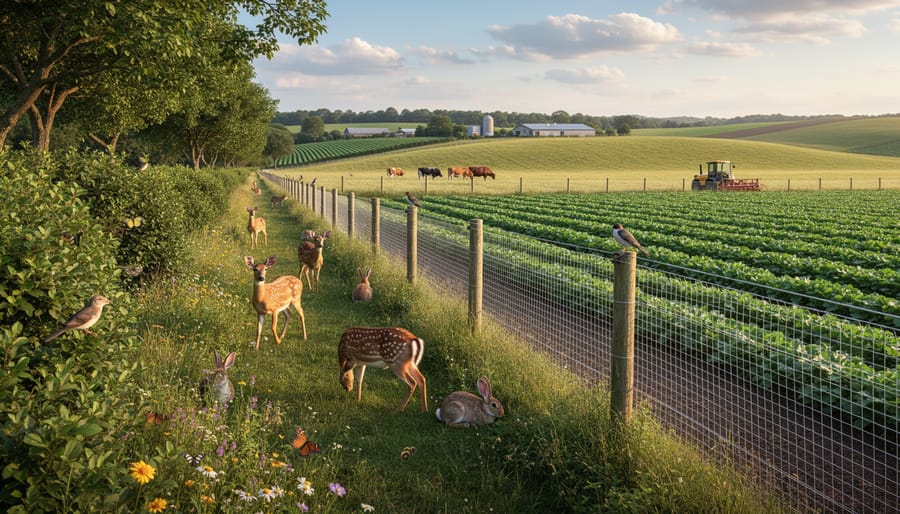
When we think about wildlife challenges on our farms, it’s easy to focus solely on the obvious impacts. However, the real financial burden of traditional wildlife conflict runs much deeper than many Alberta producers initially realize.
Let’s talk numbers. Crop damage from wildlife can range from minimal to devastating. A 2021 study of Alberta grain operations found that ungulate damage alone cost affected farms between $2,000 and $15,000 annually, with some specialty crop producers experiencing losses exceeding $30,000. Beyond the immediate crop loss, there’s the reduced market value of partially damaged produce and the administrative time spent documenting losses for insurance claims.
Livestock operations face their own set of challenges. Predation losses certainly grab headlines, but indirect costs often exceed direct losses. Stress-induced weight loss in cattle, reduced milk production, and increased veterinary expenses add up quickly. One rancher near Sundre shared that while he lost three calves to predators last year, the stress-related performance decline across his herd cost him nearly twice that amount.
Infrastructure damage deserves attention too. Fencing repairs, broken irrigation systems, and damaged storage facilities from wildlife activity can drain maintenance budgets. The Canadian Agricultural Partnership reports that prairie farmers spend an average of 4-6 hours weekly managing wildlife conflicts during peak seasons. That’s time away from productive farm activities.
These compounding costs make a compelling case for exploring coexistence approaches that address root causes rather than repeatedly treating symptoms.
Nature’s Free Workforce: What Wildlife Does for Your Soil and Crops
Wildlife on your farm isn’t just passing through—these creatures are actively working to improve your agricultural systems, often in ways you might not immediately notice.
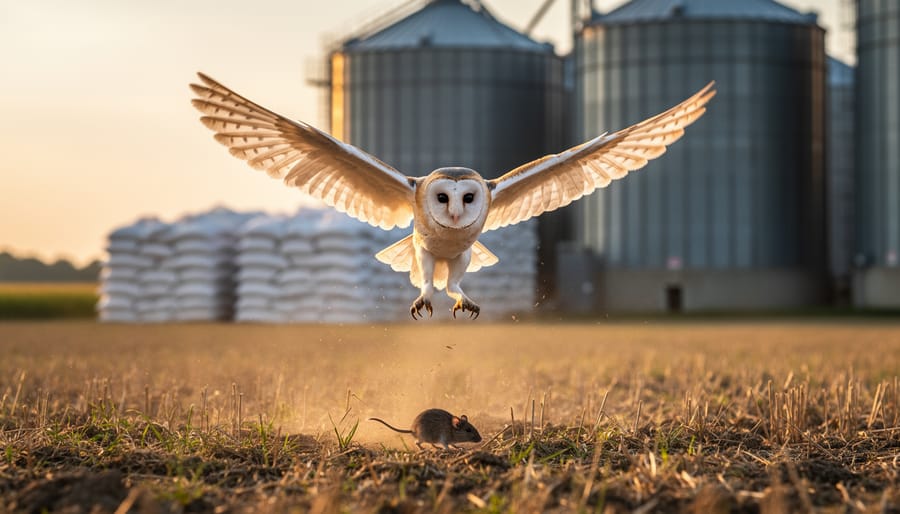
Take pest control, for example. Barn owls and kestrels nesting near your fields can consume thousands of rodents annually, reducing crop damage and feed losses. A single barn owl family can take down over 1,000 mice and voles in one breeding season. In southern Alberta, farmers have reported significant reductions in Richardson’s ground squirrel populations after installing raptor perches and owl boxes around their operations.
Beneficial insects are equally valuable. Ground beetles, ladybugs, and lacewings prey on aphids, cutworms, and other crop pests, reducing your need for chemical interventions. Creating habitat corridors and field margins helps these predators thrive alongside beneficial pollinators like native bees and butterflies.
Soil health gets a boost from wildlife too. Earthworms—encouraged by reduced tillage and wildlife-friendly practices—aerate soil and improve water infiltration. Larger animals like deer and elk, when properly managed, distribute seeds and nutrients across your landscape through their droppings, inadvertently supporting plant diversity.
Bats deserve special mention. A single brown bat can consume up to 1,200 insects per hour, including moths whose larvae damage crops. Encouraging bat populations through roosting structures can dramatically reduce pest pressure during critical growing periods.
The nutrient cycling doesn’t stop there. Predators help control herbivore populations, preventing overgrazing in pasture systems. This natural balance maintains vegetation health and reduces soil erosion.
By recognizing these contributions and working to boost biodiversity on your farm, you’re essentially recruiting a free workforce that operates around the clock, improving both productivity and environmental resilience.
Common Wildlife Challenges on Alberta Farms
Large Mammals: Deer, Elk, and Predators
Large mammals present some of the most visible challenges for Alberta farmers. White-tailed deer and mule deer regularly browse crops, with some producers reporting losses of up to 20% in canola and grain fields near wooded areas. Elk, particularly in central and southern Alberta, can cause significant damage to hay bales and winter crops. Meanwhile, predators like coyotes, wolves, and occasionally black bears create legitimate concerns for livestock operations.
The key to managing these conflicts lies in understanding animal behavior and implementing layered deterrents. Motion-activated lights and noise makers work well for deer in vegetable operations, though animals often habituate after several weeks. Many grain farmers have found success with solar-powered electric fencing around high-value crops, particularly during critical growth stages.
For livestock protection, Alberta rancher Tom Henderson from Rocky Mountain House shares his approach: “We’ve combined guardian animals – specifically llamas and livestock guardian dogs – with improved calving barn security. Our calf losses dropped by 75% in two years.” This integrated strategy proves more effective than relying on a single method.
Timing matters significantly. Deer browsing peaks during spring green-up and late fall, while predator activity around livestock intensifies during calving and lambing seasons. Adjusting your monitoring and deterrent efforts to these patterns maximizes effectiveness without constant intervention.
The Alberta Conservation Association offers free property assessments to help farmers identify attractants and develop customized wildlife management plans. Their wildlife damage specialists have worked with over 300 operations, providing practical solutions that respect both agricultural productivity and wildlife populations.
Birds and Small Mammals
Grain-eating birds like blackbirds and waterfowl present a nuanced challenge for Alberta farmers. While these species can damage seeded fields and ripening crops—particularly canola, wheat, and barley—they also provide valuable ecosystem services by consuming thousands of weed seeds and pest insects throughout the growing season.
Ground squirrels, commonly called gophers across the Prairies, represent another complex relationship. A single Richardson’s ground squirrel can consume up to 2 kilograms of crop material annually, and their burrows can damage equipment. However, research from the University of Alberta demonstrates that their tunneling aerates soil and their presence supports populations of beneficial predators like hawks and foxes that control rodent populations overall.
The key to coexistence lies in targeted strategies rather than blanket control. Consider using bird-scaring devices like propane cannons or reflective tape during critical growth stages, then removing them once crops are established. For ground squirrels, focus management efforts on field edges and avoid treating entire properties, which preserves habitat for natural predators.
Manitoba farmer Dale Shewfelt shared his experience: “We stopped treating our entire quarter-section for ground squirrels and focused on the first 30 meters from our field edges. Our raptor populations increased, and within two years, we actually saw lower overall squirrel damage.”
Installing raptor perches—simple T-posts placed strategically around fields—encourages natural predation. This low-cost solution (approximately 15 dollars per post) creates measurable benefits while supporting biodiversity. Remember, these small mammals and birds are part of a larger agricultural ecosystem that, when balanced properly, can work in your favour.
Proven Coexistence Strategies That Work in Canadian Agriculture
Strategic Landscape Design and Habitat Management
Thoughtful landscape design serves as your first line of defense in managing wildlife interactions while preserving the ecological benefits that support healthy farm ecosystems. By working with natural wildlife movement patterns rather than against them, you can significantly reduce crop damage without compromising biodiversity.
Buffer zones create physical space between sensitive crops and wildlife habitat. These planted strips, typically 15 to 30 metres wide, use less palatable vegetation to discourage animals from venturing further into production areas. Alberta producer James Chen implemented 20-metre buffers around his grain fields using native grasses and shrubs. “We saw a 60 percent reduction in deer damage to our canola within the first season,” he reports. These zones also capture soil, filter runoff, and provide habitat for beneficial insects that support wildlife-friendly farming practices.
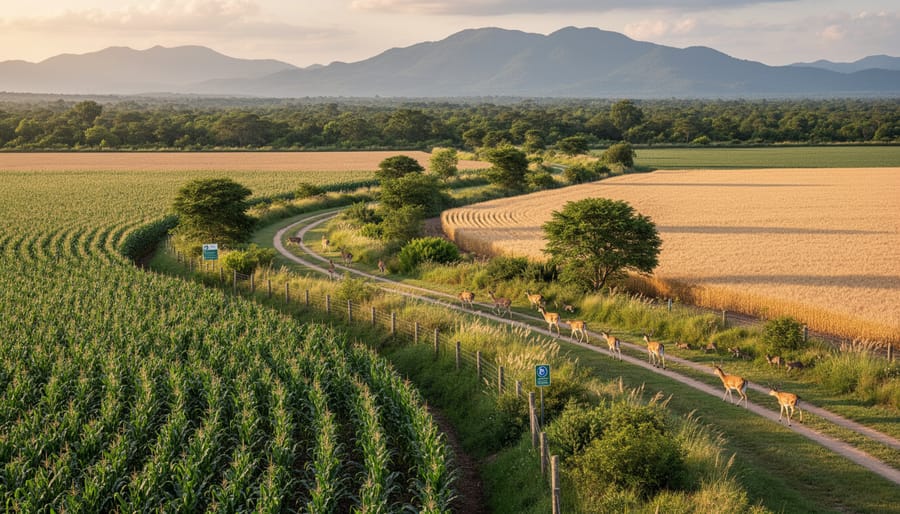
Wildlife corridors maintain connectivity between habitat patches, allowing animals to move across your landscape without traversing vulnerable crops. Dr. Sarah Morrison, wildlife ecologist at the University of Alberta, explains: “When we provide clear pathways, wildlife naturally follows them. It’s about offering the path of least resistance that doesn’t run through your best cropland.” Position corridors along existing features like creeks, fence lines, or woodlots, connecting to larger habitat areas beyond your property boundaries.
Shelter belts do double duty by protecting crops from wind damage while creating natural boundaries that guide wildlife movement. Plant multi-row shelter belts with taller trees backed by shrubs to form effective barriers. Species selection matters—choose varieties that won’t attract wildlife to the area you’re protecting.
Strategic planting of alternative food sources in designated areas can draw wildlife away from commercial crops. Consider strategic field margins that include plants maturing at different times, providing sustained attraction throughout the growing season. This approach recognizes that wildlife needs resources while directing their attention to less economically sensitive areas of your operation.
Non-Lethal Deterrent Systems
Protecting your crops and livestock doesn’t require lethal measures. Modern non-lethal deterrent systems offer effective, sustainable alternatives that Alberta farmers are successfully implementing across diverse operations.
Electric fencing remains one of the most reliable first-line defenses. Standard five-wire electric fences cost between $2,500 and $4,000 per kilometre, requiring monthly voltage checks and seasonal vegetation clearing. For properties dealing with bears or persistent predators, high-tensile electric fencing with alternating hot and ground wires provides superior protection. Mark Davidson, a cattle rancher near Rocky Mountain House, shares his experience: “We reduced predator losses by 80% within the first year of installing electric fencing. The maintenance takes maybe two hours monthly, which pays for itself many times over.”
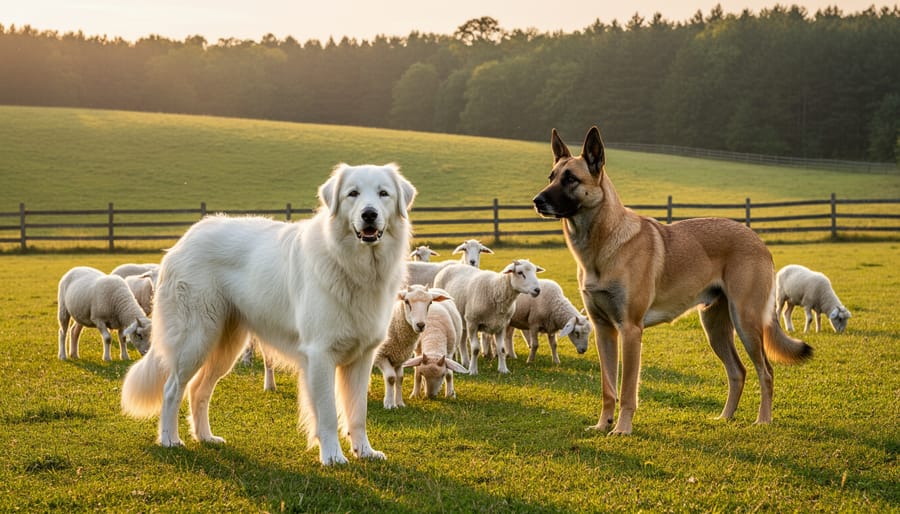
Guardian animals present another proven strategy. Livestock guardian dogs like Great Pyrenees or Akbash breeds cost $800 to $2,000 initially, plus annual care expenses of approximately $600 to $1,000. These dogs require proper training and bonding time with livestock, typically three to six months. For smaller operations, guardian llamas or donkeys offer lower-maintenance alternatives at $500 to $1,500 per animal.
Scare devices work best when rotated regularly to prevent wildlife habituation. Motion-activated lights, propane cannons, and radio-activated guard systems range from $100 to $800 per unit. The key is strategic placement and frequent repositioning every five to seven days. Some farmers report success combining auditory deterrents with visual stimuli like mylar tape or predator eye balloons.
Timing matters significantly. Deploy deterrents before wildlife establish patterns on your property, typically during migration periods or seasonal feeding changes. Spring calving season and autumn harvest require heightened vigilance. Regular monitoring helps you adjust strategies based on what works for your specific wildlife pressures and landscape conditions.
Crop Selection and Rotation for Wildlife Compatibility
Strategic crop selection can significantly reduce wildlife conflicts while maintaining productive yields. By understanding what wildlife find less appealing and when they’re most active, you can make informed decisions that benefit both your operation and local ecosystems.
Consider varieties that naturally deter wildlife browsing. In Alberta, some farmers have found success with barley varieties that mature earlier in the season, reducing exposure during peak deer activity periods in late summer. Dr. Sarah Mitchell, a wildlife biologist working with Alberta producers, notes that “choosing crop varieties with characteristics like tougher stalks or less palatable seed heads can reduce damage by 30-40% in some cases.”
Rotation patterns matter too. Alternating fields between crops that attract wildlife and those they avoid can help distribute pressure across your landscape. For instance, following canola with field peas in different sections yearly prevents wildlife from establishing predictable feeding patterns in specific areas.
Timing is equally crucial. Planting schedules that avoid peak wildlife breeding and migration periods can minimize encounters. Spring seeding completed before waterfowl nesting begins, typically by late April in central Alberta, reduces nest destruction and subsequent crop damage from protective parents.
One Lacombe-area farmer shared that adjusting his wheat planting by just two weeks and rotating with mustard seed reduced elk damage from 25% to under 8% within three seasons. These adjustments required minimal investment but demanded careful observation of local wildlife patterns and willingness to adapt traditional schedules. The key is combining multiple strategies rather than relying on single solutions.
Community-Based Approaches
Across Alberta, farming neighbors are discovering that working together creates more effective wildlife management outcomes than going it alone. Collaborative watershed-level planning brings multiple landowners to the table to develop shared strategies for managing wildlife movement and water resources. These partnerships recognize that wildlife doesn’t respect property lines, making coordination essential for long-term success.
Shared wildlife corridors represent one of the most practical applications of community cooperation. When adjacent landowners agree to maintain connected habitat strips along fence lines, riparian areas, or field edges, they create safe passage routes that reduce wildlife encounters in active production areas. A group of ranchers near Pincher Creek collectively manages 45 kilometers of corridor connections, significantly decreasing crop damage while supporting elk and deer populations.
Cooperative monitoring programs allow neighbors to pool resources for wildlife tracking, sharing cameras, data collection tools, and observations. This collaborative approach, which draws inspiration from Indigenous agricultural practices of community stewardship, provides better information about animal movements and helps predict potential conflict situations before they escalate. Regular community meetings create opportunities to discuss what’s working, adjust strategies seasonally, and support each other through challenges. Building these relationships strengthens rural communities while protecting both agricultural interests and wildlife populations.
Real Success Stories: Alberta Farmers Making It Work
When Bruce McDonald first noticed deer browsing his wheat fields near Red Deer, his initial reaction was typical: frustration and a plan to increase fencing. But after attending a local workshop on coexistence strategies, he decided to try a different approach. Three years later, his grain operation has reduced wildlife-related losses by 68% while actually lowering his investment in deterrents.
Bruce’s solution combined strategic buffer strips planted with native grasses along field edges and motion-activated deterrents focused on high-value areas. “The buffer zones give deer something to browse that isn’t my cash crop,” he explains. “And because I’m not fighting them everywhere, I can concentrate my resources where they matter most.” His annual costs dropped from approximately $4,200 in traditional fencing repairs and replacement to $1,800 for maintaining his integrated system. He also noticed an unexpected benefit: increased populations of beneficial insects in the buffer areas that helped with pest management in adjacent fields.
Further south in Lethbridge County, the Jensen family faced a different challenge. Coyotes were impacting their cattle operation, with losses averaging eight calves per season. Rather than relying solely on lethal control, they worked with wildlife specialists to implement a guardian animal program combined with improved calving protocols.
“We brought in three livestock guardian dogs and adjusted our calving schedule to avoid peak predator activity periods,” says Maria Jensen. The results were measurable: calf losses dropped to just one animal in their first year, saving approximately $12,000 annually. The dogs require minimal maintenance costs of around $1,500 per year for food and veterinary care, making the return on investment clear.
In the Peace Country region, mixed farmer Robert Chang tackled crop damage from Canada geese by installing visual deterrents and creating designated feeding areas away from his canola fields. His solution cost under $800 to implement and reduced crop losses by 52% in the first season.
These farmers share common themes in their success: they started small with pilot projects, sought expert advice rather than going it alone, and tracked their results carefully. Each emphasizes that coexistence isn’t about eliminating wildlife, but about smart management that protects both agricultural productivity and the ecosystem. Their experiences prove that with the right strategies, wildlife and farming can genuinely work together.
Getting Started: Your Farm’s Wildlife Coexistence Action Plan
Creating your farm’s wildlife coexistence action plan doesn’t need to be overwhelming. Here’s a practical roadmap to get you started today.
Begin with a baseline assessment of your operation. Walk your property during different times of day, noting where wildlife activity occurs and which areas experience the most conflict. Document crop damage locations, identify wildlife corridors, and map water sources. This information becomes your foundation for targeted solutions rather than farm-wide changes that strain your budget.
Next, prioritize your strategies based on impact and feasibility. Focus first on low-cost, high-return measures like installing solar-powered predator deterrents near livestock areas or planting buffer strips along field edges. Alberta farmer Tom Richardson from Lacombe reduced deer browse damage by 60 percent simply by strategically timing his harvest and leaving designated forage areas, costing him less than 200 dollars annually in foregone crop value.
Budget considerations vary widely depending on your chosen approaches. While some solutions like modified grazing schedules cost nothing, installing wildlife-friendly fencing might run 8,000 to 15,000 dollars per kilometre. The good news is funding exists to help. The Alberta Conservation Association offers grants through their Conservation, Community, and Recreation Grant program, while Growing Forward programs provide cost-share opportunities for environmental farm plans that include wildlife coexistence measures.
Access local expertise through Alberta Agriculture and Irrigation’s regional offices, where specialists can provide site-specific recommendations at no charge. The Alberta Fish and Game Association connects farmers with experienced wildlife biologists, and many municipalities employ agricultural fieldmen who understand both production goals and conservation needs.
Connect with organizations like the Miistakis Institute or Cows and Fish, which offer free workshops and one-on-one consultations. Your local watershed stewardship group can also provide valuable insights about regional wildlife patterns and proven coexistence strategies your neighbours have successfully implemented.
Wildlife coexistence isn’t just good environmental stewardship—it’s smart business for Alberta’s agricultural future. The evidence from farms across our province demonstrates that producers can maintain strong yields and healthy profit margins while working alongside native species. When you reduce wildlife damage through preventative measures rather than reactive control, you’re investing in long-term operational stability and opening doors to premium markets that value sustainable practices.
The economic case speaks for itself. Producers who’ve implemented coexistence strategies report fewer catastrophic losses, reduced input costs for control measures, and improved soil health from intact ecosystems. These aren’t abstract benefits—they translate directly to your bottom line while building resilience against climate variability and market fluctuations.
Alberta’s rural communities have always led the way in agricultural innovation, from precision farming to water conservation. Wildlife coexistence is the next frontier in demonstrating that productivity and environmental responsibility aren’t competing priorities—they’re complementary goals that strengthen our industry’s future.
You don’t need to transform your entire operation overnight. Start with one field, one practice, or one conversation with a wildlife specialist. Connect with neighbours who’ve already taken these steps. Share what works and what doesn’t. The collective knowledge within our agricultural community is our greatest resource.
Your willingness to adapt and innovate today creates opportunities for the next generation of producers. By proving that Alberta agriculture can thrive alongside healthy ecosystems, you’re not just protecting wildlife—you’re protecting the long-term viability of farming itself.