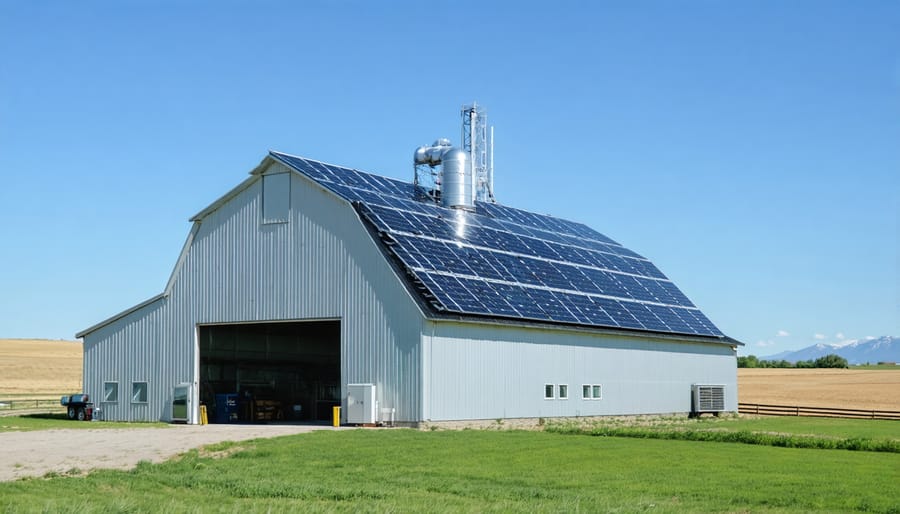
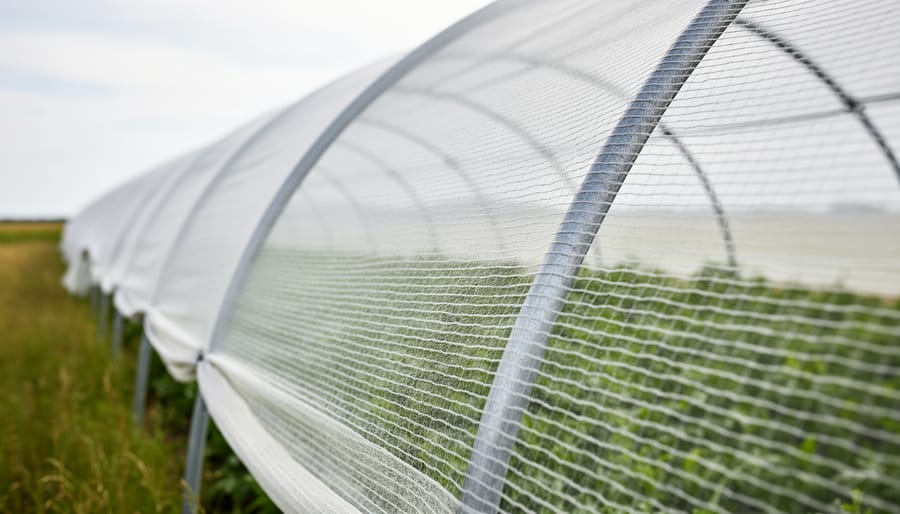
Bio-based nylon is a nylon made partly or fully from plant-derived ingredients, such as castor oil, instead of petroleum. For farm structures, that means netting, tunnel components, and fittings with a lower fossil-fuel footprint and the same strength and flexibility you’d expect from conventional nylon. Here’s the part that trips most people up: bio-based does not mean biodegradable. A nylon can start life as a plant and still sit in a field for decades once it’s discarded. Source and end-of-life are two separate questions, and you’ll want to answer both before you buy.
That distinction matters on an Alberta farm, where wind, hail, UV, and swings from -35°C to +30°C test every strand of netting and every tunnel fastener. Many growers are already adapting their operations with climate-ready crops and the structures protecting those crops deserve the same thoughtful choices. The right material can cut plastic waste, simplify cleanup at season’s end, and hold up through a few hard prairie winters.
In this article, we’ll sort out what bio-based nylon really is, where it fits among biodegradable farm polystructures, and how it performs in Canadian conditions. You’ll also see Canadian case studies, hear expert insight, and get a simple decision framework to help you choose what suits your tunnels, netting, and other structures.
What Bio-Based Nylon Actually Is (and Isn’t)
Where the Plant Feedstock Comes From
Most bio-based nylons start with a plant you may have seen growing in a garden: the castor bean. Castor oil is pressed from the seeds and then chemically converted into the building blocks for nylons like PA 11. Other plant oils and sugars can feed into nylons such as PA 610, which blends a plant-derived component with a conventional one. That is why you’ll see “partly bio-based” on some product sheets.
Castor is a hardy crop that doesn’t compete directly with food staples, but where and how it’s grown still matters. Land use, irrigation, fertilizer, and shipping distance all shape the real footprint. Castor is largely grown in warmer regions overseas, so transport adds up before the material ever reaches a Canadian farm.
It’s worth asking suppliers where their feedstock is grown and whether the bio-content claim is independently verified. A clear answer is a good sign.
Bio-Based Does Not Mean Biodegradable
Here is the part that surprises many growers: “bio-based” tells you where the carbon came from, not what happens to the material after the season ends. Nylons like PA 11 and PA 610 are chemically very close to conventional nylon. Swapping petroleum for castor oil changes the starting point, but the finished polymer is still tough, water-resistant, and slow to degrade in soil. Left in a field, a bio-based nylon rope or mesh can persist for years, much like its petroleum cousin.
That durability is exactly why nylon is popular for farm hardware. It holds up through UV, wind, and repeated handling. The trade-off is that you should not expect it to disappear into your soil the way a paper mulch or a starch-based film will. If a piece of netting or twine is going to be buried, tilled in, or hard to retrieve, durability becomes a liability rather than a strength.
When you read supplier claims, a few plain questions keep things clear:
– Does the label say “bio-based” or “biodegradable”? They are not interchangeable.
– What percentage of the carbon is plant-derived, and how was that measured?
– If biodegradability is claimed, which standard was it tested against, and in what conditions (soil, industrial compost, or a lab)?
– What does the supplier recommend for disposal?
Most honest suppliers will answer these without hesitation. A clear answer isn’t cause for alarm, just useful information. It helps you put each material where it works best and plan its retrieval and end of life before it ever goes in the field.
Where Bio-Based Nylon Fits Into Biodegradable Farm Polystructures
Bio-based nylon earns its place where a structure needs strength, abrasion resistance, and several seasons of reuse. It is a poor fit where the material is meant to go into the soil and disappear. That split matters when you’re building a system around the idea behind biodegradable farm structures: use each material for the job it does best.
Think of it in two groups. Durable, load-bearing parts that you pull up, store, and reuse are good candidates for bio-based nylon. Single-season, in-soil, or hard-to-retrieve parts are better served by fully biodegradable options, because nothing should be left behind to fragment into the field.
| Component | Typical material | Bio-based nylon suitability | Biodegradable alternative and key consideration |
|---|---|---|---|
| High-tunnel netting (hail, insect, shade) | Polyethylene or conventional nylon | Good: strong, reusable over many seasons | Few true biodegradable netting options hold up to hail; plan for retrieval and recycling |
| Mulch film | Polyethylene | Poor: not designed to break down in soil | Certified soil-biodegradable mulch film; check certification and local conditions |
| Row cover | Spunbond polypropylene | Limited: usually unnecessary for lightweight fabric | Biodegradable fleece for short-term frost protection; weigh handling losses |
| Trellis mesh | Plastic or nylon mesh | Good: holds crop load without stretching | Natural-fibre twine or mesh for annual crops that get tilled in |
| Twine | Polypropylene or sisal | Moderate: strong but persists in compost | Jute or untreated natural twine, which can go into the compost pile with crop residue |
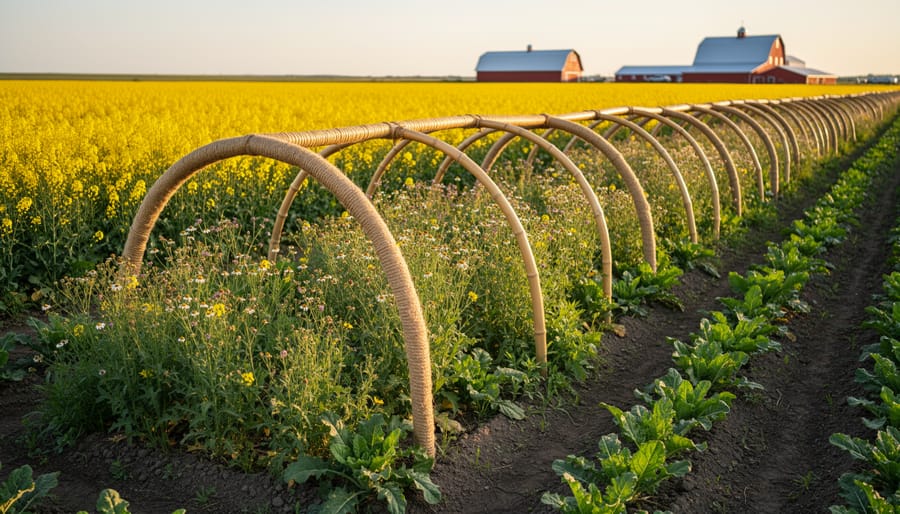
Other hardware follows the same logic. Tie-downs, ropes, zippers, door fasteners, and clips on tunnel ends take constant tension and flexing, so a tough bio-based nylon makes sense there. Those pieces are easy to unclip, inspect, and store each fall. They shouldn’t end up buried or mixed into soil.
A simple test helps: ask whether you can reliably collect the item at season’s end. If you can, durable bio-based nylon plus a plan to reuse or recycle it is a reasonable choice. If it will be tilled under, tangled in crop residue, or buried in the field, choose a certified biodegradable product made for that purpose.
The goal isn’t to replace every plastic with one miracle material. It’s to match each part of your structure to a realistic life cycle, so what stays on the farm is meant to stay and what goes into the ground is meant to break down.
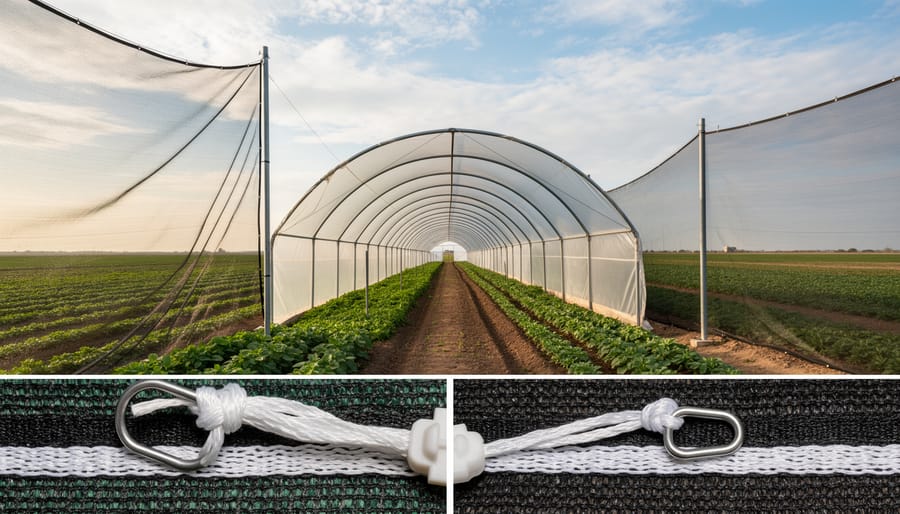
How It Performs in Prairie Conditions: Strength, Cold, and Wind
Out here, a material gets tested by more than a single hard winter. A chinook can push temperatures up 20 degrees in a few hours, then drop them again overnight. That freeze-thaw cycling, along with wind and hail, is what separates a netting or tie-down that lasts several seasons from one you replace every spring.
Start with strength. Bio-based nylons such as PA 11 and PA 610 are tough, flexible polymers, and they generally hold their strength in cold better than many plastics, which tend to turn brittle. Nylon also absorbs a little moisture, which can soften it slightly and help it resist cracking. The tradeoff is that wet nylon is a bit less stiff, so support mesh may sag more under a heavy load than you’d expect.
Sunlight is the bigger long-term issue. At Alberta’s clear, high-UV altitudes, unstabilized nylon slowly weakens, turns chalky, and loses tensile strength. Look for UV-stabilized grades and ask suppliers for a rated lifespan in actual field conditions, not lab hours. Darker or tinted materials often hold up longer than natural, uncoloured ones.
Wind is where design matters as much as material. A 1.2 mm mesh netting that works well for hail protection can act like a sail in a 70 km/h gust, so anchor it properly and size your tie-downs generously. Thicker cord, often 3 to 6 mm for tunnel hold-downs, spreads the load and resists chafing. For hail, a tight, small-aperture mesh softens the impact, though sustained large hail can still tear lightweight netting.
What growers really want to know is how many seasons they’ll get. As a rough guide, well-stabilized nylon components can handle several seasons of use with careful storage, while thin films and light netting may be single-season or two-season products. Pulling materials down and storing them out of the sun over winter often does more for lifespan than any spec on the label.
Ask for tensile data, UV ratings, and cold-temperature performance in writing, and trial a small section before committing a whole tunnel.
End of Life: What Happens After the Season Ends
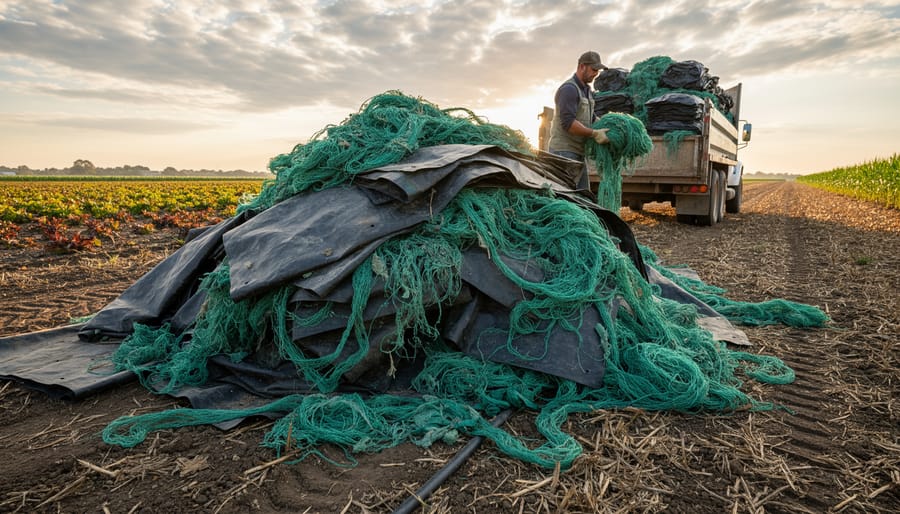
The season ends, the tunnels come down, and a pile of netting, rope, and fasteners is sitting in the yard. Planning for that moment before you buy is one of the easiest wins in the whole process.
Start with reuse. Bio-based nylon is tough, so good netting and ties can often serve several seasons if you take them down carefully, shake off soil, and store them out of direct sunlight in a dry, rodent-proof spot. Cost per season, not cost per metre, is the number that matters here. A mesh that lasts five seasons beats a cheaper one that tears after one chinook.
When a piece is finally worn out, recovery comes next. Look for agricultural plastics collection programs in your province. Alberta growers can check with their municipality, regional waste authority, or ag service board about drop-off days and bale-and-collect options. Programs vary a lot, and many are set up for polyethylene films rather than nylon, so call ahead. Ask what they accept, how clean it needs to be, and whether it must be sorted by material. Clean, dry, and separated loads are far more likely to be taken.
Industrial composting has real limits. Most bio-based nylons are not certified compostable, and even certified products need the controlled heat and moisture of an industrial facility, not a backyard pile or a field edge. If a supplier says “compostable,” ask for the certification and confirm a facility near you will actually accept it.
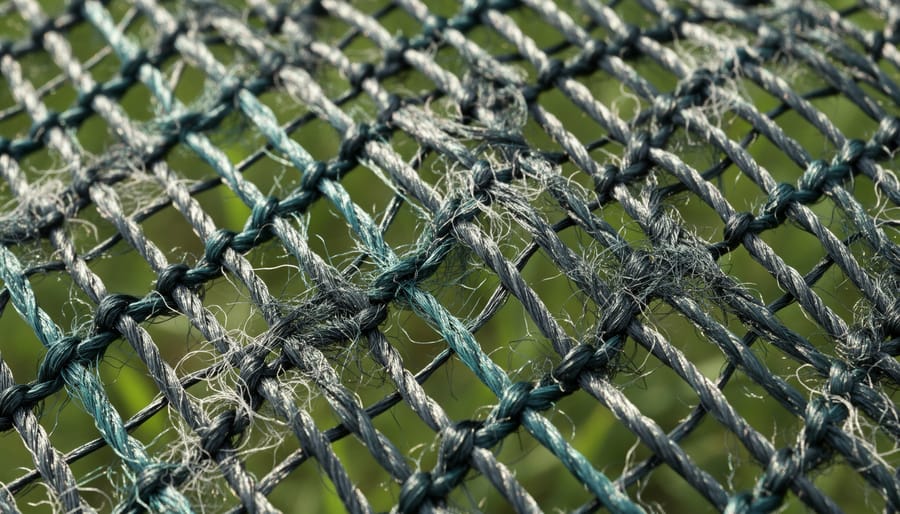
The part to avoid is leaving durable nylon in the soil. It breaks into smaller fragments rather than truly disappearing, and fragments are hard to pick out of a bed once they’re worked in. Pulling every scrap at season end protects your soil for the long run. The same care you’d put into modern drainage technology to keep fields healthy applies here: a little planning up front saves a lot of cleanup later.
Here’s a simple habit that works. Before any purchase, write down three things: how long you expect it to last, where it goes when it’s done, and who will take it. If you can’t answer the third, choose a different material or supplier.
Canadian Farm Stories and Expert Perspectives
A Cold-Climate Grower Trial
Verified grower details are not available for this write-up, so the framework below shows what a trial report should capture. Replace each bracketed placeholder with details from a grower you have interviewed and confirmed. Please don’t publish numbers that haven’t been checked.
What was tried: [Grower name, region, and the specific structure, such as a low tunnel using bio-based nylon netting or tie-downs, with mesh size in mm and the area covered in square metres.]
Season length: [Planting and removal dates, plus the number of frost-free days, so other growers can compare against their own short season.]
What held up: [How the material handled chinook swings, freeze-thaw, hail, and wind loads. Note any stretching, brittleness, or UV fading after the season ended.]
What the grower would change: [Fastening points, anchoring in prairie wind, or the choice between bio-based nylon and a fully biodegradable film for the parts that touch the soil.]
Lessons for other Alberta farms: Treat a single-season trial as a starting point, not proof. Run a small test plot first, keep notes on cost per season rather than per metre, and decide on reuse or recycling before the structure goes up. Good records also help when suppliers are slow to deliver, so it’s worth reading up on farm supply chain safeguards before committing to a material you can’t easily replace mid-season.
What the Experts Say
Specialists who work with agricultural plastics tend to agree on a few points, and they are worth keeping in mind before you buy anything. First, match the material to the job. A bio-based nylon rope or mesh that has to last several seasons in wind and hail is a different tool from a mulch film that is meant to disappear into the soil. Mixing up those roles is where most disappointments start.
Second, soil health depends on what is left behind. Durable polymers that fragment but never fully break down are a concern, so experts usually ask growers to plan for removal rather than count on the soil to handle it.
Third, keep expectations realistic. Bio-based content lowers reliance on fossil feedstocks, but it does not change how long a nylon lasts in the field. Ask suppliers for certification and test data, and choose based on how the material performs and how you will recover it.
[PLACEHOLDER: Insert verified quotes from an interviewed agricultural plastics specialist or soil scientist before publishing.]
Choosing a Material for Your Operation
Choosing the right material doesn’t have to be complicated. Start with the job the structure needs to do, then work backward to the material. A low tunnel stretching your season by three weeks has very different demands than a windbreak net or a trellis holding up tomatoes through a hailstorm.
Once you know the job, run through this checklist before you buy:
- Define the job in one sentence: season extension, wind protection, or crop support, and how many seasons you need it to last.
- Match the material to that job. Durable bio-based nylon suits reusable netting, ropes, and support mesh, while short-lived mulch films and row covers are better served by certified biodegradable options.
- Ask for the bio-content figure in writing, and confirm whether it covers the whole product or only part of it.
- Request third-party certification for any biodegradability claim, including the soil or compost standard it was tested against.
- Check the specs that matter on the prairies: UV rating, thickness in microns, mesh size in mm, and load rating in kg.
- Compare cost per season, not per metre. A pricier net used for eight seasons often beats a cheap one replaced every year.
- Plan disposal before purchasing: confirm a reuse plan, a recycling or collection option, or a supplier take-back.
Cost per season is the number that surprises most growers. Divide the purchase price by realistic seasons of use, then add labour for installation and removal.
If you’re already weighing infrastructure upgrades, it helps to see how choices fit together across the farm. Our look at soil health and green energy shows how Alberta operations are pairing smart material and energy decisions for long-term resilience.
Key Takeaways
Bio-based nylon is a smart way to cut fossil carbon, but it won’t disappear in your field. Keep these points in mind as you plan your next season.
Strength matters most for netting, ropes, and tie-downs that get reused for years. Fully biodegradable films and twines suit short-lived jobs, like mulch or crop support you’ll till in at season’s end. Compare cost per season, not per metre, and your decision gets clearer.
Frequently Asked Questions About Bio-Based Nylon on the Farm
Is bio-based nylon compostable?
Generally, no. Most bio-based nylons, like PA 11 made from castor oil, break down about as slowly as conventional nylon, so they don’t belong in a home compost pile or in your soil. Only products certified as compostable are designed to do that.
Is it stronger or weaker than regular nylon?
Performance depends on the grade, but bio-based nylons are engineered to be comparable to petroleum nylons in strength and often handle moisture well. Check the supplier’s data sheet for tensile strength and UV resistance before you buy.
Can it be recycled?
In principle, yes, since it’s still a nylon-family polymer. In practice, it depends on whether a collection program near you accepts it, so ask your supplier about take-back options before purchasing.
Does it cost more?
Often it does, because plant-derived feedstocks and smaller production volumes raise the price. Compare cost per season of use rather than per metre, since a durable netting you can reuse may come out ahead.
Is it safe near food crops and soil?
That is a question for the specific product, not the material category. Ask for documentation on food-contact suitability and make sure fragments aren’t left behind in your fields, since durable nylon doesn’t disappear on its own.
Are there fully biodegradable options for tunnels and mulch?
Yes, there are soil-biodegradable mulch films and plant-fibre twines and nets that are designed to break down in the field. Look for recognized certification and confirm the product suits Alberta’s cold soils, then keep durable materials like bio-based nylon for hardware and netting you plan to reuse.
Whichever way you lean, the common thread is simple: match each material to the job it has to do, and know where it ends up when the season is over.
Choosing the right material for a tunnel, net, or trellis can feel like a small decision, but small decisions add up across a season and across a farm. Knowing that bio-based nylon is about where the carbon comes from, not how the product breaks down, lets you ask suppliers better questions and plan a disposal path before the first roll goes out. That kind of planning is what makes a farm more resilient, and it’s well within reach for any grower, whether you’re running a market garden outside Edmonton or a larger operation near Lethbridge.
You don’t have to figure it out alone. Our community shares what’s working in short seasons, hard winds, and real budgets. Come to a workshop, tune in to the podcast, and tell us what you’ve tried on your own land. Every trial, success, and lesson learned helps another farmer make a smarter call. Keep experimenting, keep asking questions, and keep building healthier, climate-ready farms together.