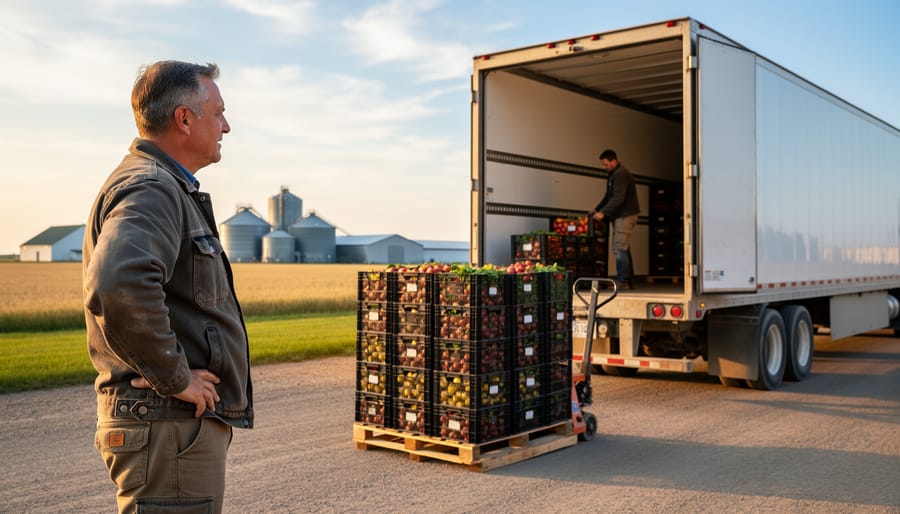
Every purchase you make as a farmer sends ripples through a complex web of relationships—from seed suppliers and equipment dealers to processors and retailers. An ethical supply chain in agriculture means those ripples create positive impacts: fair wages for workers, environmental stewardship at every link, and transparent business practices that build trust with consumers willing to pay premium prices for food they believe in.
For Canadian farmers, especially those in Alberta’s diverse agricultural landscape, understanding and implementing ethical supply chain practices isn’t just about doing good—it’s becoming essential for market access. Major retailers and food service companies now require supplier audits covering labor practices, environmental standards, and traceability. Producers who can demonstrate ethical sourcing often secure better contracts, access specialty markets, and build loyal customer bases.
The challenge lies in defining what “ethical” means for your operation. Does it prioritize local sourcing, regenerative soil practices, animal welfare, fair compensation for seasonal workers, or relationships with Indigenous communities? Each farm’s ethical framework will differ based on their values, crops, and regional context.
This article breaks down ethical supply chain concepts into practical terms for agricultural producers. You’ll find assessment tools to evaluate your current practices, real examples from Canadian farms successfully navigating these waters, and honest discussion of the barriers—from certification costs to finding reliable ethical suppliers in remote areas. The goal isn’t perfection; it’s progress toward supply chains that strengthen both your business and your community.
What Makes a Supply Chain ‘Ethical’ in Food Production
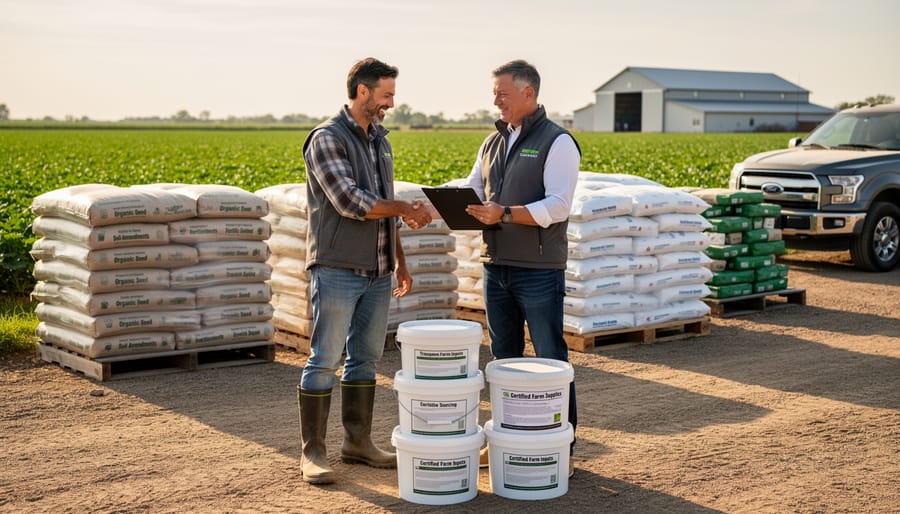
The Three Pillars Every Alberta Farmer Should Know
Building an ethical supply chain starts with understanding three core pillars that shape how sustainable food systems operate. For Alberta farmers, these principles offer a practical framework for evaluating and improving your agricultural partnerships.
Social responsibility means ensuring fair treatment and safe conditions for everyone in your supply chain. This includes paying fair wages to seasonal workers, maintaining safe equipment standards, and supporting community well-being. Take the example of Alberta’s grain elevator cooperatives, where member-farmers share ownership and decision-making power. These co-ops distribute profits back to producers and prioritize local employment, creating economic stability across rural communities.
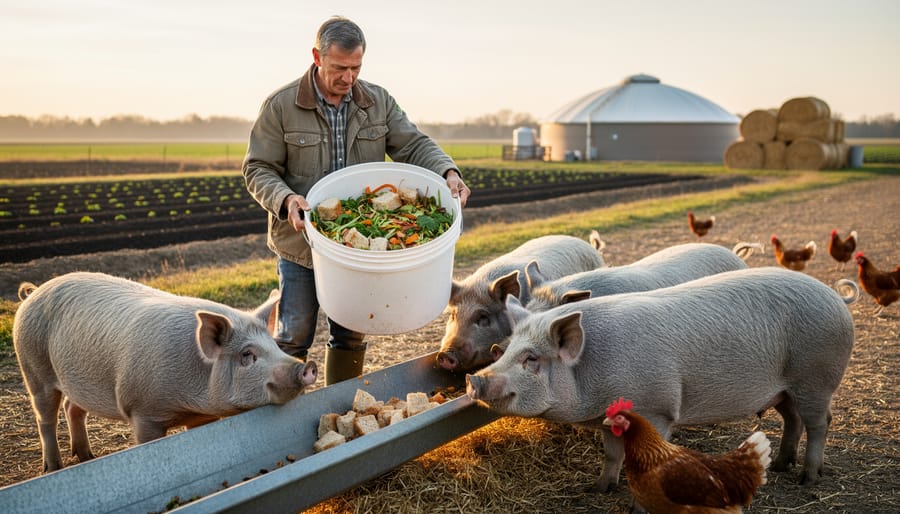
Environmental sustainability focuses on minimizing ecological harm throughout production and distribution. This pillar addresses soil health, water conservation, emissions reduction, and biodiversity protection. Many Alberta cattle operations now work with local feed suppliers who source ingredients within 160 kilometres, significantly reducing transportation emissions while supporting regional crop farmers. These partnerships create closed-loop systems where manure returns to crop fields as fertilizer, building soil carbon and reducing synthetic inputs.
Economic fairness ensures that value is distributed equitably among all participants, from input suppliers to end consumers. This means transparent pricing, timely payments, and long-term contracts that help farmers plan effectively. Red Deer area vegetable growers have pioneered fair-pricing agreements with regional processors, establishing minimum price floors that protect farm viability during market fluctuations while maintaining quality standards.
Understanding these three pillars helps you evaluate current partnerships and identify opportunities for improvement. Each pillar interconnects, so strengthening one area often creates positive ripple effects throughout your entire operation and community.
How Ethical Sourcing Differs from Organic Certification
While organic certification and ethical sourcing both contribute to sustainable food systems, they address distinctly different aspects of agricultural production. Understanding these differences helps you make informed decisions about which standards best align with your farm’s values and market goals.
Organic certification primarily focuses on production methods—what you can and cannot use on your land. It regulates inputs like pesticides, fertilizers, and GMOs, along with animal welfare standards related to housing and feed. In Canada, organic certification is governed by the Canadian Food Inspection Agency and follows strict protocols about soil health and environmental stewardship practices.
Ethical supply chain practices, however, concentrate on the people involved in food production. This includes fair wages for farmworkers, safe working conditions, community impact, and transparency throughout the supply chain. An Alberta grain farm might be certified organic while still facing ethical concerns about seasonal worker treatment or fair pricing from buyers.
The two systems complement each other beautifully. Many progressive farms pursue both, recognizing that truly sustainable agriculture must care for both land and people. For example, a dairy operation near Red Deer might maintain organic certification while also implementing fair labour practices and building transparent relationships with processors.
Consider this: you can grow organic carrots using exploited labour, or you can treat workers ethically while using conventional methods. Neither scenario is fully sustainable. The ideal approach integrates both frameworks, creating food systems that nourish soil, communities, and livelihoods simultaneously.
Tracing Your Farm’s Supply Chain: Where to Start
Questions to Ask Your Input Suppliers
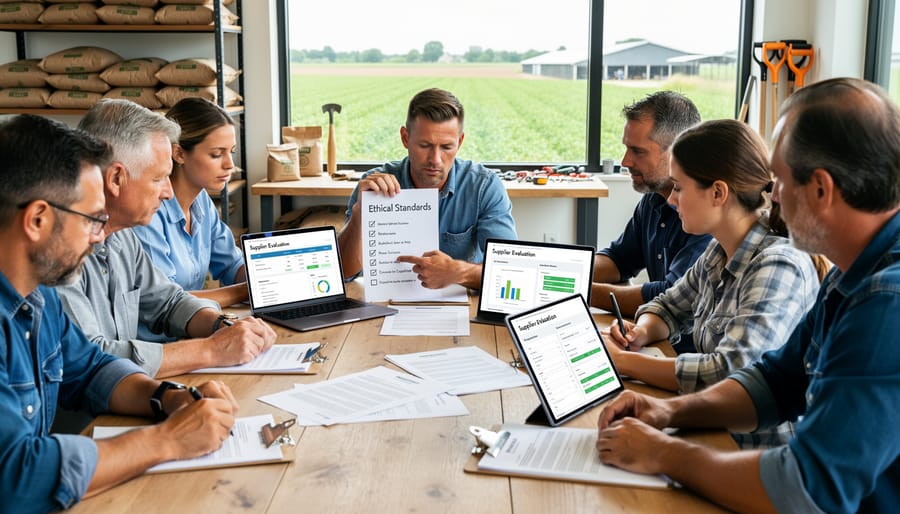
Having clear questions ready when you meet with your input suppliers can transform these conversations from simple transactions into transparency-building partnerships. Here’s a practical checklist you can use to assess whether your suppliers align with your ethical standards.
Start with labor practices. Ask your seed companies and equipment dealers: “Where are your products manufactured, and can you share information about working conditions in those facilities?” Follow up with, “Do you have a code of conduct for labor practices, and how do you verify compliance?” For feed suppliers specifically, ask about the labor conditions on farms where feed ingredients are sourced.
Environmental impact questions matter equally. Try asking: “What steps do you take to reduce carbon emissions in your transportation and distribution?” and “Do you offer products that support soil health and biodiversity?” For equipment dealers, inquire about the availability of fuel-efficient or electric options and their support for regenerative practices.
Transparency is your best indicator of commitment. Ask any supplier: “Can you provide documentation about your sourcing and manufacturing processes?” and “Are you willing to share information about your supply chain beyond your direct suppliers?” Don’t hesitate to ask if they conduct third-party audits or hold certifications from recognized standards organizations.
If a supplier becomes defensive or can’t answer basic questions about their practices, that tells you something important. Reliable partners will appreciate your due diligence and see it as an opportunity to demonstrate their values. Keep notes from these conversations to track improvements over time and identify which suppliers are genuinely committed to ethical practices.
Red Flags in Supplier Relationships
Recognizing warning signs early can protect your farm’s reputation and ensure you’re working with suppliers who share your values. Unusually low prices often signal potential problems—whether it’s compromised quality, questionable labour practices, or environmental shortcuts. If a supplier’s pricing seems too good to be true, it deserves closer investigation.
Lack of transparency serves as another major red flag. Reputable suppliers should readily provide information about their sourcing practices, production methods, and certifications. When suppliers become evasive about where products originate or refuse facility visits, consider this a serious concern. One Alberta grain operation discovered their fertilizer supplier was misrepresenting organic certification, which could have jeopardized their entire organic status.
Watch for inconsistent documentation or reluctance to share audit results. Ethical suppliers understand that transparency builds trust and should welcome your questions about their practices. Frequent changes in contact persons, vague answers about traceability, or pressure to sign contracts quickly without proper review all warrant caution.
Pay attention to suppliers who lack proper certifications for their claimed practices or who can’t provide references from other Canadian agricultural operations. Taking time to verify credentials and speaking with other farmers about their experiences can prevent costly mistakes that affect both your bottom line and your farm’s ethical standing.
Real Benefits for Canadian Farms
Case Study: An Alberta Grain Operation’s Supply Chain Transformation
When Clearview Grain Farms near Lethbridge faced declining margins in 2019, owner Michael Chen made a decision that seemed counterintuitive: he’d pay more for inputs from verified ethical suppliers. Three years later, his operation tells a compelling story about how ethical supply chains create tangible business value.
“We started by mapping our entire supply chain,” Chen explains. “Seed, fertilizer, equipment parts, fuel – everything. Then we contacted suppliers and asked direct questions about their labour practices, environmental standards, and transparency.”
The transformation didn’t happen overnight. Chen spent six months researching and switching to suppliers who could document their ethical practices. He moved his seed purchases to a Saskatchewan supplier with third-party verified fair labour certification, even though it cost 8 percent more. His fertilizer now comes from a Manitoba distributor committed to environmental reporting and indigenous partnership programs.
The results surprised even Chen. Within 18 months, Clearview secured contracts with three premium buyers specifically seeking ethically sourced grain. These contracts commanded prices 12 to 15 percent above commodity rates. By year two, the farm’s net profit increased by 23 percent compared to 2019 baseline figures.
“The premium buyers don’t just want clean grain,” Chen notes. “They want to know the story behind it. They audit our suppliers, and we welcome it.”
Beyond profitability, Chen reports unexpected benefits: stronger relationships with suppliers who share his values, reduced supply disruptions, and improved staff morale. His three employees appreciate working for an operation aligned with their personal ethics.
The timeline was realistic – meaningful change took two growing seasons – but Chen emphasizes the process was manageable for a mid-sized operation of 800 hectares.
What Buyers Actually Want (Expert Interview Insights)
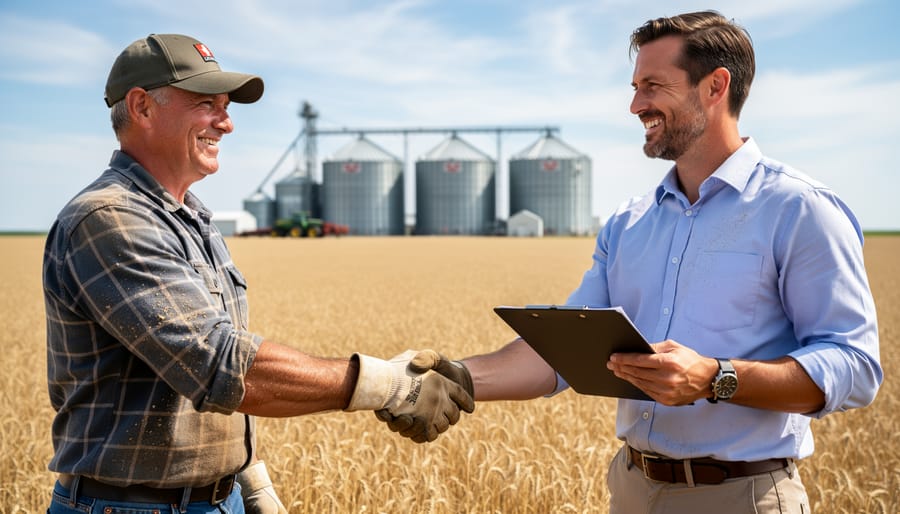
We spoke with buyers across Canada’s food supply chain to understand what they’re looking for from farm suppliers. The message came through clearly: transparency isn’t optional anymore.
Sarah Chen, procurement director for a major Western Canadian grocery chain, told us their company now requires documented evidence of labour practices from all produce suppliers. “We need to know who’s working in the field, how they’re being treated, and what safety measures are in place,” she explained. “It’s not about creating barriers—it’s about meeting consumer expectations and protecting our brand reputation.”
Food processors are asking similar questions. James MacDonald, who sources grain for a Saskatchewan-based organic processor, shared that his company now conducts supplier audits that include environmental practices, worker treatment, and animal welfare standards. “Ten years ago, we only cared about quality and price. Now we need the full story,” he said.
The shift is particularly strong among distributors serving restaurants and institutions. Maria Santos, a distributor working with Alberta restaurants, explained that her clients specifically request farms with verified ethical practices. “Chefs want to tell a positive story about their ingredients. They’re willing to pay more for products with documented ethical sourcing.”
The good news? Most buyers we interviewed emphasized they’re willing to work with farms to meet these standards. They’re looking for partners committed to improvement, not perfection. Starting with basic documentation of your current practices—employment records, safety protocols, environmental measures—puts you ahead of many competitors.
Building Ethical Relationships with Your Buyers
Documentation That Proves Your Practices
Building trust with buyers starts with maintaining comprehensive documentation that tells your farm’s ethical story. While it might feel like extra paperwork, these records protect your operation and open doors to premium markets.
Start with detailed labour records. Document employee hours, wages paid, safety training completed, and any workplace incidents. Keep copies of employment contracts and proof that you’re meeting provincial labour standards. Many buyers specifically request this information during audits, and having it organized saves time and stress.
Environmental monitoring data demonstrates your commitment to sustainable practices. Track water usage, soil test results, pesticide applications (including organic approved products), and any conservation initiatives. Record wildlife habitat preservation efforts, cover crop rotations, and measures taken to protect local waterways. Buyers increasingly want evidence of environmental stewardship, not just claims.
Animal welfare documentation matters for livestock operations. Maintain veterinary records, housing condition assessments, and feeding protocols. Document how you handle animal stress and transport procedures.
Supply chain records create transparency backward and forward. Keep receipts from seed, feed, or input suppliers, showing their ethical sourcing. Document where your products go and how they’re transported. These transparency practices help buyers verify your entire chain.
Consider digital record-keeping systems. Several Canadian platforms designed for farmers make documentation easier and provide audit-ready reports. The upfront investment pays off when certification bodies or major buyers request evidence. Your documentation becomes your competitive advantage, proving you walk the talk on ethical farming.

Common Challenges and How Alberta Farmers Are Solving Them
When Ethical Options Cost More: Making the Numbers Work
Let’s be upfront: ethical inputs often carry a 10-30% price premium. Canadian farmers choosing fair-trade feed supplements, certified sustainable packaging, or livestock from verified humane sources face real cost differences that impact your bottom line.
However, these premiums don’t have to break your operation. Many Alberta producers offset ethical supply chain costs through improved efficiency measures. Streamlining logistics, reducing waste, and optimizing inventory can recover 15-20% in operational savings, effectively neutralizing much of the ethical premium.
Consider phased implementation rather than overnight transformation. Start with one or two key inputs where ethical sourcing aligns with customer demand or premium pricing opportunities. Saskatchewan grain farmer Marcus Chen began with certified seed stock, recouped costs through organic market premiums, then gradually expanded his ethical sourcing.
Access available funding supports. Agriculture and Agri-Food Canada’s Canadian Agricultural Partnership offers grants for sustainable practice adoption. Provincial programs in Alberta provide cost-sharing for traceability systems and certification processes that support ethical supply chains.
Communication creates value capture. Document your ethical sourcing journey and share it with customers. Transparency about your supply chain choices often justifies 8-12% price premiums at farmers’ markets and through direct sales channels.
Calculate total cost of ownership, not just purchase price. Ethical suppliers frequently offer better consistency, reliability, and relationship stability, reducing hidden costs from supplier switching, quality issues, or reputational damage. When you factor in these considerations, the true cost differential often narrows significantly.
Limited Choices in Rural Markets
Rural producers often face a significant challenge: fewer supplier options and limited access to ethical alternatives. However, several practical solutions can help you overcome these barriers and build more responsible supply chains.
Cooperative purchasing presents one of the most effective strategies. By joining or forming buying cooperatives with neighboring farms, you can pool orders to meet minimum purchase requirements and negotiate better terms with ethical suppliers who might not otherwise service remote areas. Alberta producers have successfully used this approach to access everything from organic fertilizers to fair-trade-certified inputs, sharing transportation costs and reducing individual financial risk.
Online sourcing platforms have transformed rural access to ethical suppliers. Digital marketplaces now connect farms directly with verified sustainable suppliers across Canada, eliminating traditional geographic barriers. While internet connectivity remains inconsistent in some areas, many platforms offer phone ordering and can work around connectivity challenges.
Building lasting relationships with distributors who prioritize rural service is equally important. Seek out companies with established rural delivery routes and demonstrated commitment to serving remote communities. Contact agricultural extension offices and sustainable farming networks for recommendations specific to your region. These distributors often provide valuable product information and can suggest alternatives when your first-choice products aren’t available.
Remember that implementing ethical sourcing is a gradual process. Start with one or two product categories where you have identified reliable suppliers, then expand your network over time as relationships develop.
Taking Your First Steps This Season
You don’t need to overhaul your entire operation overnight. Building an ethical supply chain is a journey, and starting with manageable steps this season will set you up for meaningful long-term change.
This Month: Foundation Building
Begin by mapping your current relationships. List every supplier, buyer, processor, and service provider you work with. Note payment terms, contract details, and communication frequency. This simple exercise often reveals patterns you hadn’t noticed before.
Next, start one conversation. Reach out to your grain elevator, livestock processor, or equipment supplier to discuss their sourcing practices or labour policies. You’re not confronting anyone, just gathering information. Most businesses appreciate the interest and will share more than you’d expect.
Document your own practices too. How do you handle seasonal workers? What are your environmental protocols? Writing these down helps you identify what you’re already doing well and where gaps exist.
This Season: Strategic Improvements
Choose one high-impact change based on your assessment. If transportation emissions concern you, could you partner with a neighbour to consolidate deliveries? If fair labour matters most, formalize your seasonal worker agreements with clear terms and benefits.
Join or form a producer cooperative in your region. Alberta has strong examples of farmers pooling resources to negotiate better terms with buyers while maintaining ethical standards. These networks provide accountability and shared learning.
Request transparency from your top three business partners. Ask processors about their waste management or retailers about their pricing structures. You’ll learn who shares your values and who might need replacing.
Next Two Years: Systemic Integration
Set measurable targets. Reduce your supply chain carbon footprint by 15 percent, source 80 percent of inputs from verified ethical suppliers, or achieve third-party certification for your labour practices.
Invest in relationship building beyond transactions. Attend trade shows focused on sustainable agriculture, participate in supply chain working groups, and mentor newer farmers interested in ethical practices.
Consider transitioning one product line to a fully traceable, ethically verified supply chain as a pilot project. Document the costs, benefits, and lessons learned. This becomes your roadmap for expanding the approach across your entire operation while providing real data to share with your community.
Building an ethical supply chain isn’t just about doing the right thing—it’s about creating a more resilient operation and stronger community connections that benefit everyone involved. The Canadian farmers we’ve spoken with consistently report that these practices have strengthened their businesses, improved relationships with buyers, and created new market opportunities they hadn’t anticipated.
Remember, you don’t need to overhaul your entire operation overnight. Start with one small change—whether that’s documenting your current labour practices, reaching out to one nearby farm for collaboration, or having an honest conversation with your suppliers about their standards. These incremental steps compound over time, creating meaningful transformation in how you do business.
You’re not alone in this journey. Connect with your local agricultural extension office, regional farm organizations, or sustainability networks. Many offer free resources, mentorship programs, and practical support specifically designed for Canadian producers. Your commitment to ethical practices today shapes a stronger, more sustainable agricultural sector for tomorrow.