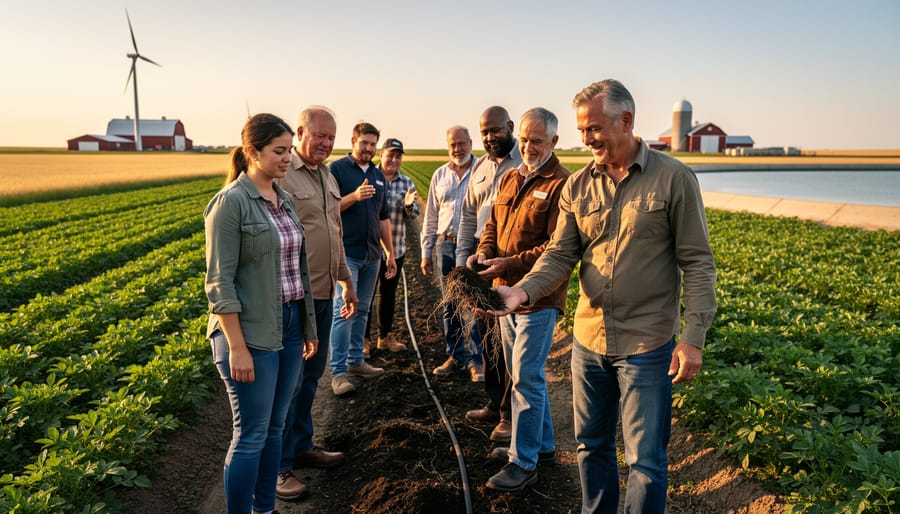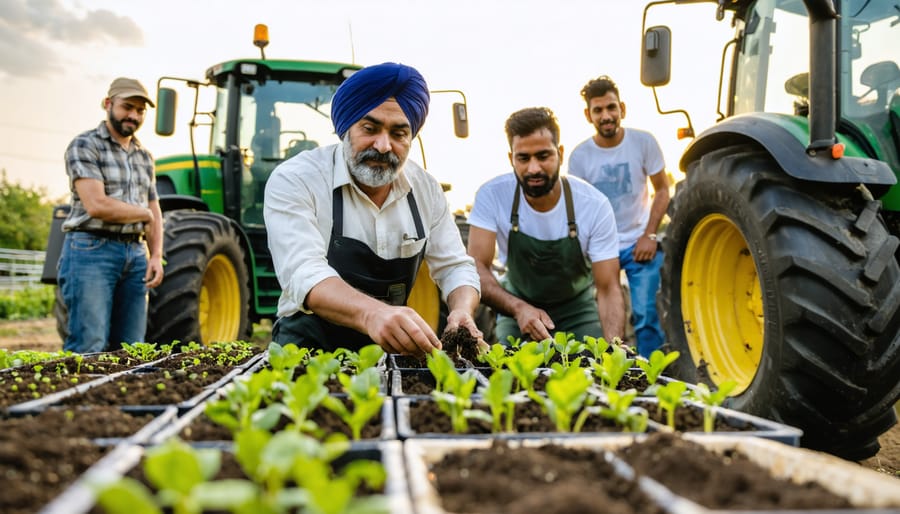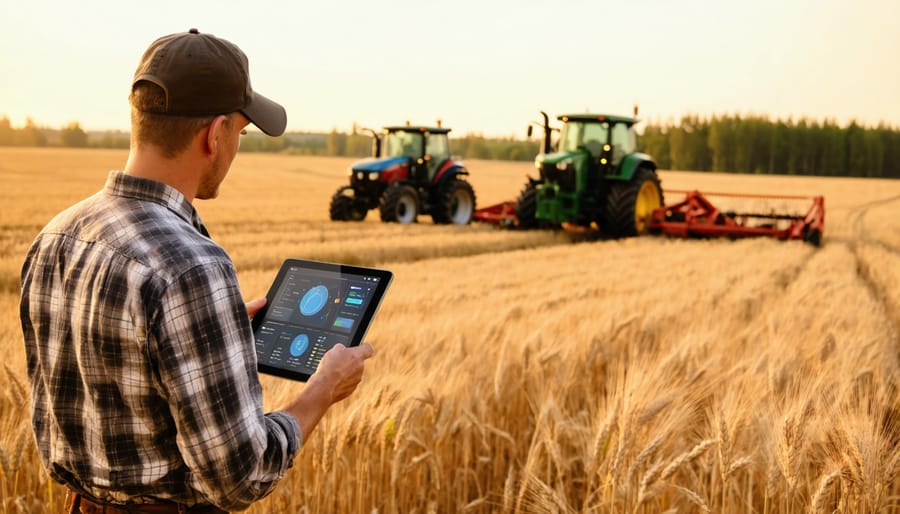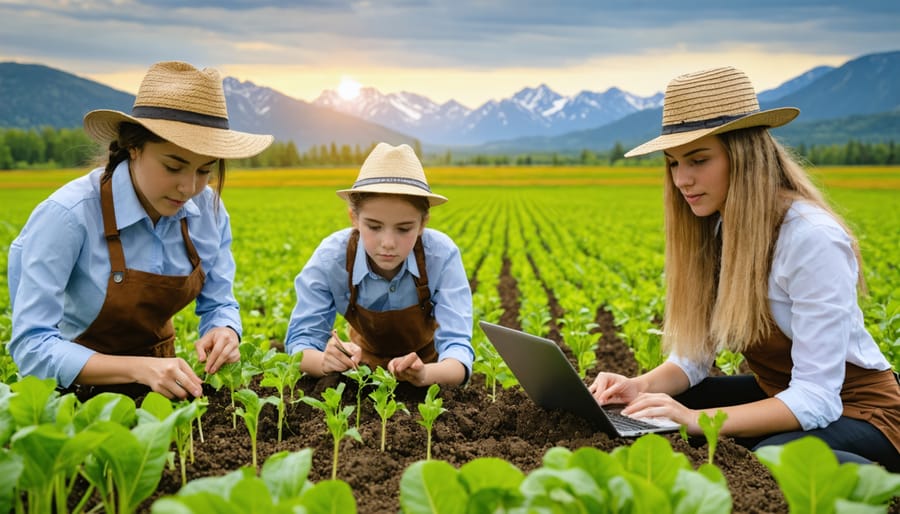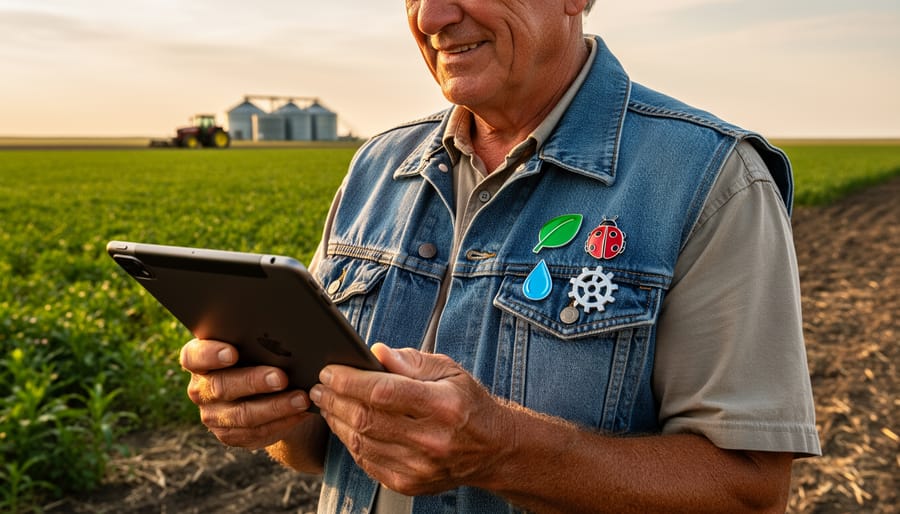
Transform traditional training sessions into point-based challenges where farmers earn rewards for completing modules on crop rotation, pest management, or water conservation. Saskatchewan’s Prairie Agricultural Machinery Institute pioneered this approach in 2022, increasing course completion rates by 68% when they introduced digital badges for equipment maintenance certifications.
Design farm-specific leaderboards that track sustainable practice adoption rather than competitive yields. Alberta’s Organic Producers Association uses quarterly scoreboards where members gain recognition for implementing cover cropping, reducing tillage, or improving soil health metrics. This shifts focus from production numbers to regenerative outcomes while building community accountability.
Create scenario-based simulations where participants make real-time decisions about harvest timing, input costs, or weather risks. The approach mirrors what farmers already do daily but removes financial consequences, allowing producers to test strategies for drought management or market timing without risking their operations. Manitoba’s extension services report participants retain 85% more information through interactive scenarios compared to lecture-based formats.
Implement progressive skill trees that unlock advanced content as foundational knowledge strengthens. Start with basic integrated pest management principles before revealing biological control methods or precision application techniques. This structured pathway prevents overwhelming learners while respecting the expertise producers already bring to their operations.
Gamification works because it taps into the problem-solving mindset farmers use every season. Rather than importing corporate training models, effective agricultural gamification reflects the decision-making processes producers navigate from seeding through harvest, making education feel relevant and immediately applicable to daily farm management.
What Learning Gamification Actually Means for Agricultural Education
Why Traditional Agricultural Training Falls Short
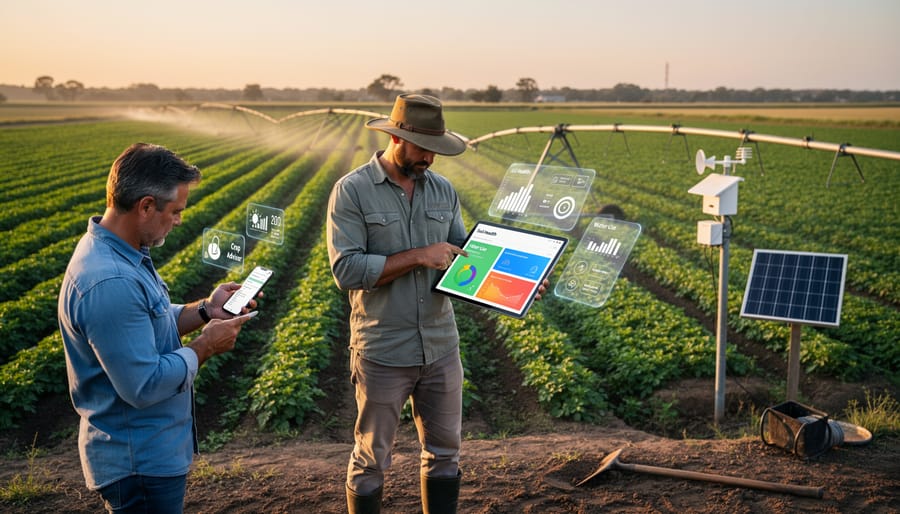
Despite the wealth of knowledge available through traditional agricultural education methods, many Canadian farmers struggle to benefit from conventional training programs. The reality is that most agricultural education doesn’t align with the demanding schedules and practical needs of working farmers.
Time constraints present the most significant barrier. During seeding and harvest seasons, attending multi-day workshops or evening classes becomes nearly impossible. A farmer in central Alberta recently shared that she missed three consecutive sessions of a soil health course because spring fieldwork couldn’t wait. By the time she returned, the content had moved forward, leaving gaps in her understanding.
Retention poses another challenge. Traditional lecture-based formats, while comprehensive, often fail to stick. Research shows that farmers retain only about 20 percent of information presented in standard classroom settings. Without hands-on practice or immediate application opportunities, valuable techniques learned in winter workshops fade by spring planting.
The lack of timely feedback compounds these issues. When farmers implement new practices based on workshop learning, they typically wait months or even full growing seasons to assess results. Without immediate guidance during implementation, small mistakes can cascade into larger problems. A delayed planting technique learned in theory might be applied incorrectly, with no expert available to provide real-time corrections when it matters most.
These barriers don’t reflect farmer capability or commitment. They highlight how conventional education structures haven’t evolved to meet the realities of modern agricultural life.
The Science Behind Why Games Help Us Learn
Understanding why games work so well for learning starts with how our brains naturally respond to challenges and rewards. When you complete a task in a gamified learning environment, whether it’s identifying a crop disease or calculating optimal fertilizer rates, you receive immediate feedback. This instant response helps your brain connect actions with outcomes much faster than traditional learning methods where you might wait days or weeks for test results.
For agricultural professionals juggling seeding schedules, livestock care, and equipment maintenance, gamification offers bite-sized learning opportunities that fit into unpredictable days. The incremental progress tracking built into game-based systems lets you see exactly how far you’ve come, transforming the sometimes overwhelming task of mastering new sustainable practices into manageable steps. Think of it like watching your crop grow—each stage of progress is visible and measurable.
What makes this particularly powerful is intrinsic motivation. Rather than learning because you have to attend a workshop, gamified systems tap into our natural desire for mastery and achievement. When Manitoba farmer Sarah Chen completed a water management module through a gamified platform, she described it as “finally wanting to learn rather than feeling like I should.” This shift from external pressure to internal drive creates lasting behavioral change.
The competitive elements also speak to farming culture. Many agricultural professionals thrive on benchmarking their operations against neighbors and industry standards. Gamification channels this competitive spirit into positive learning outcomes, creating communities where knowledge sharing becomes the winning strategy.
Real Applications: Gamification Working on Canadian Farms
Soil Health Challenges and Carbon Reduction Tracking
Farmers across Alberta are discovering that point systems and achievement milestones make learning about soil health improvements more engaging and effective. These gamified programs transform complex agricultural practices into measurable challenges that provide immediate feedback and recognition.
The Saskatchewan Soil Conservation Association recently piloted a digital platform where producers earn points for completing educational modules on cover cropping, then receive bonus points when they implement these practices on their own land. Participants track metrics like soil organic matter increases and carbon sequestration rates, with each milestone unlocking new learning resources and expert consultations.
One popular challenge involves reduced tillage adoption. Farmers begin at a bronze level, earning points for reducing tillage on 25 percent of their acreage. As they expand the practice and document improvements in soil structure and water retention, they advance through silver and gold tiers. Each level provides access to peer mentorship from experienced no-till farmers and equipment demonstration days.
Cover crop challenges have proven particularly effective in southern Alberta. Participants select species combinations, plant test plots, and document results including weed suppression and nitrogen fixation rates measured in kilograms per hectare. The gamification element encourages experimentation without fear of failure, since all documented attempts earn recognition points regardless of outcome.
Brandon Huber, a carbon program coordinator working with Alberta producers, notes that farmers appreciate the structured learning pathway. “The point system gives them tangible goals. Instead of feeling overwhelmed by carbon reduction strategies, they tackle one challenge at a time and see their progress accumulate.” Many participants report that friendly competition with neighbours motivates continued engagement, turning individual learning into community-wide knowledge sharing.

Community Leaderboards That Build Knowledge Networks
Leaderboards in agricultural education work best when they celebrate collective achievement rather than individual glory. Unlike competitive gaming models, agricultural leaderboards designed for learning focus on knowledge-sharing milestones, problem-solving contributions, and community collaboration. When Saskatchewan farmers participated in a soil health challenge through an extension service app, the leaderboard tracked not just quiz scores but also how many sustainable practices participants shared with neighbours and the quality of peer-to-peer advice given in discussion forums.
This approach transforms competition into connection. Alberta ranchers using gamified water management training platforms earn points for posting their conservation strategies, commenting on others’ approaches, and adapting techniques to their local conditions. The most valuable contributors rise on the leaderboard not because they hoard knowledge, but because they generously distribute it. This creates a positive feedback loop where experienced farmers mentor newcomers, and innovative practices spread rapidly through rural networks.
Rural isolation can limit farmers’ access to new information, but leaderboards bridge these gaps digitally. A producer in Peace River can learn from someone in Lethbridge without either leaving their operation. The friendly competition aspect provides motivation to stay engaged with learning materials, while the collaborative structure ensures that advancing up the leaderboard requires helping others succeed too.
Research from Ontario agricultural programs shows that farmers participating in leaderboard-based learning retained 40 percent more information and were 60 percent more likely to implement new practices compared to traditional workshop participants. The difference lies in ongoing engagement and peer accountability. When your community sees your progress and contributions, the learning becomes a shared journey rather than a solitary task.
Canadian Case Study: The Alberta Sustainable Farming Challenge
In 2022, Alberta Agriculture and Irrigation partnered with local farm organizations to launch the Alberta Sustainable Farming Challenge, a six-month gamified learning program focused on regenerative agriculture practices. The initiative enrolled 147 farms across the province, from small family operations to larger commercial enterprises.
The program transformed traditional extension education into an interactive experience. Participating farmers earned points for completing educational modules on topics like cover cropping, reduced tillage, and water conservation. They gained bonus points for implementing practices on their land and sharing results with the community through a digital platform. Monthly leaderboards recognized top performers, while regional teams competed in friendly challenges that encouraged knowledge sharing.
“I’ve been farming for thirty years, and honestly, I was skeptical at first,” shares Tom Reynolds, a grain producer near Red Deer. “But the competitive element got me hooked. I started checking the app daily, watching videos during coffee breaks, and actually trying things I’d been putting off for years. The points made it feel less risky somehow, like I was earning credit for experimenting.”
The measurable outcomes exceeded expectations. By the program’s end, 78 percent of participants had implemented at least one new sustainable practice on their operations. Cover crop adoption increased by 43 percent among enrolled farms, while 62 percent reported improved soil health metrics within the first growing season. Collectively, participating farms reduced estimated carbon emissions by approximately 2,800 tonnes CO2 equivalent through practice changes.
Sarah Chen, who runs a mixed farm near Lethbridge, appreciated the community aspect. “The team challenges connected me with farmers I never would have met otherwise. We shared what worked, what didn’t, and supported each other through the learning curve. It wasn’t just about winning; it was about growing together.”
Key lessons emerged from the initiative. Designers learned that farmers responded best to short, practical learning modules under ten minutes. The social features proved essential, with 89 percent of active participants engaging in the community forums. Recognition mattered more than prizes, with digital badges and public acknowledgment driving continued participation.
The program demonstrated that gamification, when designed with agricultural realities in mind, can accelerate sustainable practice adoption while building stronger farming communities across the province.
Practical Elements That Make Agricultural Gamification Work
Progress Badges That Reflect Real Farm Milestones
Progress badges work best when they celebrate real achievements that matter to your operation. Unlike generic learning certificates, these recognition tools connect directly to measurable farming outcomes you can track season after season.
Consider designing badges for milestones like completing your first soil health assessment showing improved organic matter levels, or successfully reducing synthetic fertilizer inputs by 20% while maintaining yield. An Alberta cattle producer might earn recognition for implementing a rotational grazing system that increased forage production by 15%, while a grain farmer could receive a badge for their first season using cover crops.
These badges can take digital form through farming apps or learning platforms, making them easy to share with your agricultural community. Some farmers prefer physical versions displayed in their farm office or equipment shed as daily reminders of progress made.
The key is tying badges to specific, measurable outcomes rather than just participation. When Medicine Hat farmer James Chen received his “Water Efficiency Champion” badge after reducing irrigation water use by 25% through precision technology, it validated months of learning and adjustment. The recognition motivated him to tackle his next challenge: optimizing nutrient management.
Track your achievements using farm records you already maintain like soil tests, input receipts, and yield monitors. This approach transforms routine data collection into milestone markers worth celebrating.
Quest-Based Learning Modules for Busy Schedules
Quest-based learning modules transform overwhelming agricultural topics into manageable, bite-sized challenges that fit naturally into your schedule. Instead of dedicating full days to workshops, farmers can complete 10-15 minute quests during winter evenings or between planting seasons.
For example, a comprehensive course on regenerative agriculture might be broken into quests like “Understanding Soil Carbon Cycling” or “Planning Your First Cover Crop Mix.” Each quest presents a specific challenge, offers practical information, and rewards completion with points or digital badges. This approach proved successful with Alberta farmer Tom Richardson, who completed a soil health certification entirely during January and February, tackling one quest per evening while his fields rested under snow.
The structure works because it respects the seasonal nature of farming. During harvest, modules remain accessible but without pressure. Come winter, you can progress through multiple quests weekly, building knowledge when time allows. Many platforms even work offline, letting you download content for areas with spotty internet connectivity.
This flexibility means complex subjects like nutrient management planning or integrated pest management become achievable learning goals rather than intimidating barriers, empowering you to advance your operation at your own pace.
Immediate Feedback Systems That Respect Farmer Expertise
Gamified learning platforms recognize that farmers aren’t starting from zero. These systems provide immediate feedback on quiz questions or scenario-based decisions while building upon the knowledge you’ve already gained through years of hands-on experience. When you answer a question about crop rotation or pest management, the platform instantly confirms your understanding or offers gentle course correction, much like a supportive mentor rather than a judgmental textbook.
For example, if you’re working through a module on soil health and select an answer based on your experience with Alberta clay soils, the system acknowledges what you got right before suggesting complementary approaches you might not have considered. This validation-first approach respects your practical expertise while introducing new techniques. One Saskatchewan farmer noted that this feedback style helped him connect scientific research with practices he’d been refining for decades, giving him confidence to experiment further. The key difference from traditional training is timing—you receive guidance exactly when you need it, allowing you to adjust your thinking immediately rather than waiting days for an instructor’s response.
Getting Started: Implementing Gamification in Your Learning Journey
For Individual Farmers: Apps and Platforms to Try
Several apps and platforms now bring gamified learning directly to Canadian farmers. Agriwebb offers farm management training with achievement badges as you master different features, making the transition to digital record-keeping less overwhelming. FarmLead combines grain marketing education with real-time price challenges, helping you build confidence in commodity trading decisions.
For soil health enthusiasts, the SoilWeb app turns field walks into learning adventures by identifying soil types and sharing management tips based on your location. Ontario-based platform FarmFood360 provides interactive modules where you earn points by completing virtual farm tours and quizzes about sustainable practices.
Alberta farmers should also explore Growing Forward programs offered through provincial agriculture departments, which increasingly incorporate digital badges and peer leaderboards into their workshop series. Many local agricultural societies now host online communities through platforms like Discord or Facebook Groups, where members share challenges and celebrate learning milestones together. The key is choosing one tool that aligns with your immediate learning goal, whether that’s improving crop rotation decisions, understanding regenerative practices, or connecting with fellow farmers facing similar challenges.
For Agricultural Organizations: Creating Your Own Gamified Programs
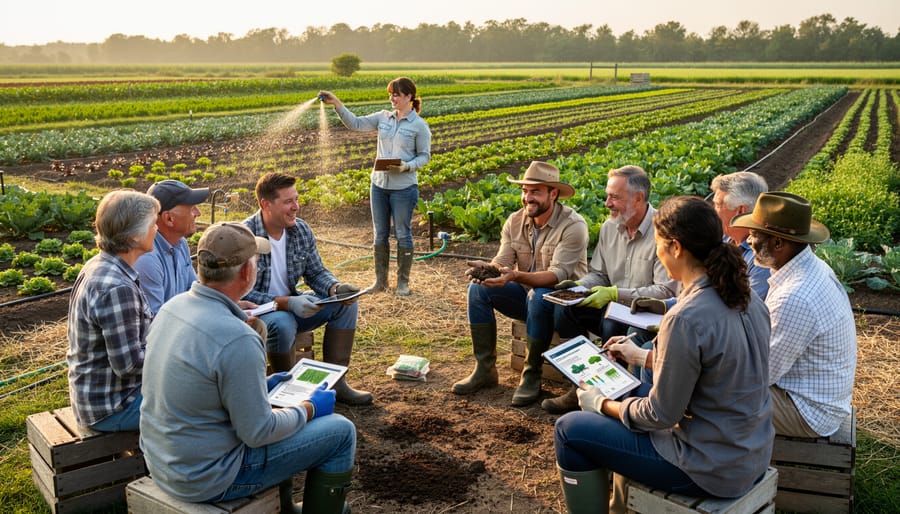
Creating your own gamified learning experiences doesn’t require complex technology or large budgets. Start by identifying a specific learning goal, whether it’s improving crop rotation understanding or teaching precision agriculture techniques. Choose one or two simple game mechanics that fit your audience—points for completing modules, badges for mastering skills, or team challenges that encourage peer learning.
Keep your system manageable. A cooperative in Red Deer successfully launched a soil health program using a simple checklist and achievement certificates, tracking participation through basic spreadsheets. Extension services can start with existing workshop materials and add competitive elements like farm-to-farm challenges or seasonal leaderboards.
Measure success by tracking both engagement metrics (participation rates, completion times) and learning outcomes (knowledge retention, practice adoption on farms). Survey participants about what motivates them and adjust accordingly. Remember, the game elements should enhance learning, not distract from it. Start small with one program, gather feedback from your farming community, and expand based on what resonates with your members.
Common Concerns and How to Address Them
“I Don’t Have Time for Games”
Let’s be honest – between seeding, harvest, equipment maintenance, and managing the daily demands of your operation, adding anything to your schedule sounds impossible. But here’s the thing: gamification doesn’t add hours to your day. It actually makes the time you already spend learning more efficient. Think about those moments when you’re waiting for equipment repairs, riding in the combine during a long harvest day, or taking a quick coffee break. Instead of scrolling through social media, a 5-minute gamified lesson on soil health or pest identification can fit right into those gaps. Agricultural extension services across Alberta are finding that farmers complete more training modules when they’re presented as quick, interactive challenges rather than hour-long seminars. One Saskatchewan grain farmer reported completing an entire integrated pest management course during downtime throughout his season – something he’d postponed for three years when it was only offered as full-day workshops. Gamification meets you where you are, turning scattered moments into productive learning opportunities without pulling you away from what matters most.
“This Seems Like It’s for Young People”
Let’s clear something up right away: if you’ve been farming for 30 years, gamification isn’t going to treat you like a beginner. The beauty of well-designed gamified learning is that it meets people where they are. When Manitoba’s agricultural extension service introduced a points-based system for their soil health workshops, their most enthusiastic participants were farmers in their 50s and 60s who appreciated seeing their knowledge validated through progressive challenges. These weren’t childish games, they were structured pathways that respected decades of experience while introducing new precision agriculture techniques. A Lethbridge producer told us that earning digital badges for completing modules on regenerative practices gave him concrete proof of his professional development, something valuable when applying for sustainability grants. The key is implementation: gamification for agricultural education should offer choice, recognize prior knowledge, and focus on meaningful achievements rather than flashy graphics. Whether you’re 25 or 65, the satisfaction of tracking progress toward mastering a new irrigation system or pest management strategy works the same way.
Gamification isn’t just another educational trend—it’s a practical evolution that acknowledges the reality of farming life. You’re managing equipment, monitoring weather, and making critical decisions daily. Traditional eight-hour workshops often don’t fit your schedule or learning style. Gamified learning meets you where you are, breaking knowledge into manageable pieces you can tackle during morning coffee or while waiting for equipment. The competitive elements and immediate feedback align with how farmers naturally operate—setting goals, measuring results, and continuously improving.
Alberta farmers who’ve embraced these approaches report better knowledge retention and, more importantly, actual implementation of new practices. When learning feels rewarding rather than overwhelming, you’re more likely to stick with it and share what you’ve learned with neighbours.
This coming season, challenge yourself to try just one gamified approach. Start small: join an online leaderboard challenge for soil health practices, download a farm management app with achievement badges, or create a friendly competition with neighbouring operations around a shared goal like reducing input costs by 5%. Your local agricultural extension office can point you toward resources, and remember—you’re part of a community that values innovation and supports each other’s growth. Every small step forward strengthens Canadian agriculture as a whole.