Invasive species cost Canadian agriculture over $2.2 billion annually, with Alberta farms facing mounting pressure from clubroot, downy brome, and wild oats that reduce yields by 30-70% when left unchecked. Your profitability depends on catching these invaders early and responding with precision.
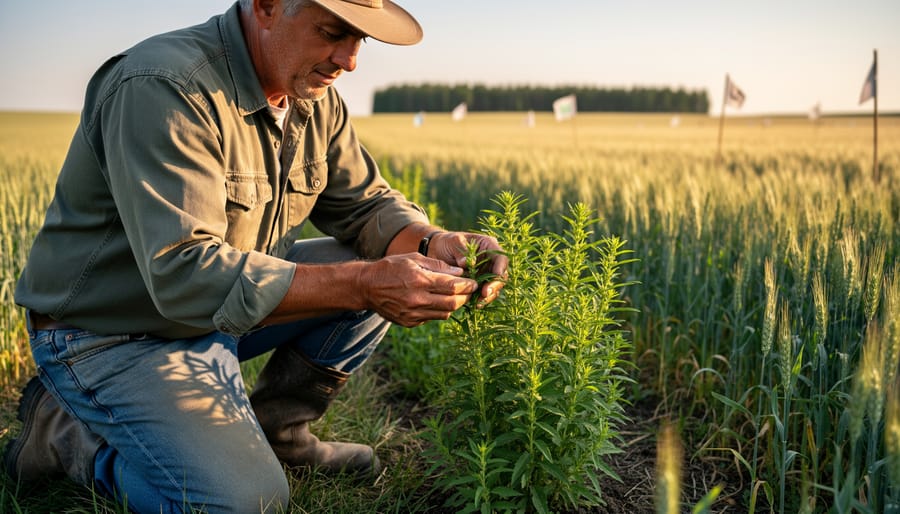
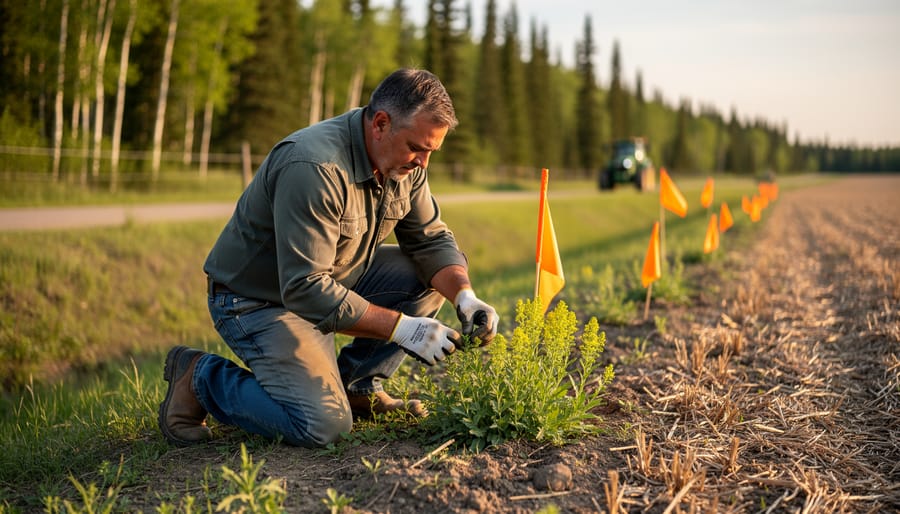
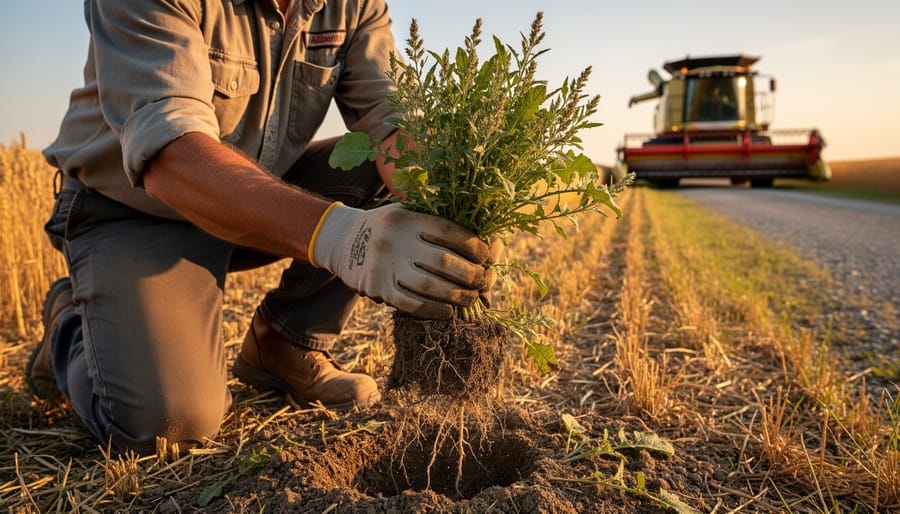
Scout fields weekly during growing season, focusing on field edges, equipment entry points, and areas with soil disturbance where invasive plants typically establish first. Download identification apps specific to prairie invasives or keep laminated field guides in your equipment to distinguish threatening species from native look-alikes before populations explode.
Implement integrated management by combining multiple control methods rather than relying solely on herbicides. Rotate crops strategically to disrupt invasive species life cycles, adjust seeding rates to increase crop competition, and time tillage operations to target specific weed growth stages. This approach slows herbicide resistance development while maintaining effectiveness.
Sanitize equipment between fields and before moving from infested to clean areas. Pressure-wash combines, cultivators, and even boots to remove seeds and soil fragments that carry pathogens like clubroot spores, which survive in soil for 20+ years.
Connect with your local agricultural fieldman and provincial weed inspector who provide free identification services, alert you to new threats in your region, and help access cost-share programs for aggressive control measures. These partnerships transform invasive species management from an isolated battle into a coordinated community defense, protecting both your operation and your neighbours’ land values.
What Makes a Species ‘Invasive’ in Agricultural Settings
In agricultural settings, understanding what makes a species truly invasive goes beyond simply being unwanted in your fields. While native pests like grasshoppers have always challenged Alberta farmers, invasive species bring a different level of threat that requires specialized management approaches.
An invasive species in farming contexts is a non-native organism that establishes itself in agricultural areas and causes economic or environmental harm. What sets them apart from regular pests are three defining characteristics that make them particularly challenging to manage.
First, invasive species reproduce rapidly and in large numbers. Take wild oats, for example—a single plant can produce up to 500 seeds that remain viable in Alberta soil for up to ten years. This explosive reproduction allows populations to establish and spread faster than most native competitors.
Second, these species arrive without their natural predators or diseases. When clubroot disease first appeared in Alberta canola fields in 2003, our soil ecosystems lacked the natural checks that kept it controlled in its native regions. This absence of natural enemies allows invasive populations to grow unchecked, creating infestations that would be impossible in their home environments.
Third, invasive species possess competitive advantages that help them outperform native plants or beneficial organisms. Leafy spurge, now present across Alberta’s agricultural margins, develops root systems extending up to nine metres deep—far deeper than most crops or native prairie plants. This gives it unmatched access to water and nutrients while making mechanical removal nearly impossible.
According to Dr. Hugh Beckie, a research scientist with Agriculture and Agri-Food Canada, these three characteristics working together create the perfect storm for agricultural disruption. Recognizing these traits helps farmers distinguish between manageable pest issues and true invasive threats requiring coordinated, long-term management strategies.
The Top Invasive Threats Facing Alberta Farms Right Now
Invasive Plants Stealing Your Nutrients
Three invasive weeds are particularly aggressive at robbing your crops of essential nutrients and moisture across Alberta’s agricultural regions. Understanding how to spot and manage them early makes all the difference in protecting your yields.
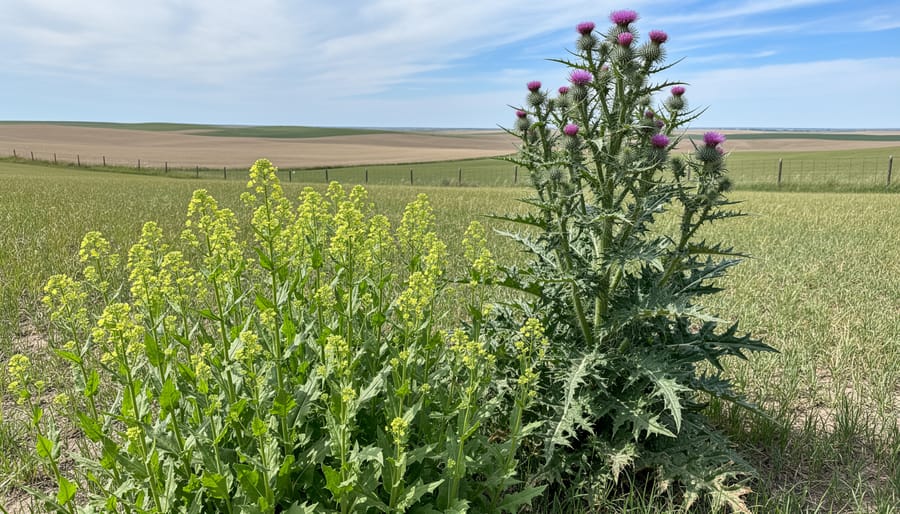
Leafy spurge presents bright yellow-green flower clusters from May through July and spreads through an extensive root system that can reach 4.5 metres deep. This perennial thrives in pastures and field edges, producing a milky sap that’s toxic to cattle. Each plant generates thousands of seeds that remain viable in soil for up to eight years. Watch for its distinctive blue-green leaves and the way it forms dense patches that squeeze out forage species.
Canada thistle creates purple flowering heads on plants reaching 30 to 120 centimetres tall. Despite its name, this invasive actually originated in southeastern Europe. Its creeping root system extends horizontally up to six metres in a single growing season, making it exceptionally difficult to control once established. You’ll find it invading cereals, canola, and pulse crops throughout the province. The plant produces both male and female flowers on separate plants, with females releasing wind-dispersed seeds from July through September.
Scentless chamomile displays white daisy-like flowers with yellow centres and can grow up to 90 centimetres high. This aggressive competitor establishes quickly in disturbed soils and roadsides before moving into cropland. A single plant produces up to one million seeds that remain dormant for decades. Alberta producers report significant yield losses in canola and wheat fields when infestations aren’t managed early.
Regular field monitoring during these key flowering periods helps you catch infestations before they spread.
Insects and Pests That Don’t Belong Here
While invasive plants grab headlines, insects and pests present equally serious threats to Alberta farms. Understanding their life cycles and damage patterns is your first line of defense.
The wheat midge has become a significant concern across the prairies. Adult midges, tiny orange flies about 2-3 millimeters long, emerge in late June to early July. They lay eggs in developing wheat heads during flowering. The real damage comes from larvae feeding inside kernels, causing them to shrivel and become unmarketable. “I’ve seen fields lose 30% of their value when farmers miss the narrow spray window,” explains Dr. Sarah Chen, an entomologist with Agriculture and Agri-Food Canada.
Swede midge threatens canola and other brassica crops. These microscopic flies damage growing points, causing twisted stems, multiple flower heads, and severely reduced yields. The challenge? Damage symptoms appear weeks after the critical control period.
Watch for brown pustules on canola leaves—this might indicate swede midge activity in your area. Early detection matters because these pests complete multiple generations per season, with populations exploding rapidly under favorable conditions.
Emerging threats include brown marmorated stink bug, detected in southern Ontario and moving westward. This versatile pest attacks over 100 crops and lacks effective natural predators here. Regular field scouting during critical growth stages remains your most reliable monitoring tool for catching infestations before economic thresholds are reached.

Disease and Pathogen Invaders
While weeds and insects often grab headlines, soil-borne diseases and pathogens pose equally serious threats to Alberta’s agricultural productivity. These microscopic invaders can persist in soil for years, making them particularly challenging to manage once established.
Club root stands out as one of Alberta’s most pressing disease concerns. Caused by the pathogen Plasmodiophora brassicae, this soil-borne disease affects canola and other brassica crops, causing swollen, distorted roots that reduce yields by 30-100%. Since its detection in Alberta in 2003, club root has spread to more than 3,000 fields across the province. The pathogen’s resting spores can survive in soil for up to 20 years, making prevention your best defense.
Other invasive pathogens gaining ground include Fusarium head blight in cereals, which produces harmful mycotoxins, and various root rot complexes that thrive in poorly drained soils. Dr. Stephen Strelkov from the University of Alberta emphasizes that “early detection and strict sanitation protocols are critical—once these pathogens establish, you’re managing them for decades.”
The good news? Integrated management combining resistant varieties, crop rotation extending beyond four years, and equipment sanitation between fields can significantly reduce disease pressure and protect your long-term soil health.
Why Traditional Control Methods Often Fail
Many farmers discover invasive species problems only after significant damage has occurred. This reactive approach is one of the primary reasons traditional control methods fall short. By the time you notice leafy spurge crowding out your forage or wild oats reducing canola yields, the infestation has often established deep root systems or extensive seed banks that require years to manage effectively.
Single-method reliance compounds the problem. Depending solely on herbicides, for instance, may provide temporary relief but often leads to herbicide-resistant populations. Research from Agriculture and Agri-Food Canada shows that over-reliance on glyphosate has contributed to resistant kochia spreading across Prairie provinces. Similarly, mechanical control alone rarely addresses underground rhizomes or seeds that can remain viable for decades in soil.
Conventional farming practices sometimes inadvertently accelerate invasive spread. Frequent tillage can fragment perennial weeds like Canada thistle, with each root piece generating new plants. Equipment moving between fields without proper cleaning transports seeds and plant material. Monoculture systems lacking agricultural biodiversity create ideal conditions for invasive species to establish and thrive without natural competitors or predators.
Dr. Robert Spencer from the University of Alberta points out another critical factor: “Farmers often underestimate how quickly invasive species adapt. What worked five years ago may be ineffective today because these plants evolve strategies to survive our control methods.”
Timing mistakes also undermine success. Applying controls too early or late in the plant’s growth cycle reduces effectiveness and wastes resources. Without understanding the complete life cycle of your target species, even well-intentioned efforts may inadvertently support their spread rather than containing it.
These challenges highlight why integrated approaches combining multiple strategies prove more successful than traditional single-method tactics.
Integrated Management Strategies That Actually Work
Prevention: Your First and Best Defense
The most cost-effective approach to invasive species management is stopping them before they establish on your land. While prevention requires diligence, it’s far less expensive and time-consuming than eradication efforts after an invasion takes hold.
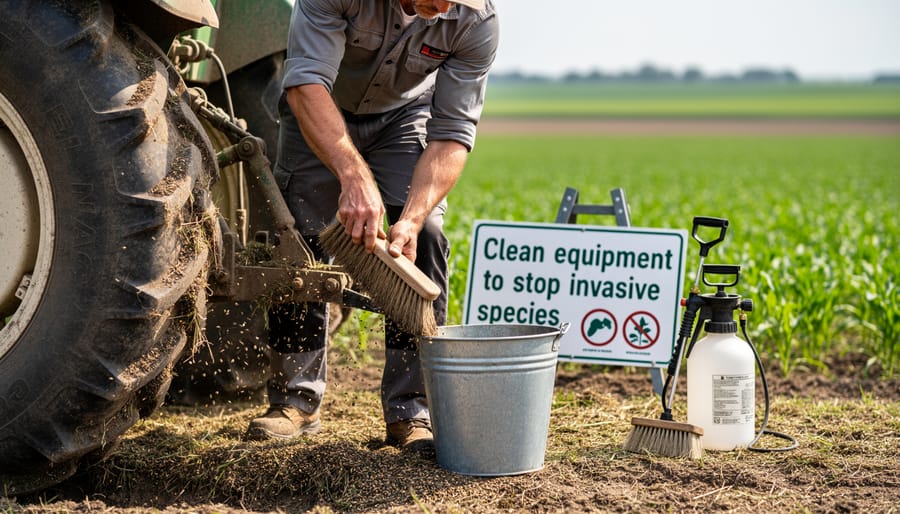
Start with equipment sanitation, which is crucial yet often overlooked. Before moving machinery between fields or farms, thoroughly clean all equipment to remove soil, plant material, and seeds. Pay special attention to tire treads, undercarriages, and harvesting equipment. A simple pressure washer and 15 minutes of attention can prevent spreading invasive seeds across your entire operation.
When purchasing seed, request certified weed-free options and inspect every shipment before use. Many invasive plants hitchhike into fields through contaminated seed. Similarly, if you’re bringing in hay or straw from off-farm sources, ensure it’s certified weed-free. This practice is particularly important in Alberta, where producers have successfully prevented many infestations through careful sourcing.
Implement biosecurity protocols for anyone entering your fields. This includes delivery drivers, agronomists, and custom operators. Consider establishing designated entry points and providing boot brushes or wash stations. It might seem excessive, but these simple steps create a culture of prevention.
Regular soil testing helps identify problems early. Schedule testing at least annually, and increase frequency in areas adjacent to known infestations or high-traffic zones. Early detection dramatically improves management success rates and reduces long-term costs.
Mechanical and Cultural Controls
Mechanical and cultural controls form your first line of defense against invasive species while building long-term farm resilience. These approaches work with your land’s natural systems rather than against them.
Strategic tillage timing makes a significant difference. In Alberta’s climate, shallow tillage in early May disrupts perennial weed emergence before seeding, while fall tillage exposes winter annual seeds to freezing temperatures. Brad Morrison, a grain farmer near Lacombe, reduced Canada thistle populations by 40% over three seasons using targeted spring cultivation combined with immediate seeding of competitive crops.
Mowing requires precision timing to be effective. Cut invasive plants after they’ve exhausted root reserves through flowering but before seed set—typically mid-June for most Alberta regions. Multiple cuts throughout the growing season gradually weaken perennial invasives. Set mower heights to favour your crop while stressing weeds; most invasive broadleaves struggle when cut below 10 centimetres.
Implementing crop diversity strategies through deliberate rotation plans prevents invasives from establishing. Alternate between cool and warm season crops, varying planting dates and row spacing. Dense-canopy crops like winter cereals or competitive legumes suppress light-dependent invaders. This approach simultaneously improves soil health while creating challenging conditions for invasive establishment.
Competitive planting techniques maximize crop advantage. Increase seeding rates by 10-15% in invaded areas, ensuring rapid canopy closure. Choose vigorous varieties suited to your microclimate, and plant when soil temperatures optimize germination speed. These combined practices create inhospitable conditions for invasive species while strengthening your crop’s market potential.
Biological Control Options
Biological control offers a sustainable, long-term approach to managing invasive species while supporting farm biodiversity. Instead of relying solely on chemical treatments, farmers can introduce natural predators, competitors, or pathogens that specifically target invasive plants or insects.
Beneficial insects like flea beetles have proven effective against leafy spurge in Canadian prairies, while carefully managed grazing animals can suppress invasive vegetation before it sets seed. Sheep and goats, for instance, readily consume young thistles and knapweed that cattle avoid. Competitive cover crops also play a crucial role by outcompeting invasives for nutrients, water, and sunlight.
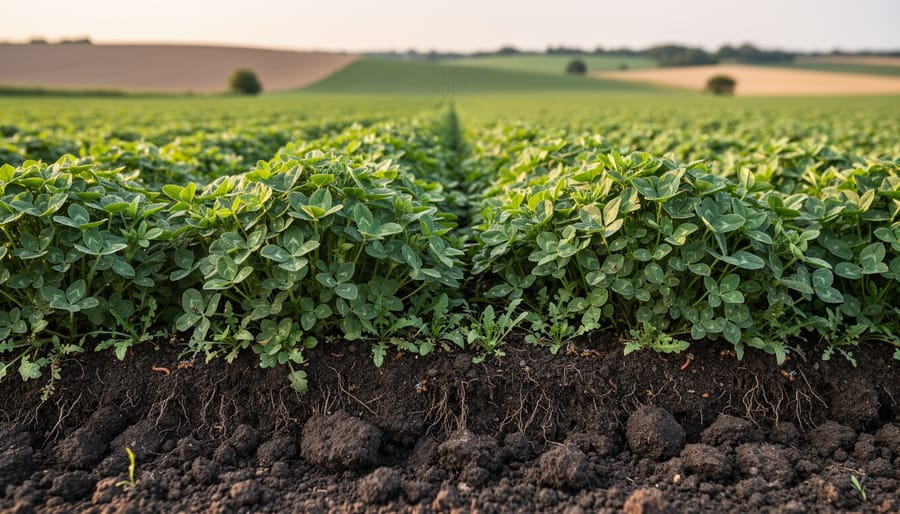
On a 240-hectare mixed farm near Lethbridge, Alberta, producer James Chen successfully reduced wild oats by 70 percent over three growing seasons using a combination of strategic grazing and red clover cover crops. “We started with small test plots, monitoring results carefully before expanding,” Chen explains. His approach integrated traditional farming practices with modern biological insights, demonstrating that patience and observation yield lasting results without compromising soil health or neighbouring ecosystems.
When and How to Use Targeted Interventions
When preventive measures and cultural controls aren’t enough to contain an invasive species outbreak, targeted interventions can protect your operation while minimizing environmental impact. The key is treating problem areas precisely rather than applying controls across entire fields.
Focus on spot treatments during early-stage infestations. For example, Alberta canola producer James Chen successfully contained Canada thistle patches by treating only 15% of his field, saving both money and beneficial insects in untreated areas. Apply organic-approved herbicides or biological controls when invasive plants are actively growing but before seed set—typically late spring through early summer in Alberta.
Timing matters significantly for effectiveness. Apply interventions during vulnerable life stages: target leafy spurge in spring when carbohydrate reserves are lowest, or address wild oats before they reach four-leaf stage. Monitor weather conditions carefully—avoid treatments before rain events that could wash products into waterways, and choose calm days to prevent drift.
Consider mechanical removal for localized infestations of woody invasives like buckthorn. Document treatment locations using GPS coordinates to track effectiveness and adjust your approach seasonally. Always maintain untreated buffer zones near waterways and pollinator habitats, typically 10-15 metres minimum, to protect beneficial species while controlling invasive ones effectively.
Building Your Farm’s Invasive Species Management Plan
Creating an effective invasive species management plan doesn’t need to be complicated. Think of it as building a system that protects your investment while fitting naturally into your daily farm routines.
Start with a baseline assessment. Walk your property and document current invasive species locations using GPS coordinates or simple field maps. Take photos and note the approximate area covered in square metres. This initial snapshot gives you something concrete to measure against as you implement control measures. Many Alberta farmers find that dedicating one afternoon each spring and fall to this monitoring creates a manageable rhythm.
Next, establish your monitoring schedule based on the species you’re dealing with. Fast-spreading plants like leafy spurge require monthly checks during the growing season, while slower invaders might only need quarterly monitoring. Record your observations consistently—a simple notebook or smartphone app works well. Note weather conditions, growth patterns, and any changes since your last visit.
Integrate control activities into existing farm operations whenever possible. If you’re already running equipment across certain fields, that’s your opportunity to address invasive plants mechanically. Schedule herbicide applications to coincide with other spray operations, reducing equipment time and fuel costs. This integration approach saved one central Alberta grain farmer over 15 hours per season while improving his results.
Build a treatment log that tracks what methods you used, when, and the results achieved. Include product names, application rates in litres per hectare, and costs. This documentation becomes invaluable for refining your approach and proving your stewardship efforts if needed for certification programs.
Finally, set realistic goals. Rather than aiming to eliminate every invasive plant immediately, focus on containment first. Prevent spread to uninfected areas, then systematically reduce populations in priority zones near waterways or high-value crops. Review and adjust your plan annually based on what the data tells you. Your management plan should evolve as your understanding grows and conditions change.
Resources and Support for Alberta Farmers
Alberta farmers have access to excellent resources for managing invasive species effectively. The Alberta Invasive Species Council (AISC) serves as your primary hub, offering species identification assistance, educational materials, and early detection reporting tools. Visit their website or call 1-855-336-BOAT (2628) to connect with specialists who understand your region’s specific challenges.
Financial support is available through several provincial programs. The Agricultural Service Board (ASB) Cost-Share Program helps offset control costs for designated invasive species like leafy spurge and wild boar. Contact your local Agricultural Fieldman to learn about current funding opportunities and application deadlines—these professionals provide free on-farm consultations and can develop customized management plans for your operation.
The Alberta Weed Control Act mandates reporting certain species, but this system also connects you to regional monitoring networks. Join your local Pest Management Group to share knowledge with neighbouring farmers who face similar challenges. These community networks often coordinate large-scale control efforts, making management more effective and affordable.
For technical guidance, Alberta Agriculture and Irrigation’s extension specialists offer workshops throughout the growing season. Their online portal features identification guides, control method comparisons, and economic impact calculators specific to Alberta crops. Many farmers find the quarterly e-newsletter particularly valuable for staying current on emerging threats and new management approaches proven effective in our climate.
Protecting your operation from invasive species isn’t just about addressing today’s challenges—it’s an investment in the long-term health and profitability of your land. The economic benefits are clear: every dollar spent on prevention saves up to ten dollars in control costs down the road, while preserved yields translate directly to your bottom line. Environmentally, maintaining diverse, resilient ecosystems means healthier soil, cleaner water, and more productive fields for generations to come.
You don’t need to tackle this alone. Connect with your neighbours, share observations at local agricultural meetings, and tap into regional expertise. Small, consistent actions—whether it’s cleaning equipment between fields, monitoring property boundaries weekly, or documenting new plant sightings—create significant results over time. These practices become second nature and form a protective barrier around your operation.
Your farm represents years of hard work and careful stewardship. Take the first step today: walk your property lines, identify one potential threat, and implement a targeted response. Protecting your legacy starts with action, and every effort you make strengthens Alberta’s agricultural future.