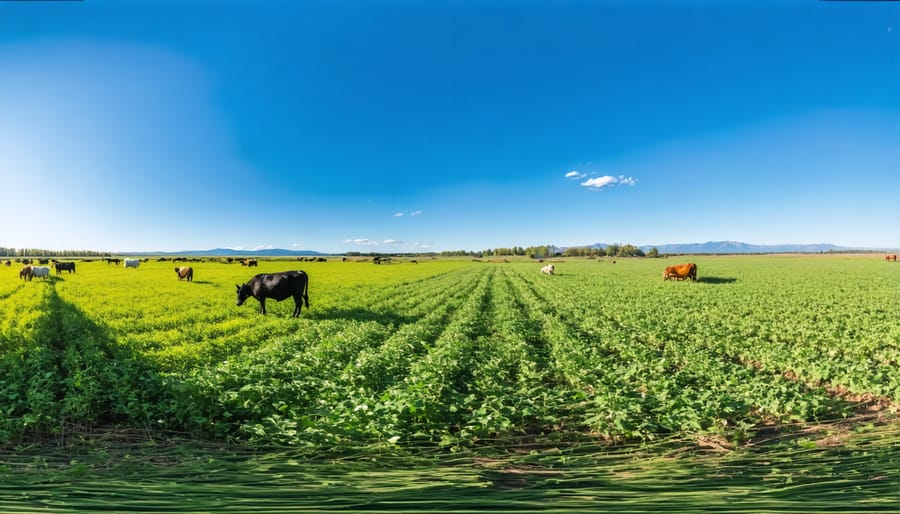
Canadian restaurants discard approximately 1.2 million tonnes of food annually, representing a $2.5 billion opportunity that savvy farmers are now capturing through strategic partnerships. By positioning your farm as a solution provider for restaurant food waste, you can access free or low-cost feed sources, create premium compost products, and establish reliable revenue streams while solving a critical problem for local food service operators.
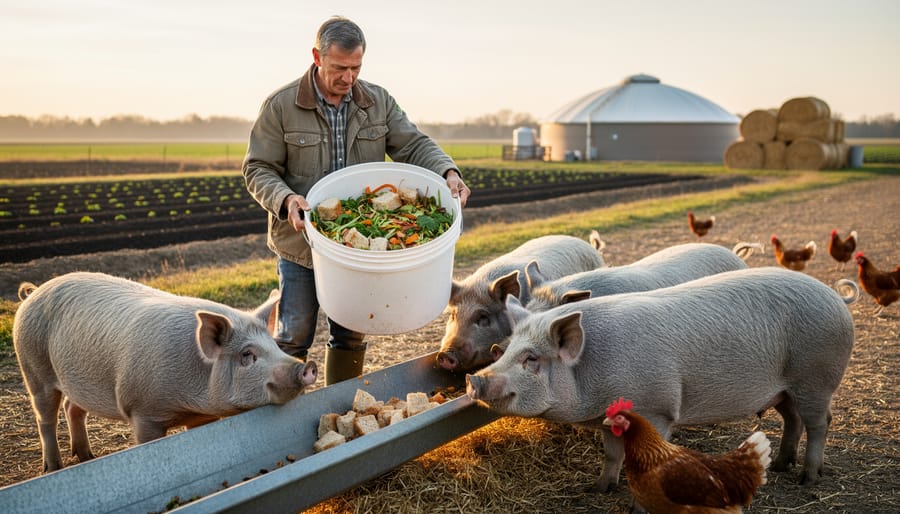
Transform restaurant food scraps into high-quality livestock feed by establishing collection agreements with establishments within 50 kilometres of your operation. Pigs efficiently convert vegetable trimmings, bread products, and cooked grains into protein, while chickens thrive on produce waste and bakery items. Ensure compliance with provincial feed regulations by maintaining proper documentation and separating meat products where required.
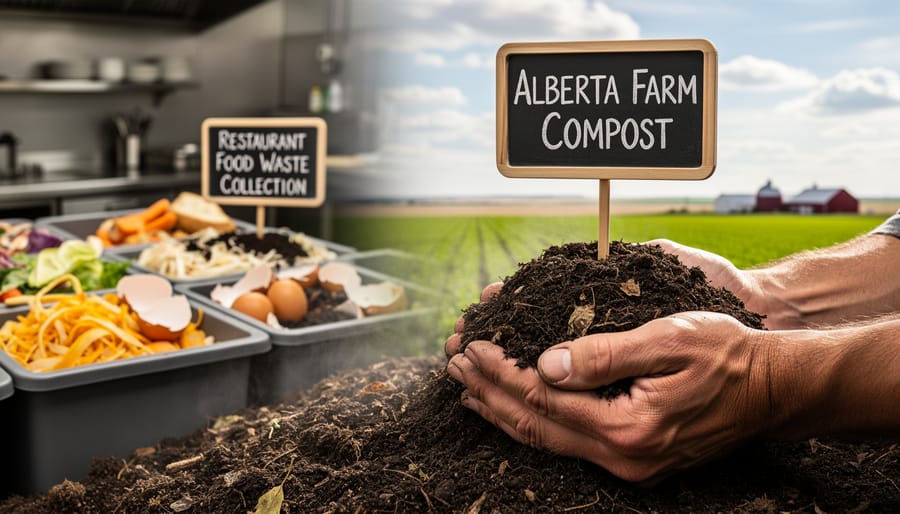
Develop commercial-grade compost operations using restaurant organics as your nitrogen-rich brown material base. A single mid-sized restaurant generates approximately 25 to 50 tonnes of compostable waste yearly, providing consistent feedstock for operations. Mix food waste at a 1:3 ratio with carbon materials like straw or wood chips, maintaining temperatures between 55 and 65 degrees Celsius to eliminate pathogens and produce marketable soil amendments.
Partner with restaurants to install on-site anaerobic digesters that convert food waste into biogas for heating operations while producing nutrient-rich digestate for your fields. Alberta farmers using this approach report reducing heating costs by 40 to 60 percent while eliminating tipping fees that restaurants previously paid to waste management companies.
The following strategies connect you directly with restaurant partners, outline practical implementation steps specific to Canadian agricultural contexts, and demonstrate how farmers across Alberta are already profiting from these waste-to-resource systems. Each solution includes equipment requirements, regulatory considerations, and financial projections based on real farm operations.
Why Restaurant Food Waste Matters to Canadian Farmers
The Numbers Behind Restaurant Waste in Alberta
Understanding the scale of restaurant food waste helps us recognize both the challenge and the opportunity ahead. In Canada, the food service sector generates approximately 630,000 tonnes of avoidable food waste annually, representing significant economic and environmental costs. While comprehensive Alberta-specific data remains limited, provincial estimates suggest restaurants across the region contribute roughly 80,000 to 100,000 tonnes yearly.
The financial impact is substantial. Canadian restaurants lose an estimated $1.2 billion annually through wasted food, with individual establishments typically discarding 4 to 10 percent of the food they purchase. For Alberta’s restaurant industry, this translates to approximately $150 to $180 million in preventable losses each year.
From an environmental perspective, this waste generates considerable greenhouse gas emissions when sent to landfills. Restaurant food waste produces approximately 2.5 tonnes of CO2 equivalent per tonne when it decomposes without oxygen. For Alberta farmers and agricultural professionals, these numbers represent more than just a problem. They signal a substantial resource opportunity. Those 80,000 to 100,000 tonnes of organic material could become valuable compost, livestock feed, or renewable energy inputs, creating new revenue streams while supporting more circular, sustainable food systems across the province.
The Farm Connection You’re Missing
Restaurant food waste represents an untapped revenue opportunity for Alberta farmers willing to think beyond traditional markets. What restaurants consider garbage, your farm operation can transform into valuable inputs—creating a win-win partnership that strengthens circular food systems across the province.
The numbers tell the story. A mid-sized restaurant generates approximately 11,340 kilograms of organic waste annually. That’s potential compost material, livestock feed, or biogas feedstock sitting in their dumpsters. Forward-thinking farmers are already capitalizing on this opportunity.
Consider composting partnerships: restaurants pay tipping fees to send waste to landfills, but they’ll often pay you less to collect it. You transform their pre-consumer scraps—vegetable trimmings, fruit waste, coffee grounds—into nutrient-rich compost that improves your soil quality and reduces fertilizer costs.
For livestock operations, restaurant food waste offers supplemental feed options. Some Alberta hog and poultry farmers are processing restaurant organics into feed supplements, following provincial regulations for safe handling. This reduces feed bills while solving a restaurant’s disposal problem.
Larger operations might explore biogas digesters that convert organic waste into renewable energy and nutrient-rich digestate for fields. The initial investment requires careful consideration, but government programs increasingly support these sustainability initiatives, making the economics more favorable than ever.
Composting Solutions That Work for Restaurants and Farms
On-Site Composting Systems
Restaurant-scale composting offers Alberta farmers a practical entry point into the food waste management sector. Small to mid-sized operations can start with simple windrow composting systems, requiring approximately 100 to 200 square metres of space and basic turning equipment. For restaurants generating 50 to 100 kilograms of food waste weekly, in-vessel composting units provide odour control and faster processing—typically 2 to 4 weeks versus several months for traditional methods.
Farmers can position themselves as composting service providers by collecting restaurant scraps on existing delivery routes, significantly reducing transportation costs. The resulting compost becomes a valuable soil amendment, improving soil health while creating a circular nutrient system between urban restaurants and rural farms.
Alberta’s Climate Change and Emissions Management Fund has previously supported composting infrastructure projects, making initial investments more feasible. Consider partnering with 2 to 3 local restaurants initially to establish consistent waste streams and refine your collection process. Municipal composting programs in Calgary and Edmonton demonstrate successful models, processing thousands of tonnes annually. Farmers entering this sector should verify their operations comply with provincial environmental guidelines and maintain proper carbon-to-nitrogen ratios of approximately 30:1 for optimal decomposition.
Collection and Partnership Programs
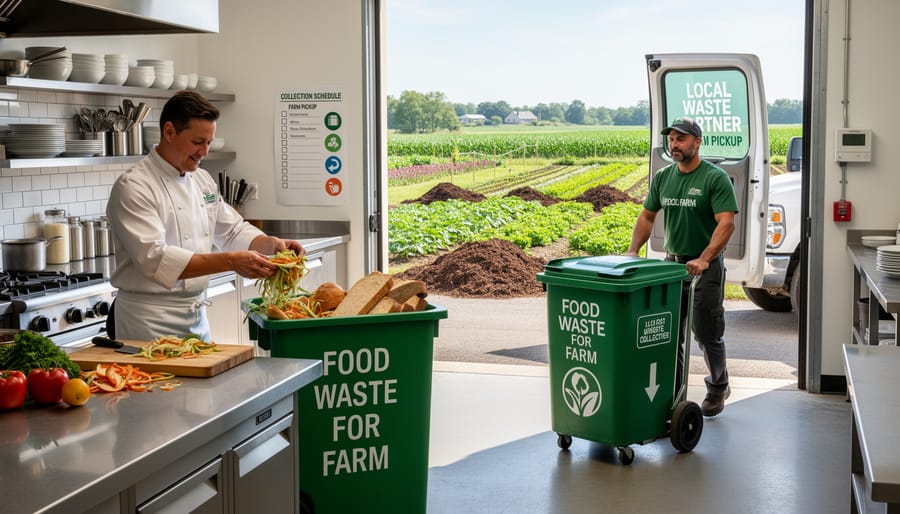
Establishing a reliable collection system starts with building relationships with restaurant partners in your area. Begin by identifying restaurants within a practical radius—typically 25 to 50 kilometres—to keep transportation costs manageable and emissions low. Reach out to restaurant managers directly, explaining how your farm can transform their food waste into valuable resources while helping them reduce disposal costs and meet sustainability goals.
Logistics require careful planning. Most restaurants generate between 25 to 115 kilograms of organic waste daily, so you’ll need appropriate collection containers, ideally 120-litre bins with secure lids. Schedule pickups during off-peak hours, typically early morning or late evening, to minimize disruption. Consider partnering with other nearby farms to share collection routes and reduce individual transportation burdens.
For partnership models, several approaches work well. Fee-for-service arrangements where restaurants pay for collection, free collection in exchange for the waste itself, or cooperative models where multiple farms share resources and responsibilities. Alberta farmer James Chen successfully operates a three-farm consortium, collecting from twelve Edmonton restaurants twice weekly. His advice: start small with two or three committed partners, prove your reliability, then expand gradually. Clear contracts outlining pickup schedules, acceptable materials, and liability provisions protect all parties and ensure long-term success.
Alberta Case Study: Farm-Restaurant Composting Success
Green Valley Farm, located 45 minutes northeast of Edmonton, transformed its operations in 2021 by partnering with seven local restaurants to manage their food waste. Owner Sarah Chen started with just two establishments, collecting approximately 180 kilograms of food scraps weekly using a simple pickup schedule every Tuesday and Friday morning.
The implementation proved straightforward. Participating restaurants received food-grade collection bins and clear guidelines on acceptable materials—vegetable trimmings, fruit waste, coffee grounds, and plate scrapings, but no meat or dairy initially. Chen integrated the material into her existing windrow composting system, mixing restaurant waste with straw and aged manure at a 2:1:1 ratio.
Within eight months, the finished compost improved soil organic matter across 24 hectares of vegetable production. Chen reported a 30 percent reduction in synthetic fertilizer costs and noticeably better water retention during Alberta’s dry summer months.
The financial model worked for everyone involved. Restaurants paid $85 monthly per bin for collection, generating $4,760 annually for the farm while saving restaurants up to $200 each month in waste hauling fees. Chen recently expanded to accept meat waste separately for a specialized hot composting process, adding three more restaurant partners and creating a replicable model other Alberta farms are now adopting.
Turning Restaurant Scraps Into Livestock Feed
Canadian Regulations and Food Safety Requirements
For Canadian farmers interested in utilizing restaurant food waste as livestock feed, understanding the regulatory landscape is essential to ensure both compliance and animal safety. At the federal level, the Canadian Food Inspection Agency (CFIA) oversees food waste used for animal feed through the Feeds Act and Feeds Regulations. These guidelines classify certain food waste streams and establish requirements for processing, handling, and documentation.
A key consideration is that food waste containing meat products requires different handling than vegetable-based waste. The CFIA prohibits feeding ruminants any material containing mammalian protein due to BSE (Bovine Spongiform Encephalopathy) prevention measures. However, restaurants’ vegetable trimmings, bread waste, and other plant-based materials can typically be fed to livestock with proper safeguards in place.
Provincial regulations add another layer, and Alberta farmers should consult Alberta Agriculture and Irrigation for specific provincial requirements. These often address transportation, storage conditions, and record-keeping obligations. For example, maintaining documentation showing the waste source and composition helps demonstrate due diligence.
Working with restaurants requires establishing clear protocols. Many successful farm-restaurant partnerships in Alberta include written agreements outlining what materials are acceptable, how they’ll be collected, and quality standards. This protects both parties and ensures compliance. Consider connecting with local agricultural extension services or CFIA representatives who can provide guidance tailored to your specific operation and livestock type, helping you navigate regulations confidently while accessing this valuable feed resource.
Which Waste Streams Work for Different Animals
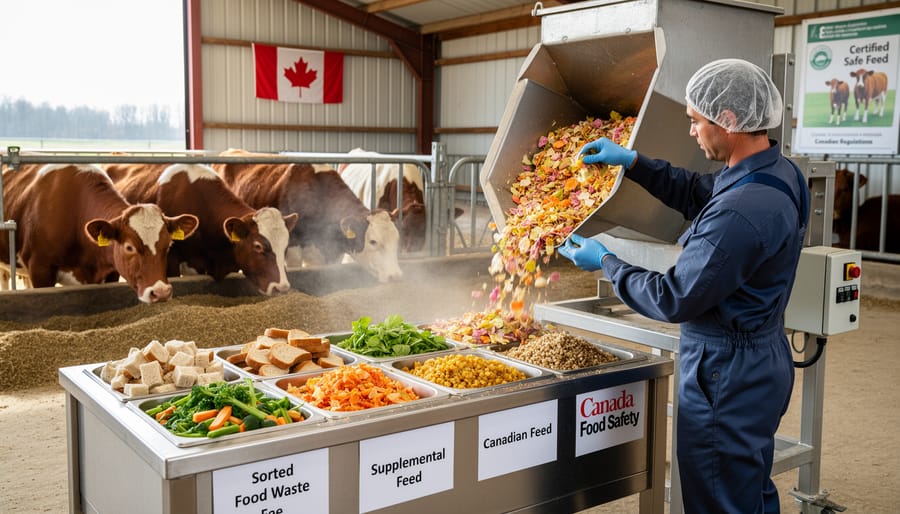
Matching the right waste streams to your livestock requires understanding both animal digestive systems and food safety regulations. Pigs are nature’s most versatile food recyclers, efficiently converting bread, vegetables, pasta, and most cooked foods into quality protein. Their digestive systems handle mixed waste well, making them ideal partners for restaurants producing varied menu scraps. Just remember that in Canada, any food waste fed to pigs must be heat-treated to prevent disease transmission.
Poultry thrives on grain-based waste like bread, rice, and pasta, along with vegetable scraps and fruit trimmings. Chickens particularly benefit from protein-rich items such as cooked eggs and dairy products. Keep portions moderate and avoid excessive salt or seasoning.
Cattle work well with vegetable prep waste, fruit trimmings, and bakery items. Their rumen efficiently processes fibrous materials that other animals can’t digest. However, limit their intake of restaurant waste to supplement their regular forage diet rather than replace it.
Always exclude meat products, deep-fried foods, and anything spoiled or moldy from any animal feed program. Work with your provincial agriculture office to ensure compliance with feed regulations. Alberta farmers successfully running these programs recommend starting small, monitoring animal health closely, and maintaining detailed records of waste sources and feeding practices.
Setting Up a Collection System
Setting up an efficient collection system starts with appropriate storage containers. Food-safe plastic bins with secure lids, typically 80 to 120 litres, work well for daily collection. Keep separate containers for different waste streams—vegetable scraps, bakery waste, and meat products each have different feeding applications and storage requirements. Refrigeration is essential for perishables, especially during warmer months, to prevent spoilage and odour issues.
Establish a consistent pickup schedule with restaurant partners, ideally two to three times weekly depending on volume. Morning collections before operational hours minimize disruption to kitchen staff. Create a simple logging system tracking pickup dates, volumes, and waste types to identify patterns and optimize routes.
Before feeding, inspect collected waste and remove packaging, contamination, and prohibited items like bones from certain species. Processing equipment like commercial food grinders helps create uniform feed consistency. Alberta farmers working with Edmonton-area restaurants report success using simple screening tables and grinding systems costing between $2,000 and $5,000. Start small with one or two restaurant partnerships to refine your system before scaling up operations.
Biogas and Energy Generation Opportunities
How Anaerobic Digestion Works with Food Waste
Anaerobic digestion offers Alberta farmers a proven method to transform restaurant food waste into valuable farm resources. This natural biological process breaks down organic material in an oxygen-free environment, similar to how a cow’s stomach digests feed.
Here’s how it works: Restaurant food waste enters a sealed digester tank where naturally occurring bacteria decompose the material at temperatures between 35-55°C. Over 15-30 days, this process produces two key outputs. First, biogas—a renewable energy source composed of 50-70% methane—can generate electricity, heat buildings, or fuel farm equipment. A mid-sized operation processing 10 tonnes of food waste daily can produce enough energy to power 50-75 homes. Second, the remaining material becomes nutrient-rich digestate, an excellent organic fertilizer containing nitrogen, phosphorus, and potassium.
This digestate supports nutrient cycling on your farm, reducing synthetic fertilizer costs by 30-40% while improving soil health. Several Alberta operations already partner with Edmonton and Calgary restaurants, collecting their food waste weekly and converting it into farm energy and fertility—turning disposal costs into profit opportunities.
Farm-Scale Implementation in Alberta
Setting up a biogas system to process restaurant food waste requires careful planning, but Alberta farmers have distinct advantages that make this opportunity particularly viable. The province’s established livestock sector, combined with proximity to urban restaurant markets in Edmonton and Calgary, creates ideal conditions for farm-scale anaerobic digestion.
From a practical standpoint, you’ll need suitable infrastructure including an anaerobic digester tank, storage facilities for both incoming food waste and finished digestate, and basic processing equipment. Initial capital investment typically ranges from $500,000 to $2 million for a farm-scale system, depending on capacity and sophistication. However, federal and provincial funding programs can offset 25-40% of these costs. The Investment Agriculture Foundation of British Columbia recently supported similar projects that Alberta farmers can learn from.
Feed-in tariff programs and renewable energy incentives available through Alberta’s electricity grid make the economics more attractive. Most systems reach break-even within 7-10 years when factoring in tipping fees from restaurants, electricity generation revenue, and the value of nutrient-rich digestate as fertilizer.
The key consideration is securing consistent feedstock supply. You’ll need agreements with multiple restaurants to guarantee the 10-15 tonnes of organic waste weekly that makes a farm-scale system economically viable. Transportation logistics matter too—partnering with waste haulers or coordinating with nearby farms can reduce collection costs.
Before proceeding, consult with Alberta Agriculture and Irrigation’s renewable energy specialists who provide free feasibility assessments. Their guidance helps ensure your operation meets provincial regulations while maximizing both environmental and financial returns.
Prevention Strategies: Helping Restaurants Reduce Waste at the Source
Custom Growing for Restaurant Needs
Growing crops specifically tailored to restaurant requirements creates a win-win situation that reduces waste before it happens. This approach involves direct communication between farmers and restaurant partners to align production with actual menu needs, eliminating the mismatch that often leads to surplus and disposal.
Start by establishing relationships with local restaurants to understand their precise specifications. A Calgary-area greenhouse grower successfully partnered with three restaurants, cultivating specific tomato varieties, herb quantities, and salad greens in exact weekly volumes based on each kitchen’s seasonal menus. This partnership reduced the restaurant’s produce waste by 40 percent while guaranteeing the farmer consistent sales.
Consider offering customized growing services where you adjust planting schedules, portion sizes, and variety selection based on restaurant demand. For instance, rather than growing standard 200-gram heads of lettuce, you might produce smaller 150-gram portions that align perfectly with restaurant plating needs. Some Alberta farmers have found success growing specialty items like microgreens or edible flowers in precise quantities, delivered twice weekly.
This model requires flexibility and communication but provides farmers with premium pricing, stable income, and the satisfaction of contributing directly to waste reduction throughout the food system.
Expert Interview: Chef and Farmer Collaboration
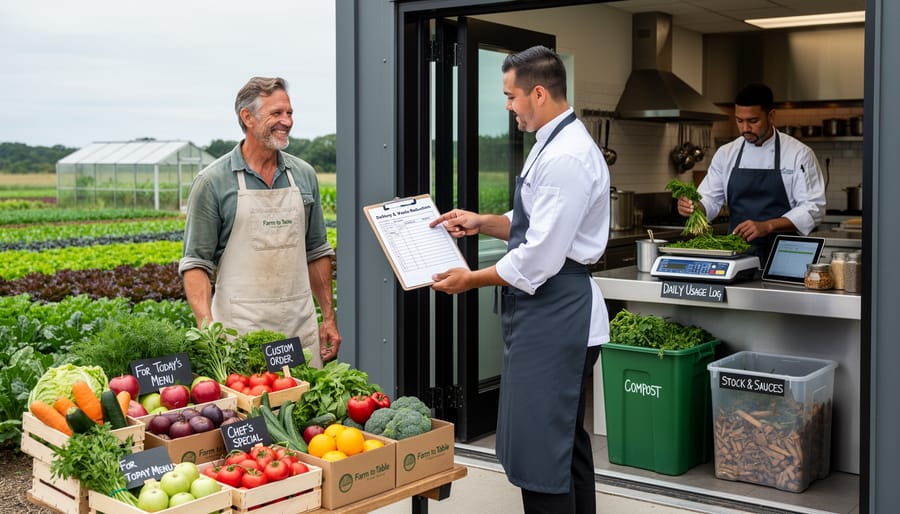
We spoke with Chef Michael Patterson from Edmonton’s Harvest Table Restaurant and his long-time supplier, grain farmer Sarah Chen from Leduc County, about their collaborative approach to reducing waste. Their partnership demonstrates how open communication creates benefits for both parties.
“Every Monday, Sarah and I connect about the week ahead,” Chef Patterson explains. “I tell her what I’m planning to feature, and she shares what’s ready on the farm. If she has Grade 2 wheat berries that won’t sell to commercial mills, I can use them for fresh-ground flour in our bread program.”
This planning system has reduced Chen’s on-farm waste by approximately 18 percent. “Michael takes produce that’s cosmetically imperfect but tastes incredible. Last month, I had 45 kilograms of misshapen carrots. Instead of composting them, they became his signature soup.”
The key to their success? Weekly check-ins and flexibility. “I adjust my menu based on what Sarah has available,” says Patterson. “It requires planning, but the quality and reduced costs make it worthwhile.”
Chen adds practical advice for farmers interested in similar partnerships: “Start small with one restaurant. Build trust by being reliable with deliveries and honest about quantities. Document everything to show the value you’re providing.”
Starting Your Own Restaurant Food Waste Program
Building Restaurant Relationships
Building successful partnerships with restaurants starts with understanding their pain points. Restaurant managers face increasing disposal costs and growing pressure to meet sustainability targets. When approaching potential partners, lead with solutions rather than sales pitches. Present specific data: explain how diverting their organic waste can reduce their monthly hauling fees by 30-50% while supporting local agriculture.
Schedule face-to-face meetings during slower business hours, typically mid-afternoon. Bring a clear proposal outlining pickup schedules, container requirements, and any compensation or cost-sharing arrangements. Many Alberta farmers have found success offering restaurants reduced rates on farm products in exchange for consistent waste streams.
Trust builds through reliability. Start with a trial period of 30-60 days, demonstrating your commitment to consistent pickup times and proper handling. Provide restaurants with quarterly reports showing the volume of waste diverted and environmental impact measured in tonnes of CO2 equivalent prevented.
Formalize agreements with simple contracts covering liability, pickup frequency, accepted materials, and termination clauses. Consider joining local restaurant associations or sustainable business networks where partnerships naturally develop. Several Edmonton-area farms have successfully connected with restaurant groups through the Alberta Food Waste Management Working Group, creating multi-venue collection routes that improve efficiency for everyone involved.
Equipment, Transport, and Logistics
Successfully collecting restaurant food waste requires thoughtful planning of your logistics. Start with food-grade containers that meet Canadian food safety standards—45 to 115 litre bins with secure lids work well for most operations. Consider separate containers for different waste streams if you’re collecting both compostable materials and items suitable for livestock feed.
Transportation depends on your collection volume and distance. Many Alberta farmers begin with a pickup truck and gradually expand to refrigerated transport for larger operations requiring temperature control. Plan collection routes that minimize fuel costs while maintaining food freshness—most restaurants prefer pickups two to three times weekly.
Storage infrastructure is essential. Designate a cool, covered area on your farm for incoming materials, keeping them separate from your regular feed or compost until properly processed. In Alberta’s climate, insulated storage helps manage seasonal temperature variations.
Create a realistic collection schedule that aligns with restaurant waste production patterns and your farm operations. Weekend pickups may be heavier due to increased dining volumes. Document pickup times, quantities collected (measured in kilograms), and any issues to refine your system. Building strong communication channels with restaurant partners ensures smooth operations and quick problem resolution when scheduling conflicts arise.
Making It Financially Viable
Before launching a restaurant food waste program, run the numbers carefully. Start by calculating your processing costs—equipment, labour, transportation—against potential revenue streams. Many Alberta farmers successfully charge restaurants $50-150 per cubic metre for composting services, or negotiate free waste pickup in exchange for finished compost. Consider offering tiered pricing: premium rates for weekly pickups, discounts for restaurants that pre-sort waste effectively.
Equipment investment varies widely. Basic windrow composting requires minimal startup capital—perhaps $2,000-5,000 for bins and turning tools. In-vessel systems or biogas digesters demand significantly more, ranging from $15,000 to over $100,000, making grants essential. Explore funding through the Canadian Agricultural Partnership, Alberta’s On-Farm Climate Action Fund, or municipal waste diversion programs. Some farmers offset costs by partnering with waste management companies who provide containers and transport.
Keep overhead manageable by integrating waste processing into existing operations. Schedule restaurant pickups during regular delivery routes. Process waste alongside farm organic matter. Track your time meticulously during the first six months to ensure the venture complements rather than competes with core farming activities. If margins tighten, adjust pickup frequency or minimum volume requirements. The goal is creating a sustainable side revenue stream that strengthens your farm’s resilience without overwhelming your resources.
Restaurant food waste solutions create powerful opportunities that benefit both the food service industry and agricultural producers across Canada. By partnering with restaurants to divert organic waste, farmers gain access to valuable resources that improve soil health, reduce input costs, and open new revenue streams. These collaborations strengthen local sustainable food systems while contributing meaningfully to climate action through reduced methane emissions and enhanced carbon sequestration.
The economic and environmental advantages are clear. Whether you’re composting restaurant organics, incorporating food waste into livestock feed programs, or exploring biogas production, each approach offers practical pathways to diversify your farm operation. Alberta producers who have embraced these solutions report improved soil fertility, lower fertilizer expenses, and stronger connections with their local communities.
Starting doesn’t require a massive investment or complete operational overhaul. Begin by reaching out to one or two local restaurants to discuss their waste management needs. Consider small-scale composting trials or connecting with existing collection programs in your area. Provincial resources through Alberta Agriculture and the Organic Alberta network provide guidance, while organizations like the National Zero Waste Council offer toolkits specifically designed for Canadian contexts.
The relationship between restaurants and farms in addressing food waste represents more than waste management. It’s about building resilient agricultural systems, supporting climate solutions, and creating economic opportunities that keep resources and value within our communities.