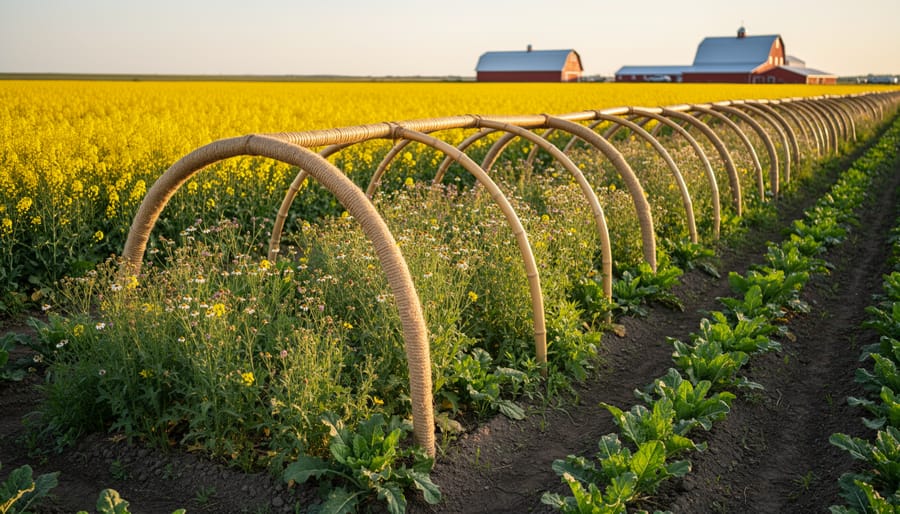
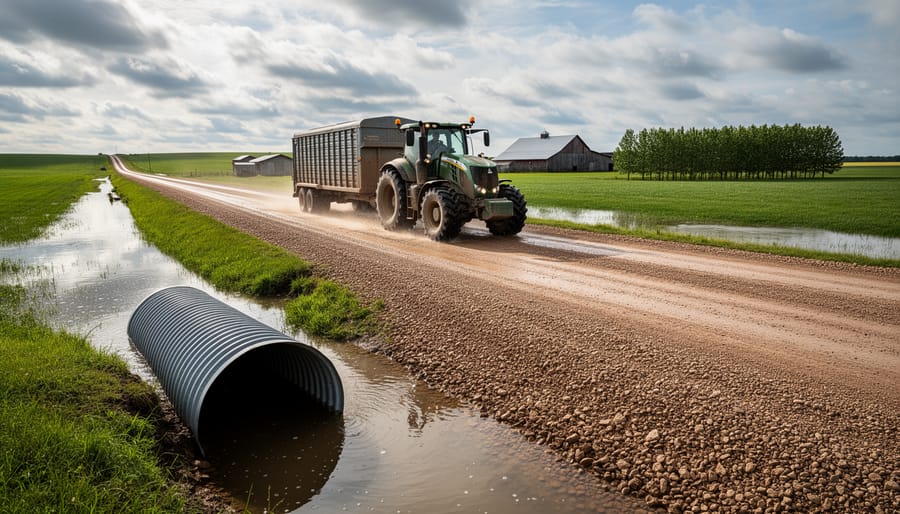
Assess your farm’s transportation vulnerabilities by mapping all access routes, identifying bottlenecks where seasonal flooding or snow accumulation cuts off movement, and documenting alternative paths for equipment, livestock, and product delivery. Walk your property after spring melt and heavy rains to pinpoint washout-prone areas, culverts requiring reinforcement, and sections where road base deteriorates rapidly.
Invest in all-weather road surfaces for critical routes by installing proper drainage systems with adequately sized culverts, adding geotextile fabric beneath gravel to prevent rutting, and crowning roads to shed water effectively. A well-constructed farm road costs between $15,000 to $25,000 per kilometer but eliminates costly delays during harvest and calving seasons when timing matters most.
Establish cooperative transportation agreements with neighboring operations to share road maintenance costs, equipment access, and emergency route alternatives. Alberta producers facing extreme weather events have successfully pooled resources for grader rentals, culvert installations, and snow removal, reducing individual expenses by 40 to 60 percent while improving everyone’s reliability.
Maintain strategic equipment placement across your operation rather than centralizing everything in one location. Store essential machinery, fuel supplies, and emergency feed near multiple access points so production continues even when primary routes become impassable. This redundancy proves invaluable during spring breakup periods and unexpected weather events that increasingly challenge prairie transportation infrastructure.
What Makes Farm Transportation ‘Resilient’?
Beyond Having a Backup Truck
When most farmers think about transportation backup plans, they picture a spare truck in the shed or a neighbor’s trailer they can borrow. While having backup equipment matters, true resilience goes much deeper. It’s about building systems that keep your operation moving even when disruptions hit.
Consider the difference: A backup truck helps when your primary vehicle breaks down, but what happens when roads wash out, fuel deliveries stop, or extreme weather makes travel dangerous for days? Resilient transport systems address these broader challenges through multiple strategies working together.
This means developing relationships with multiple suppliers who can access your farm via different routes. It includes maintaining on-farm fuel storage to weather supply interruptions. Resilient systems also involve coordinating with neighbors to share equipment and transportation during peak periods or emergencies, reducing everyone’s vulnerability.
Think of it as creating layers of protection. Each layer catches problems the others might miss. Manitoba farmer Tom Chen learned this during the 2022 spring floods when his usual grain buyer became inaccessible for three weeks. Because he’d previously established connections with two alternative buyers accessible from different directions, he maintained deliveries throughout the disruption. That’s resilience in action—planning that anticipates the unexpected and keeps operations running regardless of which challenge arrives at your gate.
The Real Cost of Transportation Failures
Transportation failures hit farm operations harder than many realize, creating cascading financial losses that extend far beyond immediate repair costs. When Alberta grain farmers miss narrow harvest weather windows due to impassable roads, losses can reach $75 to $150 per acre from downgraded quality or spoilage. A recent Manitoba vegetable operation lost $28,000 worth of premium tomatoes when spring flooding delayed transport by just 48 hours, dropping products from fresh market pricing to processing rates.
Delayed input delivery creates equally significant impacts. Saskatchewan canola producers who couldn’t access seed and fertilizer during critical spring planting windows reported yield reductions of 15 to 25 percent, translating to $50 to $80 per acre in lost revenue. These disruptions also force farmers into premium freight arrangements, with emergency transport costs running 200 to 400 percent higher than standard rates.
The livestock sector faces particularly acute challenges. When winter storms block feed deliveries to central Alberta cattle operations, producers face difficult choices between paying inflated emergency transport fees or compromising herd nutrition, both scenarios directly impacting profitability and animal welfare during critical periods.
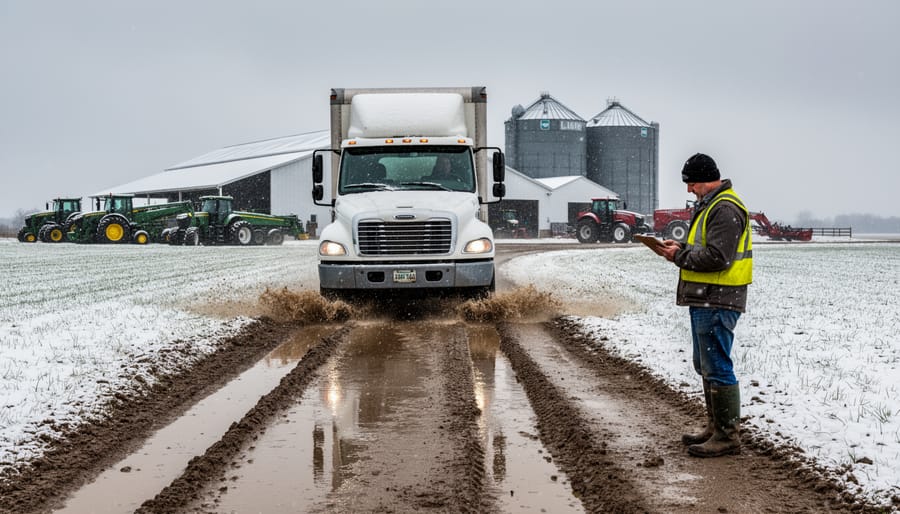
Assessing Your Farm’s Transportation Vulnerabilities
Critical Access Points and Single-Point Failures
Every farm operation relies on routes that might seem redundant—until one fails. A washed-out bridge, a flooded access road, or a single damaged culvert can completely halt your ability to move livestock, deliver grain, or receive supplies. Identifying these vulnerable points before an emergency hits gives you time to develop alternatives.
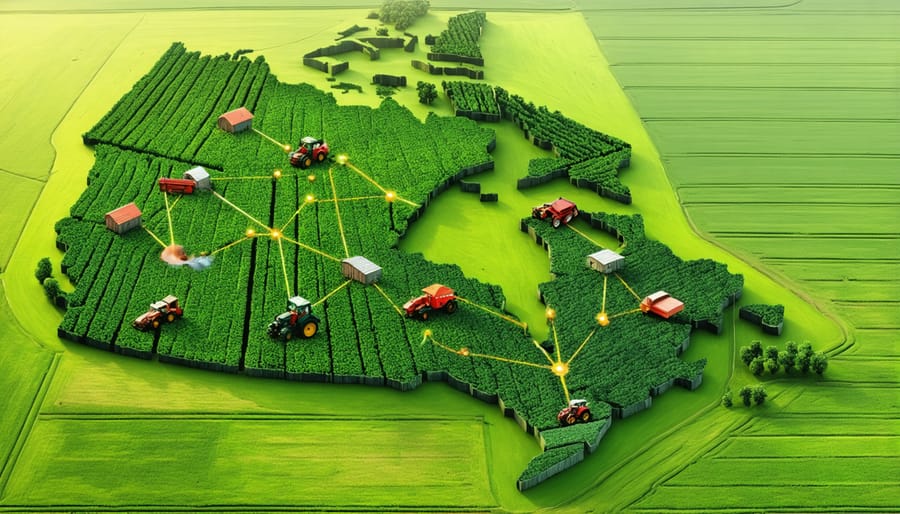
Start by creating a simple vulnerability map of your property and surrounding area. Take a large sheet of paper or use a digital mapping tool, and mark every route you regularly use: the main highway access, secondary roads to grain elevators, paths to pastures, and connections to neighbouring properties. Now identify single points of failure—spots where there’s only one way through. Common examples include bridges over creeks, low-lying sections prone to flooding, narrow roads shared with multiple farms, and railway crossings without alternate routes.
For each critical point, ask yourself: What happens if this becomes impassable? How long would repairs typically take? What’s the detour distance, and is it suitable for heavy equipment? Document seasonal vulnerabilities too, as some routes work fine in summer but fail during spring thaw or heavy snow.
Consider interviewing neighbours who’ve farmed longer in your area. They often remember historical failures—that bridge that washed out in 2013, or the winter when the township road became impassable for three weeks. Their experience helps you anticipate which vulnerabilities matter most.
Once you’ve identified these pressure points, you can prioritize solutions: building secondary access routes, reinforcing critical infrastructure, or establishing agreements with neighbours for emergency access through their properties. The worksheet approach transforms vague concerns into actionable intelligence.
Seasonal and Weather-Related Risks
Alberta’s diverse climate creates distinct transportation challenges throughout the year. Spring flooding remains the most significant threat to farm roads, with rapid snowmelt and heavy rainfall washing out culverts and creating impassable sections. In 2013, southern Alberta experienced catastrophic flooding that isolated many operations for weeks, highlighting the vulnerability of rural infrastructure. Proactive measures like installing larger culverts, creating proper drainage channels, and elevating critical access points can prevent costly disruptions.
Winter presents its own obstacles. Snow accumulation and ice formation can block essential routes for days, delaying livestock feed deliveries and equipment transport. Many farmers now budget for winter road maintenance, including agreements with neighbors for shared snow removal equipment and costs.
Summer drought conditions, while less immediately dramatic, gradually deteriorate unpaved roads. Without adequate moisture, road surfaces become dusty and develop deep ruts that damage vehicles and slow transport. Some operations apply calcium chloride or compact gravel to maintain road integrity during dry periods. Understanding these seasonal patterns allows you to plan infrastructure improvements strategically, ensuring year-round access to your operation regardless of weather conditions.
Equipment Dependency Mapping
Understanding which vehicles and operators your farm depends on helps reveal potential weak points in your transportation network. Start by creating a simple inventory of equipment critical to your operations—tractors, grain trucks, livestock trailers, and any specialized haulers you rely on regularly. Note the age, condition, and maintenance history of each piece.
Identify single points of failure by asking: if this vehicle broke down tomorrow, could operations continue? Many Alberta farms depend on one primary grain truck during harvest, creating significant vulnerability during peak seasons. Similarly, relying on a single livestock hauler without backup arrangements can disrupt time-sensitive animal transport.
Map out your operator dependencies too. Do you have only one person certified to transport dangerous goods or operate specific equipment? Consider cross-training family members or employees to reduce reliance on individuals.
Review your relationships with custom operators and transportation services. If your regular grain hauler became unavailable, who would you call? Building relationships with backup contractors before emergencies arise ensures you’re not scrambling during critical periods. Document contact information and service capabilities for primary and secondary options across all transportation needs.
Building Redundancy Into Your Transportation System
Multi-Purpose Equipment Strategies
Selecting equipment that serves multiple roles helps you maintain operational flexibility while minimizing capital investment and maintenance requirements. Start by identifying your core transportation needs throughout the year, then prioritize equipment that addresses the most scenarios.
Consider tractors with quick-attach systems that accommodate various implements, from snow removal blades to grain carts and material handlers. A utility tractor with front-end loader capabilities can clear roads, move feed, handle maintenance tasks, and assist with harvest operations. This versatility proves invaluable when primary equipment fails or roads become impassable.
All-terrain vehicles equipped with cargo boxes, spray systems, and towing packages offer year-round utility for field checks, light hauling, and emergency access. Many Alberta farmers find side-by-sides with enclosed cabs particularly effective for winter operations while remaining useful during growing season.
When evaluating implements, focus on interchangeable attachments. A skid-steer loader with bucket, pallet fork, and blade attachments provides solutions for material handling, snow management, and site preparation. Track systems that convert wheeled equipment for winter use extend functionality without requiring separate machines.
Prairie Edge Farms near Olds, Alberta demonstrates this approach effectively. Their three-tractor operation handles grain farming, custom baling, and winter snow clearing by rotating implements seasonally. This strategy reduced their equipment roster by 40 percent while maintaining reliable access during challenging conditions.
Choose equipment with proven durability in Canadian climates and readily available parts support locally.
Community-Based Transportation Networks
When transportation challenges strike, your neighbours and fellow producers can become your most valuable asset. Community-based transportation networks create safety nets that help farms continue operating even when individual systems fail.
Cooperative equipment sharing represents a practical first step. By pooling resources like backup vehicles, trailers, and specialized equipment, farmers reduce individual costs while increasing collective resilience. These arrangements work best with clear written agreements outlining usage schedules, maintenance responsibilities, and fuel cost sharing. Start small with one or two trusted neighbours before expanding the network.
The Heartland Farm Cooperative in central Alberta demonstrates this approach’s effectiveness. When spring flooding closed major highways in 2022, twelve member farms maintained supply chains through their shared equipment pool and coordinated delivery schedules. Their pre-established communication system allowed rapid response, with members using alternative routes and backup vehicles to transport feed, veterinary supplies, and urgent equipment parts. The cooperative saved members an estimated $45,000 in emergency transportation costs during that three-week period.
Building your own network begins with conversations at local agricultural meetings or commodity group gatherings. Identify farms with complementary needs and compatible values around equipment care and reliability. Document everything, from vehicle condition reports to usage logs, protecting all parties involved.
Regional support systems extend beyond immediate neighbours. County-level farm organizations increasingly coordinate transportation assistance during emergencies, connecting producers with available resources across larger geographic areas. Contact your local agricultural service board to learn about existing programs or help establish new cooperative frameworks in your region.
Alternative Route Planning
Planning alternative routes before you need them is essential for maintaining farm operations during road closures or seasonal challenges. Start by mapping all possible access points to your property, including older trails, range roads, and neighbouring connections. Walk or drive these routes during different seasons to identify potential obstacles like low-lying areas prone to flooding or sections requiring additional grading.
Establish agreements with neighbours for emergency passage rights, documenting these arrangements formally. Many Alberta producers maintain seasonal roads specifically for spring breakup periods when primary routes become impassable. Consider gravel upgrades for critical secondary routes and install culverts where drainage issues occur regularly.
Keep detailed maps with GPS coordinates of alternative routes in your vehicle and share them with delivery drivers and service providers. This proactive approach supports supply chain resilience by ensuring multiple access options year-round. Budget for basic maintenance of backup routes, as overgrown or deteriorated passages won’t serve you during emergencies when you need them most.
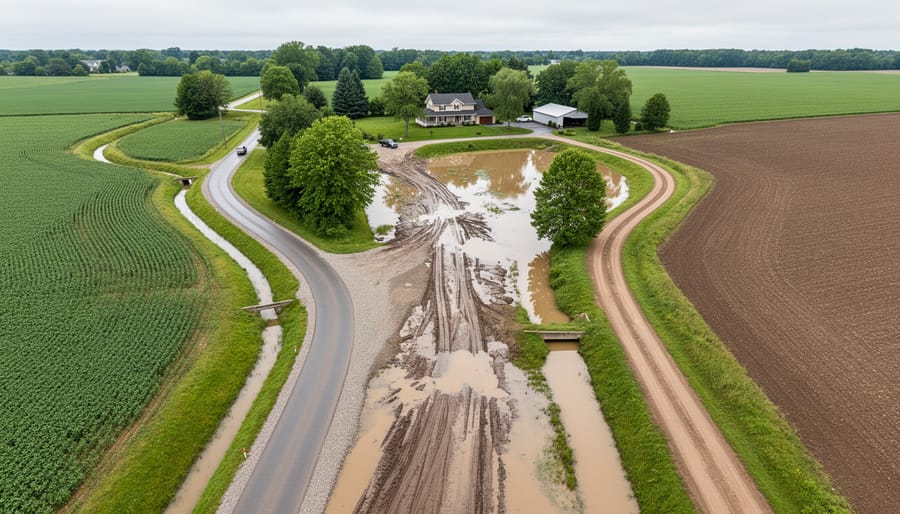
Infrastructure Solutions for All-Weather Access
Cost-Effective Road Improvements
Maintaining farm roads doesn’t require expensive contractors or heavy equipment investments. Start with proper grading techniques using your existing tractor and blade attachment. Crown your roads by building a slight elevation in the centre, typically 15-20 cm higher than the edges, allowing water to sheet off both sides rather than pooling and creating ruts.
Implement cost-effective drainage solutions by installing cross-drains every 75-100 metres using recycled culverts or by cutting shallow water bars at 30-degree angles across the road surface. These simple interventions prevent erosion during spring melt and heavy rainfall events common in Alberta.
For surface treatments, consider local materials like crushed gravel or recycled concrete from nearby demolition sites, which often cost 40-60% less than new aggregate. Apply a 10-15 cm compacted layer to high-traffic areas first, prioritizing routes to storage facilities and main access points.
Manitoba farmer Dale Herriot reduced his annual road maintenance costs by 70% after implementing a strategic grading schedule, performing light maintenance after each major weather event rather than waiting for severe deterioration. In rural areas where commercial services are limited, forming equipment-sharing cooperatives with neighbours can spread costs while maintaining access across multiple properties during challenging conditions.

Strategic Storage and Staging Areas
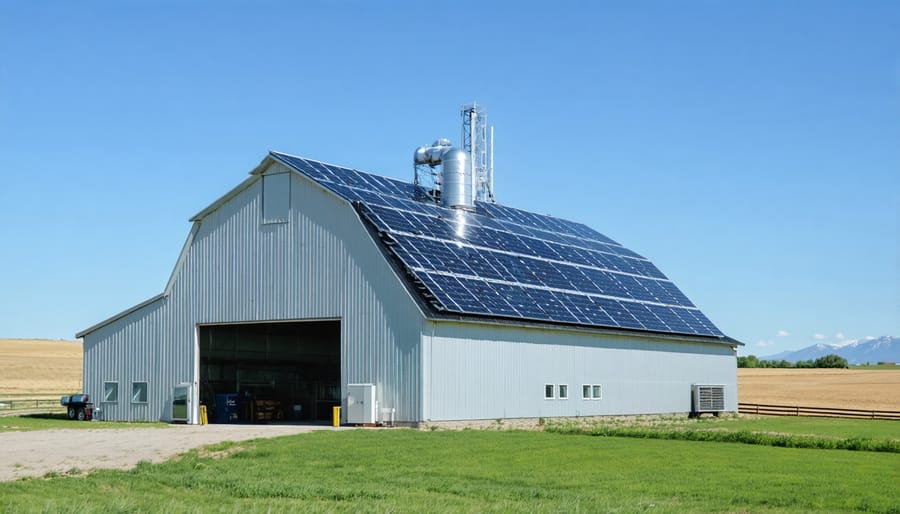
Strategic positioning of storage and staging areas can significantly reduce your vulnerability to transportation disruptions. By locating key supplies closer to where you need them, you’ll maintain operations even when main routes become impassable.
Start by mapping your farm’s critical flow points. Where do inputs like feed, fuel, and seed need to be accessed most frequently? Position smaller satellite storage locations near these high-use areas rather than relying solely on a central storage facility. A grain producer near Red Deer implemented this approach by establishing three strategically placed fuel storage sites across his 2,000-hectare operation, reducing average travel distances by 40 percent during spring flooding.
Consider elevation and accessibility when selecting storage sites. Higher ground naturally provides better drainage and maintains access during wet conditions. Ensure each location connects to multiple access routes whenever possible.
For perishable inputs or time-sensitive operations, maintain buffer stocks at staging areas closest to livestock facilities or processing areas. This reduces your exposure to supply chain delays and keeps critical operations running during short-term disruptions. Even modest storage capacity, like an extra week’s worth of livestock feed positioned strategically, provides valuable breathing room when unexpected transportation challenges arise.
Water Crossing and Drainage Management
Water management is critical for maintaining year-round farm access across Alberta’s diverse landscapes. Properly sized culverts prevent washouts during spring melt and summer storms. When selecting culverts, calculate peak flow rates based on your watershed area and use minimum diameters of 450mm for field approaches and 600mm for main access routes. Installing culverts at least 300mm below the road surface with 150mm of granular cover prevents frost heaving and extends lifespan.
For temporary crossings during wet periods, Alberta farmers have found success with geotextile fabric layered beneath crushed rock. This system distributes weight while allowing water drainage. Raymond Johnson, a grain producer near Lacombe, installed this solution across a seasonal creek, maintaining equipment access even during peak runoff.
In flood-prone areas, consider elevated approaches or alternative routing. The Bow River irrigation district improved resilience by creating parallel access routes, ensuring critical infrastructure remains reachable when primary roads flood. Regular maintenance, including cleaning culvert inlets and outlets before spring thaw, prevents blockages that cause road failure. Document high-water marks to guide future infrastructure improvements and protect your operation’s transportation network.
Technology and Communication for Transportation Resilience
Weather Monitoring and Route Planning Apps
Alberta farmers can significantly reduce transportation disruptions by leveraging provincial weather services and road condition resources. Alberta 511 provides real-time highway conditions, including winter road maintenance updates, closures, and travel advisories specific to rural routes. This free service offers both a website and mobile app, allowing you to check conditions before heading out with equipment or livestock.
Environment and Climate Change Canada’s weather alerts deliver localized forecasts crucial for planning grain hauling or equipment moves. Many Alberta farmers now integrate weather monitoring tools directly into their farm management systems, setting up automated notifications for wind warnings, blizzards, or freezing rain that could strand trucks or damage loads.
Consider using apps like WeatherCAN for hyper-local forecasts and road condition tracking tools together. Plan critical transportation tasks during forecasted weather windows, and always have alternate routes mapped using both primary highways and grid road options. Building a 48-72 hour planning buffer for non-urgent trips gives you flexibility when conditions deteriorate unexpectedly. Keep emergency supplies in vehicles year-round, including blankets, water, and non-perishable food for both drivers and any livestock being transported.
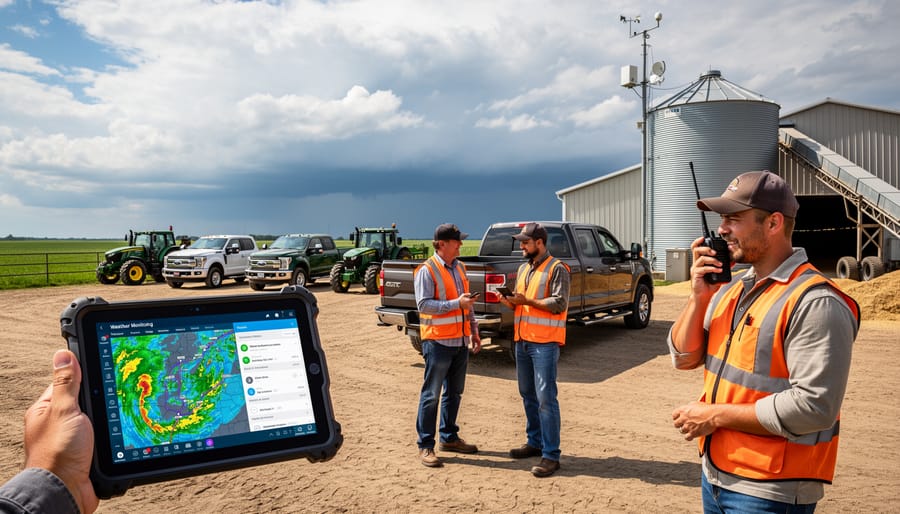
Coordination Systems for Shared Resources
When roads become impassable or equipment fails during critical periods, having clear systems to share community resources can mean the difference between getting your crop to market or watching it spoil. Establishing simple coordination protocols before emergencies strike ensures everyone knows how to access help when they need it most.
Start with a shared communication platform that works reliably in your area. Many Alberta farming communities successfully use closed WhatsApp or Facebook groups where members can quickly post equipment availability, road conditions, or urgent needs. Some regions maintain community radio channels specifically for farm emergencies, which remain functional even when cell service falters.
Create a simple resource inventory that lists available equipment, vehicles, and skilled operators within your agricultural network. Include contact information and basic specifications like towing capacity or cargo space. Mount McKay Farms near Pincher Creek maintains a shared Google spreadsheet that tracks everything from grain augers to 4×4 trucks, updated seasonally as equipment availability changes.
Establish clear protocols for borrowing and lending. Document basic expectations around fuel replacement, maintenance responsibilities, and priority usage during peak seasons. Written agreements, even simple ones, prevent misunderstandings when stress runs high. Consider organizing an annual community meeting to review these systems, add new participants, and update contact lists. Building these relationships during calm periods creates the trust foundation that makes emergency coordination seamless.
Expert Perspective: Building Transportation Resilience on a Working Farm
We sat down with Tom Henderson, a fifth-generation grain and cattle producer near Lethbridge, Alberta, who has spent the past eight years transforming his farm’s transportation infrastructure to withstand increasingly unpredictable weather patterns.
“Back in 2015, we lost access to our south quarter for three weeks during spring seeding because the rural road washed out,” Tom recalls. “That was our wake-up call. We couldn’t just keep hoping for good weather or waiting for the county to fix things on their timeline.”
Tom’s operation spans 1,200 hectares, with fields distributed across several parcels connected by a mix of municipal roads and private lanes. His first step was mapping every route on and off the farm, identifying bottlenecks and vulnerable points. “I marked where water pooled, where frost heaving was worst, and where we’d been stuck before,” he explains.
His multi-year solution combined several approaches. He installed 400 meters of culverts along his main farm lane, sized larger than standard recommendations to handle heavy spring runoff. “The extra investment in 750-millimeter culverts instead of 600-millimeter ones has paid for itself three times over,” Tom notes. He also established secondary access routes to critical areas, ensuring at least two ways to reach every field and building.
One of his most practical innovations was creating a gravel stockpile near problem areas. “We keep 50 tonnes of three-quarter-inch crushed gravel ready. When conditions deteriorate, we can address soft spots immediately rather than losing days waiting for delivery,” he says.
The measurable results speak volumes. Since implementing these changes, Tom hasn’t lost a single day of field access during critical windows. His fuel costs decreased by 12 percent as equipment no longer struggles through poor conditions. Most significantly, he can reliably meet grain delivery contracts and livestock transport schedules regardless of weather.
“Transportation resilience isn’t glamorous, but it’s foundational,” Tom emphasizes. “You can have the best equipment and management practices, but if you can’t move products when needed, you’re leaving money on the table.”
His advice for fellow farmers is straightforward: start small, prioritize the most critical routes first, and document everything to justify future investments.
Creating Your Farm Transportation Resilience Plan
Immediate Actions vs. Long-Term Investments
When planning farm infrastructure improvements, it’s essential to balance quick fixes with strategic long-term planning. Start by assessing your transportation vulnerabilities using a simple risk matrix: identify which routes or access points fail most often and which interruptions cost you the most money or time.
Immediate actions typically cost under $5,000 and can be completed within weeks. These include stockpiling gravel for emergency repairs, installing culvert markers for winter visibility, and establishing agreements with neighbors for alternate routes during closures.
Long-term investments require more capital but provide lasting resilience. Consider upgrading critical access roads with proper drainage systems, installing all-weather crossing structures, or participating in rural municipality road improvement programs. Prioritize projects that address your highest-risk areas first.
A practical approach used by many Alberta producers involves the 70-30 rule: allocate 70 percent of your budget to immediate, high-impact fixes that solve current problems, and reserve 30 percent for strategic improvements that prevent future disruptions. This framework ensures you’re protected today while building towards a more resilient tomorrow.
Annual Review and Adaptation
Building a resilient transportation system isn’t a one-time project – it requires ongoing attention as your operation grows and climate patterns shift. Schedule an annual review each fall, after harvest, when you have a clearer picture of what worked and what didn’t throughout the season.
Start by documenting any transportation disruptions you experienced: washouts, impassable roads, delayed deliveries, or equipment access issues. Compare actual weather events against your initial risk assessment. Did spring flooding arrive earlier than expected? Were summer storms more intense? These observations help refine your preparedness strategies.
Walk your key access routes and inspect critical infrastructure like culverts, bridges, and road surfaces. Note any erosion, drainage problems, or deterioration that needs addressing before the next challenging season. Alberta farmer Tom Mitchell from Leduc County makes this assessment part of his annual maintenance routine, catching small issues before they become expensive failures.
Review your emergency response procedures with family members and staff. Update contact lists for contractors, neighbours, and municipal services. Consider new equipment needs based on the past year’s challenges – perhaps that four-wheel-drive utility vehicle would have prevented three separate access issues.
Finally, connect with your local agricultural extension office or regional transportation planning committees. They often have updated climate projections and infrastructure funding opportunities that can support your adaptation efforts, keeping your farm accessible regardless of what conditions emerge.
Building resilient transportation for your farm operation isn’t about achieving perfection or having flawless infrastructure that never fails. It’s about creating workable alternatives when your primary systems encounter disruptions, whether that’s a washed-out access road, a frozen fuel line, or a major equipment breakdown during harvest.
The most resilient farms are those with options. Start with one manageable improvement that addresses your most pressing vulnerability. Maybe that’s establishing a relationship with a neighbouring farmer who can provide backup equipment access, or identifying an alternative route during spring thaw. Small steps create momentum and often reveal solutions you hadn’t initially considered.
Community collaboration amplifies individual efforts. When farmers share resources, coordinate road maintenance, or develop mutual aid agreements, everyone’s operation becomes more stable. These partnerships don’t require formal structures or significant investment, just open communication and a willingness to help when needed.
Remember that practical, implemented solutions always outperform elaborate plans that never materialize. Your farm’s resilience grows with each connection you strengthen, each backup plan you establish, and each lesson learned from past disruptions. The goal is steady improvement, not overnight transformation, building a transportation network that keeps your operation moving forward regardless of conditions.