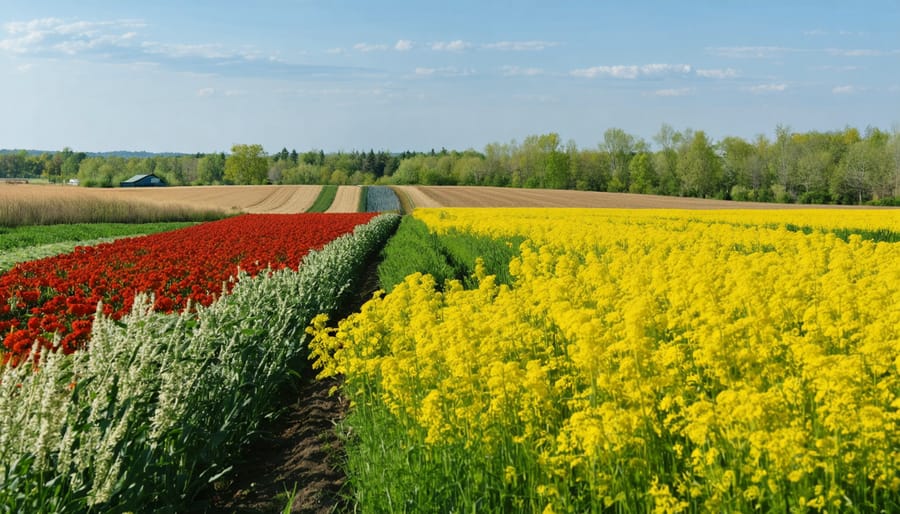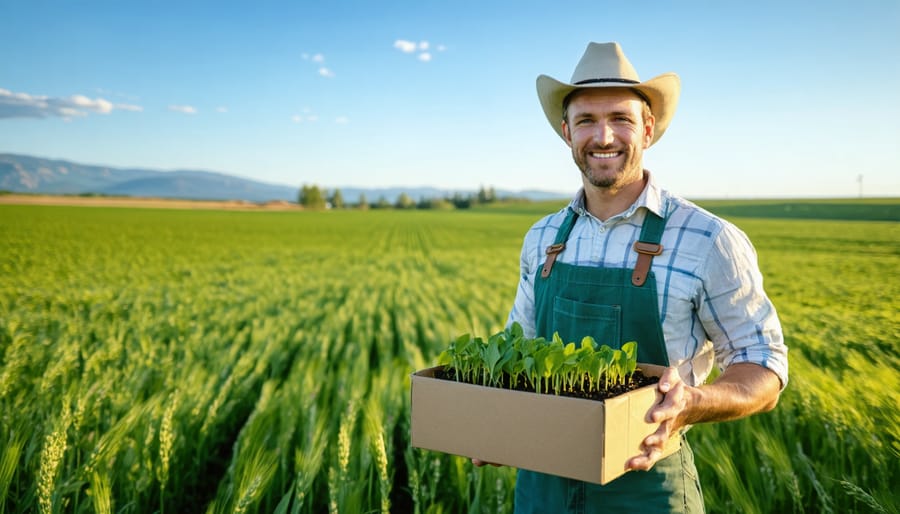
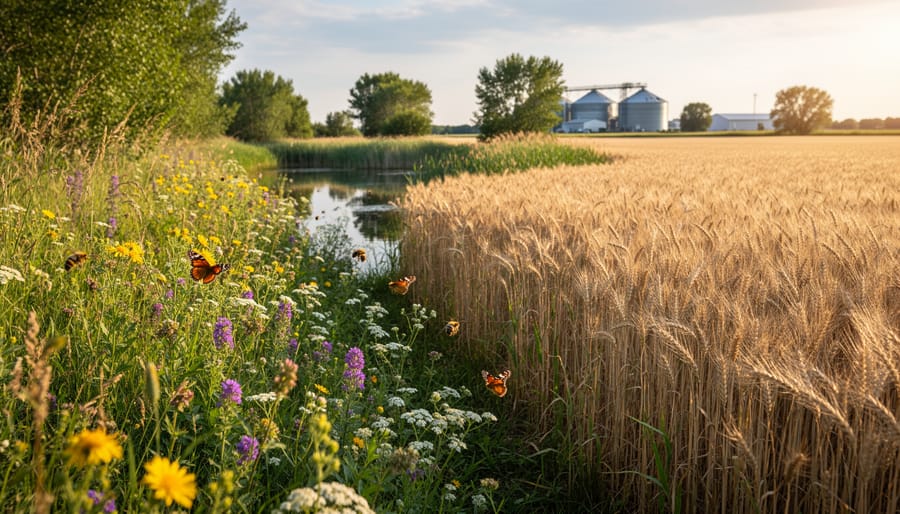
Integrate biodiversity practices into your farm operations by establishing field margins with native Alberta wildflowers and grasses, creating habitat corridors that support pollinators while reducing input costs by up to 15%. These margins require minimal management once established and provide measurable benefits during USDA supply chain audits.
Document your existing biodiversity assets systematically. Map out shelterbelts, wetlands, and grassland areas on your property, then photograph seasonal changes in wildlife activity. This documentation becomes essential when agricultural buyers request proof of biodiversity management for export markets, particularly those requiring USDA compliance verification.
Connect crop diversity directly to soil health metrics. Rotate at least four different crop families across your fields annually, measuring organic matter percentages before and after implementation. Alberta producers who’ve adopted diverse rotations report soil organic matter increases of 0.5-1% within three years, a tangible outcome that satisfies both USDA biodiversity frameworks and Canadian agricultural standards.
Partner with regional conservation groups to access free biodiversity assessments. Organizations like the Alberta Conservation Association conduct farm evaluations at no cost, identifying opportunities for habitat enhancement that align with supply chain requirements. These assessments provide third-party verification valuable for market access negotiations.
The economic reality is clear: biodiversity integration isn’t just environmental stewardship, it’s a competitive advantage. Canadian farms demonstrating active biodiversity management secure premium contracts with U.S. buyers increasingly focused on sustainable sourcing. Alberta’s agricultural professionals are already seeing this shift, with progressive operations using biodiversity credentials to differentiate themselves in crowded commodity markets. Understanding how USDA biodiversity frameworks apply to Canadian contexts positions your farm for long-term profitability while strengthening the ecological foundation of your land.
What USDA Biodiversity Standards Really Mean for Canadian Farmers
The Core Principles Behind USDA Biodiversity Metrics
The USDA tracks biodiversity through three primary indicators that Canadian farmers can adapt to their operations. Understanding these metrics helps you align with emerging market standards while building more resilient farming systems.
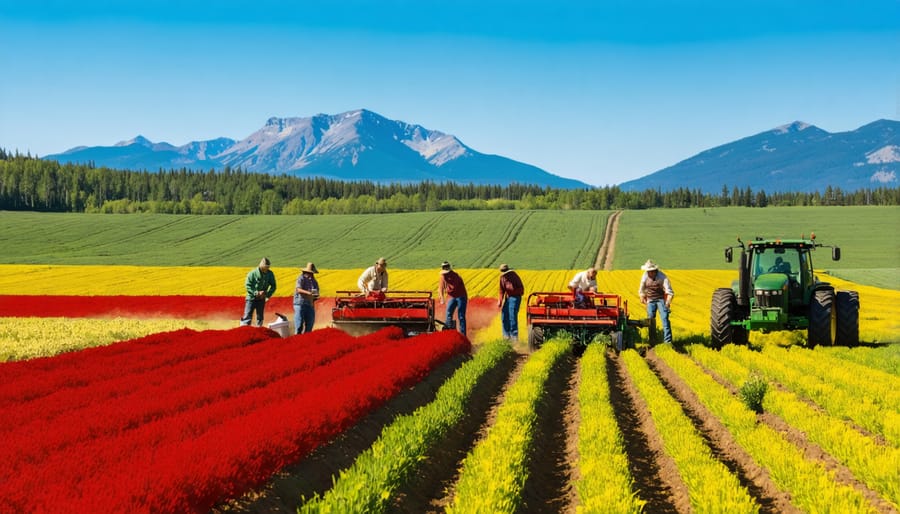
Pollinator habitat metrics measure the availability and quality of nesting sites, forage diversity, and pesticide-free zones. The USDA evaluates farms based on the percentage of land dedicated to pollinator-friendly plants and the seasonal continuity of blooming species. For Alberta producers, this might mean maintaining native wildflower strips alongside canola or pulse crops, ensuring pollinators have resources from May through September.
Soil microbiome diversity indicators assess the variety and abundance of beneficial microorganisms in your soil. These metrics include bacterial and fungal species counts, soil respiration rates, and organic matter content. Higher microbial diversity typically correlates with improved nutrient cycling and disease suppression. Alberta’s research stations have documented significant microbiome improvements when farmers reduce tillage intensity and incorporate cover crops between main growing seasons.
Crop rotation diversity metrics evaluate the variety of plant families grown across a multi-year cycle. The USDA framework awards higher scores to operations rotating between at least four different crop families rather than simple wheat-canola alternations. This connects directly to genetic diversity strategies that strengthen your farm’s resilience against pests and weather extremes.
Together, these indicators provide measurable benchmarks that demonstrate your commitment to biodiversity while potentially opening doors to premium markets and sustainability-focused supply chains.
Why These Standards Matter for Canadian Export Markets
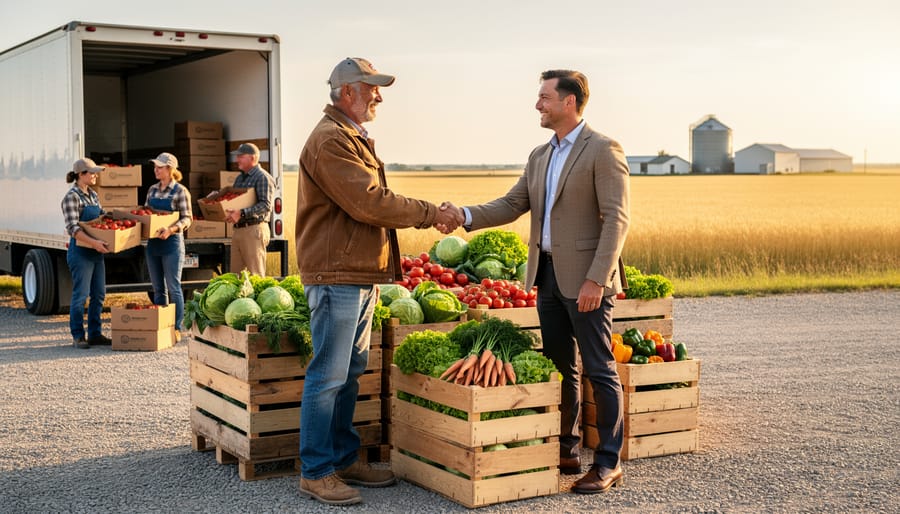
When you’re selling grain, livestock, or produce to U.S. markets, understanding USDA biodiversity expectations isn’t just about environmental responsibility—it’s about keeping your market access open and competitive. Many Canadian farmers, especially those in Alberta, have strong trade relationships south of the border, and these partnerships increasingly include biodiversity considerations in their supply chain requirements.
Major U.S. food processors and retailers are responding to consumer demand for sustainably produced products. They’re asking suppliers to demonstrate biodiversity-friendly practices, from maintaining pollinator habitat to reducing chemical inputs. If your crops or livestock enter multinational supply chains, you may already be receiving questions about your on-farm biodiversity efforts, or you will be soon.
The good news is that many Alberta producers are already implementing practices that align with these expectations. Managing riparian areas, maintaining shelterbelts, and rotating crops all contribute to farm biodiversity. The key is documenting these efforts and understanding how they fit within broader supply chain sustainability goals.
Consider the experience of mixed-operation farms near Lethbridge who began tracking their habitat conservation efforts. By quantifying the hectares of native grassland they maintained and the pollinator strips they established, they could demonstrate biodiversity stewardship to U.S. buyers. This documentation didn’t require dramatic operational changes—it meant recognizing and recording existing conservation work.
For farms working with cross-border processors or exporters, proactively addressing biodiversity creates a competitive advantage. As sustainability requirements tighten, producers who can show measurable biodiversity outcomes will have stronger negotiating positions and more reliable market access.
Biodiversity Enhancement Strategies That Work in Alberta Conditions
Creating Functional Pollinator Corridors on Working Land
Creating pollinator corridors on your working land doesn’t mean taking productive acres out of commission. With thoughtful planning, you can establish native plant strips and hedgerows that support pollinator populations while maintaining farm profitability.
Start by identifying underutilized areas on your property. Field edges, fence lines, drainage areas, and equipment turnaround zones are ideal locations that won’t interfere with harvest operations. These marginal spaces often receive less attention but can become biodiversity hotspots with minimal investment.
When selecting plants for your corridors, choose native species that bloom at different times throughout the growing season. In Alberta, consider purple prairie clover, wild bergamot, and goldenrod for summer blooms, alongside early-season options like prairie crocus. This staggered flowering provides continuous food sources for pollinators from spring through fall.
Hedgerows offer additional benefits beyond pollinator habitat. A mixed planting of native shrubs like chokecherry, saskatoon berry, and wolfberry creates windbreaks that reduce soil erosion while supporting beneficial insects. These woody plantings also attract natural pest predators, potentially reducing your reliance on chemical controls.
Buffer zones along waterways serve dual purposes. Plant strips measuring 3 to 10 metres wide filter runoff while creating travel routes for pollinators moving across the landscape. This approach aligns with both environmental stewardship goals and water quality regulations.
Saskatchewan farmer Jennifer McKay implemented 800 metres of native hedgerows along her field boundaries in 2021. She reports increased beneficial insect populations and improved crop pollination in adjacent fields, demonstrating that strategic corridor placement enhances rather than competes with production.

Soil Biodiversity: From Testing to Tangible Results
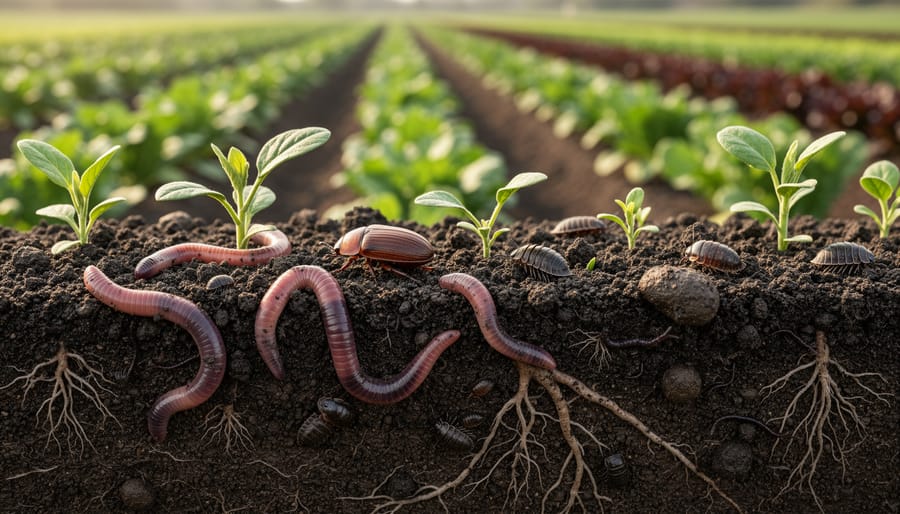
Understanding what lives beneath your fields starts with testing, but the real value comes from using that knowledge to drive meaningful change. Soil biodiversity assessment doesn’t require expensive lab equipment—simple tests measuring microbial biomass carbon, earthworm counts, and aggregate stability can reveal your soil’s biological health.
Start by establishing a baseline. Collect samples from representative areas of your field in early spring or fall when microbial activity is moderate. Many Alberta farmers work with local agronomists or regional labs that offer biological testing packages ranging from $50 to $200 per sample.
Once you understand your starting point, three proven practices can significantly boost soil microbial diversity. Cover cropping with diverse species mixes—combining legumes like hairy vetch with grasses such as annual ryegrass—increases fungal populations by 30 to 40 percent within two growing seasons. Reducing tillage preserves fungal networks that break down organic matter and transport nutrients across metres of soil. Adding compost or composted manure at rates of 10 to 20 tonnes per hectare introduces beneficial organisms while feeding existing populations.
Integrating soil health monitoring technology helps track progress over time. Alberta producer Sarah Chen documented a 65 percent increase in earthworm populations after three years of cover cropping and reduced tillage, correlating with improved water infiltration rates from 12 to 28 millimetres per hour. These measurable improvements translate directly to better crop resilience and reduced input costs, making biodiversity enhancement both ecologically sound and economically viable.
Integrating Livestock for Enhanced Ecosystem Health
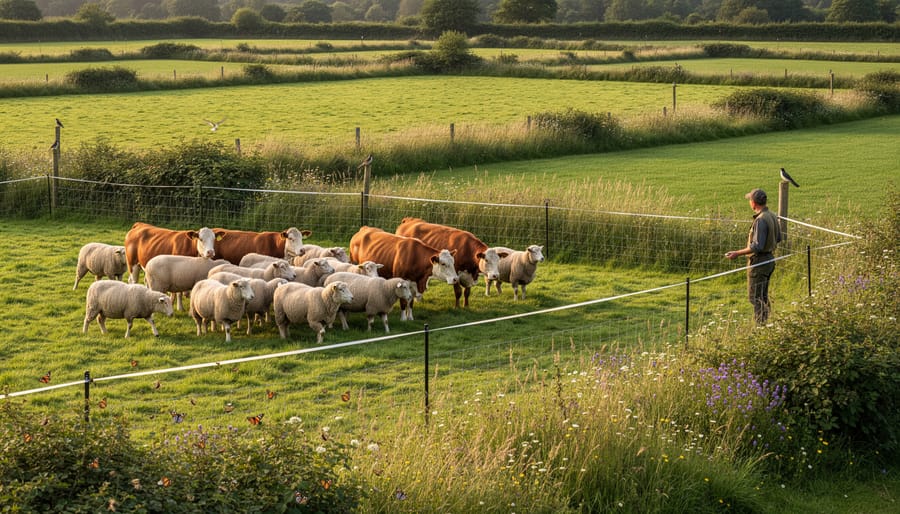
Integrating livestock into your crop production system creates a powerful synergy that enhances biodiversity while strengthening your farm’s economic resilience. Rotational grazing, where cattle, sheep, or other livestock move through paddocks on a planned schedule, prevents overgrazing and allows pastures to recover naturally. This approach increases plant diversity by up to 40% compared to continuous grazing, while building soil organic matter through natural fertilization.
Alberta producers are seeing remarkable results with mixed farming systems. When livestock graze cover crops between cash crop rotations, you reduce input costs and create habitat for beneficial insects and pollinators. The Chinook Applied Research Association documented how integrating cattle into cropland increased earthworm populations by 65% within two growing seasons, directly improving soil structure and water infiltration.
Dr. Sarah Bannister, a livestock integration specialist at Olds College, explains that managed grazing mimics natural ecosystem processes. “When done properly, livestock become ecosystem engineers. Their selective grazing creates diverse plant heights, their hooves incorporate organic matter into soil, and their presence supports a complex food web from insects to birds.”
These circular farming practices also open market opportunities. Livestock raised in biodiverse systems often command premium prices from buyers seeking sustainably produced protein. Start small with one field or paddock, monitor plant diversity changes, and adjust your rotation timing based on forage recovery rates. Track both ecological indicators and financial returns to demonstrate the value of this integrated approach.
Building Biodiversity Into Your Supply Chain Relationships
Documentation and Verification That Buyers Actually Want
Supply chain partners increasingly want clear evidence of biodiversity practices, not just promises. The good news? Straightforward documentation systems can meet these requirements without overwhelming your operation.
Start with organized farm records that track habitat areas, species observations, and management practices. Simple spreadsheet systems work well for many Alberta farms, documenting metrics like pollinator strip locations, nesting site counts, and pesticide-free zones. Date entries consistently and photograph seasonal changes to build compelling visual evidence.
Third-party certifications provide credible verification that buyers recognize. Programs like Organic Certification, Audubon Conservation Ranching, and Bee Better Certified offer structured frameworks. Manitoba farmer James Patterson found certification opened doors: “Our grain buyers specifically sought our product after we earned our wildlife-friendly designation. The premium covered certification costs within one season.”
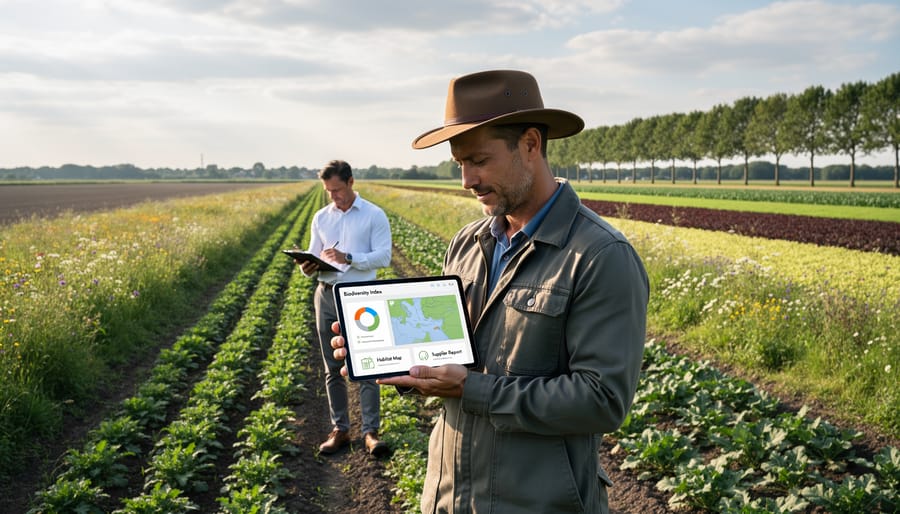
Digital traceability systems are becoming standard expectations in modern supply chains. Mobile apps allow real-time field data entry, GPS mapping of habitat zones, and automated report generation. These platforms seamlessly share biodiversity metrics with buyers, reducing paperwork while increasing transparency.
Consider creating an annual biodiversity report summarizing key indicators: hectares of natural habitat maintained, species documented, and conservation practices implemented. Include comparison photos showing habitat development over time.
Agricultural consultant Dr. Sarah Chen advises: “Documentation doesn’t need complexity. Consistency matters most. Buyers want evidence you’re genuinely implementing practices, measured over seasons. Even basic records demonstrating commitment and progress satisfy most supply chain requirements.”
Start with whatever system fits your operation, then refine as buyer specifications evolve.
Negotiating Premium Prices for Biodiversity-Enhanced Products
Translating your biodiversity enhancements into premium pricing requires strategic communication with buyers who value environmental stewardship. Start by documenting your practices with photographs, soil test results, and wildlife observations throughout the growing season. This evidence becomes powerful marketing material that differentiates your operation from conventional producers.
Connect directly with conscious consumers through farmers’ markets, community-supported agriculture programs, and local food hubs. Alberta producers like Green Haven Farms near Okotoks have successfully charged 15-20% premiums by sharing their pollinator habitat initiatives and carbon reduction strategies through farm tours and social media storytelling.
Pursue third-party certifications that validate your biodiversity work. Programs like Bird Friendly certification or participation in provincial beneficial management practices create tangible proof points that justify higher prices. These credentials open doors to specialty retailers and institutional buyers with sustainability mandates.
Educate your buyers about the connection between biodiversity and product quality. Research shows diverse farm ecosystems produce crops with enhanced nutrient density and flavour profiles. Share this information through product labels, website content, and direct conversations.
Partner with chefs and food retailers who champion sustainable sourcing. These relationships often lead to long-term contracts at stable, premium prices. Agricultural professional Melissa Thompson from Red Deer notes that buyers increasingly recognize biodiversity-enhanced farms as reliable partners who mitigate climate risks through resilient practices.
Consider value-added products that showcase your environmental story. Honey from wildflower corridors or specialty grains from diverse rotations command significant premiums when marketed with compelling narratives about habitat conservation and ecosystem health.
Canadian Case Study: How One Alberta Farm Transformed Their Supply Chain Value
When the Hendricks family took over their 1,200-hectare mixed grain and cattle operation near Lacombe, Alberta in 2017, they faced a familiar challenge: commodity prices were stagnant, but input costs kept climbing. Their solution came from an unexpected direction—investing in biodiversity to unlock premium market access.
“We were skeptical at first,” admits Sarah Hendricks, who manages the operation with her brother Tom. “Adding biodiversity practices sounded like extra work and expense we couldn’t afford. But our agronomist showed us data suggesting it could actually reduce costs while opening new revenue streams.”
The Hendricks started with a modest pilot on 80 hectares in spring 2018. They established 5-hectare buffer zones along their creek system, planted native pollinator strips between fields, and converted 15 hectares of marginal land to perennial habitat. Initial costs totaled $12,500, including native seed at $180 per hectare and fencing materials.
The first year brought unexpected challenges. Establishing native plants proved tricky in Alberta’s variable climate, and some crops near the buffer zones showed patchy performance as they adjusted field management. “We had to learn patience,” Sarah notes. “Biodiversity benefits don’t appear overnight.”
By year two, measurable changes emerged. Beneficial insect populations increased 43 percent in monitored areas. The family reduced insecticide applications by 30 percent, saving $4,800 annually. Their soil health scores improved, particularly organic matter content, which rose from 3.1 to 3.8 percent in buffer-adjacent fields.
The economic breakthrough came in 2020 when they secured a contract with a major food processor requiring biodiversity documentation. The premium added $28 per tonne to their wheat—an extra $33,600 on their 1,200 tonnes. “That single contract paid back our three-year investment and then some,” Tom explains.
Today, the Hendricks have expanded biodiversity practices across 280 hectares. They track 12 environmental metrics using smartphone apps and simple field assessments. Total investment over five years reached $48,000, but annual returns now exceed $55,000 through premium markets, reduced inputs, and improved yields from better soil health.
Their advice for other producers? Start small, document everything, and connect with buyers early. “We joined a sustainable agriculture network that linked us directly with food companies seeking traceable, biodiverse supply chains,” Sarah says. “That connection transformed biodiversity from a cost center into a competitive advantage.”
The operation now hosts field days for neighboring farmers, sharing both successes and lessons learned from their journey toward biodiversity-enhanced production.
Expert Perspectives on the Future of Biodiversity in Agriculture
We spoke with leading Canadian agricultural experts to understand where biodiversity practices are heading and what it means for Alberta farmers looking to stay ahead of the curve.
Dr. Sarah Chen, an agronomist with Agriculture and Agri-Food Canada based in Lethbridge, sees significant momentum building. “We’re observing a shift from voluntary biodiversity measures to market-driven requirements,” she explains. “Major food processors and retailers are beginning to include biodiversity metrics in their supplier scorecards. Farmers who establish diverse field margins, pollinator habitats, and crop rotation systems now will have a competitive advantage when these requirements become standard in two to three years.”
The regulatory landscape is evolving as well. James Morrison, a supply chain specialist working with Alberta grain elevators, notes that export markets are increasingly requesting documentation of on-farm biodiversity practices. “We’re seeing inquiries from European and Asian buyers asking about hedgerow density, beneficial insect populations, and soil health indicators. While these aren’t hard requirements yet, they’re clearly signaling future expectations. Producers who can provide this data will access premium markets first.”
Dr. Patricia Yellowbird, a biodiversity researcher at the University of Alberta, focuses on the ecological benefits translating to economic returns. “Our five-year study across 40 Alberta farms shows that properties with enhanced biodiversity—native prairie strips, diverse rotations, reduced tillage—experienced 18 percent fewer pest outbreaks and required 23 percent less synthetic inputs. The native plant species naturally support predatory insects that manage crop pests.”
For farmers considering early adoption, the experts agree the window is open. “Start small with one quarter section,” advises Dr. Chen. “Test pollinator strips along field edges or introduce cover crop diversity. Document your practices and results. When buyers start requiring biodiversity verification, you’ll have established systems and data ready.”
Morrison adds a practical note: “Connect with your local agricultural fieldmen and conservation organizations. Many offer free site assessments and can help identify biodiversity opportunities specific to your operation’s soil type and microclimate. The groundwork you establish today positions you as a preferred supplier tomorrow.”
Enhancing biodiversity on your farm represents both an environmental commitment and a strategic business decision. The practices we’ve explored—from establishing pollinator habitats to integrating crop diversity—deliver measurable returns through improved soil health, reduced input costs, and enhanced market access. Canadian farmers who’ve adopted these approaches report average cost savings of 15-20% on pest management while strengthening their position in supply chains that increasingly value sustainability credentials.
Starting your biodiversity journey doesn’t require transforming your entire operation overnight. Begin with one manageable step: perhaps dedicating 2-5% of your land to native plantings, or introducing cover crop rotations on a test plot. Track your results throughout the growing season, noting changes in beneficial insect populations, soil quality, and input requirements. These baseline observations will guide your expansion decisions and provide valuable data for supply chain partners.
You’re not alone in this transition. Agricultural extension services across Alberta offer biodiversity assessment tools and region-specific planting guides. Local conservation groups frequently provide native seeds at reduced costs and can connect you with neighbouring farmers already implementing these practices. Many agricultural co-operatives now host peer learning sessions where producers share practical insights and troubleshoot challenges together.
The economic advantages of biodiversity enhancement—improved yields, premium market access, and operational resilience—align perfectly with long-term farm viability. Take that first step today, connect with your local agricultural network, and join the growing community of farmers building more profitable and sustainable operations.