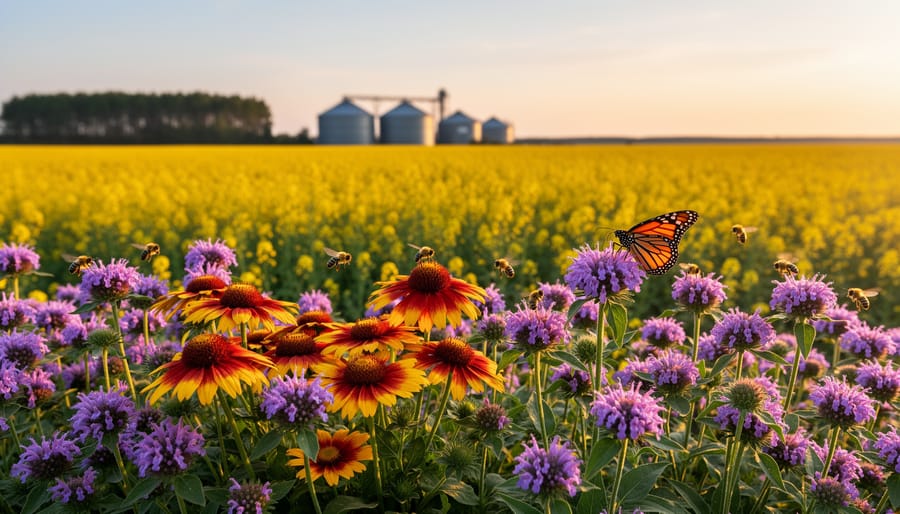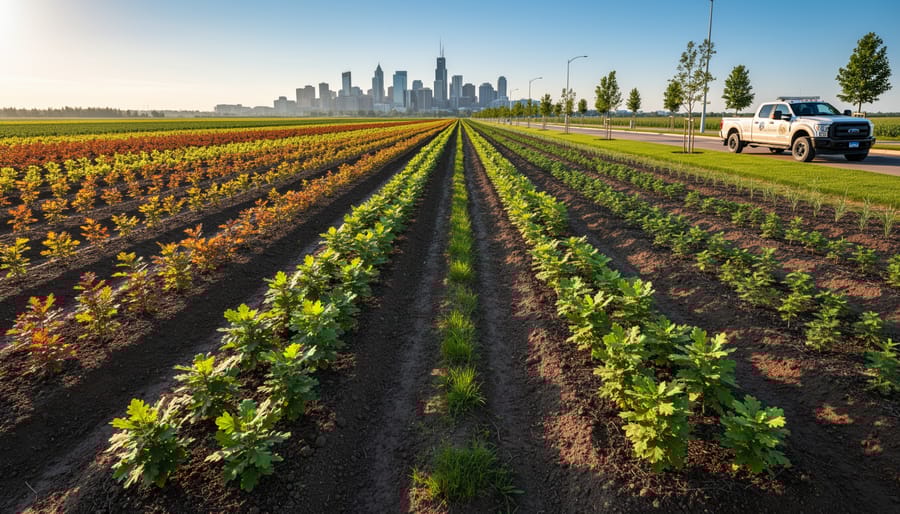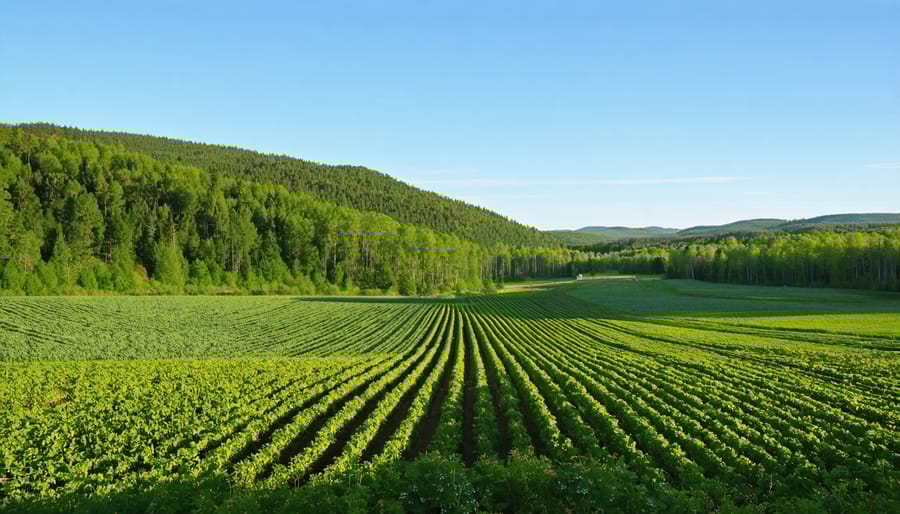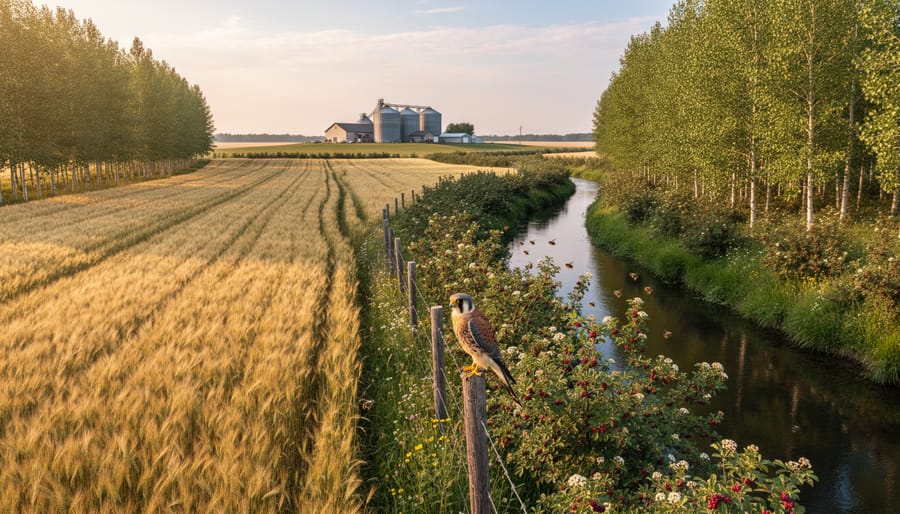
Forest biodiversity transforms marginal farmland into productive, resilient systems that generate income while rebuilding soil health. Plant diverse tree species—including native poplars, willows, and berry-producing shrubs—along field edges and waterways to create wildlife corridors that house natural pest predators, reducing chemical input costs by 15-30% according to Agriculture and Agri-Food Canada research. Integrate nitrogen-fixing trees like honey locust or sea buckthorn between crop rows to cut fertilizer expenses while harvesting marketable products from timber, nuts, or fruit.
Strategic placement of forest elements shields crops from wind damage, reduces moisture evaporation by up to 25%, and extends growing microclimates that can add 7-10 days to your season in Alberta’s challenging climate. The economic return extends beyond crop protection—diversified forest systems create multiple revenue streams through sustainable timber harvests, non-timber forest products, and emerging carbon credit opportunities now available to Canadian producers.
Saskatchewan farmer Dale Beugin increased his quarter-section profitability by 40% within eight years by establishing shelterbelts with saskatoon berries and haskap, selling premium fruit while his cereal yields improved from wind protection. British Columbia’s Gisela Kutzner demonstrates that properly designed agroforestry doesn’t sacrifice productive land—it multiplies its value through layered production zones that work harder than monoculture fields.
This practical approach to forest biodiversity builds long-term farm equity while addressing immediate challenges like erosion control, water retention, and climate variability that threaten conventional operations across the prairies.
What Forest Biodiversity Actually Means for Your Farm
Forest biodiversity isn’t just an environmental buzzword—it’s a practical framework that can strengthen your farming operation. At its core, forest biodiversity refers to the variety of life forms within forested areas, from the tallest trees down to microscopic organisms in the soil. For Alberta farmers, understanding this concept means recognizing how different living components work together to create resilient, productive systems you can adapt to your land.
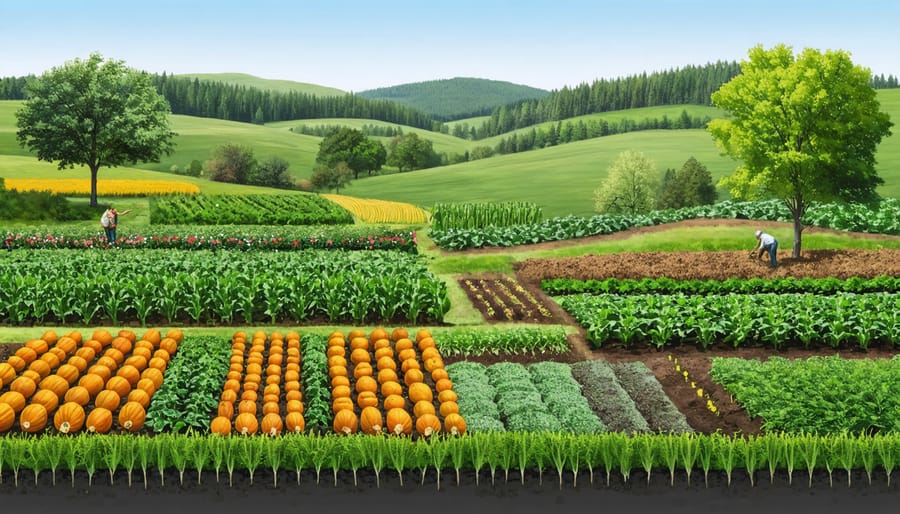
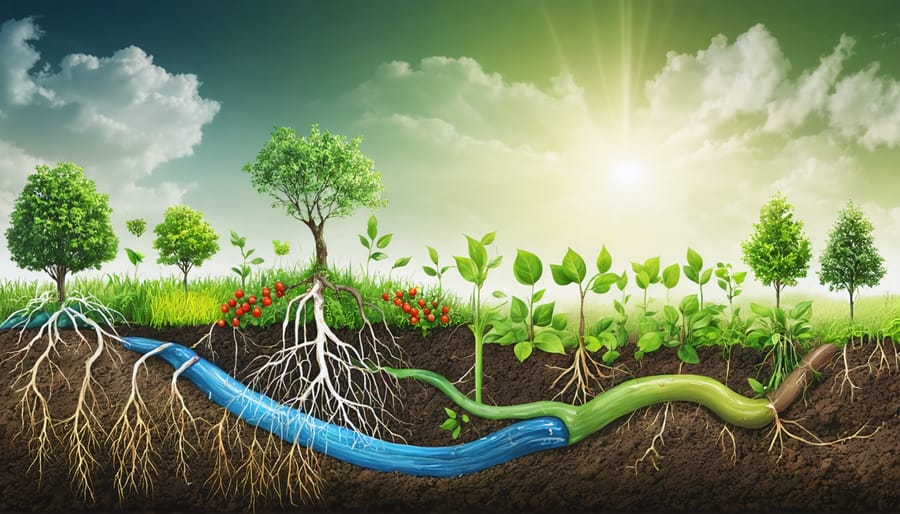
Natural forests operate in distinct layers, each playing a specific role. The canopy layer consists of mature trees that provide shade, windbreaks, and habitat for beneficial insects and birds. Below that, the understory includes smaller trees and shrubs that stabilize soil and offer additional wildlife corridors. Ground cover—grasses, wildflowers, and low vegetation—protects soil from erosion and contributes organic matter. Finally, soil organisms like fungi, bacteria, and earthworms break down nutrients and improve soil structure.
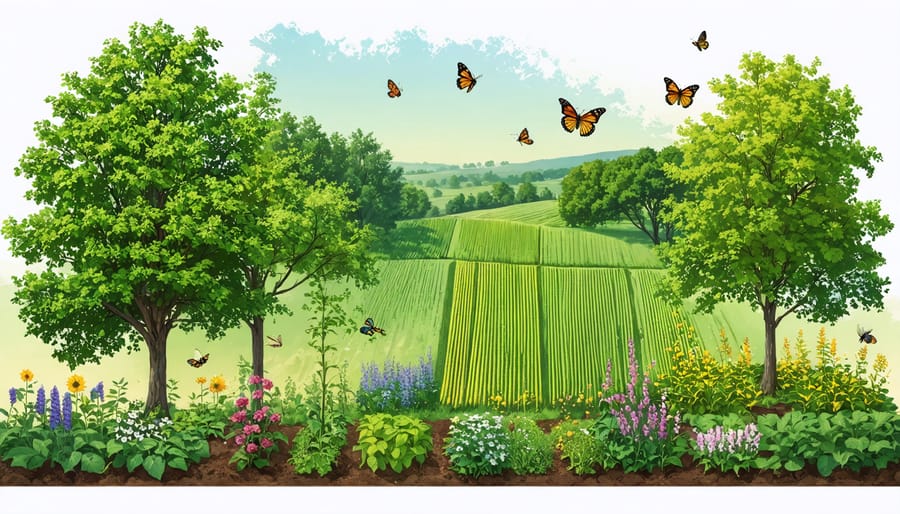
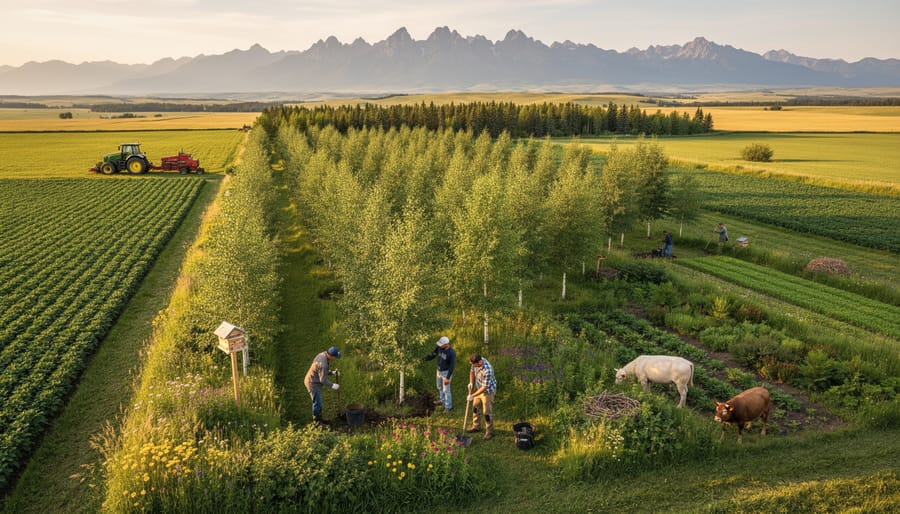
When you bring these forest principles into your farming context through agrobiodiversity in agroforestry, you’re creating intentional diversity that serves agricultural purposes. Instead of a dense forest canopy, you might plant rows of hybrid poplars or caragana to shelter crops or livestock. Your understory could include berry-producing shrubs that generate additional income. Ground covers might be nitrogen-fixing legumes that naturally enrich your soil between tree rows.
In Alberta’s climate, this layered approach offers tangible benefits. Trees reduce wind erosion across Prairie landscapes, while diverse plantings create habitats for pollinators and pest predators. The soil life you nurture through diverse root systems improves water infiltration—critical during both drought periods and heavy rainfall events. By thinking of your farm as an integrated ecosystem rather than separate crop and tree zones, you’re tapping into natural processes that reduce input costs while building long-term productivity.
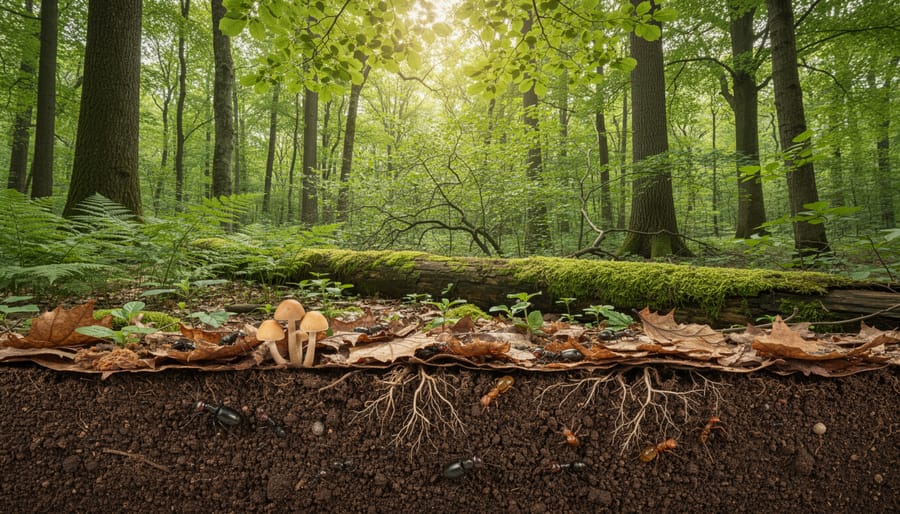
The Hidden Workers in Forest-Based Systems
Soil Life That Feeds Your Crops
Beneath the visible beauty of agroforestry systems lies a hidden workforce that can dramatically reduce your input costs while boosting crop productivity. The soil beneath your trees and crops hosts an intricate web of life that functions as nature’s fertilizer factory.
Mycorrhizal fungi form the foundation of this underground network. These beneficial fungi attach to tree and crop roots, extending thread-like structures that reach far beyond what roots can access alone. In exchange for sugars from your plants, they deliver phosphorus, nitrogen, and trace minerals. Research from Alberta’s agricultural zones shows that established mycorrhizal networks can reduce fertilizer requirements by 20-30% while improving drought resilience.
Beneficial bacteria work alongside these fungi, converting atmospheric nitrogen into plant-available forms and breaking down organic matter into nutrients your crops can use. Species like Rhizobium and Azospirillum naturally colonize root zones in diverse tree-crop systems, providing free nitrogen fixation worth hundreds of dollars per hectare annually.
Decomposers, including earthworms, beetles, and soil microbes, complete the cycle by transforming leaf litter and woody debris into rich humus. This process creates the soil health benefits that agroforestry systems are known for, increasing water retention and carbon storage.
The key to activating this biological workforce is maintaining year-round plant cover and minimizing tillage. As Saskatchewan farmer James Morton discovered, allowing leaf litter to accumulate naturally jumpstarted his soil biology within two growing seasons, cutting his synthetic fertilizer use in half.
Natural Pest Control from Above and Below
When you integrate forest biodiversity into your agroforestry system, you’re essentially recruiting an unpaid workforce of pest controllers that operate around the clock. From the treetops to the soil surface, diverse species work together to keep harmful insects in check without a single chemical application.
Birds are your frontline defenders in the canopy. Species like chickadees, nuthatches, and warblers consume thousands of insects daily, targeting caterpillars, aphids, and beetles that would otherwise damage crops. A 2019 study from Alberta’s foothills region found that farms with established tree rows and hedgerows supported 40% more insectivorous bird species compared to conventional operations. These birds don’t just visit during peak pest season—they establish territories and provide year-round protection.
Below the canopy, beneficial insects form another critical defence layer. Ground beetles, lacewings, and parasitic wasps thrive in the leaf litter and diverse vegetation found in biodiverse systems. These predators and parasitoids actively hunt pest larvae and eggs before populations explode. The key is providing them with habitat—undisturbed ground cover, flowering plants for nectar, and overwintering sites in woody debris.
Larger predators complete the picture. Bats consume enormous quantities of night-flying moths whose larvae damage crops, while amphibians and small mammals control ground-dwelling pests. This multi-layered approach to natural pest control becomes more effective as your system matures and species diversity increases.
Manitoba farmer Doug Williams reports that after establishing shelterbelts with native shrubs, his canola crop showed 30% less flea beetle damage compared to fields without tree integration. The investment in biodiversity paid dividends through reduced input costs and healthier crops, demonstrating how nature’s pest management team delivers measurable results for your operation.
How Forest Diversity Protects Your Bottom Line
Climate Resilience Through Diversity
Alberta’s unpredictable weather—from summer droughts to harsh winter winds—demands farming systems that can adapt and endure. Diverse climate-resilient agroforestry systems create natural buffers that protect your land and livestock from these extremes.
When you plant a mix of tree species alongside shrubs and understory plants, each layer works together to moderate temperature and moisture. Taller trees provide shade during scorching summer days, reducing soil temperatures by up to 5 degrees Celsius. Meanwhile, dense shrub layers trap snow during winter months, ensuring gradual spring melt and steady water infiltration rather than rapid runoff.
Windbreaks featuring multiple species create different wind resistance patterns at various heights. A Saskatchewan farmer working with Agriculture and Agri-Food Canada researchers found that mixed-species windbreaks reduced wind speeds by 60 percent up to 10 metres downwind, protecting young crops and reducing soil erosion.
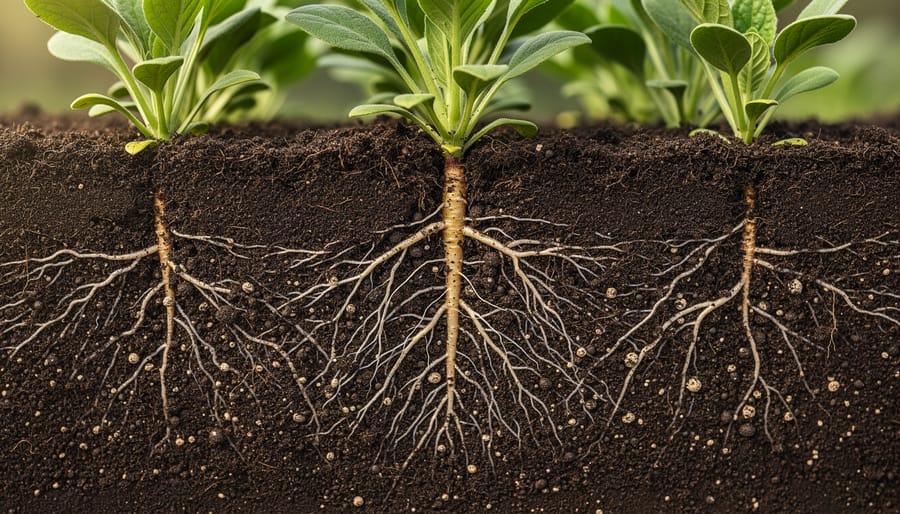
Water retention improves significantly in biodiverse systems. Different root depths and structures create channels throughout the soil profile, increasing water infiltration rates by 25 to 40 percent compared to monoculture systems. Willow and poplar roots reach deep water tables, while shrub roots stabilize topsoil, and herbaceous plants capture surface runoff.
These layered ecosystems essentially act as living infrastructure, requiring minimal maintenance once established while delivering year-round protection. The initial investment in diverse plantings pays dividends through reduced irrigation needs, lower crop losses during extreme weather events, and healthier, more productive agricultural land.
Multiple Revenue Streams from Diverse Systems
Diversified agroforestry systems offer Alberta farmers opportunities to generate income beyond traditional crops, creating financial resilience while supporting forest biodiversity. Think of your land as a layered ecosystem where each level produces value throughout the growing season.
Saskatchewan berry producer Tom Henderson transformed his conventional grain operation by integrating Saskatoon berry shrubs along field edges and windbreaks. “We now harvest approximately 450 kilograms of berries per hectare annually,” he explains. “The berries command premium prices at farmers’ markets while the shrubs provide habitat for pollinators that benefit our main crops.”
Mushroom cultivation represents another revenue opportunity. Species like oyster and shiitake mushrooms thrive on hardwood logs placed in shaded areas beneath tree canopies. Manitoba farmer Jennifer Kowalski generates $8,000 annually from 200 inoculated logs positioned throughout her shelterbelts, requiring minimal active management once established.
Medicinal plants including wild ginger, goldenseal, and native echinacea grow naturally in forest understories. These shade-tolerant species can be cultivated beneath canopy trees, creating sustainable harvests for herbal medicine markets. Research from the University of Alberta indicates certain medicinal plants yield between $15,000 and $30,000 per hectare when properly managed.
Timber itself becomes a long-term investment. Fast-growing hybrid poplars reach harvestable size in 15-20 years, providing lumber or biomass fuel while simultaneously sheltering annual crops during their growth period.
The key is selecting complementary species that match your climate zone, soil conditions, and available markets. Start small with one or two secondary products, then expand as you gain experience managing these integrated systems.
Building Forest Biodiversity Into Your Agroforestry Design
Choosing the Right Tree and Plant Species Mix
Selecting the right mix of trees and plants forms the foundation of a successful agroforestry system that supports biodiversity while meeting your operational needs. In Alberta, your species choices must align with your property’s hardiness zone, which ranges from Zone 1 in the far north to Zone 4 in southern regions, and accommodate local soil conditions.
Native species offer the greatest advantage for supporting local wildlife and require minimal maintenance once established. For most Alberta farms, consider native hardwoods like trembling aspen, balsam poplar, and white birch. These trees provide excellent habitat for insects, birds, and small mammals while tolerating a range of soil types. Manitoba maple works well in Zone 3 and warmer areas, particularly in clay or loam soils.
For coniferous options, white spruce and lodgepole pine adapt readily to Alberta conditions and provide year-round shelter for wildlife. They perform best in well-drained soils with pH levels between 5.5 and 7.0.
Saskatchewan farmer Michael Chen shared his experience integrating native species: “We planted a mix of aspen and white spruce along our field edges three years ago. The bird activity has tripled, and we’ve noticed fewer pest issues in adjacent crops.”
Don’t overlook understory plants and shrubs. Native options like saskatoon berry, chokecherry, and wild rose create layered habitat structure that dramatically increases biodiversity. These species also produce fruits that attract pollinators and beneficial insects.
Before finalizing your species selection, conduct a soil test to identify pH levels, drainage characteristics, and nutrient availability. This information helps match species to your specific conditions, increasing survival rates and long-term success. Local agricultural extension offices can provide soil testing services and region-specific planting recommendations tailored to your hardiness zone.
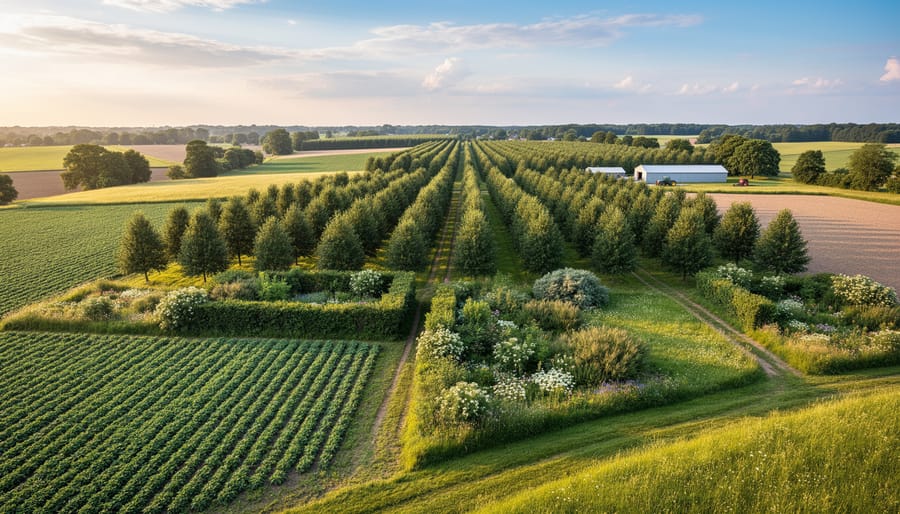
Creating Habitat Corridors and Refuges
Creating wildlife corridors and habitat refuges within your agricultural landscape doesn’t mean taking productive land out of commission. Instead, these features can enhance your farm’s overall productivity while supporting the biodiversity that keeps your agroforestry system thriving.
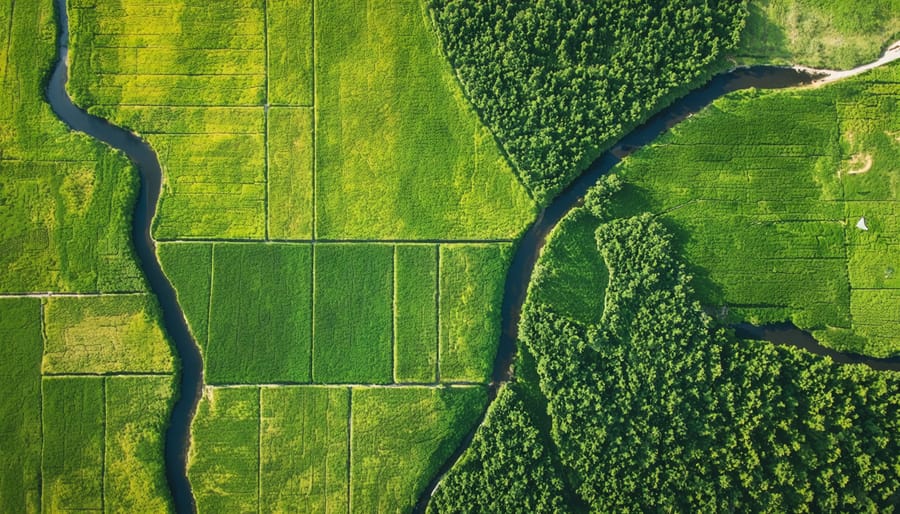
Start by identifying natural connectors already on your property. Creek banks, fence lines, and field edges are ideal locations for wildlife corridors. Plant native shrubs and trees in 3 to 5-meter-wide strips along these areas to create movement pathways for beneficial insects, birds, and small mammals. These corridors help pollinators travel between crop areas and allow predatory species to access pest populations throughout your land.
Hedgerows serve double duty as windbreaks and biodiversity hotspots. A hedgerow planted with diverse native species like chokecherry, saskatoon berry, and hawthorn provides food and shelter for wildlife while reducing wind erosion. Alberta farmer James McConnell from Lacombe County installed hedgerows between his grain fields and reports increased bird populations that help control grasshoppers and other crop pests naturally.
Undisturbed refuge patches are equally valuable. Leave small areas around your woodlots unmowed and unsprayed, particularly corners and edges where machinery access is challenging anyway. These patches become home to ground-nesting birds, beneficial beetles, and native plants that support wider ecosystem health.
According to Dr. Sarah Henderson, an agroecology researcher at the University of Alberta, even small refuge areas measuring 10 by 10 meters can significantly boost on-farm biodiversity. She notes that farmers who maintain these habitats often see improved soil health and natural pest control within two growing seasons.
The key is integration. By strategically placing corridors and refuges where they complement rather than compete with production, you create a farm ecosystem that works harder for you.
Real Alberta Farmers Making It Work
The Johnsons have been farming 240 hectares near Drayton Valley, Alberta for three generations, but it wasn’t until 2018 that they decided to work with the forest rather than around it. Like many Alberta producers, they’d cleared portions of their aspen and spruce woodlots for pasture expansion. Today, they’re among the growing number of Canadian agroforestry success stories, having transformed 80 hectares into a diversified system that supports both cattle production and forest health.
“We kept about 40 percent tree cover in strategic blocks and strips,” explains Sarah Johnson, who manages the operation with her brother Mark. “The key was understanding which tree species provided the most value for wildlife, soil health, and livestock shelter.” They retained mature aspen groves as wildlife corridors while thinning younger stands to encourage understory growth. Native berry bushes, wildflowers, and grasses now flourish beneath the canopy, supporting over 30 bird species and beneficial insects that help control crop pests on adjacent fields.
The initial challenge was changing their mindset. “Dad thought we were crazy leaving good pasture potential standing,” Sarah admits. They worked with an agroforestry consultant to map their property’s biodiversity assets and identify priority areas. Wetland buffers received enhanced forest protection, while south-facing slopes were selectively cleared for improved grazing.
The measurable results have silenced the skeptics. Cattle gain weight 12 percent faster when they have access to tree shelter during summer heat, reducing stress and improving meat quality. Soil organic matter in the agroforestry zones has increased by 18 percent over five years. During the 2021 drought, their integrated system maintained forage production while neighboring cleared pastures struggled.
Perhaps most importantly, they’ve diversified income streams. The Johnsons now sell native plant seeds harvested from their forest understory, generating an additional 8,000 dollars annually. They’ve also enrolled in carbon offset programs, receiving payments for maintaining forest cover while actively farming.
“We’re not trying to recreate wilderness,” Mark emphasizes. “We’re creating a working landscape that produces food while supporting the natural systems that make farming possible long-term. That’s just good business in Alberta’s changing climate.”
Common Mistakes to Avoid
When integrating forest biodiversity into your agroforestry system, avoiding common pitfalls can save you time, money, and frustration. Learning from others’ experiences helps ensure your efforts create lasting positive impacts.
One frequent mistake is oversimplifying your species selection. While starting with just two or three tree species might seem manageable, this approach limits the ecological benefits you’re working to achieve. Alberta farmer James McIntosh from Lacombe County learned this firsthand when his initial two-species shelterbelt struggled with pest pressure. After consulting with a local forestry expert, he diversified to include seven native species, creating a more resilient system that now thrives with minimal intervention.
Introducing non-native or invasive species poses serious risks to local ecosystems. Even well-intentioned choices can backfire. Always verify that your selected species are appropriate for Alberta’s climate zones and won’t outcompete native plants. Provincial agricultural extension services maintain updated lists of recommended species specifically suited to different regions.
Another common oversight is underestimating maintenance requirements. Forest biodiversity doesn’t mean planting and walking away. Young trees need protection from browsing wildlife, regular watering during establishment, and periodic thinning as they mature. Budget approximately 15 to 20 hours per hectare annually for the first three years.
Climate mismatches represent perhaps the costiest mistake. Species that thrive in southern Alberta may struggle in northern regions where growing seasons are 30 to 40 days shorter. Consider future climate projections too. Agricultural specialist Dr. Sarah Chen recommends selecting species adapted to conditions 200 to 300 kilometres south of your location to account for warming trends while maintaining hardiness for occasional extreme cold events that still occur across the prairies.
Getting Started: Your First Steps This Season
Starting your journey toward enhanced forest biodiversity in your agroforestry system doesn’t have to be overwhelming. Here’s a practical checklist to guide your first steps this season.
Begin with a baseline assessment of your property. Walk your land and document existing tree species, wildlife sightings, and natural features like water sources or shelter areas. Take photos and note any degraded areas that could benefit from restoration. The Alberta Biodiversity Monitoring Institute offers free mapping tools that help you understand what species already call your farm home.
Connect with local expertise early in your planning process. Alberta Agriculture and Irrigation provides agricultural fieldworkers who can visit your operation and offer tailored advice. The Agroforestry and Woodlot Extension Society also delivers workshops and site assessments specifically designed for prairie farmers. These consultations often reveal opportunities you might not have considered, from windbreak improvements to strategic wildlife corridors.
Review available funding programs before making major investments. The Canadian Agricultural Partnership and Environmental Farm Plan programs frequently support agroforestry initiatives. Municipal districts sometimes offer cost-share opportunities for tree planting or riparian restoration. Documentation from your baseline assessment will strengthen funding applications.
Start small with a pilot project rather than transforming your entire operation at once. Consider dedicating five to ten acres to test different approaches, whether that’s establishing a sheltered livestock area with diverse tree species or creating pollinator strips along field edges. This manageable scale lets you learn what works on your specific land without overwhelming your resources.
Join farmer networks focused on sustainable practices. Organizations like the Woodlot Association of Alberta connect you with producers already implementing biodiversity-friendly systems. Their experiences, both successes and challenges, provide invaluable real-world guidance that complements expert advice.
Finally, keep simple records of your observations throughout the growing season. Note when certain birds arrive, how livestock use shaded areas, or where beneficial insects concentrate. These patterns will inform your decisions as your agroforestry system matures and help you measure progress over time.
Investing in forest biodiversity isn’t just an environmental choice—it’s a practical strategy for building a more resilient and productive farm. The evidence from across Canadian agricultural landscapes shows that even modest increases in biodiversity can deliver measurable benefits, from improved soil health to better pest management and increased crop yields.
You don’t need to transform your entire operation overnight. Start with one shelterbelts, add native shrubs to existing hedgerows, or plant a small woodlot on marginal land. Many Alberta farmers have begun exactly this way, gradually expanding their agroforestry systems as they observe the benefits firsthand.
Remember, you’re not alone in this journey. Agricultural extension services, local conservation groups, and fellow farmers across the Prairies are actively sharing knowledge and resources. Provincial programs often provide financial support for tree planting and habitat enhancement projects. Connect with your regional agricultural networks to learn what’s working in your area and access available funding.
The forests you nurture today will support your farm for generations, creating natural capital that compounds over time. Take that first step—your land, your livelihood, and your community will benefit from the commitment.