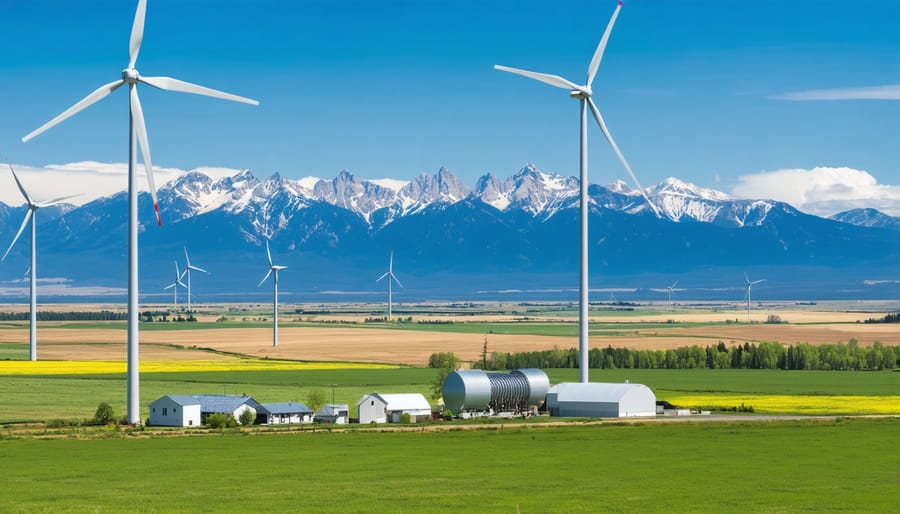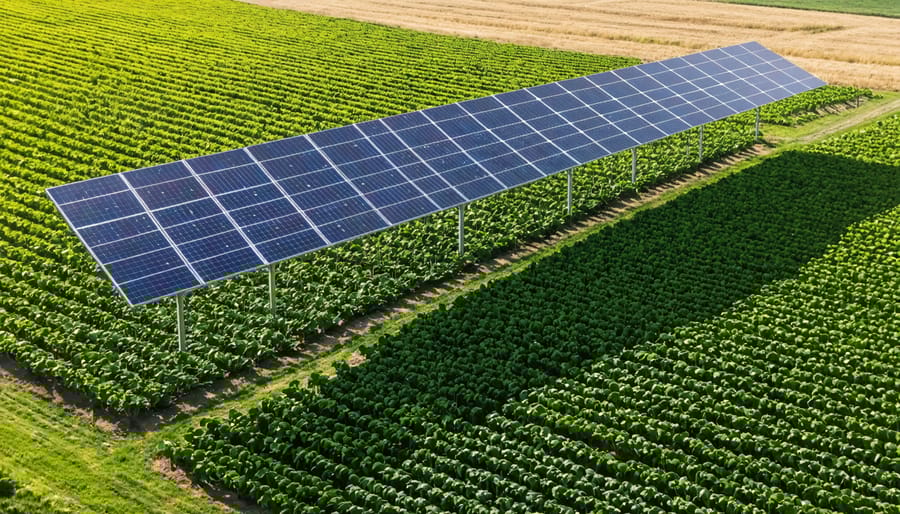
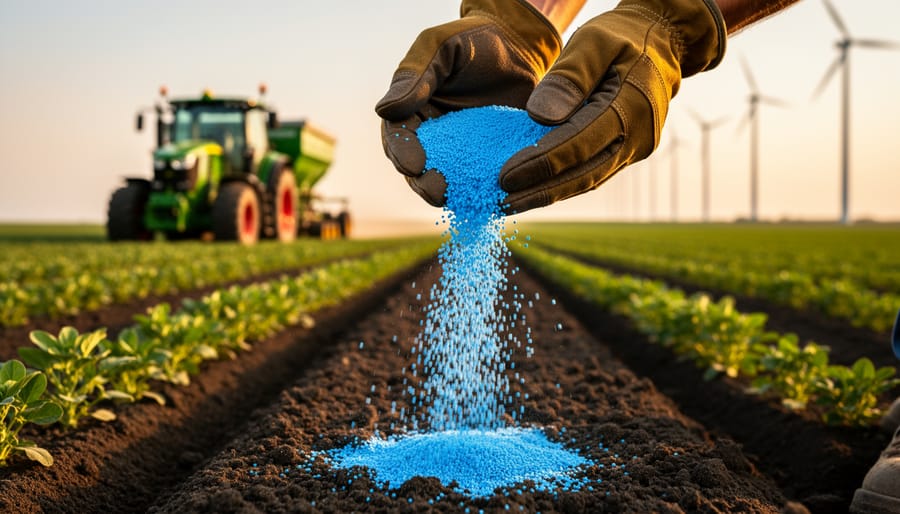
Synthetic fertilizers deliver precise nitrogen, phosphorus, and potassium ratios that match your crop’s exact nutritional needs at each growth stage, eliminating guesswork and reducing application rates by up to 30% compared to organic alternatives. Apply these concentrated formulas quickly across large acreages—a 400-hectare canola operation can complete fertilization in days rather than weeks, saving critical labour hours during tight planting windows. Modern production facilities increasingly use renewable energy sources, with several Canadian manufacturers now incorporating wind and hydroelectric power to reduce the carbon footprint of ammonia synthesis by 40-60%. This shift addresses environmental concerns while maintaining the efficiency advantage that Alberta grain producers have relied on for decades.
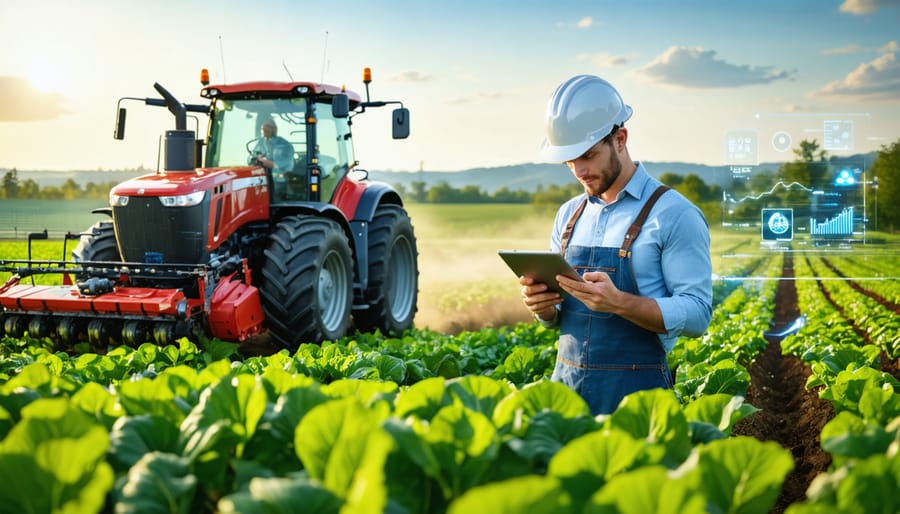
The precision of synthetic fertilizers means you’re not over-applying nutrients that leach into groundwater or volatilize into the atmosphere. Each granule contains a known, consistent nutrient composition, allowing variable rate technology to place exactly what your soil tests indicate is needed. This targeted approach reduces input costs per hectare while maintaining yields—particularly important for commodity crops operating on narrow margins. Understanding how renewable energy integration transforms synthetic fertilizer production helps reconcile operational efficiency with sustainability goals, giving you practical options that serve both your farm’s productivity and broader environmental responsibilities.
The Efficiency Advantage: Why Synthetic Fertilizer Still Matters
Precision Nutrition for Alberta’s Variable Soil
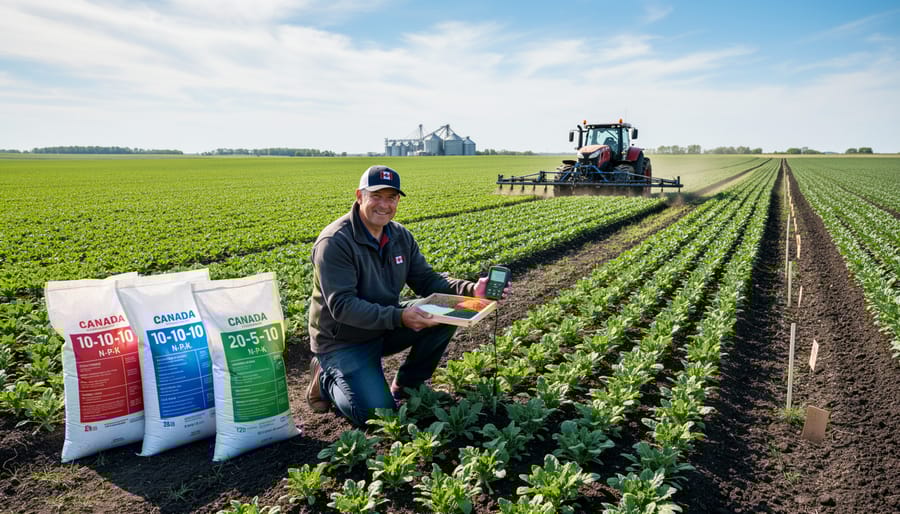
Alberta’s diverse soil conditions—from the heavy clay soils of the Peace Country to the sandy loams of southern regions—present unique nutritional challenges that synthetic fertilizers can address with precision. Unlike organic amendments that release nutrients unpredictably, synthetic options deliver exact NPK ratios matched to your soil test results.
For example, many Alberta fields deficient in phosphorus benefit from a 11-52-0 starter fertilizer applied at 50-75 kg per hectare during seeding. In areas with nitrogen-depleted soils common after cereal crops, a 46-0-0 urea application at 100-150 kg per hectare provides concentrated nitrogen exactly when needed. The Black soil zone, which covers much of central Alberta, often requires balanced 15-15-15 formulations at 200-250 kg per hectare to maintain optimal yields.
This precision eliminates guesswork and prevents both nutrient deficiencies and costly over-application. Red Deer-area farmer James Kowalski notes, “Once I started matching fertilizer ratios to my soil tests rather than broadcasting generic blends, I saw a 15% yield increase while actually reducing my total fertilizer costs.” This targeted approach means you’re feeding your crops—not wasting inputs—which benefits both your operation’s efficiency and environmental stewardship.
Consistency When Every Growing Day Counts
In Canada’s Prairie provinces, where the growing season can be as short as 90-110 days, timing is everything. Synthetic fertilizers offer predictable nutrient release patterns that align perfectly with these compressed timelines, giving you immediate access to nitrogen, phosphorus, and potassium exactly when your crops need them most.
Unlike organic amendments that require soil microbes to break them down—a process that can take 4-6 weeks depending on soil temperature and moisture—synthetic options begin working within days of application. This difference becomes critical in regions like Alberta, where spring soil temperatures often remain below 10°C into May, slowing microbial activity and organic nutrient conversion.
John Petersen, an agronomist working with central Alberta grain farmers, notes that “synthetic fertilizers allow producers to hit narrow application windows with confidence. When you only have 100 frost-free days, you can’t wait three weeks for nutrients to become available.”
This predictability extends to planning efficiency as well. You can calculate precise application rates using soil tests, knowing that 90-95% of applied nutrients will be available to your crops within the first growing month. For organic options, that availability might reach only 30-40% in the same timeframe, with the remainder becoming available too late to impact yield. When every growing day counts, this consistency provides a significant operational advantage.
The Traditional Problem: Carbon-Heavy Production
For decades, synthetic fertilizer production has relied on the Haber-Bosch process, an industrial method developed in the early 20th century that converts atmospheric nitrogen into ammonia. This process has been remarkably effective at feeding a growing global population, but it comes with a significant energy requirement. The traditional approach uses natural gas both as a hydrogen source and as fuel to generate the extreme temperatures and pressures needed—around 400-500°C and 200-300 atmospheres.
The numbers tell the story clearly: conventional synthetic fertilizer production accounts for approximately 1-2% of global energy consumption and generates roughly 1.8 tonnes of carbon dioxide for every tonne of ammonia produced. In Canada, where agriculture plays a vital role in both the economy and food security, understanding these production realities helps frame meaningful conversations about improvement.
For Alberta farmers who depend on consistent fertilizer access for successful crop production, this historical context isn’t about assigning blame. The Haber-Bosch process represented genuine innovation that enabled modern agriculture as we know it. However, the agricultural sector has always adapted to new opportunities, and production methods are no exception. The energy-intensive nature of traditional fertilizer manufacturing simply reflects the technology available at the time of its development. What matters now is recognizing that production methods can evolve while maintaining the reliability and effectiveness that farmers need. This foundation sets the stage for understanding how renewable energy integration is transforming fertilizer production without compromising the practical advantages that have made synthetic fertilizers essential tools in Canadian agriculture.
The Game-Changer: Renewable Energy-Powered Fertilizer Production

Green Hydrogen: The Clean Ammonia Revolution
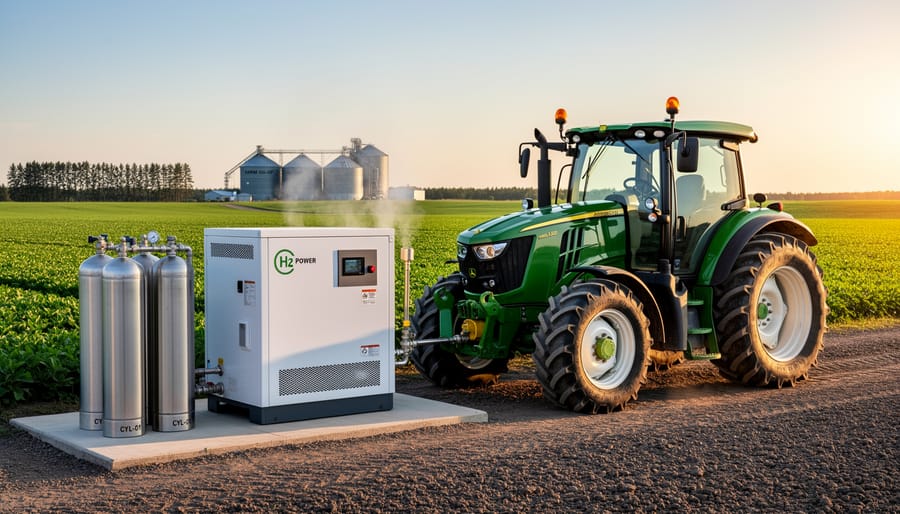
The future of ammonia production is being transformed by a breakthrough process that eliminates fossil fuel dependence. Green hydrogen production uses renewable energy systems like wind and solar to power electrolysis, which splits water molecules into hydrogen and oxygen. This clean hydrogen then combines with nitrogen from the air to create ammonia—the key ingredient in nitrogen fertilizers—without burning any fossil fuels.
Here’s how it works in practical terms: electricity from renewable sources runs through water in an electrolyzer, separating it into its basic elements. The hydrogen produced is completely clean, with water vapor as the only byproduct. This green hydrogen then feeds into the Haber-Bosch process alongside atmospheric nitrogen, creating ammonia fertilizer through the same proven chemical reaction farmers have relied on for decades.
For Alberta farmers, this matters because the fertilizer itself remains identical in quality and effectiveness. You’re getting the same nitrogen content and crop performance, but the production method has changed dramatically. Several Canadian facilities are already piloting green ammonia production, with projects in Quebec and British Columbia leading the way.
The transition is gradual but promising. As more renewable energy capacity comes online across the Prairies, green ammonia production becomes increasingly viable. This approach maintains all the advantages of synthetic fertilizers—precise nutrient delivery, storage stability, and consistent results—while addressing the carbon footprint concerns that have challenged conventional production methods.
Canadian Projects Leading the Way
Canada is emerging as a leader in green ammonia production, with several facilities pioneering the integration of renewable energy into fertilizer manufacturing. These projects demonstrate how synthetic fertilizers can be produced sustainably while maintaining the efficiency advantages farmers depend on.
In Western Canada, Nutrien’s Fort Saskatchewan facility in Alberta has committed to reducing greenhouse gas emissions through operational improvements and exploring renewable energy integration. The company’s pilot projects focus on carbon capture and energy efficiency upgrades that significantly lower the environmental footprint of nitrogen fertilizer production without compromising quality or output.
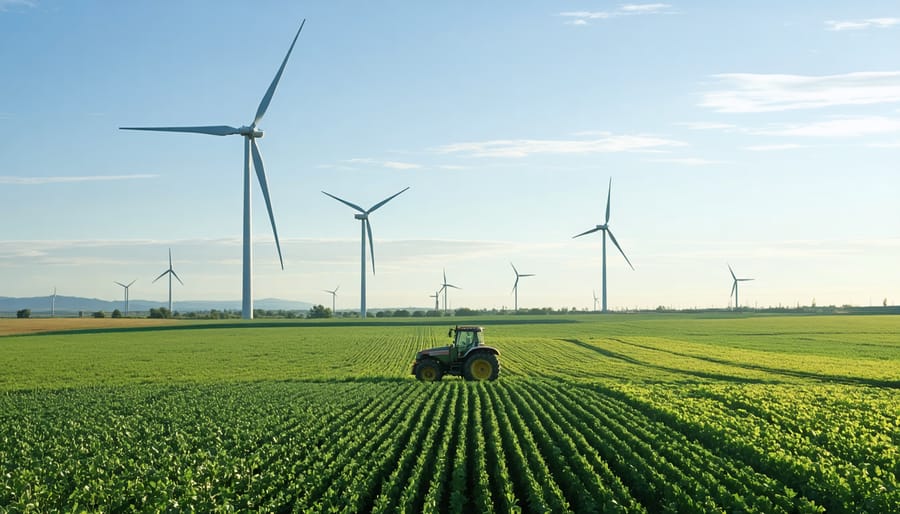
Saskatchewan is home to another groundbreaking initiative where researchers are exploring wind and solar power integration for ammonia synthesis. This approach takes advantage of the Prairies’ abundant renewable resources, creating fertilizer during peak energy production periods.
“The transition to renewable-powered fertilizer production isn’t just environmentally responsible—it makes economic sense for Canadian agriculture,” explains Dr. Sarah Chen, agricultural systems researcher at the University of Alberta. “We’re leveraging our natural advantages in both renewable energy potential and agricultural expertise to create a more resilient food system.”
These projects prove that synthetic fertilizers can evolve alongside sustainability goals. For Alberta farmers, this means access to efficient, high-performance fertilizers produced through increasingly clean methods. As these technologies scale up, the cost premium decreases, making green fertilizers a practical choice for operations of all sizes while maintaining the precision and reliability that modern farming requires.
Real Benefits for Your Farm Operation
Carbon Credit Opportunities
As Canadian agriculture moves toward lower-emission practices, renewable-produced synthetic fertilizers are creating pathways to carbon credit programs that weren’t previously accessible to many farmers. When you choose fertilizers manufactured using renewable energy sources like wind or solar power, you’re significantly reducing the carbon footprint associated with nitrogen production—traditionally one of agriculture’s most emission-intensive processes.
Several Canadian programs, including certain provincial initiatives in Alberta, now recognize these reduced-emission inputs when calculating farm-level carbon credits. By documenting your use of renewable-produced fertilizers, you may qualify for offset programs that generate additional revenue streams for your operation. These credits essentially reward you financially for making environmentally conscious choices.
Beyond carbon markets, sustainability certifications are increasingly important for accessing premium markets both domestically and internationally. European and North American retailers are prioritizing products grown with lower-carbon inputs, and having documentation of renewable-produced fertilizer use strengthens your eligibility for these certifications. This isn’t just about environmental stewardship—it’s about positioning your operation competitively as buyers demand transparency in agricultural supply chains. The investment in renewable-produced fertilizers can translate into tangible market advantages that improve your bottom line while supporting broader climate goals.
Price Stability Through Energy Diversification
For decades, synthetic fertilizer prices have ridden a rollercoaster tied directly to fossil fuel markets, leaving Canadian farmers vulnerable to unpredictable input costs. When natural gas prices spike, ammonia production costs follow, and farm budgets take the hit. However, a significant shift is underway as fertilizer manufacturers increasingly adopt renewable energy sources, creating a buffer against this volatility.
The transition to wind, solar, and hydroelectric power for fertilizer production fundamentally changes the cost equation. While fossil fuel prices fluctuate with geopolitical tensions and market speculation, renewable energy offers more predictable long-term pricing. Once infrastructure is established, operational costs remain relatively stable. This stability translates directly to more consistent fertilizer pricing for producers.
Alberta farmers are particularly well-positioned to benefit from this trend. The province’s expanding renewable energy sector, combined with existing fertilizer production facilities, creates opportunities for local manufacturing to integrate energy diversification strategies. Early adopters among fertilizer manufacturers report production cost reductions of 15-30 percent over five-year periods as renewable infrastructure matures.
Industry experts project that renewable-powered fertilizer production will become cost-competitive with conventional methods by 2030, with price advantages increasing thereafter. For farmers planning multi-year crop rotations and nutrient management programs, this trend toward price stability offers genuine planning advantages. While initial renewable infrastructure investments may temporarily affect prices, the long-term trajectory points toward more predictable input costs, helping you manage your operation’s financial planning with greater confidence.
Finding and Using Renewable-Powered Fertilizers
Finding renewable-powered fertilizers starts with asking the right questions to your suppliers. When sourcing these products, request information about the energy sources used in production. Progressive manufacturers are increasingly transparent about their renewable energy integration and often highlight this on product documentation or company websites.
Look for certifications that verify sustainability claims. While Canada doesn’t yet have a universal certification specifically for renewable-powered fertilizers, products bearing ISO 14001 environmental management certification or those from companies with documented renewable energy commitments offer reassurance. The Canadian Fertilizer Institute maintains resources on responsible fertilizer management that can guide your selection process.
Start by contacting major suppliers like Nutrien, which operates facilities in Alberta using renewable energy sources. Ask specifically about their renewable energy percentages and production locations. Some manufacturers now include sustainability data sheets alongside traditional product specifications, detailing the carbon footprint and energy sources for specific batches.
Integration into existing programs requires minimal operational changes. These fertilizers have identical application rates and timing to conventionally produced versions because the end product is chemically the same. Your current spreaders, applicators, and storage systems all work without modification. The transition becomes simply a matter of changing suppliers or product lines rather than overhauling your entire operation.
Consider starting with a pilot approach on one field or crop to build confidence. Monitor performance alongside conventionally produced fertilizers to confirm results match expectations. Many Alberta farmers have found this transition seamless, maintaining yields while supporting sustainable farming practices.
Connect with local agricultural representatives who can identify renewable-powered options available in your region. Regional co-ops and buying groups increasingly stock these products as demand grows, potentially offering bulk purchasing advantages that offset any initial cost differences.
A Balanced Approach: Combining Strategies
Here’s the reality: renewable-powered synthetic fertilizers aren’t meant to replace every soil management practice you’ve refined over the years. They work best when integrated thoughtfully into a broader farm system that includes organic amendments, strategic cover cropping, and consistent soil health monitoring.
Think of it as building a toolkit rather than choosing sides. Synthetic fertilizers excel at delivering precise, readily available nutrients during critical growth windows—particularly important during Alberta’s shorter growing season. Meanwhile, compost and manure build long-term soil structure and microbial diversity. Cover crops prevent erosion and fix nitrogen between cash crops. Each practice strengthens the others.
Manitoba farmer Rachel Kowalski runs a 600-hectare operation combining renewable-powered synthetic nitrogen with annual winter rye cover crops and biennial compost applications. “The synthetic fertilizer gives me control over nitrogen timing for my canola, while the cover crops and compost keep my soil biology thriving,” she explains. “My input costs per hectare dropped 18 percent over three years while yields stayed consistent.”
Regional adaptation matters tremendously. What works in southern Alberta’s semi-arid conditions differs from practices suited to the Peace River region’s parkland soils. Connect with your local agricultural extension office or crop district association to learn from neighbours testing integrated approaches in conditions similar to yours.
The most successful operations treat this as ongoing learning. Start small—perhaps testing integrated practices on a single quarter section—document what works, and share observations with fellow producers. Community knowledge-building accelerates everyone’s progress toward both productivity and sustainability.
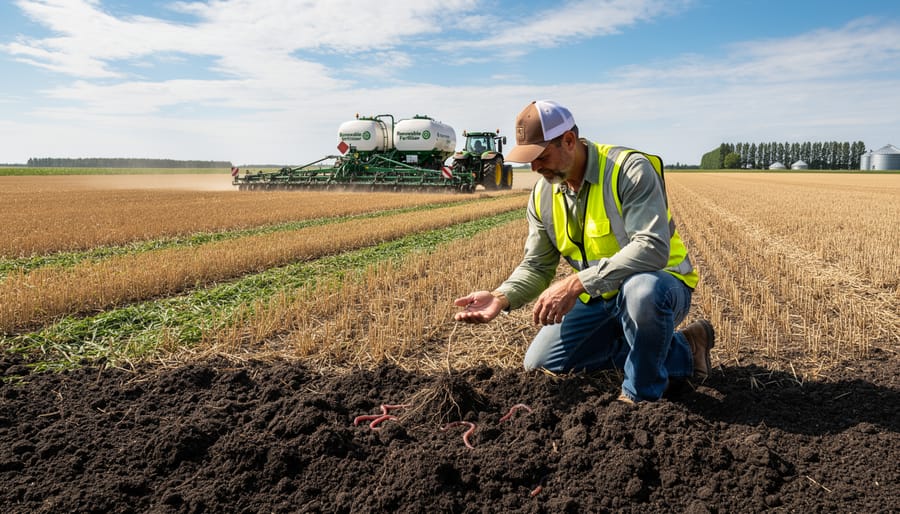
Synthetic fertilizers don’t have to be the enemy of sustainable farming. When produced using renewable energy sources like wind, solar, and hydroelectric power, they become part of the solution rather than the problem. The efficiency advantages that drew you to synthetic fertilizers in the first place—precise nutrient delivery, predictable results, and maximized yields—remain intact while the environmental footprint shrinks dramatically.
As a Canadian farmer, you have the power to drive this transition forward. Start by asking your fertilizer suppliers direct questions about their energy sources and production methods. Request information about the carbon intensity of their products. Many suppliers are already tracking this data, and your inquiries signal market demand for cleaner options.
Stay informed about emerging production facilities across Canada. Several projects are currently in development or planning stages, particularly in provinces with abundant renewable energy resources. These facilities will create local supply chains that reduce transportation emissions while supporting Canadian agricultural independence.
Alberta farmers are uniquely positioned to lead this green fertilizer revolution. With your province’s growing renewable energy sector, proximity to production facilities, and tradition of agricultural innovation, you’re already ahead of the curve. By choosing renewable-powered synthetic fertilizers, you’re proving that productive farming and environmental stewardship can work hand in hand.