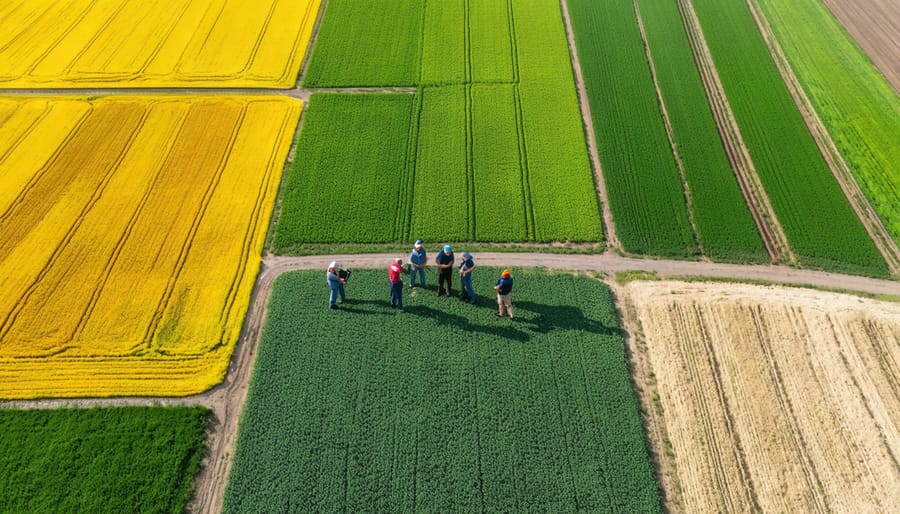
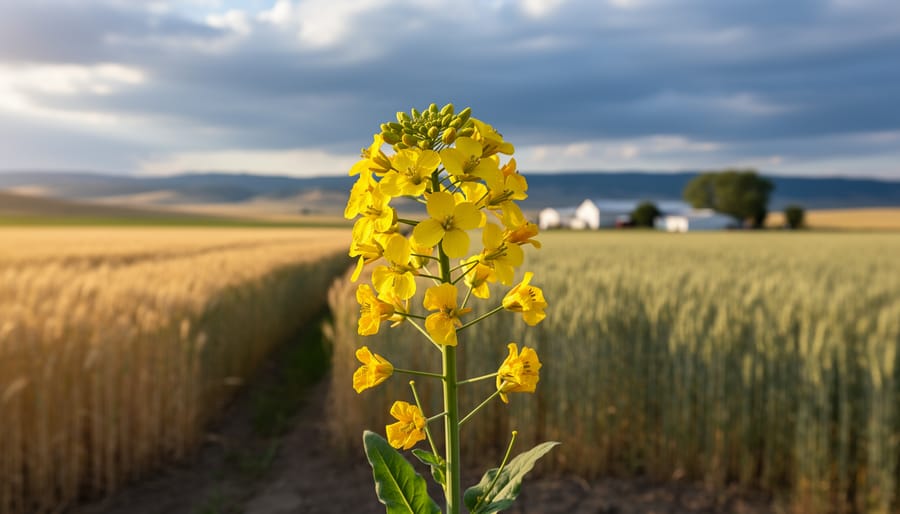
Select crop varieties with built-in genetic resistance to your region’s most damaging pests rather than relying solely on chemical controls. In Alberta, this means choosing canola varieties resistant to blackleg, wheat cultivars that withstand wheat midge, and barley lines with resistance to net blotch. These varieties reduce your pesticide applications by 40-60% while maintaining yields, according to recent trials conducted across the Prairies.
Climate change is intensifying pest pressure across Canadian farmland. Warmer winters allow more pest populations to survive, extended growing seasons create additional pest generations per year, and shifting weather patterns bring new invasive species into regions where they previously couldn’t establish. The result: traditional pest management strategies are becoming less reliable and more expensive to maintain.
Pest-resistant varieties offer a practical, economical response to this challenge. Unlike pesticides that require repeated applications and face increasing regulatory scrutiny, genetic resistance works continuously throughout the growing season without additional inputs. When you plant resistant seed, you’re deploying protection that adapts naturally to pest feeding patterns and doesn’t leave chemical residues.
The science behind these varieties is straightforward. Plant breeders identify genes that help crops defend against specific pests through physical barriers like thicker leaf cuticles, chemical deterrents that make plants less palatable, or tolerance mechanisms that allow plants to withstand pest damage without significant yield loss. These traits are then bred into high-performing cultivars suited to your local growing conditions.
This approach isn’t theoretical. Alberta farmers are already seeing measurable results from resistant varieties, reducing their pest management costs while improving their environmental footprint and maintaining the productivity their operations depend on.
Why Climate Change Is Making Pest Problems Worse on Canadian Farms
The Pests You Didn’t Expect in Alberta
Alberta’s pest landscape is shifting in ways that would have surprised growers even a decade ago. Climate data from Agriculture and Agri-Food Canada shows our growing season has extended by approximately 10-14 days since the 1950s, and those warmer conditions are creating opportunities for insects previously limited to southern regions.
Bertha armyworm populations have intensified significantly across central Alberta, with economic infestations now occurring every 3-4 years compared to historical cycles of 8-10 years. The 2021 outbreak alone affected over 2 million acres of canola, reminding us how quickly conditions can escalate.
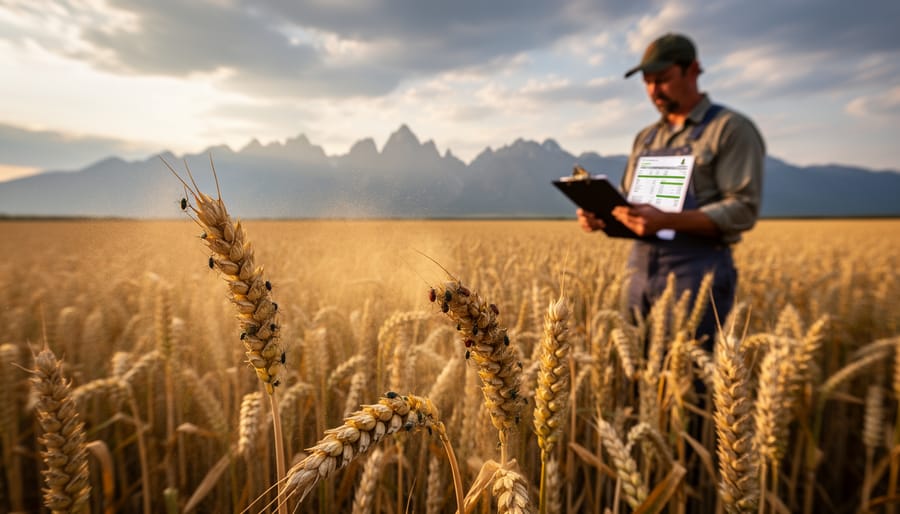
Wheat midge is another concern expanding its range northward. Traditionally concentrated in southern zones, monitoring data now confirms established populations reaching into the Peace Region. Similarly, grasshopper pressure has increased substantially during our recent drought years, with some districts reporting damage levels not seen since the 1980s.
Perhaps most surprising is the emergence of diamondback moth as a recurring threat. This pest, once considered a minor nuisance in Alberta, caused widespread canola damage in 2019 when populations arrived earlier and persisted longer than historical patterns suggested possible.
These shifts aren’t temporary anomalies. Provincial insect monitoring networks indicate we’re experiencing both earlier pest arrival in spring and extended activity periods into fall. For Alberta growers, this means traditional pest management timelines need adjustment, and the value of pest-resistant varieties continues to grow as climate patterns create more favourable conditions for these unwelcome visitors.
The True Cost of Traditional Pest Management
Traditional pest management approaches come with costs that extend far beyond the initial purchase price of chemical inputs. For Canadian farmers, particularly those managing operations in Alberta’s diverse growing regions, the financial burden of conventional pesticides can significantly impact profitability. Input costs continue to rise, with many producers spending $75 to $150 per hectare annually on insecticides and fungicides, not including application equipment and labour costs.
The environmental toll is equally concerning. Broad-spectrum pesticides don’t discriminate between harmful pests and beneficial insects like pollinators and natural pest predators. This disruption can create a cycle where more interventions become necessary as natural pest control systems break down. Research from Canadian agricultural institutions shows repeated pesticide applications can reduce beneficial insect populations by 40 to 60 percent, weakening your farm’s natural defence system.
Soil health faces significant challenges under intensive chemical pest management. Many chemical controls affect soil microorganisms essential for nutrient cycling and plant health, potentially reducing long-term productivity. Studies conducted in Alberta demonstrate that fields under heavy pesticide use show decreased microbial diversity compared to those incorporating organic pest control methods or pest-resistant varieties.
Additionally, pest resistance to chemical controls continues developing, requiring higher application rates or newer, often more expensive products. This resistance cycle leaves many farmers searching for more sustainable, economically viable alternatives that work with natural systems rather than against them.
What Makes a Variety Pest-Resistant (And Why It Matters)
Natural Defense Mechanisms Plants Already Have
Plants have spent millions of years developing sophisticated defense systems against pests, and modern breeding programs work to amplify these natural abilities rather than creating something entirely new. Understanding these mechanisms helps you make informed decisions about which varieties might work best on your operation.
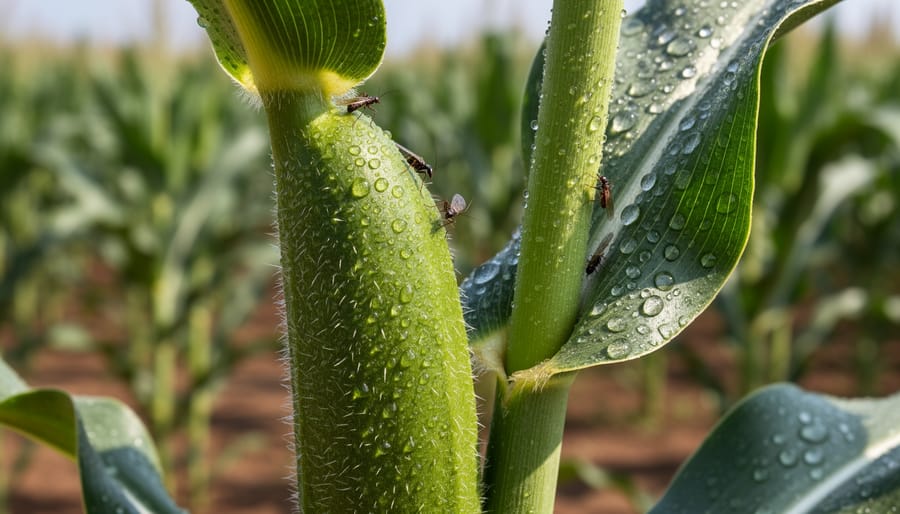
Physical defenses are often the first line of protection. These include traits like thicker leaf cuticles that make it harder for insects to pierce plant tissue, trichomes (tiny hair-like structures) that deter or trap small pests, and waxy coatings that insects find difficult to grip or navigate. Some varieties develop tougher stems that resist boring insects, while others produce leaf structures that make feeding less efficient for common pests.
Chemical defenses work behind the scenes. Plants naturally produce compounds that taste bitter, disrupt pest digestion, or simply repel insects altogether. These biochemical weapons include alkaloids, phenolic compounds, and terpenes. In canola, for example, some varieties produce higher levels of glucosinolates, which deter flea beetles. Wheat varieties with elevated levels of hydroxamic acids show improved resistance to aphids and cereal leaf beetles.
Modern breeding programs identify plants with strong natural defenses and cross them with high-yielding varieties. The goal is maintaining productivity while enhancing protective traits. Alberta farmers participating in variety trials have noted that pest-resistant varieties often show less visible damage and require fewer interventions, even during peak pest pressure periods. These programs also use marker-assisted selection to speed up the breeding process, identifying desirable defense genes earlier in development without waiting for full plant maturity and pest exposure.
Pest-Resistant vs. GMO: Clearing Up the Confusion
There’s often confusion around pest-resistant varieties, especially in organic farming communities. Let’s clear this up: traditionally bred pest-resistant varieties are not GMOs, and they’re fully acceptable in organic production systems.
Pest-resistant varieties developed through conventional breeding rely on selecting plants with natural defence mechanisms. Plant breeders identify crops that naturally repel pests or recover quickly from pest damage, then cross-pollinate these plants over multiple generations. This process mirrors what farmers have done for centuries, just more systematically.
GMOs, on the other hand, involve direct genetic modification in laboratories, often inserting genes from unrelated species. These are prohibited in certified organic systems across Canada.
According to Dr. Sarah Chen, a crop scientist at the University of Alberta, “Traditional breeding works with the plant’s existing genetic toolkit. We’re simply enhancing traits that already exist in nature through careful selection and crossing.”
For Alberta farmers concerned about maintaining organic certification, pest-resistant varieties offer a powerful tool without compromising your standards. The Canadian Organic Standards explicitly permit varieties developed through traditional breeding methods, including those with enhanced pest resistance traits.
When selecting varieties, look for clear labeling indicating the breeding method used. Reputable seed suppliers will transparently identify whether varieties are conventionally bred or involve genetic modification, helping you make informed choices that align with your farming practices and certification requirements.
Proven Pest-Resistant Varieties for Alberta Growing Conditions

Cereals and Grains
Cereal crops form the backbone of Alberta agriculture, and choosing pest-resistant varieties can significantly reduce your crop losses and input costs. Let’s explore what’s working for growers across our region.
For wheat producers dealing with wheat midge pressure, varieties like AAC Brandon and AAC Crossfield offer excellent resistance through a combination of early maturity and genetic tolerance. These varieties have proven particularly valuable in central and northern Alberta where midge populations have intensified. Red Fife wheat, while an older variety, also shows natural resistance to several aphid species and continues to attract interest from organic producers.
Barley growers facing issues with aphids should consider CDC Austenson and AAC Synergy, both offering improved resistance to Russian wheat aphid while maintaining strong yield potential. Field trials near Lacombe demonstrated these varieties required 30% fewer insecticide applications compared to susceptible varieties during high-pressure years.
For oat production, HiFi and AAC Nicolas provide good tolerance to cereal leaf beetle, a pest becoming more problematic as our springs warm earlier. Local agronomist Sarah Mitchell from Vermilion notes that “farmers switching to resistant oat varieties report cleaner fields and better test weights, even without additional spraying.”
Remember that pest resistance works best as part of an integrated approach including crop rotation, proper seeding dates, and field scouting to monitor pest populations throughout the growing season.
Pulses and Oilseeds
Pulse and oilseed crops form the backbone of many Alberta rotations, and selecting varieties with built-in pest resistance can significantly reduce chemical inputs while maintaining yields. Let’s explore what’s working for your neighbours across the province.
In canola, varieties like CS2100 and 45H37 have demonstrated strong resistance to blackleg, a fungal disease that thrives in our increasingly warm, wet spring conditions. These varieties carry multiple resistance genes, making them particularly valuable as climate change creates longer infection windows. Alberta growers near Lethbridge have reported up to 30% yield protection in high-disease years simply by choosing resistant varieties.
For field peas, look for varieties with resistance to both ascochyta blight and powdery mildew. CDC Amarillo and AAC Carver stand out in provincial trials, showing consistent performance even during challenging seasons. “We’ve cut our fungicide applications in half since switching to resistant pea varieties,” shares Mark Thompson, a Peace Country producer who’s been testing these options for three years.
Lentil growers should prioritize varieties like CDC Maxim, which combines ascochyta resistance with good standability—critical when unpredictable weather patterns increase lodging risk. These varieties don’t eliminate all pest challenges, but they provide a solid foundation for your integrated pest management strategy while reducing production costs.
Vegetables and Specialty Crops
Market gardeners and diversified operations across Alberta have exciting options for reducing pest pressures through variety selection. Potatoes offer particularly strong choices, with varieties like Innovator showing natural resistance to late blight, a disease that intensifies during wet seasons we’re seeing more frequently. For tomatoes, Mountain Magic and Defiant PhR provide solid protection against late blight while maintaining excellent flavour for fresh market sales.
Root crops deserve attention too. Carrot varieties such as Bolero demonstrate resistance to foliar diseases, while certain cruciferous vegetables like Patron cabbage show natural defences against common pests. When selecting varieties, work with seed companies familiar with Prairie conditions to match resistance traits with your specific pest challenges.
Edmonton-area grower Sarah Chen reduced fungicide applications by 60 percent after switching to resistant tomato varieties in her high tunnel operation. “The plants stay healthier longer, extending our harvest window and improving profitability,” she shares. Remember that pest resistance works best as part of your overall management strategy, including crop rotation, proper spacing for air circulation, and regular scouting. Start by trialing resistant varieties on a portion of your acreage before making full-scale changes, allowing you to evaluate performance under your specific growing conditions.
Real Results: Canadian Farmers Using Pest-Resistant Varieties
Case Study: Reducing Insecticide Use by 70% in Southern Alberta
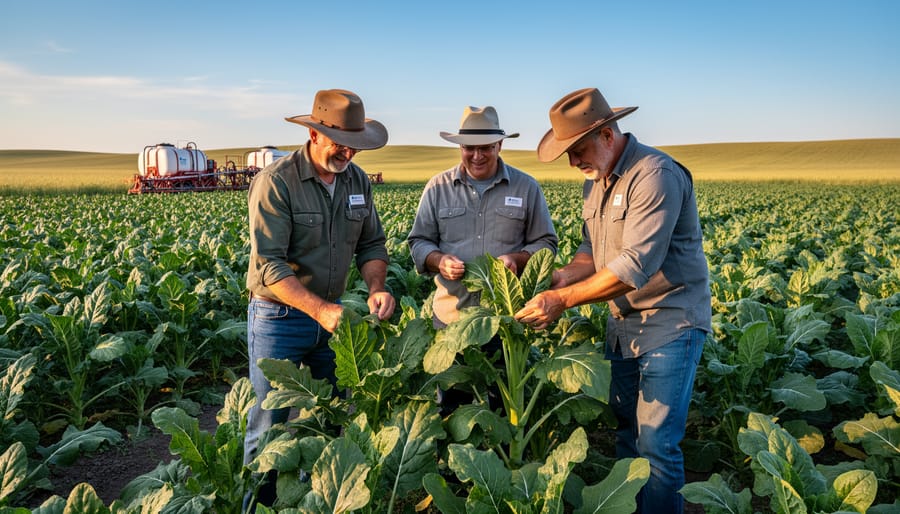
When Mark Henriksen made the switch to pest-resistant wheat varieties on his 800-hectare operation near Lethbridge in 2019, he was skeptical about the promised benefits. Four growing seasons later, his spray records tell a compelling story that’s caught the attention of neighbouring producers.
Henriksen transitioned 60 percent of his wheat acreage to AAC Brandon, a variety with strong resistance to wheat midge and orange blossom wheat midge. The results exceeded his expectations. By the 2022 season, he reduced insecticide applications by 70 percent compared to his conventional wheat fields, cutting his pest management costs from $42 per hectare to just $12 per hectare.
The financial impact was immediate. With reduced input costs and maintained yields averaging 4.2 tonnes per hectare, Henriksen calculated an additional profit of $24,000 annually on his pest-resistant acreage. More importantly, he observed improved soil health and increased beneficial insect populations, which provided natural pest suppression across his entire farm.
Henriksen still monitors pest populations weekly using sweep nets and sticky traps, following integrated pest management principles. He scouts thresholds carefully and applies targeted treatments only when necessary. His experience demonstrates that pest-resistant varieties aren’t a complete replacement for monitoring, but rather a foundational tool that significantly reduces chemical dependency while maintaining profitability. His success has inspired five neighbouring farms to trial similar varieties this coming season.
What an Alberta Seed Expert Says About Future-Proofing Your Farm
We sat down with Dr. Maria Chen, a plant breeder with Alberta Agriculture and Irrigation who has spent fifteen years developing climate-adapted crop varieties for Prairie conditions. Her insights offer a roadmap for farmers planning their variety selection over the next five to ten years.
“The varieties showing the most promise right now are those with stacked resistance traits,” Dr. Chen explains. “We’re moving beyond single-gene resistance to varieties that can handle multiple pest pressures simultaneously. For example, our wheat lines currently in trial stages show strong resistance to both wheat midge and orange blossom wheat midge, which is critical as we see range expansions of these pests.”
When asked about her top recommendation for Alberta farmers, Dr. Chen emphasizes diversification. “Don’t put all your eggs in one basket with a single resistant variety. Rotate between two or three resistant varieties with different resistance mechanisms. This approach significantly reduces the chance of pests developing resistance while maintaining your protective buffer.”
Looking ahead, Dr. Chen is particularly excited about canola varieties in development that combine clubroot resistance with improved flea beetle tolerance. “We’re about three years away from commercial release, but early field trials near Lacombe and Lethbridge are showing excellent results. These varieties maintain competitive yields while reducing insecticide applications by forty to fifty percent.”
Her advice for immediate action? “Start small with resistant varieties on a portion of your operation. Monitor performance closely, and expand gradually based on what works for your specific conditions and pest pressures.”
Building a Complete Pest Management Strategy Around Resistant Varieties
Crop Rotation Patterns That Maximize Resistance
Rotating your crops strategically can significantly reduce pest pressure while preserving the effectiveness of pest-resistant varieties. A proven approach for Alberta growers involves implementing three to four-year rotation cycles that disrupt pest life cycles before they adapt to your resistant varieties.
Consider alternating canola with cereals and pulses. For example, if you plant pest-resistant canola in year one, follow with wheat in year two, field peas in year three, and barley in year four before returning to canola. This pattern prevents flea beetles and other canola-specific pests from establishing permanent populations.
Alberta farmer James McKenzie from Lethbridge County shares his experience: “We’ve maintained our clubroot-resistant canola effectiveness for seven years by rotating with cereals and keeping detailed field records. The key is never planting the same crop family in consecutive years.”
Include at least one nitrogen-fixing legume in your rotation to improve soil health naturally. Healthier soils support stronger plant immune systems, enhancing the performance of resistant varieties. Track which varieties you plant in each field and their resistance traits. This documentation helps you avoid accidentally planting varieties with similar resistance mechanisms consecutively, which can accelerate pest adaptation.
When planning rotations, consider underground pest pressures too. Wireworms and root maggots respond differently to crop sequences than above-ground pests, so diversify both your crop types and resistant trait deployment across your operation.
Monitoring Techniques to Track Effectiveness
Regular field monitoring helps you evaluate how well your pest-resistant varieties are performing and whether pest pressure is increasing. Walk your fields weekly during the growing season, checking 10-15 plants at different locations. Record pest numbers, damage levels, and plant health on a simple chart or smartphone app. Take photos to document changes over time. Compare pest damage between resistant and conventional varieties in similar field conditions to see the real-world difference. Monitoring pest populations becomes easier when you establish consistent scouting routes. Consider collaborating with neighbouring farms to share observations and identify regional pest trends early. This community approach strengthens everyone’s pest management decisions. Track your variety’s performance against expected resistance ratings from seed suppliers. If pest damage exceeds anticipated levels, you may need to adjust your integrated pest management strategy or consider alternative varieties for next season.
When to Supplement With Other Organic Controls
Even with pest-resistant varieties, monitoring remains essential. Scout your fields weekly during the growing season, checking at least 20 plants per hectare to identify pressure points. When you notice pest populations exceeding economic thresholds—typically when damage appears on 10-15% of plants—it’s time to act.
Consider supplemental organic controls when resistant varieties face unexpected pest species or unusually high populations due to weather conditions. Effective options include introducing beneficial insects like ladybugs for aphid control, applying neem oil for soft-bodied pests, or using Bacillus thuringiensis (Bt) for caterpillar management.
Alberta producer James Chen from Lacombe combines resistant canola varieties with strategic trap cropping, noting that “layering defenses gives me peace of mind during heavy flea beetle years.” Remember that pest-resistant varieties work best within an integrated approach, not as standalone solutions. Keep detailed records of intervention timing and results to refine your strategy season after season.
Where to Source Pest-Resistant Seeds in Canada
Finding quality pest-resistant seeds suited to Canadian growing conditions is easier than you might think. Several reputable sources offer varieties specifically tested for our climate and pest pressures.
Start with Canadian seed companies that specialize in regionally adapted varieties. Companies like Veseys, William Dam Seeds, and West Coast Seeds offer selections bred for pest resistance and northern climates. Prairie Garden Seeds, based in Saskatchewan, carries many varieties proven in Prairie conditions. Mumm’s Sprouting Seeds in Saskatchewan also provides organic options with strong pest tolerance.
Government programs offer valuable resources too. The Canadian Food Inspection Agency maintains a Seeds Section database listing certified varieties, including those with pest-resistant traits. Agriculture and Agri-Food Canada operates research stations across the country where you can access information about newly developed resistant varieties suitable for your region.
Your provincial agricultural extension services are goldmines of local knowledge. In Alberta, Alberta Agriculture and Irrigation provides variety trial results and recommendations specific to different growing zones. These services often connect you with researchers who can suggest varieties performing well against local pest pressures.
Don’t overlook university programs. The University of Alberta’s Faculty of Agricultural, Life and Environmental Sciences conducts variety trials and shares findings with producers. Similarly, the University of Guelph and other agricultural universities across Canada offer variety recommendations through their extension programs.
Many of these organizations also offer expert consultations to help you select varieties matching your specific operation, soil type, and pest challenges. Building relationships with these resources ensures you stay informed about new resistant varieties as they become available.
Adopting pest-resistant varieties represents one of the most practical investments Alberta farmers can make toward building resilient, economically sustainable operations. As our climate continues to shift and pest pressures intensify, these varieties offer a proven foundation for reducing crop losses, minimizing input costs, and maintaining productivity without relying solely on chemical interventions. The evidence from farms across our region demonstrates that resistant varieties deliver tangible results—lower insecticide applications, improved yields during pest outbreaks, and greater peace of mind during unpredictable growing seasons.
The economic benefits extend beyond immediate savings on pesticides. By reducing pest damage, resistant varieties help protect your investment in seed, fertilizer, and labour while improving the consistency of your harvest quality. This stability becomes increasingly valuable as climate variability makes traditional pest management less predictable. Additionally, incorporating resistance into your integrated pest management strategy creates multiple lines of defense, reducing the risk of devastating losses from any single pest species.
Now is the time to explore what resistant varieties can do for your operation. Start by connecting with your local agronomist or seed supplier to identify varieties suited to your specific conditions and pest challenges. Consider trialing resistant options on a portion of your acreage to evaluate performance firsthand. Many Alberta farmers have found that dedicating even 10-15 percent of their land to testing new resistant varieties provides valuable insights without significant risk.
The future of farming requires proactive adaptation. By embracing pest-resistant varieties today, you’re not just protecting this season’s crop—you’re building a more resilient foundation for the decades ahead.