
Building a custom home offers the rare opportunity to align design, lifestyle, and environmental values from the ground up. For many Canadians embracing sustainable living, this includes creating a thriving organic garden right at home. Whether your property overlooks Calgary’s rolling foothills or the shores of Lake Windermere, an organic garden can provide not just nourishment, but also beauty, biodiversity, and a deeper connection to nature.
Integrating a garden into a custom home design isn’t just a landscaping decision, it’s a lifestyle investment. As luxury builders like West Ridge Fine Homes demonstrate, outdoor spaces can be designed with both elegance and ecological purpose in mind.
1. Start with the Soil: The Foundation of Every Organic Garden
Healthy soil is the cornerstone of any thriving organic garden. Before planting, have your soil tested to understand its pH and nutrient composition. Enrich it naturally with compost, manure, and organic amendments instead of synthetic fertilizers.
A good builder can ensure that your landscaping plan protects topsoil during construction, something often overlooked. This small step preserves soil health and biodiversity while saving years of recovery time once the home is complete.
2. Designing for Function and Flow
An organic garden can blend seamlessly with luxury architecture when planned early in the design process. Consider how your garden will interact with patios, pathways, and outdoor living areas. Raised beds near the kitchen make harvesting herbs convenient, while pollinator-friendly wildflower borders can create natural privacy screens.
Custom home builders who understand outdoor integration can ensure garden areas have the right sun exposure, irrigation systems, and wind protection. In fact, professional landscaping in luxury home projects plays a vital role in uniting architecture with its surroundings, ensuring that sustainability never comes at the expense of style.
3. Choosing Native and Organic Plants
Native plants are a smart choice for organic gardens because they’re naturally adapted to local climates and soil conditions. They require less water, resist pests, and support pollinators like bees and butterflies.
For Calgary and Alberta homeowners, consider hardy perennials such as:
- Wild bergamot and black-eyed Susan for colour and pollinator appeal.
- Saskatoon berries and chokecherries for edible landscaping.
- Prairie grasses and sedges for natural texture and erosion control.
Combine these with an organic vegetable or herb garden to create a balanced ecosystem right outside your door.
4. Smart Watering and Irrigation Systems
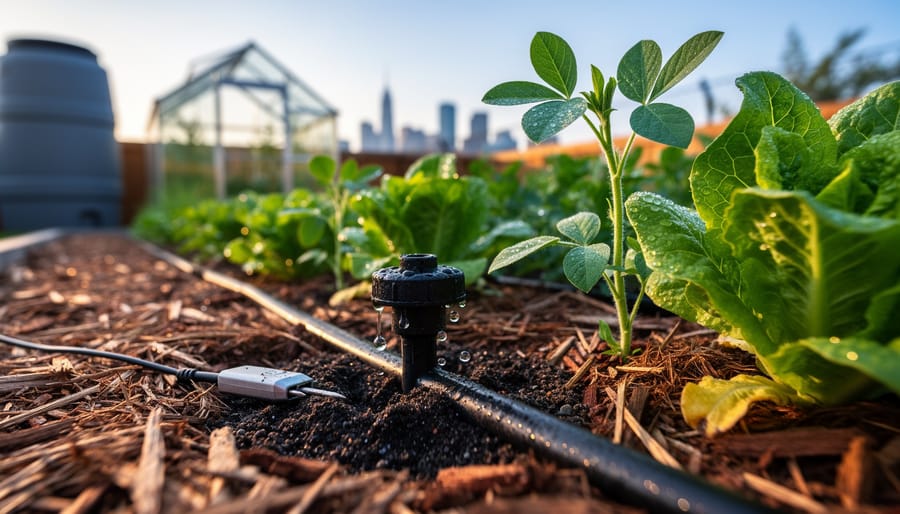
Incorporating efficient irrigation early in the build process ensures your garden thrives sustainably. Drip irrigation, rainwater harvesting systems, and moisture sensors reduce water waste and keep soil health stable.
Luxury builders like West Ridge often integrate hidden irrigation systems that support both ornamental landscaping and edible gardens, combining convenience, beauty, and conservation.
5. Composting and Waste Reduction
Every luxury home can benefit from a discreet, well-designed composting system. Compost bins can be built into outdoor cabinetry or tucked beside garden walls to maintain visual harmony. Composting organic kitchen waste reduces landfill contribution while feeding the garden with nutrient-rich material.
For homeowners with larger estates or acreages, integrating a small-scale organic waste system can support not just gardens but entire property ecosystems.
6. Garden Spaces as Wellness Retreats
Modern luxury living increasingly values wellness, and gardens are becoming extensions of that lifestyle. Imagine starting the day in a private greenhouse, tending herbs or flowers while morning light filters through glass walls. Or picture evenings spent among lavender beds and edible plants, with built-in seating and soft lighting creating a tranquil retreat.
Outdoor wellness areas can include:
- Meditation gardens with stone paths and native groundcover.
- Outdoor dining terraces framed by edible gardens.
- Glass conservatories for year-round growing.
West Ridge Fine Homes designs outdoor spaces that balance form and function, transforming a simple backyard into a restorative sanctuary.
7. Sustainability Beyond the Garden
Creating an organic garden is just one part of a broader commitment to sustainable living. Builders focused on long-term ecological design incorporate:
- Energy-efficient home envelopes and insulation.
- Eco-friendly materials such as reclaimed wood and low-VOC paints.
- Solar-ready roofs and smart climate systems.
When architecture, landscaping, and sustainability come together, the result is a home that nurtures both people and the planet.
8. Why Start Now
Building or renovating a custom home is the perfect moment to plan your organic garden. The grading, irrigation, and sunlight orientation decisions made during construction lay the groundwork for a thriving landscape. By working with a builder who values sustainable design, you ensure your home and garden grow together, beautifully, naturally, and responsibly.
Conclusion
An organic garden is more than an aesthetic choice; it’s an expression of mindful living. For homeowners in Alberta and beyond, the key is thoughtful planning and collaboration between architects, builders, and landscaping professionals who understand how sustainability enhances luxury.