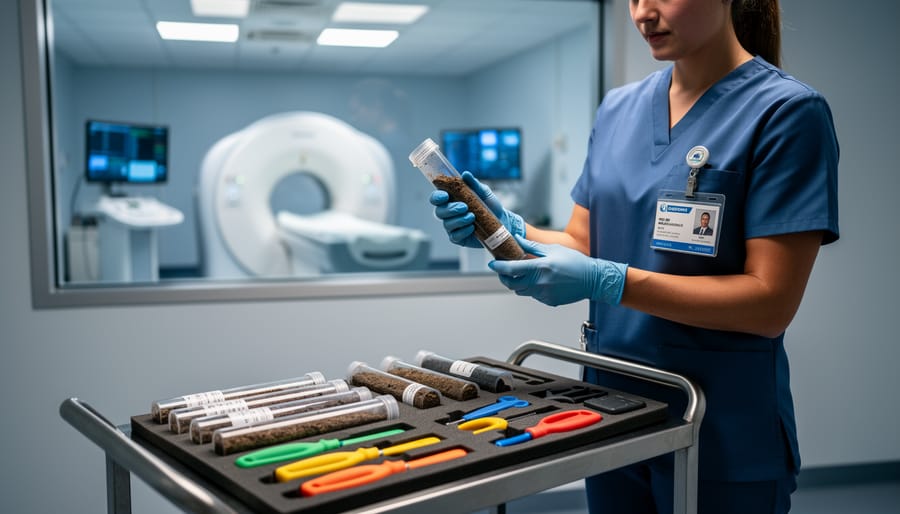
Understand that MRI Level 1 personnel are the gatekeepers of your carbon credit certification process—they’re trained professionals who can safely enter MRI environments to verify your soil sampling locations and agricultural practices without compromising equipment safety. These individuals don’t operate the MRI equipment itself but ensure that verification tools, sampling equipment, and documentation meet strict safety protocols when carbon measurements require advanced imaging technology for soil analysis validation.
Recognize their role in your carbon credit journey by knowing they bridge the gap between traditional agricultural monitoring and high-tech verification methods increasingly used in rigorous MRV plan frameworks. Alberta farmers working with certification bodies will encounter these specialists during advanced verification stages, particularly when projects require detailed soil structure analysis or root system carbon storage documentation that goes beyond standard sampling.
Prepare for their farm visits by organizing your field records, GPS coordinates of sampling sites, and previous soil test results in advance. Level 1 personnel need clear access to designated monitoring areas and appreciate farmers who can walk them through seasonal management practices that impact carbon sequestration—cover cropping schedules, tillage modifications, or grazing rotations.
Expect these professionals to spend several hours on-site conducting thorough assessments, asking detailed questions about your farming operations, and collecting verification data that supports your carbon credit claims. Their findings directly influence whether your project meets certification standards, making cooperation and accurate record-keeping essential to successful outcomes. Understanding their function helps you navigate the technical requirements of carbon markets with confidence while maintaining focus on what you do best—growing food and stewarding land.
What MRI Level 1 Personnel Actually Do in Carbon Projects
The Foundation of Accurate Carbon Accounting
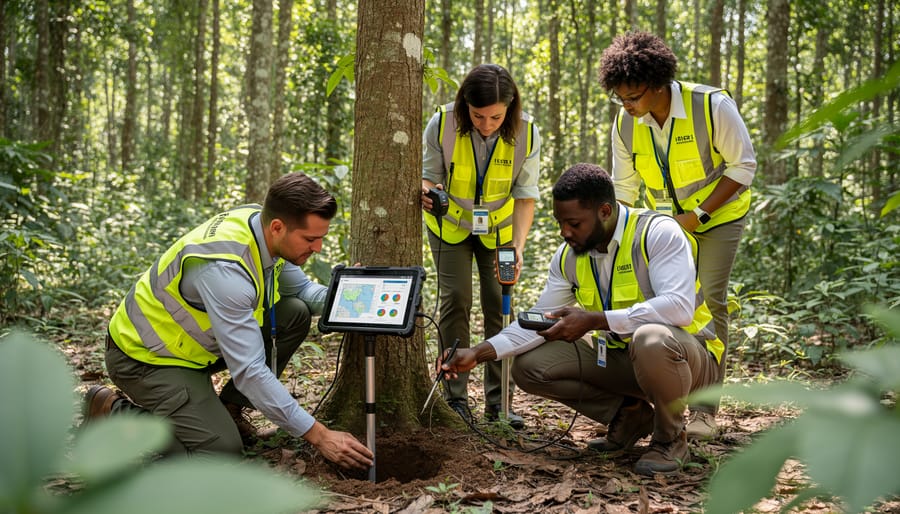
MRI Level 1 personnel are the frontline professionals who make carbon credit programs possible for Canadian farmers. Think of them as the trusted observers who visit your operation to document exactly what’s happening on the ground. These trained individuals collect the baseline data that feeds into the carbon credit verification process, measuring everything from soil samples to vegetation cover and management practices.
Their work directly impacts your farm’s eligibility for carbon credits and determines the value of those credits. When a Level 1 inspector visits an Alberta grain farm, for example, they’ll document your tillage practices, crop rotations, and measure soil organic carbon levels using standardized protocols. This data becomes the foundation that verifies your sustainable practices are genuinely sequestering carbon.
The accuracy of their measurements matters tremendously. A well-trained Level 1 professional ensures your efforts get properly recognized and compensated. They’re not auditors looking for problems but rather documentation specialists ensuring your good stewardship translates into verified, marketable carbon credits that strengthen both your operation and Canada’s climate goals.
Training and Certification Requirements
Becoming MRI Level 1 certified requires completing specialized training programs that equip personnel to conduct monitoring, reporting, and verification activities for carbon credit projects. In Canada, several organizations offer accredited courses that cover essential topics like carbon sequestration measurement, data collection protocols, and agricultural emissions monitoring.
Training typically involves both classroom instruction and hands-on field experience. For Alberta farmers working with carbon certification programs, these trained professionals will visit your operation to assess practices like reduced tillage, cover cropping, or rotational grazing. The certification process usually takes several weeks to complete and includes examinations to verify competency in using measurement tools and following standardized protocols.
MRI Level 1 personnel must also maintain their certification through ongoing professional development. This includes staying current with evolving carbon accounting methodologies and attending annual refresher courses. Many Canadian agricultural organizations partner with certification bodies to ensure verifiers understand regional farming practices and climate conditions specific to the Prairies.
When selecting a carbon credit program, ask about the qualifications of their verification team. Properly trained MRI Level 1 personnel will communicate clearly about what they need from you, making the verification process smoother and more beneficial for your operation’s carbon credit journey.
Understanding Leakage in Your Carbon Certification
Common Leakage Scenarios on Canadian Farms
Understanding how carbon leakage happens in real farming situations helps you prepare for MRI Level 1 verification visits. Let’s look at scenarios MRI personnel commonly investigate on Alberta farms.
One frequent example involves tillage displacement. Imagine you’ve enrolled a quarter section in a no-till carbon program. If you compensate by increasing conventional tillage on a neighboring field that wasn’t previously tilled, you’re essentially moving emissions rather than reducing them. MRI personnel will review your whole farm operation to catch these shifts, often requesting tillage records for all your land, not just enrolled acres.
Livestock displacement represents another common scenario. A rancher near Lethbridge reduced cattle numbers on enrolled grazing land to sequester more carbon in grasslands. However, they leased additional pasture nearby and moved those animals there, potentially causing overgrazing and carbon loss on the new land. Verifiers examine lease agreements and stocking rates across your entire operation to identify these patterns.
Fertilizer redistribution also raises flags. Some farmers reduce nitrogen application on certified fields but increase it elsewhere to maintain yields, simply relocating nitrous oxide emissions. MRI Level 1 personnel typically request fertilizer purchase records and application maps for your complete farming operation, not just program parcels.
The key takeaway? Carbon programs evaluate your whole farm system. Being transparent about all your land management decisions, even on non-enrolled acres, helps verifiers accurately assess whether you’re achieving genuine emission reductions rather than just shifting practices around.
How Level 1 Personnel Monitor and Report Leakage
Level 1 personnel follow a systematic approach when monitoring for potential carbon leakage on your farm. The process begins with baseline field assessments, where monitors walk designated areas using GPS-enabled tablets to record land use changes. They document any shifts in agricultural activity, such as new cultivation of previously fallow land or changes in crop types within a 5-kilometre radius of your enrolled fields.
During site visits, personnel complete standardized observation forms that capture visual evidence through geotagged photographs and detailed notes about neighboring properties. They’re specifically looking for signs that carbon reduction activities on your farm might be pushing emissions elsewhere—like clearing of nearby natural areas to compensate for land taken out of production.
The documentation process includes comparing satellite imagery across monitoring periods, typically conducted quarterly during the growing season. Any observed changes trigger detailed investigation reports that get uploaded to the certification body’s digital platform within 48 hours.
If potential leakage is identified, Level 1 personnel immediately notify both you and the certifying organization. They’ll work collaboratively to determine whether the changes are related to your project activities or represent unrelated agricultural shifts. This transparent reporting system ensures your carbon credits maintain their integrity while protecting the certification value of your sustainable practices. Remember, these monitors serve as partners in your certification journey, helping identify issues early so they can be addressed proactively.
Permanence: Keeping Carbon in the Ground for the Long Haul
Why Permanence Matters for Your Carbon Credits
Understanding permanence in carbon credit projects isn’t just about environmental accountability—it directly impacts your farm’s bottom line. When carbon sequestration projects fail to maintain their stored carbon for the required period (typically 25-100 years depending on the protocol), credit reversals can occur. This means credits you’ve already sold may be invalidated, requiring repayment to buyers or program administrators.
For Alberta farmers, this can translate into significant financial consequences. If your shelterbelts are removed prematurely, grasslands are converted back to annual crops, or soil carbon losses occur due to management changes, you may face penalties ranging from returned revenue to additional compliance costs. Some programs require buffer pools—essentially insurance funds where a percentage of your credits are held back to cover potential reversals across the project pool.
The good news? Proper planning with MRI Level 1 personnel during your initial assessment helps identify permanence risks early. They’ll evaluate factors like land tenure security, succession planning, and management stability. Saskatchewan farmer Dale Morrison notes, “Working with verifiers upfront helped us structure agreements that protected our operation while meeting permanence requirements.” This proactive approach ensures your carbon credits remain valuable assets rather than future liabilities.
Annual Monitoring and Documentation
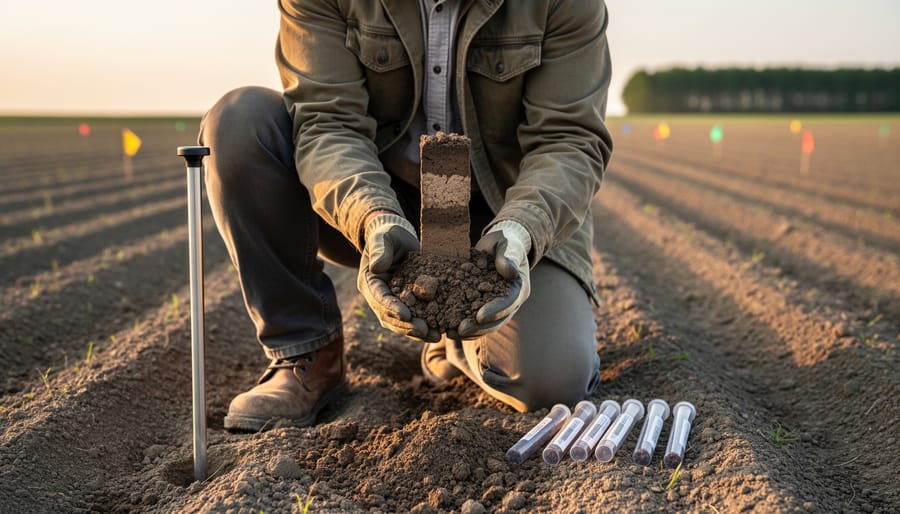
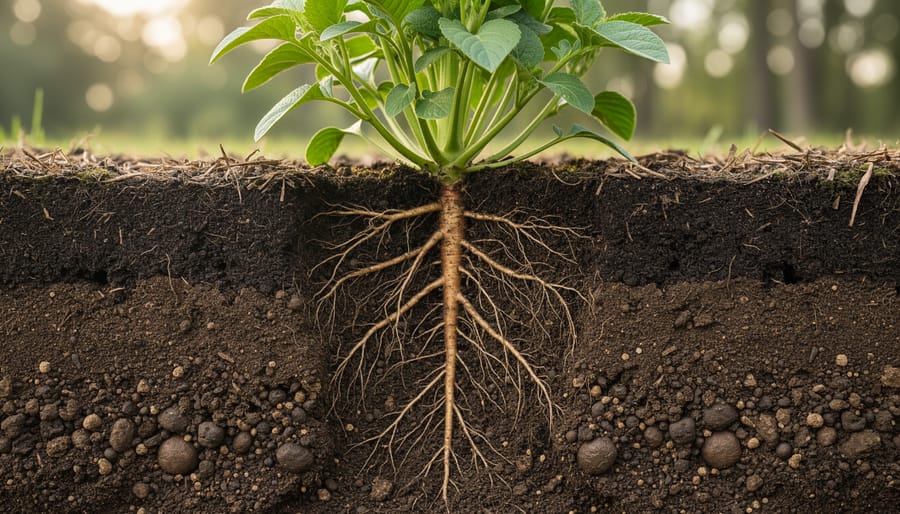
Once your farm receives certification, expect MRI Level 1 personnel to conduct regular monitoring visits, typically on an annual basis. During these site visits, verifiers will assess your land management practices, confirm that protocol requirements remain in place, and collect soil samples to measure carbon sequestration progress. Soil sampling follows standardized protocols, with samples taken at consistent depths—usually 0-15 centimetres and 15-30 centimetres—across predetermined locations on your property.
Alberta farmer Janet Morrison from Red Deer County shares her experience: “The annual visit takes about half a day. The verifier walks the fields, takes soil cores, and reviews my records. It’s straightforward when you keep organized documentation throughout the year.”
You’ll need to maintain detailed records between visits, including field management activities, input applications, and any land use changes. Verifiers will review this documentation alongside physical observations and laboratory results. After each visit, you’ll receive verification reports and updated certification paperwork. These documents are essential for accessing carbon credit payments and maintaining your certification status. Keep copies organized—certification bodies require complete audit trails. Most farmers find that setting up a simple filing system, whether digital or paper-based, makes annual verification smooth and stress-free while ensuring compliance with program requirements.
Working With MRI Level 1 Personnel: What Alberta Farmers Should Expect
Preparing Your Farm Records
Getting your documentation organized before MRI Level 1 personnel arrive will streamline the verification process and demonstrate your commitment to accurate documentation and traceability. Start by compiling detailed field maps showing boundaries, soil types, and practice zones. Gather all practice change records documenting when you implemented new management approaches, including dates and specific locations.
Your checklist should include baseline soil test results, crop rotation histories for the past five years, input purchase receipts for fertilizers and amendments, and equipment calibration records. Keep tillage logs that specify dates, depths, and implements used. Have your yield data readily available, organized by field and crop year.
Alberta farmers should also prepare conservation practice documentation, such as windbreak establishment dates, drainage improvements, or cover crop seed mix information. Digital photos showing field conditions before and after practice changes provide valuable visual evidence. According to agronomist Sarah Mitchell from Red Deer, “Farmers who maintain organized monthly records experience 40 percent faster verification visits.” Creating a simple binder system or digital folder structure now saves considerable time during the actual assessment.
Site Visit Best Practices
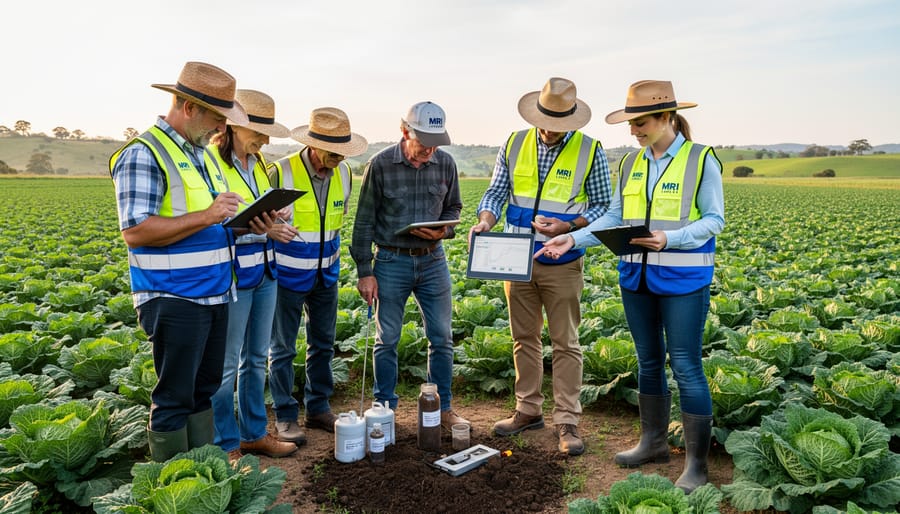
Timing your site visit strategically can make a significant difference in the verification process. In Alberta, the ideal window for field assessments typically falls between late May and early September, when crop growth is visible and soil conditions are accessible. This timing allows MRI Level 1 personnel to observe your management practices in action and verify documentation against what’s actually happening on your land.
Before the visit, walk your fields and make note of any areas that might raise questions. Perhaps you had to adjust your no-till approach in one section due to unexpected conditions, or weather impacted your cover crop establishment. Being upfront about these realities demonstrates your commitment to accurate reporting and helps assessors understand your decision-making process.
Keep your documentation organized and readily available during the visit. This includes field maps, input records, equipment maintenance logs, and photos showing seasonal progression. Many Alberta farmers find it helpful to create a simple binder or digital folder that tells the story of their carbon farming journey throughout the growing season.
Don’t hesitate to ask questions during the assessment. MRI personnel are there to verify your practices, but they can also provide valuable insights about common pitfalls or opportunities for improvement. Trevor Morrison, a carbon verification specialist working across the Prairies, notes that “the most successful verification visits feel like collaborative conversations rather than audits. Farmers who engage openly typically find the process much less stressful and more educational.”
Real Results: An Alberta Farm’s Certification Journey
When the Morrison family decided to pursue carbon credit certification for their 850-hectare grain operation near Lethbridge, they weren’t sure what to expect from the verification process. Like many Alberta farmers, they’d heard about carbon markets but felt uncertain about the technical requirements and whether outside personnel would understand their farming reality.
“We were nervous about having someone from outside come in and evaluate our practices,” admits Tom Morrison, who farms with his two sons. “But our MRI Level 1 personnel turned out to be someone who actually got what we do here.”
The Morrisons worked with a verification professional who spent two full days on their farm during the initial assessment. The process included reviewing their historical field records, examining soil sampling protocols, and walking through their no-till fields to verify management practices. What surprised Tom most was the collaborative nature of the experience.
“She didn’t just show up with a clipboard and tell us what we were doing wrong,” he explains. “Instead, she helped us understand exactly what documentation we needed and why certain measurements mattered for our certification.”
The family faced their biggest challenge around record-keeping. They’d been practicing conservation agriculture for years but hadn’t maintained the detailed documentation required for carbon credit verification. Their MRI Level 1 personnel provided practical guidance on setting up a simple tracking system using tools they already had on hand.
Within six months, the Morrisons successfully completed their certification. The farm now generates additional revenue through carbon credits while continuing their sustainable practices. Tom’s advice to other farmers considering this path? “Don’t let the technical language intimidate you. These verification professionals are there to help you succeed, not to catch you making mistakes. Our experience proved that good farming and carbon certification go hand-in-hand when you have the right support.”
The Morrison operation has since become a regional example, with neighbouring farms reaching out to learn from their certification journey.
MRI Level 1 personnel are more than just auditors—they’re your partners in navigating the carbon credit landscape. These trained professionals bring credibility to your carbon certification, ensuring that the environmental work you’re already doing on your farm translates into recognized, marketable carbon credits. Their expertise in measurement, reporting, and verification protects the integrity of carbon markets while helping you access new revenue streams.
For Canadian farmers, particularly those in Alberta where regenerative practices are gaining momentum, understanding the role of MRI Level 1 personnel removes much of the uncertainty around carbon programs. When you view these verification specialists as collaborators rather than inspectors, the certification process becomes a valuable learning opportunity. Many farmers report that working with MRI personnel has helped them refine their practices and better understand their farm’s environmental impact.
If you’re considering entering carbon credit programs, start by building your MRV strategy early. Connect with carbon program providers to understand their specific requirements, maintain detailed records of your land management practices, and don’t hesitate to ask questions during the verification process. The investment you make in proper documentation and transparent communication with MRI Level 1 personnel pays dividends in smoother certifications and stronger credit claims.
Carbon markets offer genuine opportunities for farmers committed to sustainable practices. With MRI Level 1 personnel ensuring verification standards, you can confidently participate knowing your environmental stewardship efforts will be properly recognized and rewarded.