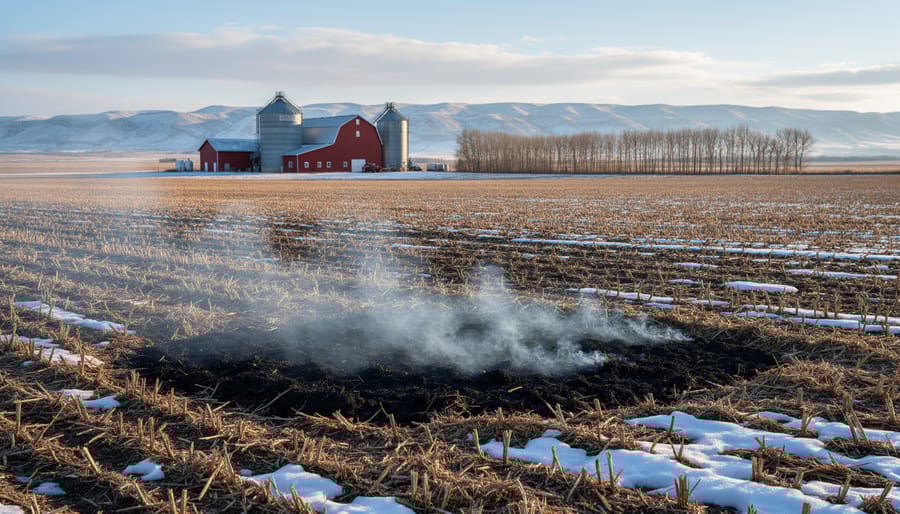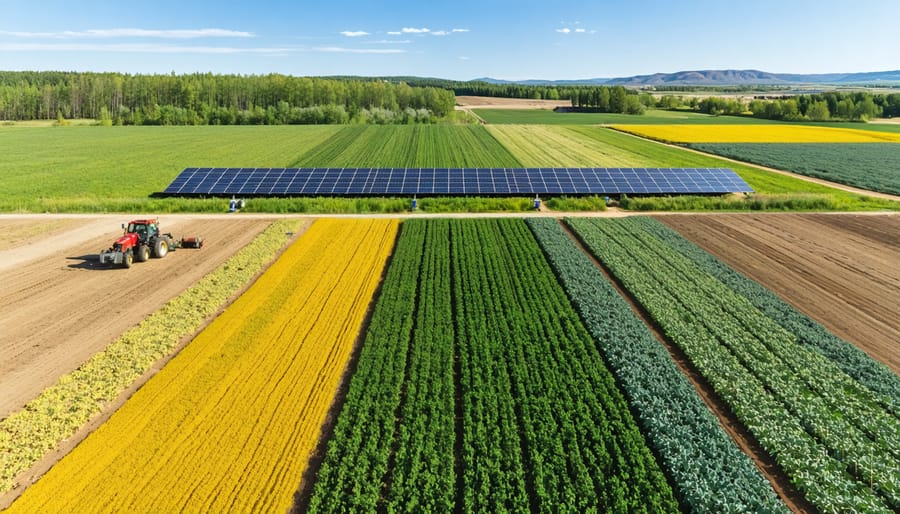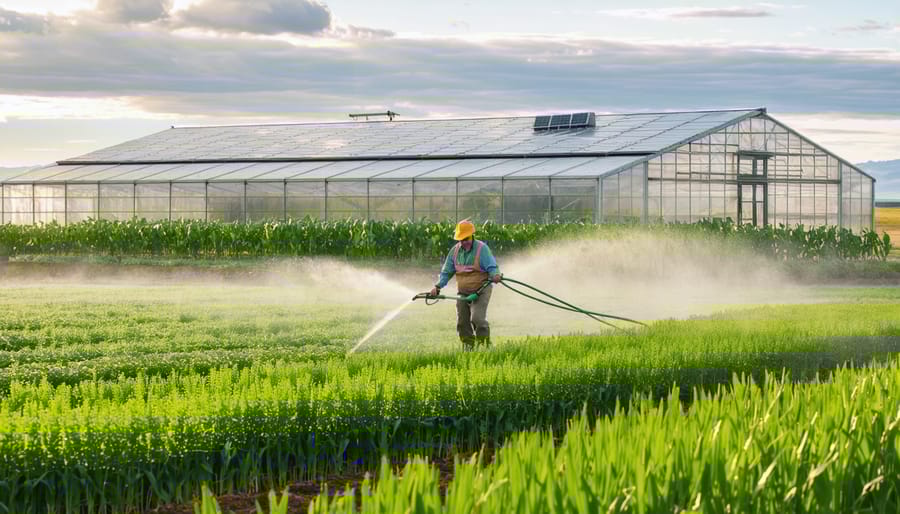
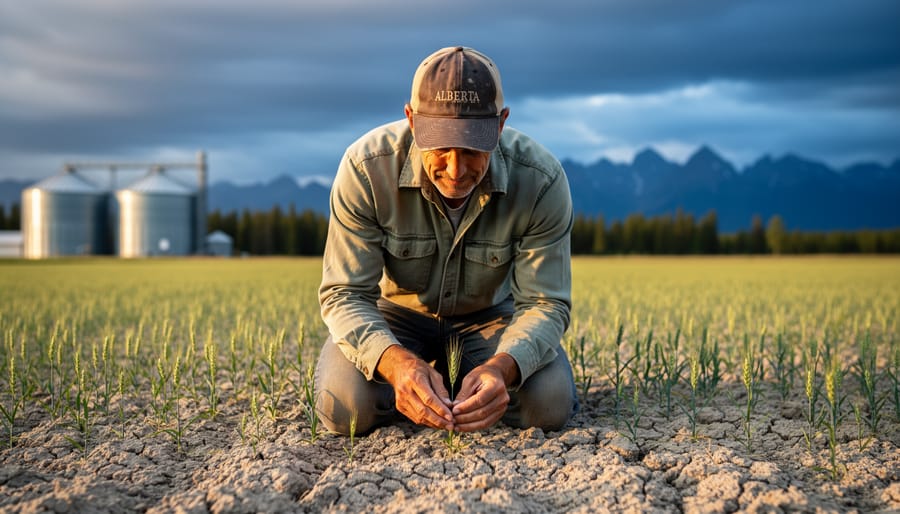
Alberta’s agricultural sector stands at a crossroads where traditional farming knowledge meets unprecedented climate uncertainty. Over the past three decades, growing seasons have shifted by nearly two weeks, spring temperatures have risen by 1.8°C, and extreme weather events have increased in both frequency and intensity across the prairies. These changes aren’t distant projections—they’re reshaping planting decisions, crop yields, and farm profitability right now.
For farmers across Alberta, climate change presents both immediate operational challenges and long-term strategic questions. Drought conditions that once appeared every decade now occur with alarming regularity. Unexpected late frosts damage emerging crops, while intense rainfall events wash away topsoil that took generations to build. Pest populations that previously couldn’t survive prairie winters now establish year-round, requiring new management approaches. Meanwhile, market pressures and production costs continue climbing, leaving little room for adaptation expenses.
Yet this challenge also creates opportunity. Alberta’s agricultural community has always demonstrated remarkable resilience and innovation when facing adversity. Today, farmers who understand the policy landscape and actively engage in advocacy can shape solutions that work for their operations and communities. Effective climate policy doesn’t emerge from government offices alone—it requires the practical wisdom and lived experience that only producers possess.
This article examines how climate change specifically affects Alberta agriculture, identifies critical gaps in current policy frameworks, and provides concrete steps for farmers to become effective advocates. Whether you’re managing a century farm or exploring new agricultural ventures, understanding the intersection of climate science, policy mechanisms, and advocacy strategies will position you to protect your operation while contributing to sector-wide solutions.
How Climate Change Is Reshaping Alberta’s Agricultural Landscape
The Numbers Behind Alberta’s Changing Climate
Alberta’s climate is changing in ways that directly impact your farming operations. Understanding these shifts helps you plan for the future and make informed decisions about your land.
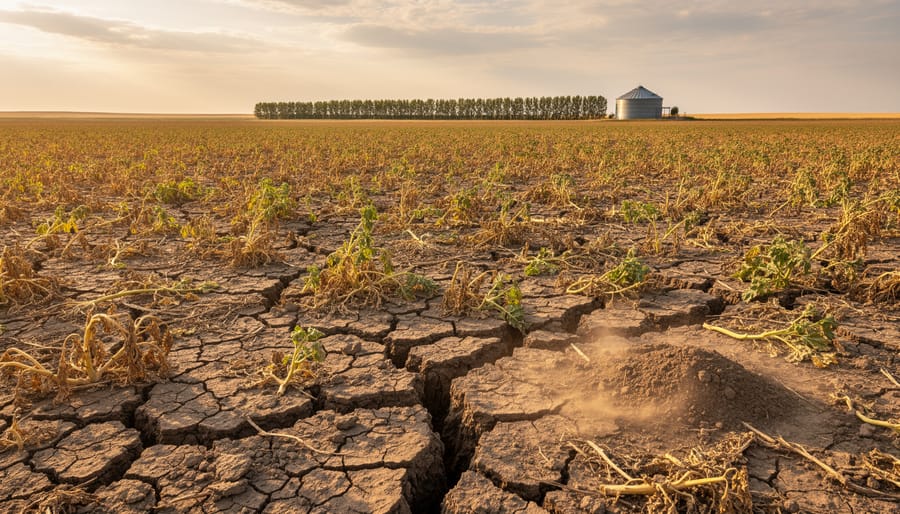
Since 1950, Alberta has warmed by approximately 1.5°C, with winter temperatures showing the most dramatic increases. The prairies have experienced temperature rises of 1.6°C to 1.9°C during this period, according to Environment and Climate Change Canada. These aren’t just numbers on a chart—they’re reshaping when you seed, how you manage water, and what crops you can successfully grow.
Growing seasons across the province have extended by 10 to 20 days over the past several decades. While this might seem like an advantage, it comes with trade-offs. Spring arrives earlier, but late spring frosts still pose risks. Fall frosts are delayed, yet unpredictable weather patterns make harvest planning more challenging.
Precipitation patterns have become less reliable. Southern Alberta has experienced increased variability, with more intense rainfall events followed by longer dry periods. This creates difficulties for moisture management and increases soil erosion risks. Meanwhile, northern regions have seen modest precipitation increases, though not always when crops need it most.
Climate models project these trends will continue. By 2050, Alberta could see temperatures rise another 2°C to 4°C, depending on emission scenarios. For you, this means adapting now—selecting drought-resistant varieties, improving water conservation practices, and exploring new crop opportunities that match our evolving climate reality.
What Alberta Farmers Are Seeing in Their Fields
Across Alberta, farmers are witnessing firsthand how shifting weather patterns are reshaping their daily operations. These aren’t abstract predictions—they’re real changes affecting real livelihoods and the food security of communities across the province.
John Schmidt, a fourth-generation grain farmer near Lethbridge, has tracked concerning trends over the past decade. “We’re seeing our spring moisture windows shift by two to three weeks compared to what my father’s records showed,” he explains. “That uncertainty makes planning seeding dates a challenge we’ve never faced before.” His experience reflects the recent crop challenges documented across the province.
Livestock producers face equally significant adjustments. Sarah Petersen raises cattle near Red Deer and has noticed extended periods of heat stress affecting her herd. “We’ve invested in additional shade structures and changed our feeding schedules to cooler parts of the day,” she shares. “Water consumption has increased by roughly 30 percent during summer months compared to five years ago.”
Meanwhile, mixed-farm operator David Chen in the Peace Country region reports dramatic shifts in his growing season. “We’re gaining about ten extra frost-free days, which sounds positive, but we’re also dealing with more intense rainfall events that compact our soils and delay fieldwork,” he notes. His barley yields have become less predictable, requiring more flexible marketing strategies.
These stories highlight a common thread: Alberta farmers are adapting in real-time, combining generations of knowledge with innovative solutions. Their observations provide invaluable data points that help researchers and policymakers understand climate change impacts at ground level, making their voices essential in shaping effective agricultural policy responses.
The Building Blocks of Climate-Resilient Agricultural Policy
Water Management and Irrigation Support
Alberta’s water challenges require comprehensive policy solutions that address both immediate needs and long-term sustainability. Provincial water management policies focus on allocation systems that balance agricultural demands with environmental conservation, particularly as climate change intensifies drought conditions and alters precipitation patterns.
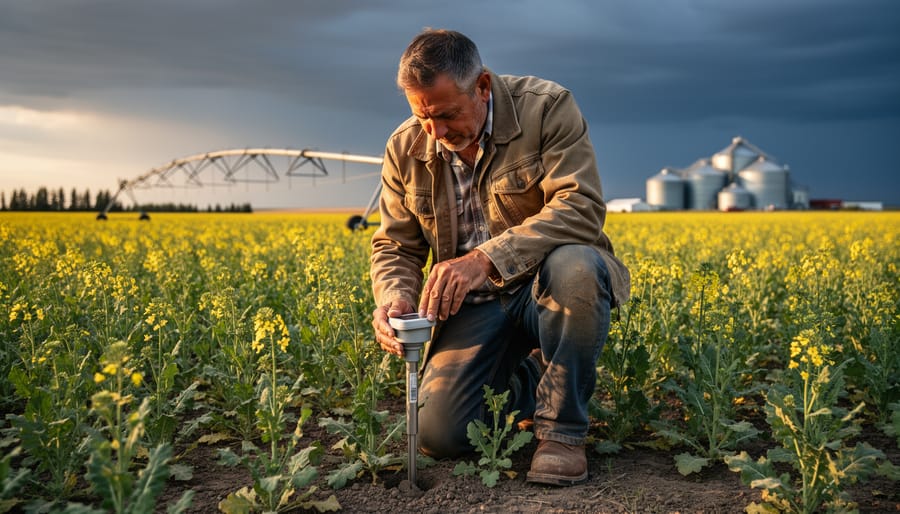
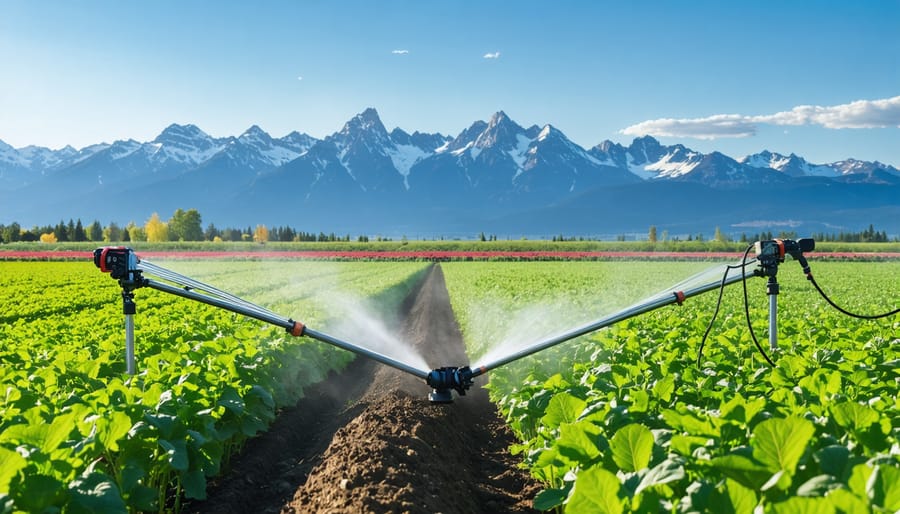
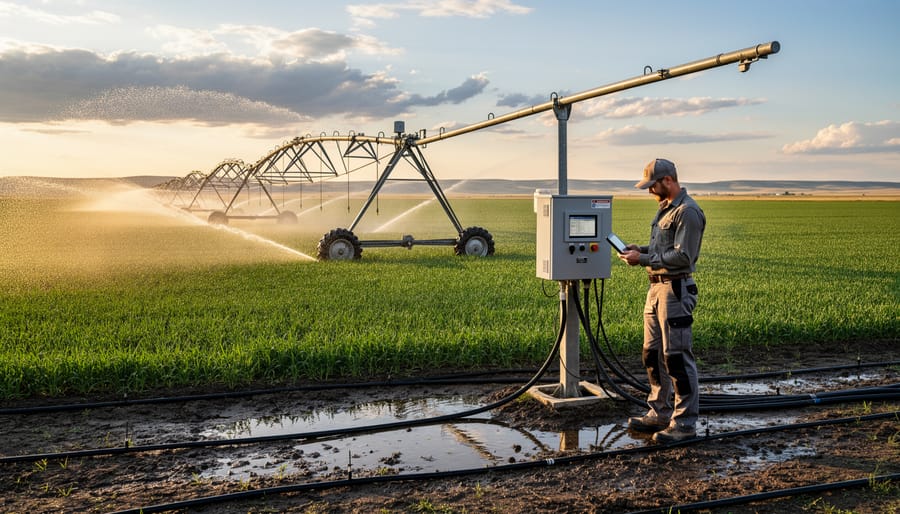
Conservation programs support farmers through incentive-based initiatives for adopting irrigation efficiency strategies, including drip irrigation systems and soil moisture monitoring technologies. Financial assistance programs help offset the costs of upgrading infrastructure, with grants available for water storage facilities and pipeline improvements.
The Alberta government’s Water for Life strategy emphasizes watershed planning and collaborative management between agricultural producers and municipal water users. Infrastructure support includes investments in reservoir capacity and distribution networks that enhance water security during peak demand periods.
Climate-adapted irrigation district modernization projects demonstrate practical applications of these policies. For example, southern Alberta irrigation districts have implemented shared measurement systems and automated scheduling, reducing water use by 15-20 percent while maintaining crop productivity. These community-based approaches show how policy support combined with farmer innovation creates resilient water management systems adaptable to changing climate conditions.
Soil Health Initiatives and Carbon Programs
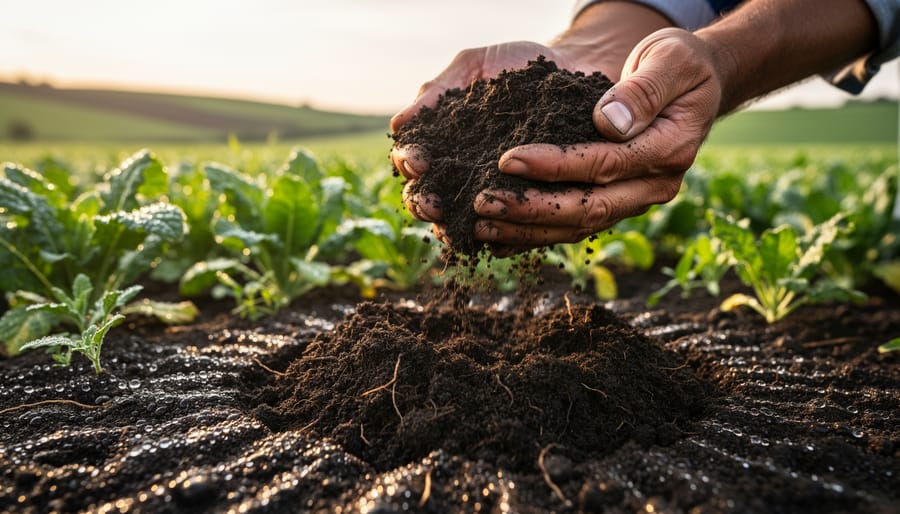
Alberta farmers have access to several government-supported programs designed to enhance soil health while contributing to climate solutions. The Canadian Agricultural Partnership offers funding for soil testing, conservation planning, and implementing climate-smart practices like cover cropping and reduced tillage. These practices not only improve soil structure and water retention but also sequester significant amounts of carbon.
The federal On-Farm Climate Action Fund provides direct financial incentives for adopting nitrogen management practices, cover cropping, and rotational grazing. Eligible farmers can receive up to $75 per acre for cover crops and cost-sharing for nitrogen management planning. Alberta’s Agricultural Carbon Offset System allows producers to generate revenue by selling carbon credits through verified protocols, including conservation cropping and improved grazing management.
Take the example of the Larson family near Lacombe, who increased their organic matter by 2 percent over five years through a combination of cover crops and reduced tillage, while earning carbon credits that offset implementation costs. The Environmental Farm Plan program provides additional technical support and baseline assessments to help you identify soil improvement opportunities specific to your operation. These combined initiatives make regenerative agriculture both environmentally beneficial and economically viable for Alberta producers.
Financial Tools and Risk Management
Transitioning to climate-resilient farming practices requires financial support, and fortunately, several programs exist to help Canadian farmers manage the costs and risks involved. Understanding these tools can make the difference between struggling through climate challenges and thriving despite them.
Agriculture and Agri-Food Canada’s AgriInsurance program provides protection against production losses caused by natural hazards like drought, excessive moisture, and extreme weather events. In Alberta, crop insurance coverage has evolved to reflect changing climate patterns, with premiums adjusted based on regional risk assessments. The AgriStability program offers income support when farmers experience significant margin declines, providing a safety net during difficult transitions.
For producers looking to invest in climate adaptation, the Canadian Agricultural Partnership provides cost-share funding for beneficial management practices. This includes support for water conservation infrastructure, soil health improvements, and energy-efficient equipment. Alberta farmers have successfully accessed these funds for projects like precision agriculture technology and enhanced water storage systems.
The AgriRecovery framework activates when disasters exceed existing program capacity, offering additional assistance for recovery costs. Many Alberta producers accessed these funds following recent drought years, helping them rebuild operations and implement more resilient systems.
Working with your local agricultural fieldperson or the Agriculture Financial Services Corporation can help you navigate these programs effectively. They understand the specific challenges facing Alberta producers and can identify which financial tools best suit your operation’s needs during climate-related transitions.
Current Policy Landscape: Where Alberta Stands Today
What’s Working: Successful Programs in Action
Alberta is leading the way with programs that demonstrate how climate-smart agriculture benefits both farmers and the environment. The Canadian Agricultural Partnership has funded over 150 Alberta projects focused on sustainable practices, helping producers adopt beneficial management practices while maintaining profitability.
The Results-Based Agri-Environmental Payment Program, piloted in several Alberta regions, directly compensates farmers for measurable environmental outcomes like improved soil health and carbon sequestration. Participating ranchers have seen payment rates up to $40 per acre while enhancing land productivity. This approach rewards conservation efforts rather than prescribing specific methods, giving producers flexibility to implement what works best for their operations.
On-Farm Climate Action Fund recipients across Alberta report positive results from adopting precision agriculture technologies. One central Alberta grain operation reduced fertilizer costs by 18 percent while cutting greenhouse gas emissions by 22 percent through variable rate application equipment. These savings directly improve farm margins while addressing environmental concerns.
The Growing Forward 2 program supported soil testing initiatives that helped 800 Alberta farms optimize nutrient management. Participants increased crop yields by an average of 12 percent while reducing excess nutrient application, demonstrating that environmental stewardship and productivity go hand in hand.
These success stories reflect what farmers implementing solutions across the province already know: effective climate policy supports agricultural innovation while respecting producer expertise and economic realities.
Where We Need to Go: The Policy Gaps
Despite progress in recognizing climate challenges, significant gaps remain in Alberta’s agricultural policy framework. Through conversations with farmers across the province, several critical missing pieces have emerged.
First, current programs lack adequate long-term support for transitional periods. When producers adopt new climate-resilient practices—whether shifting crop rotations or installing water conservation systems—they often face two to three years of adjustment before seeing returns. Existing cost-share programs provide initial capital but don’t support farmers through this vulnerable transition phase. As one grain farmer near Lethbridge shared, “The funding got us started, but we were on our own when yields dipped that first season.”
Second, there’s insufficient integration between climate adaptation and traditional risk management tools. Crop insurance programs haven’t fully adapted to changing weather patterns, leaving farmers exposed when extreme events fall outside historical norms. We need insurance products that reflect current climate realities, not just past data.
Third, knowledge transfer infrastructure remains underfunded. While research on climate-adapted varieties and soil health practices exists, connecting this information to farmers in practical, regionally specific ways requires more extension support. Rural communities need accessible expertise delivered through trusted networks.
Finally, policy lacks coordinated approaches to water management. As drought becomes more frequent, individual solutions won’t suffice. We need watershed-level planning that brings producers, municipalities, and industries together to ensure agricultural water security.
Addressing these gaps requires farmer voices at policy tables, sharing real-world experiences that statistics alone cannot capture.
Making Your Voice Count: Practical Policy Advocacy for Farmers
Connecting With Decision-Makers Who Listen
Your voice matters in shaping Alberta’s agricultural climate policy, and several accessible channels exist to connect with decision-makers who genuinely want to hear from farmers on the ground.
Start with the Alberta Ministry of Agriculture and Irrigation, which regularly hosts consultations and accepts written submissions on climate-related programs. Their regional offices throughout the province provide direct access to staff who understand local farming challenges. The Climate Change Advisory Panel, when active, offers formal opportunities to present your experiences and recommendations.
Agricultural organizations like the Alberta Federation of Agriculture and Wild Rose Agricultural Producers maintain ongoing dialogue with government officials. These groups amplify farmer perspectives during policy development and welcome input from members about climate adaptation needs.
For federal matters, contact your Member of Parliament directly through constituency offices. Many MPs hold regular town halls where you can discuss how national climate policies affect your operation. Agriculture and Agri-Food Canada’s regional offices in Alberta also accept farmer feedback on program design.
Don’t overlook municipal councils, which influence local land-use decisions and can advocate provincially on your behalf. Attend public meetings to share how climate impacts affect your community’s agricultural sector.
Consider joining advisory committees for watershed management groups or agricultural research stations, where your practical knowledge informs climate adaptation strategies at the implementation level.
Telling Your Farm’s Story Effectively
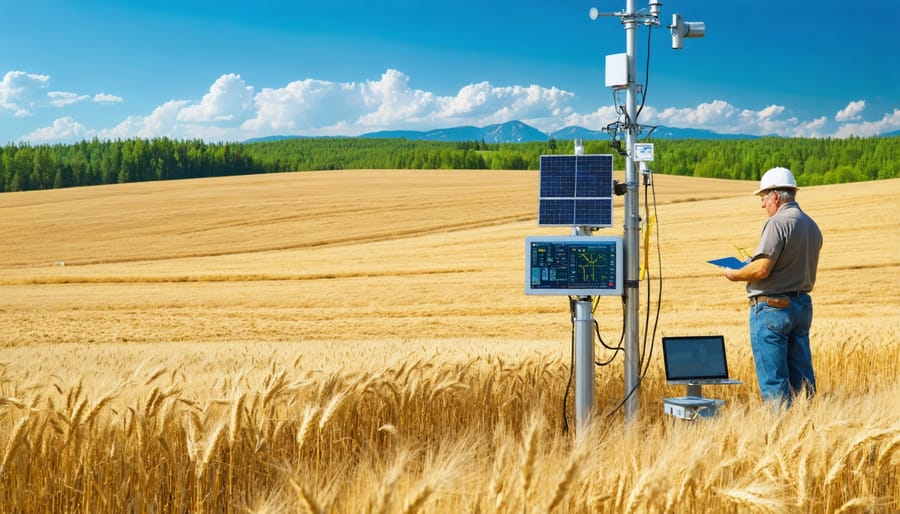
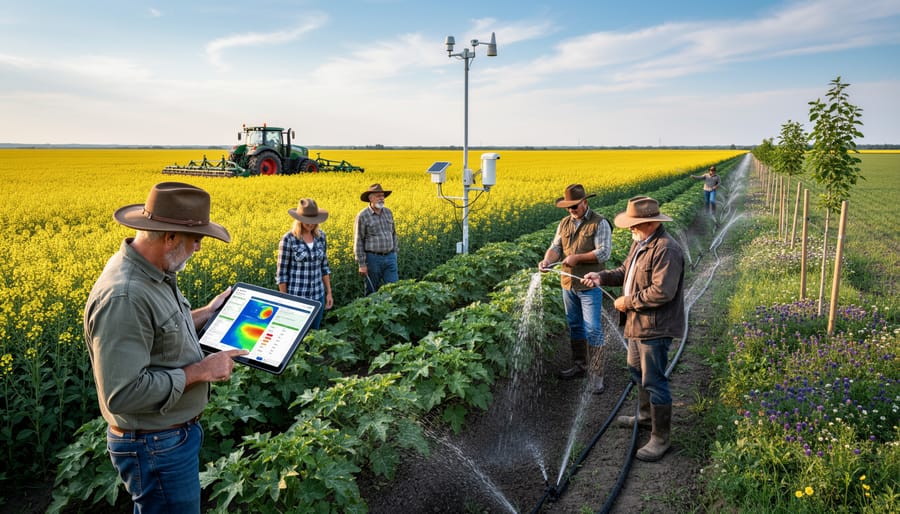
Your farm’s data tells a powerful story that policymakers need to hear. When communicating climate challenges to government representatives, specificity matters more than general concerns. Track concrete metrics from your operation: changes in growing degree days, shifts in precipitation patterns affecting seeding windows, increased irrigation costs, or new pest pressures you’ve documented over recent seasons.
For example, if spring frost dates have shifted by two weeks over the past decade, affecting your canola planting schedule, share that timeline with supporting records. Alberta policymakers respond well to documented economic impacts—calculate how drought conditions affected your 2021 yields compared to your five-year average, translating bushel losses into dollar figures.
Prepare a one-page summary highlighting three key challenges your farm faces due to climate variability, each supported by real numbers from your operation. Include photos showing weather impacts like hail damage or drought stress. When meeting with officials or submitting written feedback during policy consultations, avoid emotional appeals. Instead, present yourself as the expert you are—someone managing climate risks daily. Frame your needs clearly: whether it’s support for water infrastructure, crop insurance reform, or funding for climate-adaptive equipment. Your lived experience, backed by farm data, creates the evidence base that drives meaningful policy change.
Joining Forces: Collective Advocacy Opportunities
You don’t have to navigate climate policy advocacy alone. Alberta’s agricultural community has established strong networks and organizations dedicated to representing farmers’ interests in climate-resilient policy development.
The Alberta Federation of Agriculture (AFA) serves as a united voice for over 35 member organizations, actively engaging with government on climate adaptation funding and sustainable farming incentives. They regularly consult with members to ensure policy recommendations reflect real on-farm challenges and opportunities.
Agricultural Producers Association of Saskatchewan (APAS), while Saskatchewan-based, collaborates extensively with Alberta groups on prairie-wide climate issues, recognizing that weather patterns and policy solutions often transcend provincial boundaries. Their joint advocacy strengthens the agricultural voice across the prairies.
Local commodity groups like Alberta Wheat Commission and Alberta Cattle Feeders’ Association also champion climate-smart practices specific to their sectors. These organizations provide direct channels for producers to influence research priorities and policy frameworks affecting their operations.
Consider joining your local agricultural service board or watershed stewardship group. These grassroots organizations connect you with neighbors facing similar climate challenges and often have direct lines to municipal and provincial decision-makers.
Taryn Sawchuk, policy coordinator with a regional farm coalition, explains: “When producers share their climate adaptation experiences collectively, policymakers can’t ignore the patterns. Your story becomes part of a powerful narrative that shapes real change.”
Many organizations offer free membership to young farmers and provide regular policy updates through newsletters and webinars. Participating doesn’t require extensive time commitments—even attending occasional meetings or responding to member surveys helps amplify agricultural perspectives in climate policy discussions.
From Policy to Practice: Implementing Climate Solutions on Your Farm
Accessing Support Programs Today
Finding and accessing support programs for climate adaptation can feel overwhelming, but breaking it down into clear steps makes the process manageable. Start by visiting the Government of Alberta’s agriculture website, where you’ll find the Canadian Agricultural Partnership programs specifically designed for climate resilience. These programs often cover costs for infrastructure improvements, water management systems, and sustainable farming practices.
Begin by assessing your farm’s specific needs. Are you looking to improve soil health, implement water conservation, or upgrade to energy-efficient equipment? Once you’ve identified priorities, match them with available programs. The Alberta Climate Information Service provides free resources and consultations to help you understand which proven adaptation strategies align with funding opportunities.
Next, connect with your local Agricultural Service Board or regional Agricultural Fieldman. These professionals offer personalized guidance and can help navigate application processes. Many farmers find success joining peer networks or attending workshops hosted by organizations like the Organic Agriculture Centre of Canada, where you can learn from others who’ve successfully secured funding.
When applying, document your current practices and clearly outline how proposed changes will reduce emissions or build resilience. Include baseline measurements when possible. Most programs require business plans showing environmental and economic benefits over three to five years.
Remember, deadlines vary by program, so bookmark relevant websites and sign up for email notifications. Many successful applicants recommend starting applications at least two months before deadlines to gather necessary documentation.
Expert Insights: What the Science Says Works
Leading agricultural scientists working in Alberta’s unique climate conditions have identified several practices showing strong evidence for building resilience on farms. We spoke with researchers and practitioners about what actually works on the ground.
Dr. Sarah Chen, agronomist with Agriculture and Agri-Food Canada’s Lethbridge Research Centre, emphasizes the importance of soil health as a foundation. “Our long-term field trials consistently show that farms using diverse crop rotations and maintaining continuous soil cover can better withstand both drought and excess moisture events. We’re seeing 15-20% yield stability improvements compared to conventional rotations, even in challenging years.”
Prairie agronomist Tom Wildeman, who works directly with over 100 Alberta producers, highlights practical water management strategies. “Simple interventions like contour farming and strategic placement of shelterbelts are making measurable differences. One producer near Red Deer reduced soil moisture loss by 30% after implementing these practices together.”
Dr. Michelle Bourque from the University of Alberta’s research station notes exciting developments in crop genetics. “We’re selecting varieties specifically adapted to Alberta’s increasingly variable conditions. These aren’t genetically modified—just smart breeding using our own regional genetics. Early trials show these varieties maintain productivity across wider temperature ranges.”
The common thread across expert recommendations? Start with one or two evidence-based practices that fit your operation, monitor results carefully, and build from there. Climate resilience doesn’t require overhauling your entire operation overnight—it’s about informed, incremental improvements backed by solid science.
The path forward for Alberta agriculture in a changing climate is clear: effective policy must be built with farmers, not for them. Your daily experiences managing soil health, adapting crop rotations, and responding to weather extremes provide irreplaceable insights that no government office or research institution can replicate. When policymakers understand the practical realities of implementing conservation practices while managing tight margins, they create regulations that actually work on the ground.
Alberta’s agricultural community has repeatedly demonstrated remarkable resilience and innovation. You’ve navigated market volatility, adopted new technologies, and transformed farming practices across generations. Climate adaptation is simply the next challenge where your problem-solving abilities and practical knowledge will lead the way. The same ingenuity that helped Alberta producers become leaders in precision agriculture and crop diversification will drive successful climate-resilient farming systems.
Economic viability and environmental stewardship aren’t opposing goals. The emerging policy landscape creates opportunities for producers who can demonstrate sustainable practices while maintaining productivity. Programs supporting soil carbon sequestration, water conservation infrastructure, and climate-adapted crop varieties can strengthen farm operations financially while building long-term resilience.
Your engagement matters immediately. Start by documenting how climate shifts affect your operation with specific measurements and observations. Connect with your local agricultural organizations to share these experiences and participate in policy consultations. Attend municipal and provincial meetings where agricultural regulations are discussed. Write to your representatives with concrete examples and practical solutions. Join producer networks focused on climate adaptation to exchange knowledge and amplify collective voices.
Alberta agriculture’s future depends on producers stepping into leadership roles on climate policy. Your expertise, combined with collaborative advocacy, will ensure policies support both environmental goals and thriving farm businesses. The conversation is happening now, and your seat at the table is essential.